Using an eSIM for Japan has become the top choice for international travelers visiting the Land of the Rising Sun in 2026. Instead of waiting in line at airport counters to pick up a physical SIM card or carrying around a bulky pocket WiFi device, eSIM technology allows you to connect to the internet the moment your plane lands.
However, with dozens of providers available—ranging from global platforms to local Japanese carriers—finding a solution that offers stable coverage, fast speeds, and reasonable pricing is not always straightforward.
In this guide, I’ll share practical insights from frequent travel experience in Japan, including comparisons of popular eSIM providers, how much data you actually need for a two-week trip, and smart cashless payment tips such as topping up Suica using Wise. The goal is simple: to help you stay seamlessly connected throughout your journey.
E-SIM for Japan
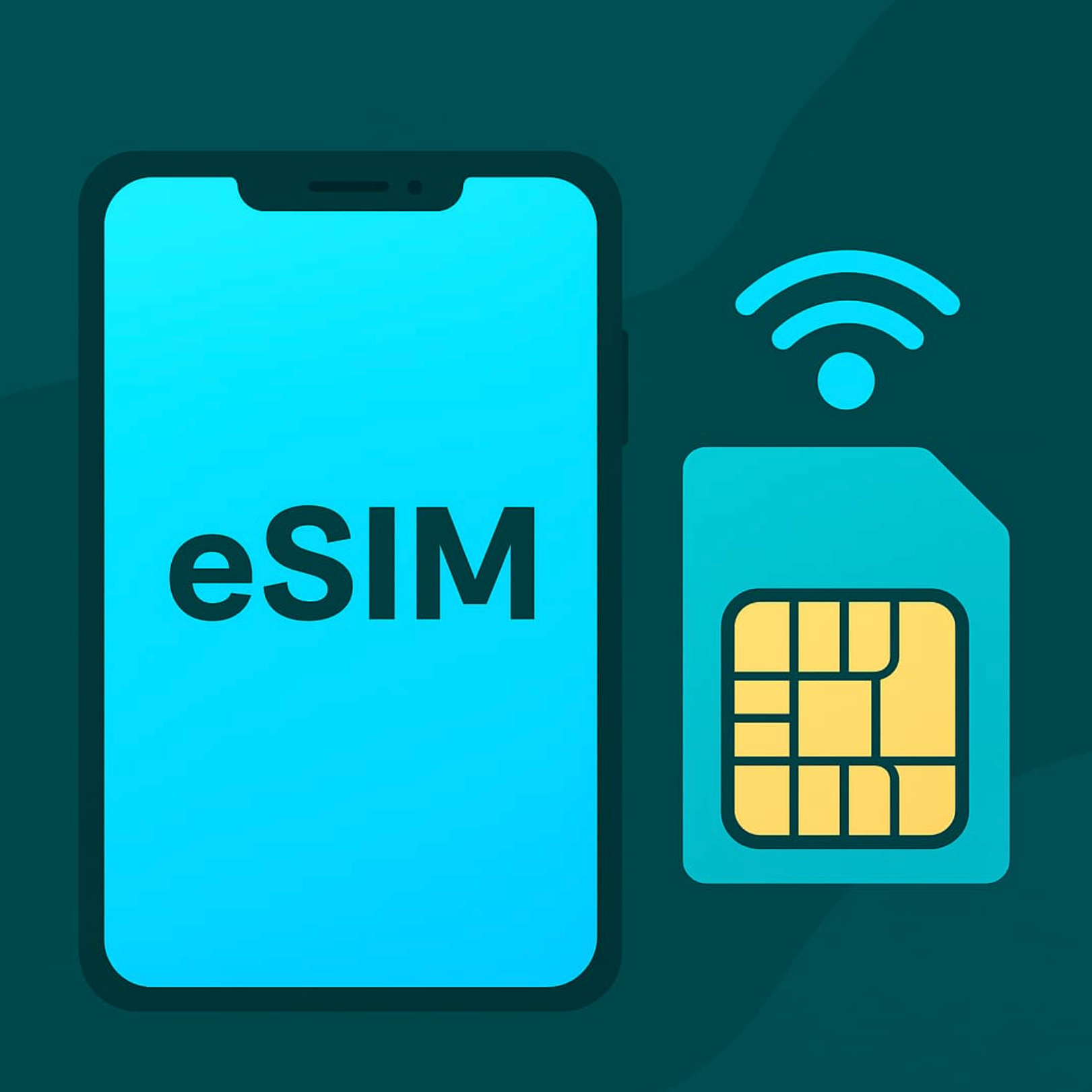
An eSIM (Embedded SIM) is a digital SIM built directly into your smartphone’s motherboard. With an eSIM for Japan, there’s no need to remove or replace a physical SIM card. Instead, you simply scan a QR code sent via email to download the network profile onto your device.
In Japan, major carriers such as NTT Docomo, SoftBank, and KDDI (au) provide strong nationwide eSIM infrastructure. Once you activate a travel data plan, your phone automatically connects to one of these networks to maintain stable service.
One major advantage is that you can keep your primary SIM in your phone to receive banking OTP messages while using the Japan eSIM for data, maps, and train searches.
The debate between a Japan travel eSIM and pocket WiFi continues, but in 2026, the trend clearly favors eSIM due to its unmatched convenience.
The pocket wifi for Japan
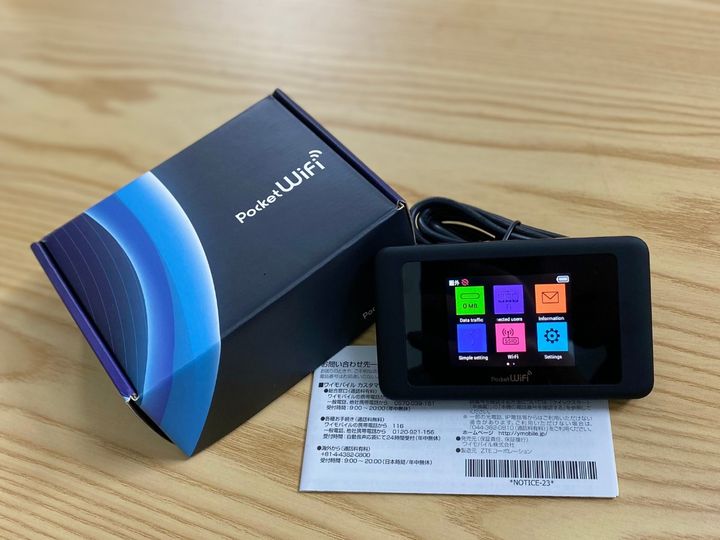
Pocket WiFi used to dominate thanks to unlimited data and the ability to share internet with multiple devices. However, you must charge it daily, carry it everywhere, and return it at the airport before departure. If you’re traveling in a group of four or five people who stay together at all times, pocket WiFi can still make sense.
Compared to pocket WiFi, an eSIM for Japan offers several advantages:
Recommendation: If you are traveling solo or as a pair, eSIM is the clear winner.
To determine the best eSIM for Japan, consider three key factors: underlying carrier network (Docomo or SoftBank), pricing, and ease of installation.
Airalo is one of the most popular international providers. Its “Moshi Moshi” plan typically runs on SoftBank’s network.
Pros: Extremely user-friendly app; easy data top-ups.
Cons: Slightly more expensive than some local resellers.
Ideal for heavy users who stream, upload videos, or don’t want to worry about running out of data.
Pros: Unlimited data plans available.
Cons: No hotspot sharing allowed; relatively expensive.
Many travelers ask whether they should buy an eSIM for Japan via Klook when booking Shinkansen tickets. The answer is yes, mainly for convenience and frequent discount codes.
Pros: Competitive pricing; multilingual support.
Cons: QR code delivery can occasionally be delayed—purchase at least one day in advance.
Often preferred by travelers seeking the most stable speeds in rural or mountainous areas. Docomo has slightly broader coverage than SoftBank.
One of the most common questions is: how much data do you need in Japan for a typical trip?
For a 14-day Japan eSIM trip:
In reality, Google Maps consumes minimal data. However, social media apps and background refresh can quickly drain your allowance. Disable background app refresh when using mobile data to conserve usage.
Yes. Most Japan eSIM plans operate on Docomo or SoftBank networks, which cover over 99% of Japan’s population.
Whether you are in busy Shinjuku (Tokyo) or the historic village of Shirakawa-go, 4G/5G connectivity is generally reliable. If your itinerary includes remote hiking areas or rural Hokkaido, choose a Docomo-based eSIM for maximum coverage.
The installation process is straightforward, but attention to detail is essential:
Even the best eSIM for Japan may encounter occasional issues:
Many travelers assume Japan is fully cashless. Not entirely.
Yes, you should carry some cash. Convenience stores and shopping malls accept credit cards and mobile payments, but small traditional restaurants, temples, and older ticket machines may still require cash. Prepare around 20,000–30,000 yen for small expenses.
This is one of the most useful travel hacks in 2026. You can add Suica to Apple Wallet or Google Pay, then use your Wise card (which offers competitive exchange rates) to top it up instantly. This eliminates the need to queue at ticket machines.
Based on overall performance:
Exploring Japan becomes significantly smoother when you have reliable internet access. Choosing an eSIM for Japan not only reduces costs but also frees you from the inconvenience of traditional connectivity solutions. Whether you opt for unlimited data or a moderate 14-day plan, always confirm device compatibility before purchasing. With the right eSIM setup, you’ll stay connected effortlessly—allowing you to focus on experiencing Japan to the fullest. Safe travels, and enjoy staying connected throughout your adventure.