For many travelers, Japan feels both exciting and unfamiliar at the same time. The country is known for its safety, cleanliness, and efficiency—but what truly sets it apart is its deeply rooted japan culture and social harmony.
Unlike in many Western countries, the customs of Japan are often unspoken. People rarely correct you directly if you do something “wrong.” Instead, they expect individuals to observe and adapt. This can lead to confusion for first-time visitors who may not even realize they’ve made a cultural misstep.
The good news? You don’t need to be perfect. Understanding a few key aspects of Japanese culture and tradition will help you travel with confidence, avoid awkward situations, and show respect to the people and places you encounter.
In Japan, silence is a form of respect. On trains, in elevators, and even on busy streets, people tend to speak softly.
Talking loudly, laughing excessively, or being on speakerphone in public can stand out immediately. This is one of the most noticeable differences in culture and customs of Japan compared to Western norms.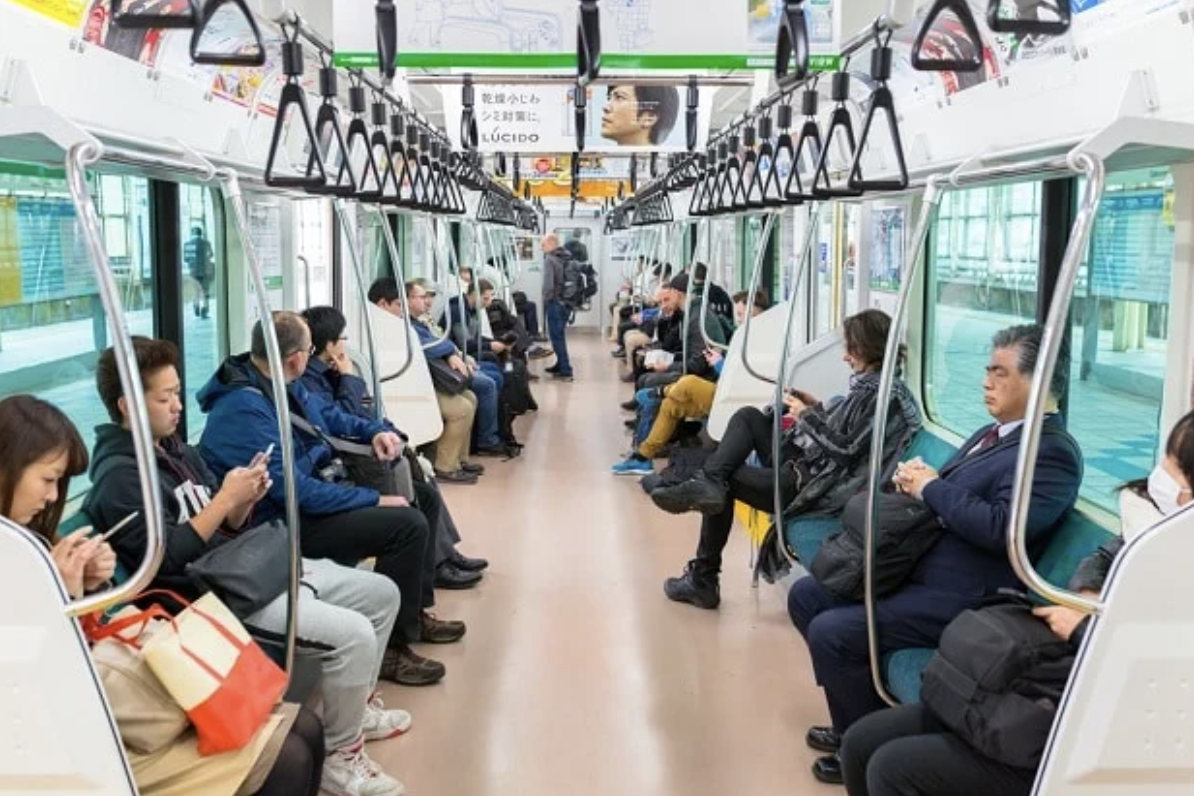
Quiet train interior in Japan
While not strictly forbidden, eating while walking is generally avoided in Japan culture. Instead, people prefer to:
Street food areas like Osaka are exceptions, but in most cities, walking and eating is considered careless rather than efficient.
Order and structure are essential parts of cultural tradition in Japan. Whether you’re waiting for a train, an elevator, or a cashier, you’ll notice clear lines forming.
Cutting in line—even accidentally—can be seen as highly disrespectful.
Priority seats are reserved for elderly passengers, pregnant women, and those with disabilities. Even if the train is not full, locals avoid sitting there unless necessary.
Phones are expected to be on silent mode (often called “manner mode”). Taking calls on trains is discouraged, reinforcing the quiet atmosphere central to Japan culture.
Efficiency is key. On escalators:
Blocking movement disrupts the flow, something people in Japan are very mindful of.
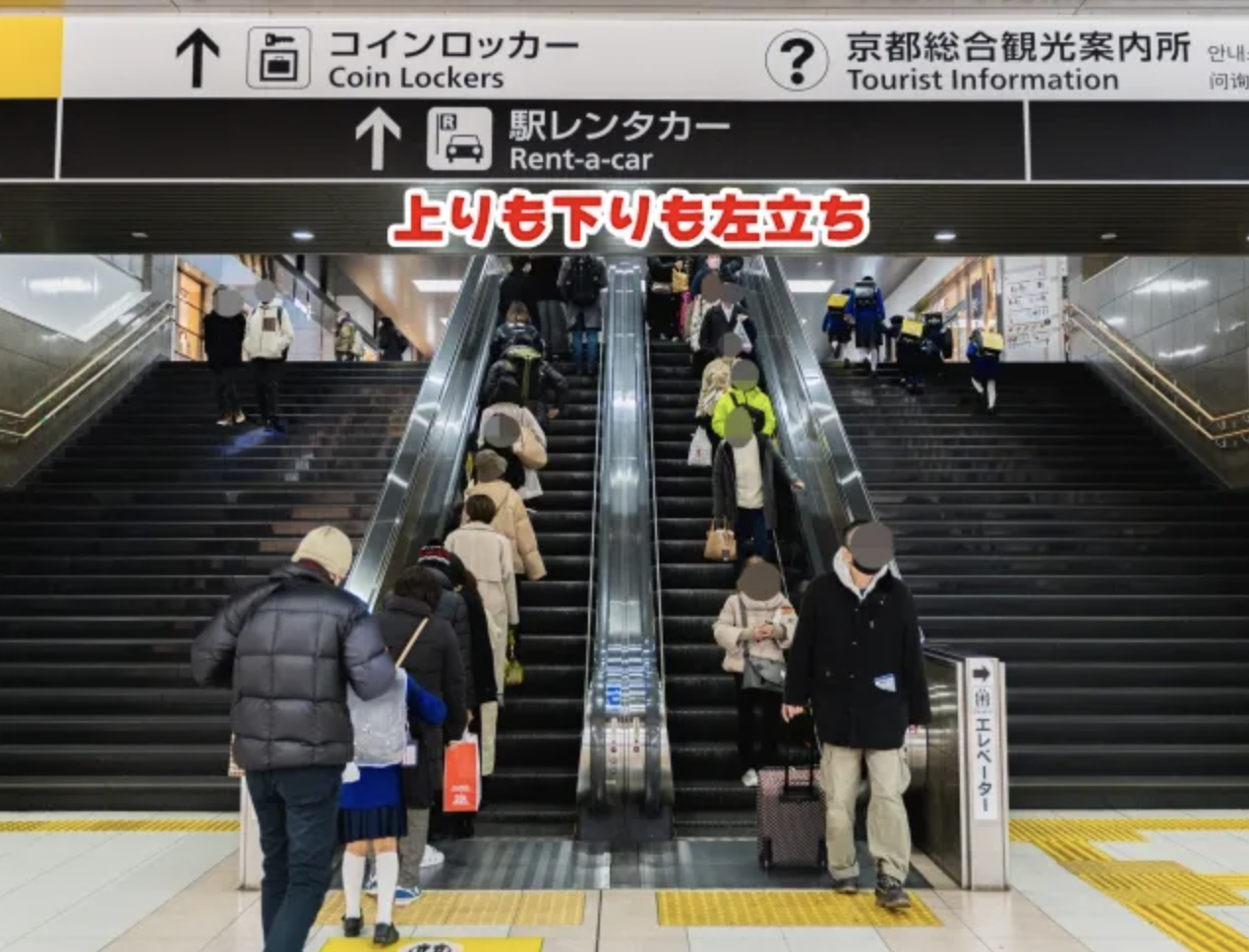
People standing on one side of escalator in Japan
Tipping is not part of the customs of Japan. In fact, it may confuse staff or even be politely refused.
Excellent service is already expected—no extra reward needed.
Chopstick etiquette is deeply tied to Japan culture and tradition:
These actions are associated with funeral rituals.
Before eating, many people say “Itadakimasu” (a gesture of gratitude). After finishing, “Gochisousama” expresses appreciation.
You don’t have to say them—but understanding their meaning reflects respect for cultural tradition in Japan.
Unlike in the West, slurping noodles is completely acceptable—and even seen as a sign you’re enjoying the meal.
At many shrines, you’ll find a water basin where visitors rinse their hands. This symbolic act is part of Japan culture and shows respect before entering sacred space.
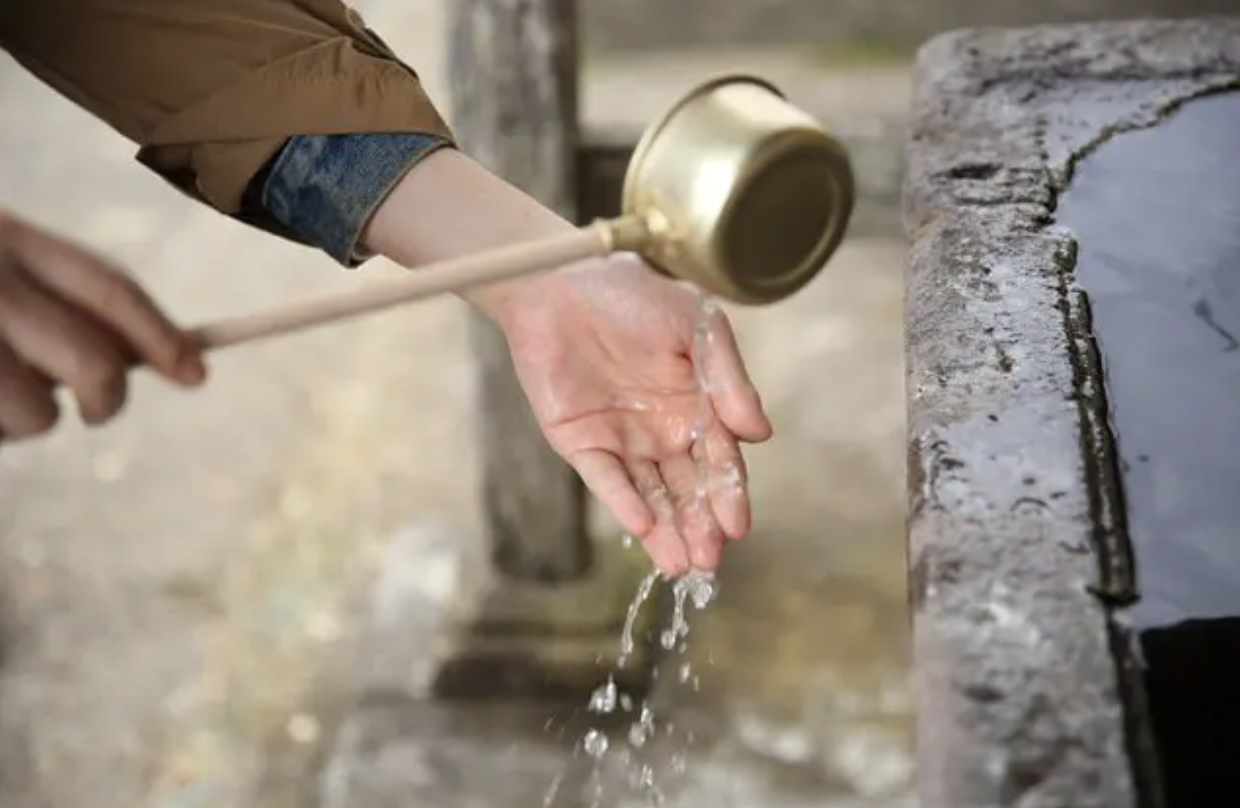
Visitor using purification fountain at shrine
Temples and shrines are not just tourist attractions—they are spiritual places.
Omamori are small charms sold at temples and shrines. They are not just souvenirs but carry spiritual meaning—health, success, safety.
Understanding this helps you engage more deeply with the culture and customs of Japan.
Bowing is a traditional greeting in Japanese culture. As a tourist, a slight nod is enough—no need for a deep formal bow.
Physical contact is minimal. Hugging, touching, or standing too close may feel uncomfortable for locals.
In Japanese culture and tradition, people often avoid direct confrontation. Instead of saying “no,” they might respond vaguely.
Learning to read context is key.
Even well-meaning travelers can misunderstand customs of Japan. Common mistakes include:
Recognizing these helps you adapt quickly.
Understanding the deeper contrast helps everything make sense:
These differences define cultural tradition in Japan and shape everyday life.
Respect goes further than perfection in Japanese culture.
Do:
Don’t:
Is Japan strict about etiquette?
Not strictly—but expectations are clear.
What happens if I break a rule?
Most locals will understand you’re a visitor.
Are people forgiving to tourists?
Yes, especially if you are respectful.
Do I need to speak Japanese to be polite?
No. Behavior matters more than language.
Understanding Japanese culture isn’t about memorizing rules—it’s about awareness and respect.
When you take the time to notice how people behave, you naturally begin to adapt. And that’s when your experience shifts from simply “visiting” Japan to truly connecting with it.
If you want to explore more insights like this—from hidden cultural tips to real travel experiences—join the Nicetrips family.
We share practical guides, meaningful stories, and insider knowledge to help you travel Japan with confidence, comfort, and curiosity.
Follow Nicetrips and start your journey the right way.