Japan Weather Guide: Seasons, Monthly Breakdown & Best Time to Visit

Comprehensive guide to Japan weather and the best seasons to visit. Discover a monthly breakdown of temperatures, rainfall, and tips for cherry blossoms or snow.

Japan weather is a fascinanting and complex topic that every traveler must master before booking their flight. Understanding the rhythmic shift of the seasons is the key to unlocking the perfect Japanese adventure, whether you are dreaming of delicate pink petals or powdery white slopes. As an archipelago stretching over 3,000 kilometers from north to south, Japan does not have a single climate; instead, it offers a dramatic spectrum of conditions that can range from subarctic chills in the north to subtropical warmth in the south.

In this guide, we will dive deep into everything you need to know about the climate, from the humidity of the summer months to the crisp, clear skies of winter. We will also address specific concerns like the Japan weather in September and provide a detailed cherry blossom season guide to ensure your timing is impeccable.
What Is the Weather Like in Japan?

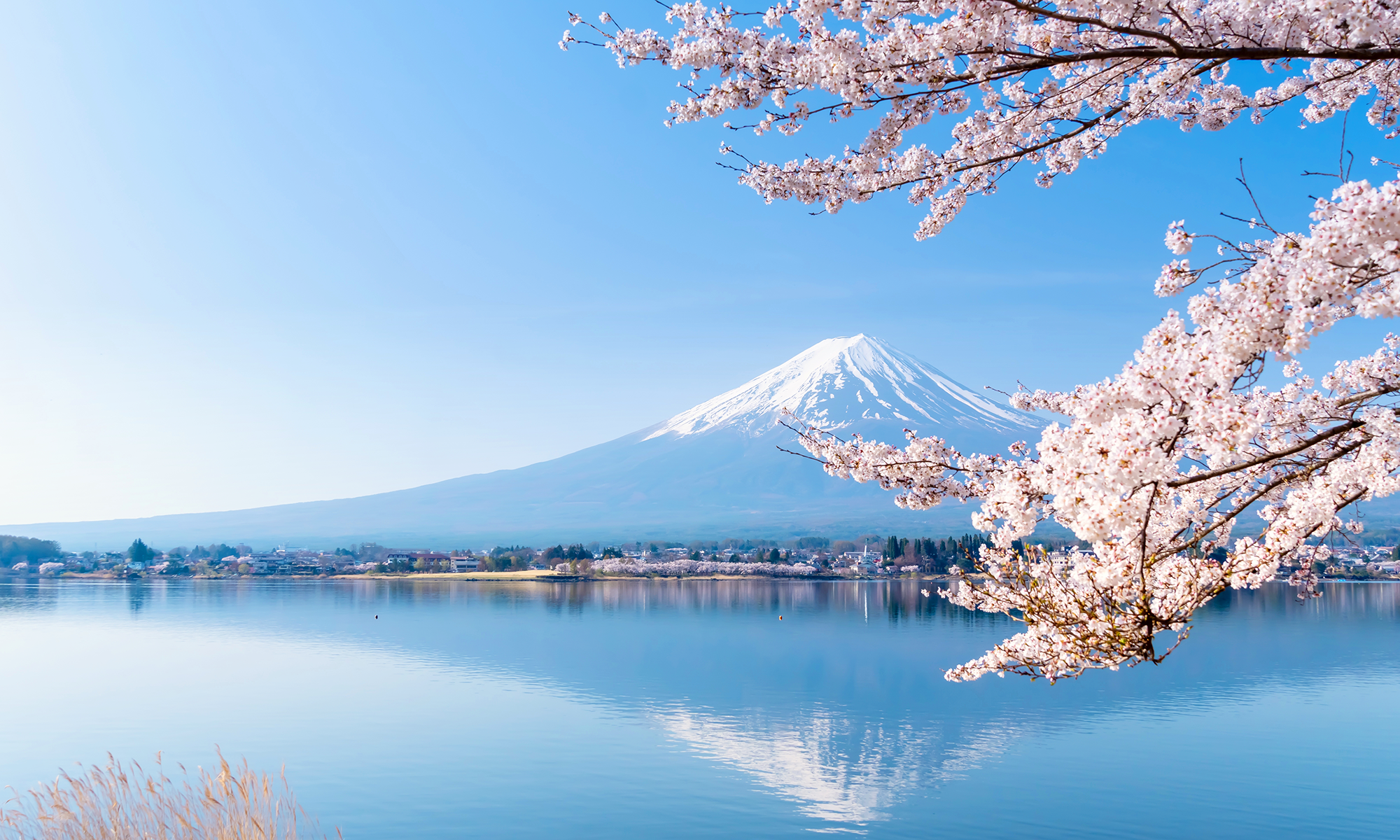
Springtime at Mount Fuji, Japan

When people ask about Japan weather, they are often surprised by how distinct and reliable the four seasons are. Unlike some tropical regions where weather remains constant, Japan undergoes a total transformation every three months.

The country’s geography plays a massive role in its climate. The central mountain range acts as a barrier, creating significant differences between the Sea of Japan side (which gets heavy snow in winter) and the Pacific Ocean side (which remains dryer and sunnier).

Generally, you can expect:

  • Four distinct seasons: Spring, Summer, Autumn, and Winter.
  • Regional diversity: Hokkaido in the north is significantly cooler than the rest of the country, while Okinawa in the far south feels like a tropical paradise year-round.
  • Specific weather events: Japan experiences a rainy season (Tsuyu) in early summer and a typhoon season that peaks in late summer and early autumn.

Japan’s Four Seasons Explained

To understand the best time to visit Japan, you first need to understand the characteristics of each season. Each brings its own set of activities, festivals, and natural beauty.

Spring (March–May)

Spring is arguably the most famous time for tourism. Temperatures typically range from 10°C to 20°C (50°F to 68°F). This is the period of renewal, where the air is fresh and the landscape begins to bloom.
  • Highlights: The world-renowned cherry blossom season occurs during this window.
  • Weather: Generally mild with low rainfall, though early March can still feel quite chilly.

Summer (June–August)

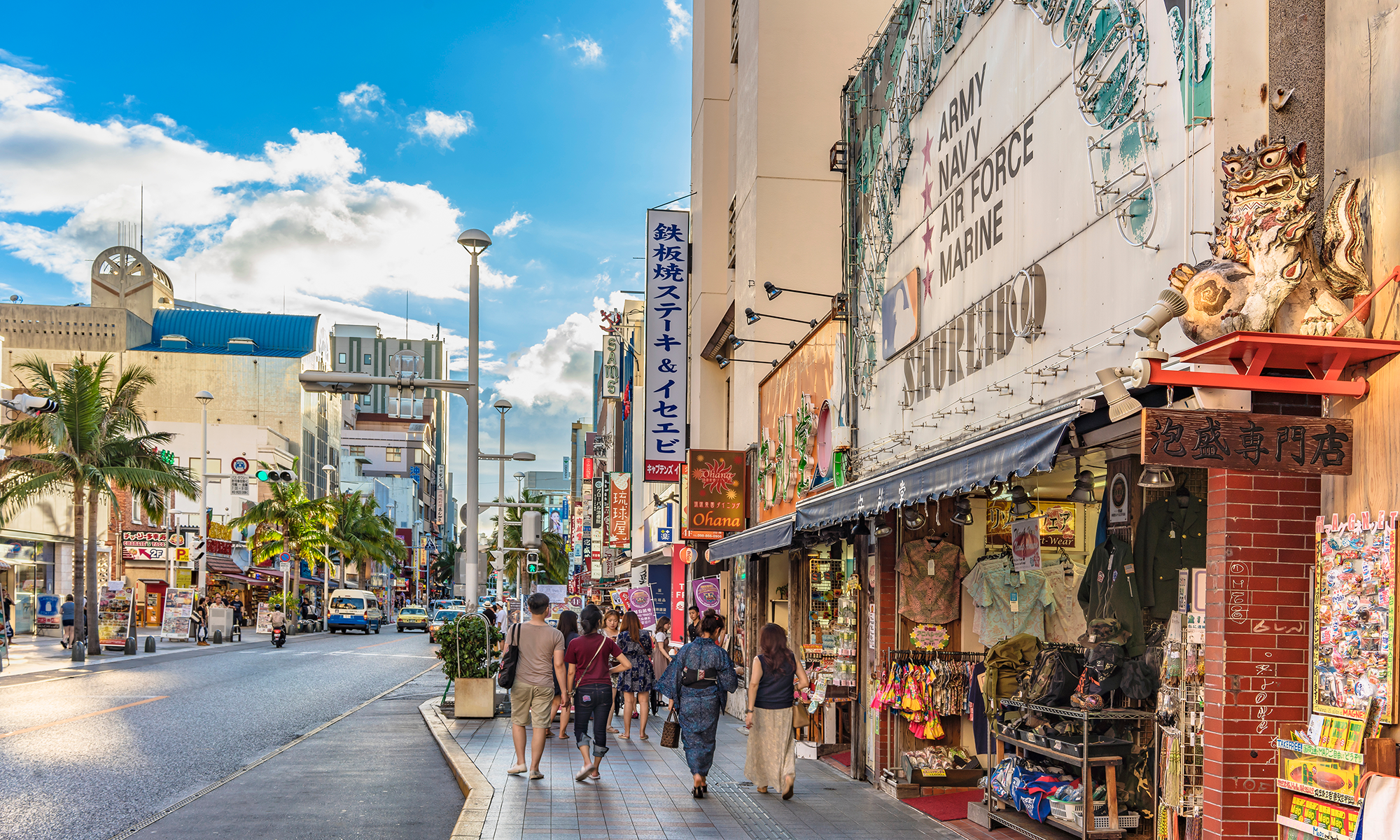
Summer in Okinawa, Japan

Summer in Japan is intense. Temperatures soar to 25°C–35°C (77°F–95°F), but it is the humidity that truly defines the season.

  • The Rainy Season: Most of Japan enters the Tsuyu (rainy season) from June to mid-July.
  • Peak Heat: July and August are the hottest months, characterized by cicadas buzzing and frequent matsuri (festivals) with spectacular fireworks.

Autumn (September–November)

Many seasoned travelers consider autumn to be the best season to visit Japan. The temperatures cool down to a comfortable range, similar to spring, but with even less humidity and clearer skies.

  • Autumn Leaves: The Koyo (autumn foliage) season turns the country into a sea of red, orange, and gold.
  • September Warning: While the weather starts to cool, Japan weather in September can still be quite hot, and it is the peak time for potential typhoons.

Winter (December–February)

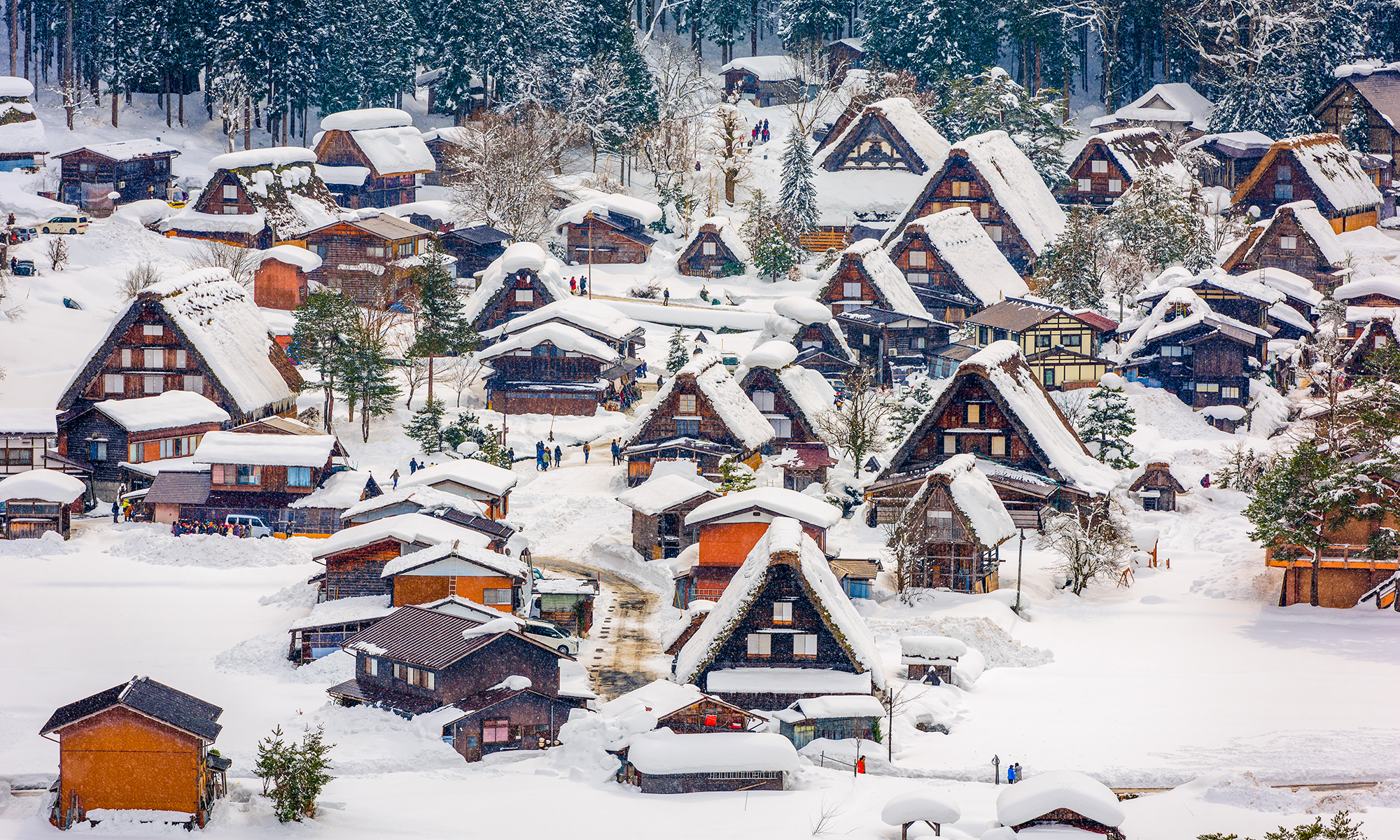
Winter is a season of contrasts. While Tokyo and Osaka stay around 0°C–10°C (32°F–50°F) with very little snow, the northern regions and the Japan Alps become a winter wonderland.
  • Highlights: World-class skiing in Hokkaido and cozying up in an outdoor onsen (hot spring).
  • Weather: Very dry and sunny on the Pacific side, with heavy, consistent snowfall on the Sea of Japan side.

Japan Weather by Month: A Quick Breakdown

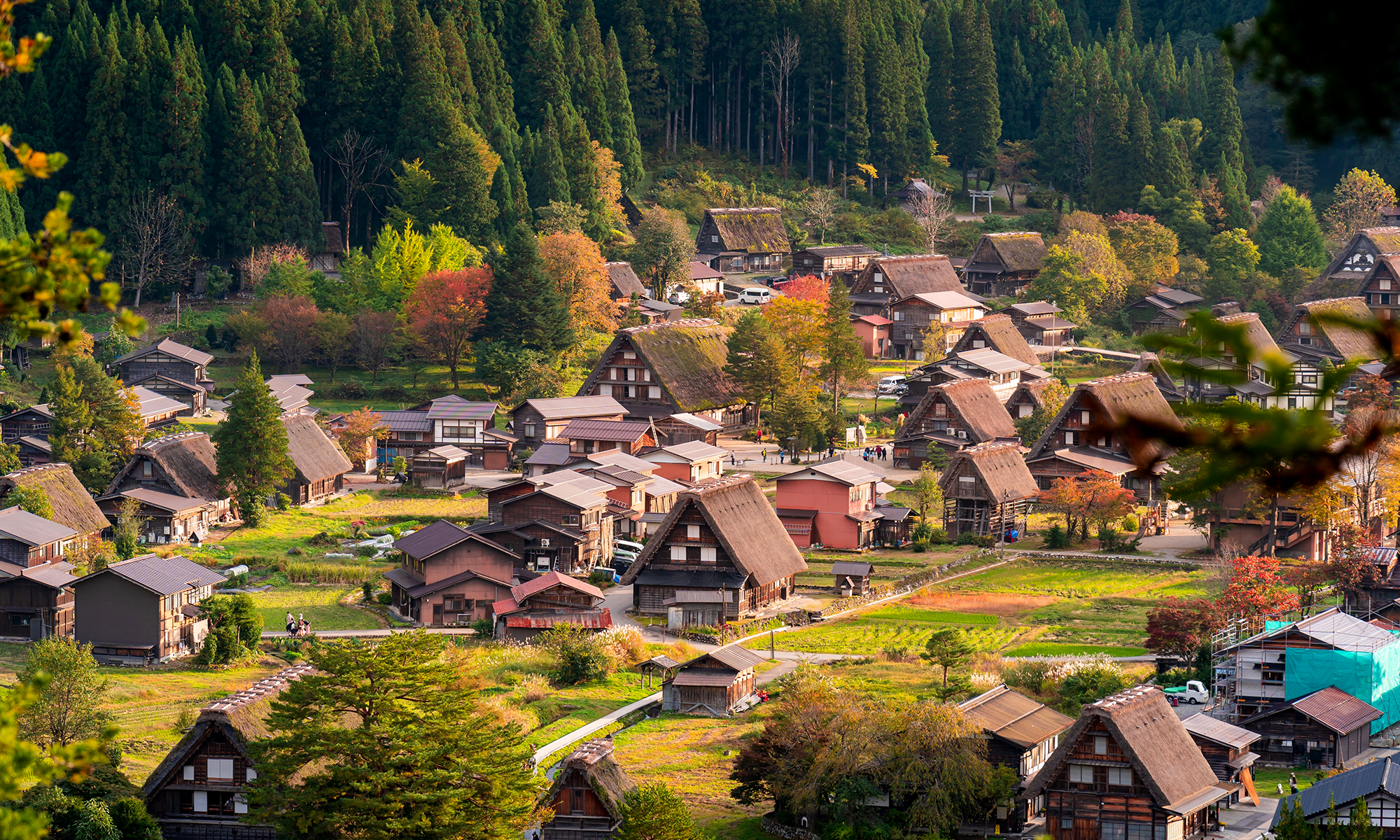
Autumn in the ancient village of Shirakawa Go, Japan.

To help you with your evergreen travel planning, here is a monthly snapshot of what to expect from the Japan weather.

Month General Climate Key Features
January Cold & Dry Snow in the north, clear blue skies in Tokyo.
February Still Cold Peak of the ski season; plum blossoms begin to appear.
March Transitioning Early cherry blossoms in the south; air turns milder.
April Mild & Popular Peak cherry blossom season guide period; very comfortable.
May Comfortable Greenery is lush; perfect for outdoor hiking.
June Rainy Season High humidity and frequent rain (except in Hokkaido).
July Hot & Humid Festivals begin; Mount Fuji opens for climbing.
August Peak Heat Very hot; fireworks displays; Obon holidays.
September Transition Warm temperatures; potential for typhoons.
October Pleasant & Clear Low humidity; perfect for sightseeing.
November Cool Peak autumn leaves season in central Japan.
December Cold & Festive Winter illuminations; crisp, cold air.

Regional Weather Differences in Japan

The Japan weather you experience will depend heavily on where you land. You cannot pack for Tokyo and expect it to suit Sapporo.

Hokkaido

Hokkaido is the northernmost island and has a subarctic climate.

  • Winter: Long and harsh, with temperatures often staying below freezing for months. It offers the best powder snow in the world.
  • Summer: Delightfully cool and low in humidity. While the rest of Japan is sweltering in August, Hokkaido feels like a fresh spring day.

Tokyo & Central Japan

This region, including Kanto and Chubu, has four very distinct seasons.

  • Summer: Extremely hot and humid due to the urban heat island effect.
  • Winter: Cold but very sunny. It rarely snows in the city centers of Tokyo or Yokohama.

Kyoto & Osaka

Kyoto is located in a basin, which means the Japan weather there is more extreme.

  • Summer: Hotter and more humid than Tokyo because the mountains trap the air.
  • Winter: Piercingly cold despite the lack of heavy snow.

Okinawa

Okinawa is subtropical.

  • Year-round: It never gets truly cold here. Even in January, temperatures stay around 15°C–20°C.
  • Summer: Very long, with a high risk of typhoons in August and September.

Rainy Season and Typhoon Season in Japan

Two major weather phenomena often worry travelers: Tsuyu and typhoons.

  • Tsuyu (Rainy Season): This usually lasts from early June to mid-July. It does not necessarily mean it rains 24/7, but the sky is often overcast, and the humidity starts to climb. It is actually a beautiful time to visit gardens as the hydrangeas (ajisai) are in full bloom.
  • Typhoon Season: The peak is between August and September. Japan’s weather in September can be unpredictable. While most typhoons bring just heavy rain and wind for a day or two, they can occasionally cause flight or train cancellations. Modern Japanese infrastructure is very well-prepared for these events.

Hottest and Coldest Months in Japan

If you are sensitive to temperature extremes, keep these months in mind:
  • Hottest: August is consistently the hottest month. In cities like Tokyo, Kyoto, and Nagoya, the “feels like” temperature can exceed 40°C (104°F) due to humidity.
  • Coldest: January is the peak of winter. This is when you will see the lowest temperatures across the country and the most significant snow accumulation in the mountains.

Best Time to Visit Japan Based on Weather

Winter scenery in the ancient village of Shirakawa Go, Japan

The best time to visit Japan depends entirely on your “must-see” list.

  • For Cherry Blossoms: Aim for late March to mid-April. This is the most popular time, so book at least 6 months in advance.
  • For Autumn Leaves: November is the sweet spot for central Japan (Tokyo/Kyoto). The colors are vibrant, and the air is dry.
  • For Snow Lovers: January and February offer the best conditions for skiing in Niseko or Hakuba and for seeing the famous snow monsters in Zao.
  • For Fewer Crowds: Consider late May (after Golden Week) or early December. The weather is still pleasant, but the tourist numbers are lower.

What to Pack for Each Season

Your suitcase should reflect the Japan weather of your chosen season:

  • Spring: Think in layers. A light jacket or trench coat is perfect for the cool mornings and warm afternoons.
  • Summer: Breathable, moisture-wicking fabrics are essential. Bring a small towel (tenugui) to wipe away sweat, as the locals do.
  • Autumn: A medium-weight jacket or a stylish sweater. The weather is stable, but evenings can be brisk.
  • Winter: A heavy down coat, gloves, and a scarf. If you are heading to Hokkaido, make sure your boots have good grip for the ice.

Quick Summary: When Should You Visit Japan?

Season Avg. Temperature Rainfall Best For
Spring 12°C – 20°C Moderate Cherry blossoms, festivals
Summer 26°C – 35°C High Beaches, fireworks, hiking
Autumn 15°C – 23°C Low Fall colors, comfortable walking
Winter 2°C – 10°C Very Low Skiing, onsen, no crowds

FAQs About Weather in Japan

Is Japan hot all year?

No. Japan has four distinct seasons. Only Okinawa remains warm/mild throughout the year. The rest of the country experiences cold winters.

When is typhoon season?

Typhoons can occur from May to October, but the peak is in August and September. Japan weather in September is the time when you should most closely monitor weather reports.

Does it snow in Tokyo?

It rarely snows in central Tokyo. If it does, it usually melts within a day. For guaranteed snow, you must travel north to Tohoku or Hokkaido, or to the Japan Alps.

Is June a bad time to visit Japan?

Not at all! While it is the rainy season, the rain is often intermittent. Prices are lower, and the greenery is incredibly vibrant. It is a “hidden gem” time for budget travelers.
Share 

You might be interested

Japan Culture Guide: Unspoken Rules Every Tourist Should Know Before Visiting Japan
Top 10 Unique and Meaningful Japanese Souvenirs
The Grand Torii Gate of Itsukushima: Unveiling the Secrets of Miyajima’s Floating Icon

Get the latest news updates from Nicetrips

Related articles

Discover the top 10 most unique and meaningful souvenirs from Japan! From delicate local treats to traditional crafts, this shopping guide is a must-have for your unforgettable journey.
Discover The Grand Torii Gate of Itsukushima, Japan’s iconic floating gate. Learn its history, torii symbolism, Shinto beliefs, and how to plan your perfect visit.
Discover the best eSIM for Japan in 2026. Compare speed, pricing, and 2-week data plans, plus learn how to conveniently top up Suica using Wise.