Ho Chi Minh City, formerly known as Saigon, is Vetnam’s largest and most dynamic city, where historic landmarks, modern skyscrapers, lively markets, and vibrant street life come together. From French colonial architecture and war history to local food and bustling nightlife, the city offers a diverse range of experiences for every traveler. Whether you are looking for the best Ho Chi Minh attractions, wondering about Saigon what to do, or planning Cu Chi Tunnel tours, this guide covers the top places to visit, things to experience, the best time to travel, and practical tips for exploring the city.
About Ho Chi Minh City
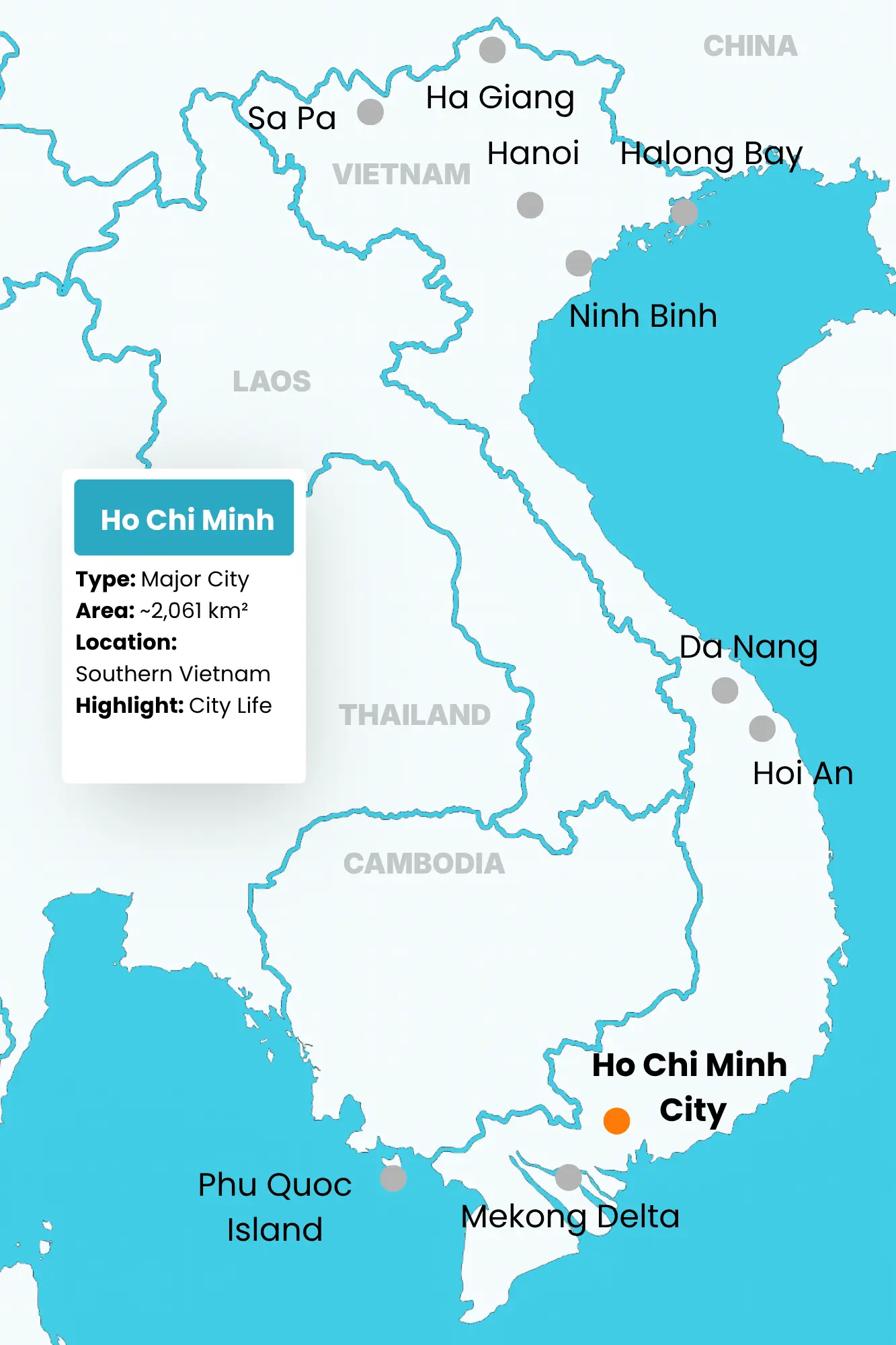
Located in southern Vietnam, Ho Chi Minh City is the country’s major economic and commercial center. The city is divided into multiple districts, with District 1 forming the main tourist area and home to many of its most famous landmarks.
Saigon is known for its energetic atmosphere, diverse cuisine, historic buildings, museums, markets, cafés, and rapidly developing skyline. The combination of old and new gives the city a distinctive character that makes it one of Vietnam’s most popular destinations.
Ho Chi Minh City at a Glance
- Location: Southern Vietnam
- Known as: Ho Chi Minh City or Saigon
- Main tourist area: District 1
- Landscape: Urban center, rivers, canals, and surrounding countryside
- Known for: Historic landmarks, museums, street food, markets, nightlife, and modern architecture
- Popular experiences: Sightseeing, food tours, shopping, museums, cafés, nightlife, and day trips
- Nearby destinations: Cu Chi Tunnels, Mekong Delta, Tay Ninh
- Best for: First-time visitors, food lovers, history enthusiasts, families, and city breaks
Geography of Ho Chi Minh City
Ho Chi Minh City is located in southern Vietnam, near the Saigon River and the Mekong Delta region. Its geography combines a densely developed urban center with rivers, canals, and low-lying suburban areas.
- Location: Southern Vietnam, approximately 1,700 km south of Hanoi.
- Area: Around 2,095 km², making it one of Vietnam’s largest urban areas by land area.
- Saigon River: The river runs through the city and has historically supported transportation, trade, and economic development.
- Urban landscape: The city features a mix of historic neighborhoods, modern commercial districts, residential areas, and rapidly developing suburbs.
- Central districts: District 1 and surrounding areas contain many major attractions, restaurants, shopping streets, and entertainment venues.
- Nearby countryside: The city provides convenient access to the Cu Chi countryside and the Mekong Delta, making it a useful base for day trips.
History of Ho Chi Minh City
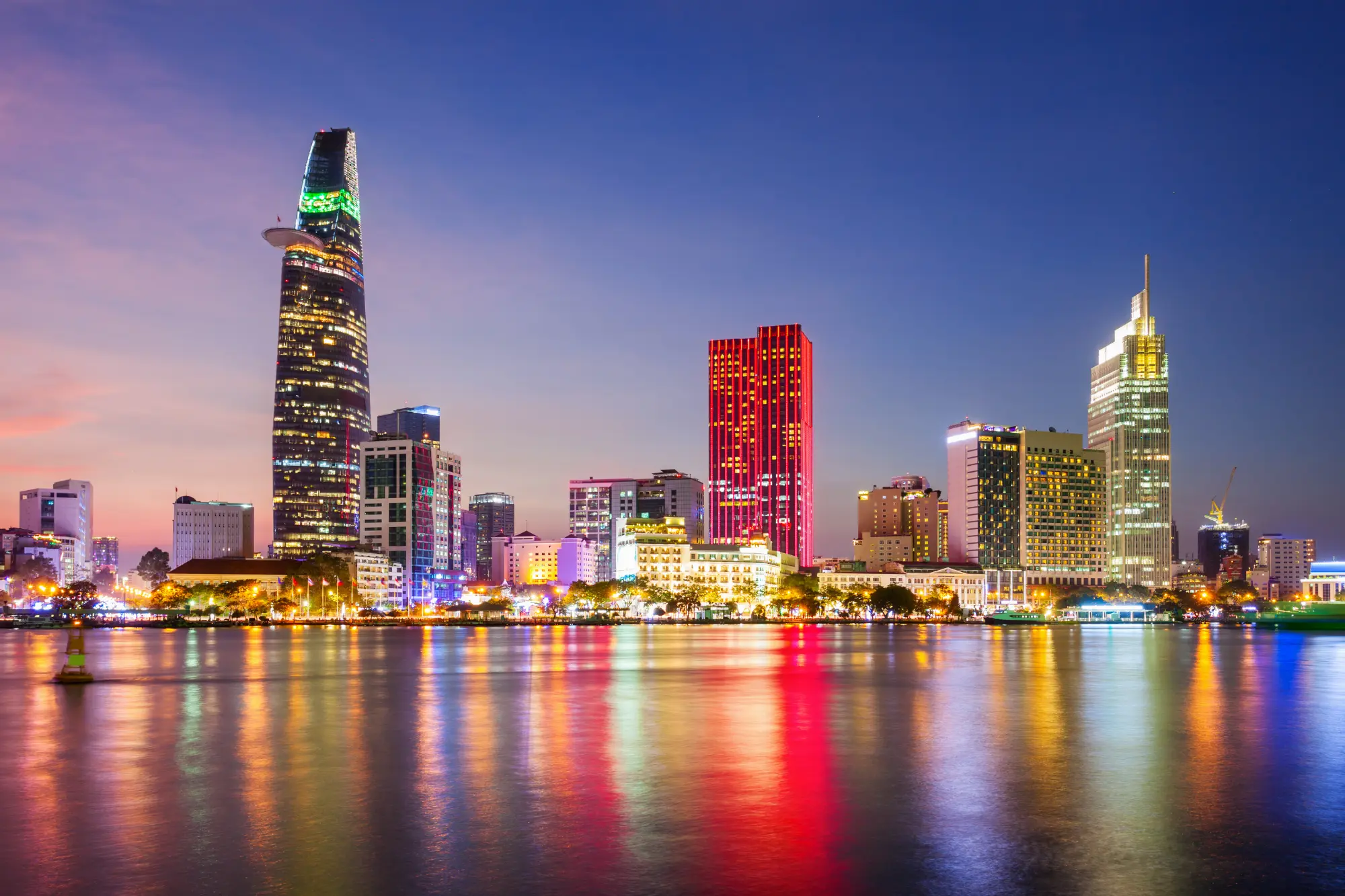
Ho Chi Minh City has a complex history shaped by Vietnamese settlement, regional trade, French colonialism, and the Vietnam War. Its historical layers can still be seen throughout the city’s architecture, museums, monuments, and cultural sites.
- Early settlement: The area was historically connected with the Khmer region before Vietnamese settlement expanded southward.
- Saigon develops: Saigon grew into an important settlement and commercial center during the expansion of Vietnamese rule in southern Vietnam.
- French colonial period: The French captured Saigon in 1859 and developed it as a major colonial administrative and commercial center.
- Colonial legacy: Many landmarks, boulevards, churches, and public buildings from this period remain part of the cityscape.
- Vietnam War: Saigon served as the capital of South Vietnam and became a major political and military center during the war.
- Reunification: In 1975, Saigon came under the control of the Provisional Revolutionary Government. In 1976, the city was officially renamed Ho Chi Minh City.
Best Ho Chi Minh Attractions & Things to Do
1. Visit the War Remnants Museum
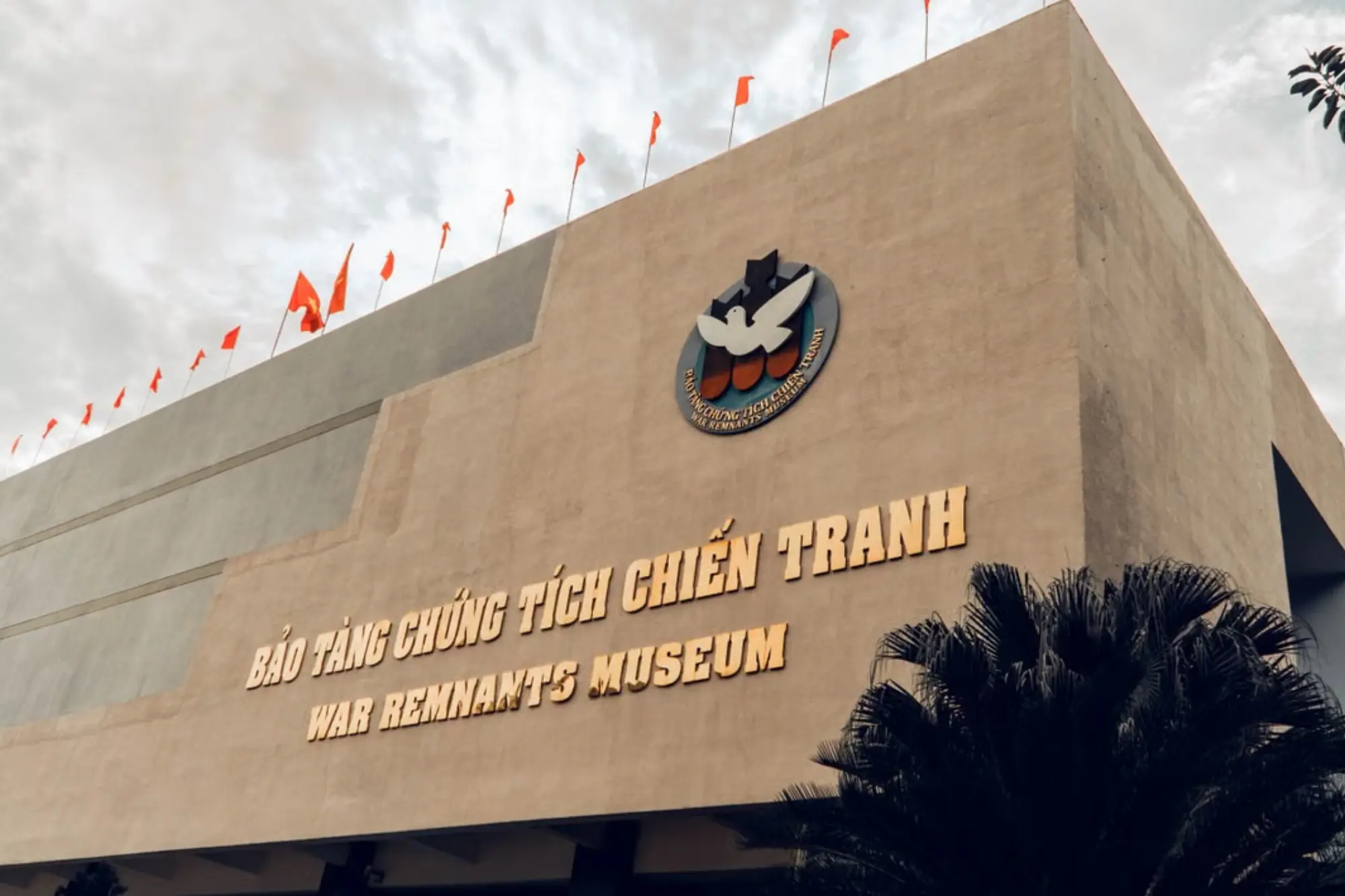
The War Remnants Museum is one of the most important historical attractions in Ho Chi Minh City. Its exhibitions document the Vietnam War and its consequences through photographs, artifacts, military equipment, and historical materials.
- Location: District 3
- Best for: History and cultural sightseeing
- Suggested time: 1-2 hours
- Cost: Around VND 40,000/person
2. Explore the Independence Palace
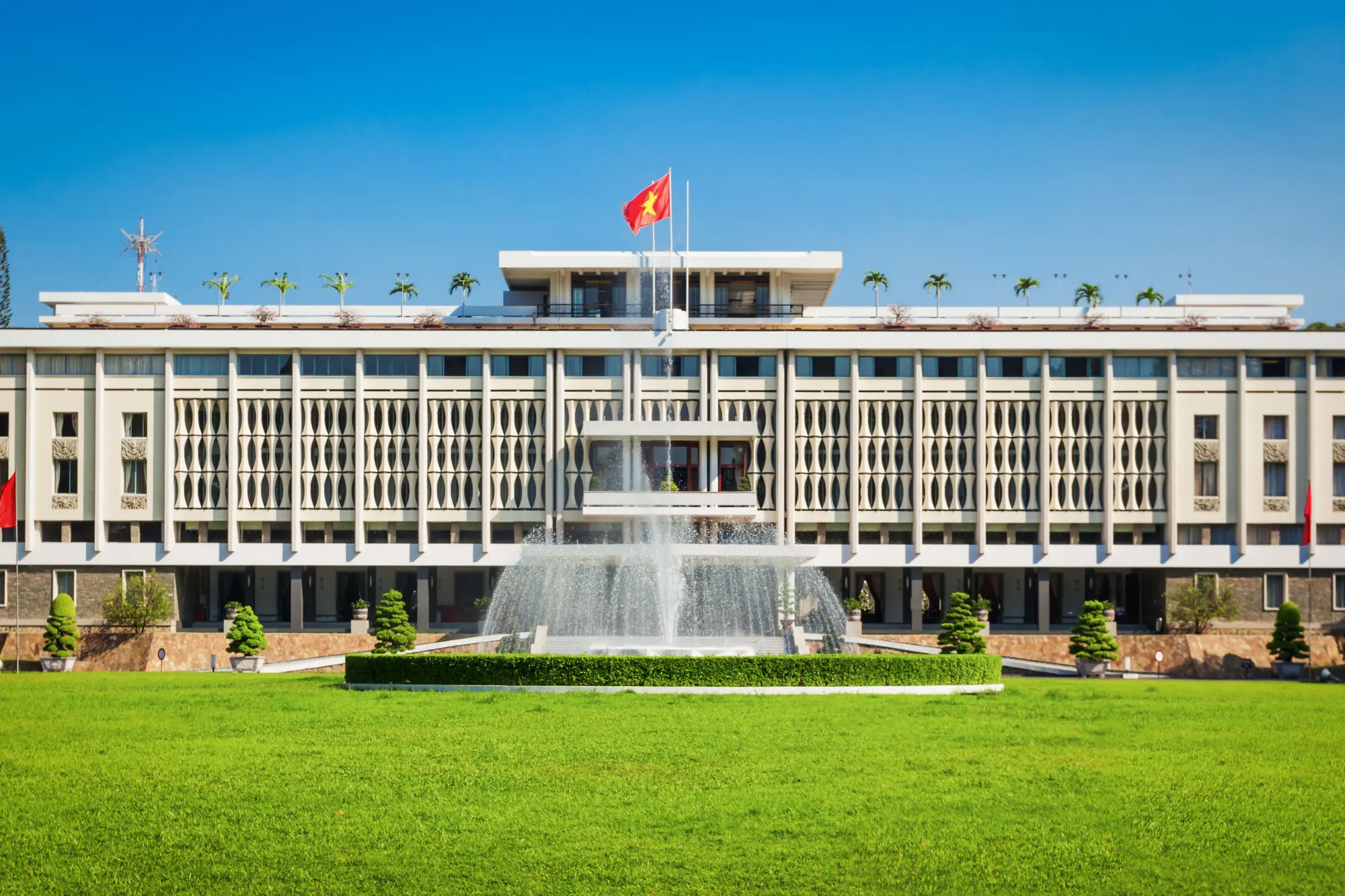
The Independence Palace, also known as Reunification Palace, is one of the city’s most significant historical landmarks. Visitors can explore its grand reception rooms, offices, underground areas, and preserved interiors
- Location: District 1
- Best for: History and architecture
- Suggested time: 1-1.5 hours
- Cost: Around VND 40,000/person
3. See Notre-Dame Cathedral Basilica of Saigon
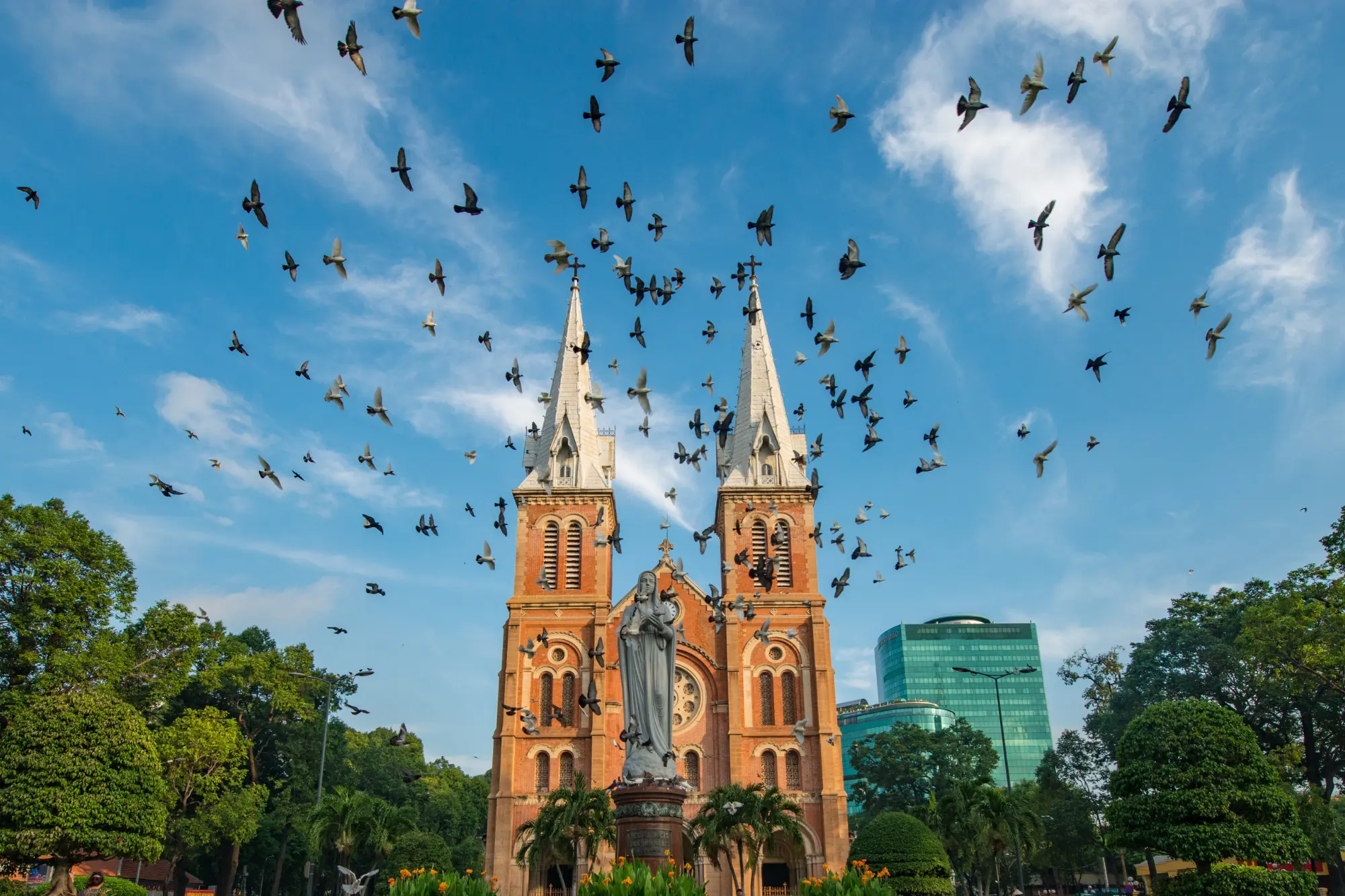
Located in the heart of District 1, Notre-Dame Cathedral Basilica of Saigon is one of the city’s best-known examples of French colonial architecture.
- Location: District 1
- Best for: Architecture and photography
- Suggested time: 20-30 minutes
- Cost: Free for exterior sightseeing
4. Visit the Saigon Central Post Office
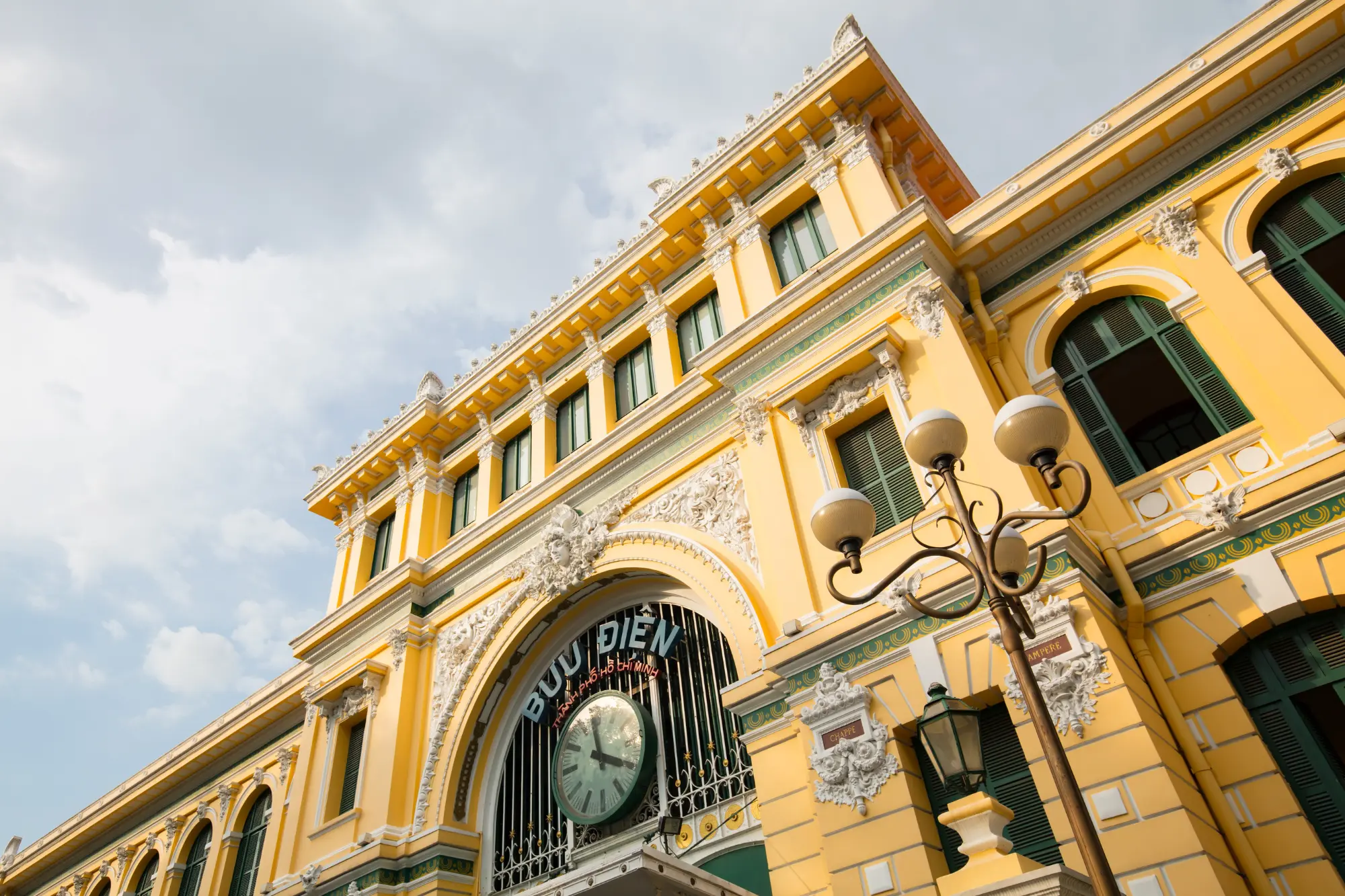
Standing beside Notre-Dame Cathedral, the Saigon Central Post Office is another iconic colonial-era landmark and a popular stop during sightseeing in Saigon.
- Location: District 1
- Best for: Architecture, photography, and short visits
- Suggested time: 20-30 minutes
- Cost: Free to enter
5. Explore Ben Thanh Market
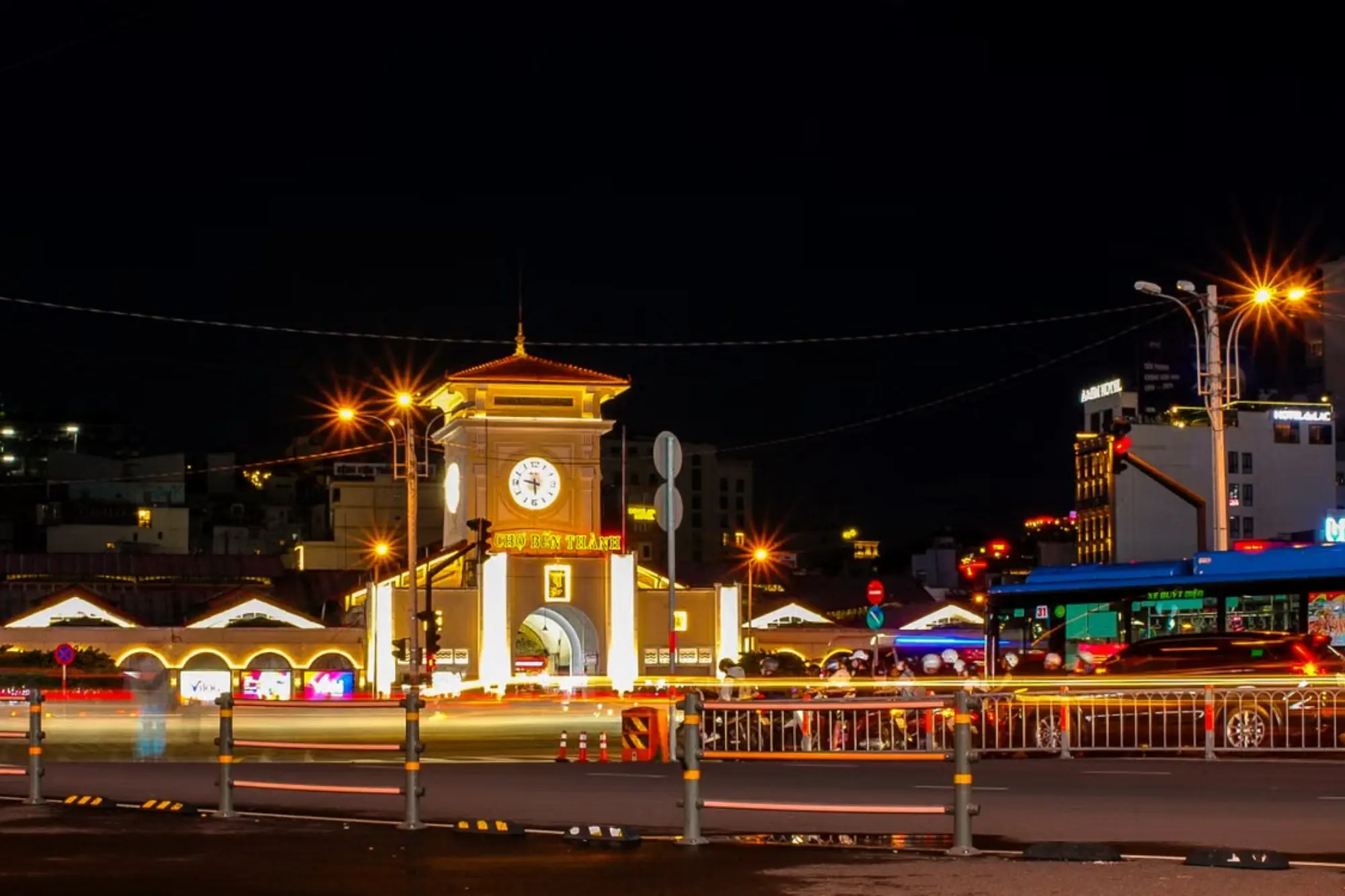
Ben Thanh Market is one of the city’s most recognizable markets, offering clothing, souvenirs, handicrafts, fresh produce, and a wide range of Vietnamese food.
- Location: District 1
- Best for: Shopping, food, and local atmosphere
- Suggested time: 1-2 hours
- Cost: Free to enter; shopping and food are extra
6. Experience Saigon Street Food
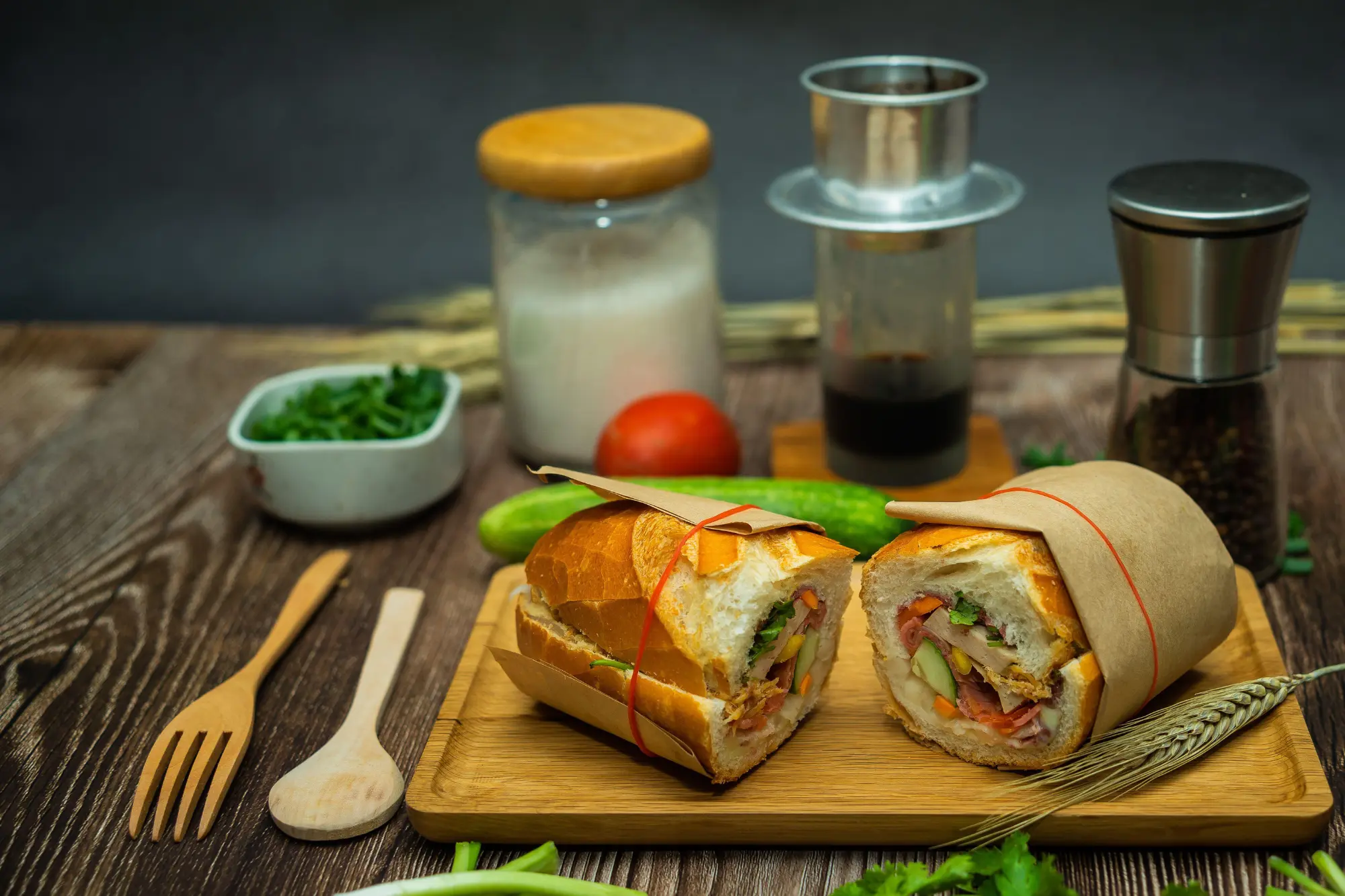
Trying local food is one of the best things to do in Saigon. From Banh Mi and Com Tam to Pho and Vietnamese coffee, the city offers countless opportunities to explore local flavors.
- Best for: Food lovers
- Suggested time: 2-3 hours
- Cost: Around VND 25,000–200,000/person for a casual food experience
7. Take a Saigon River Cruise
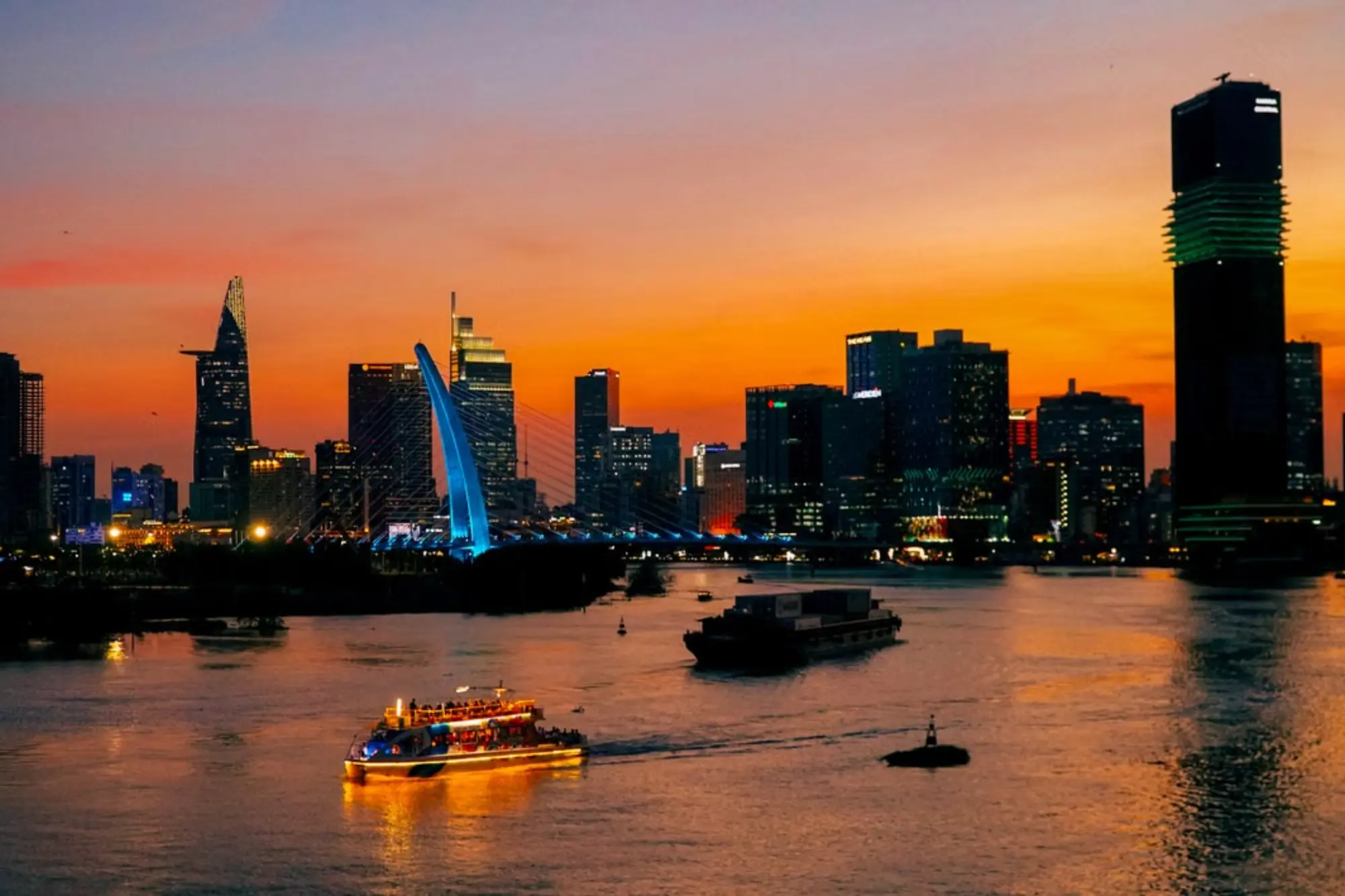
A cruise along the Saigon River offers a different perspective of the city’s skyline and waterfront, particularly after sunset.
- Best time: Late afternoon or evening
- Experience: River views, skyline, photography
- Ideal for: Couples and families
- Cost: Around VND 300,000–1,000,000/person, depending on the cruise
8. Discover Cho Lon & Binh Tay Market
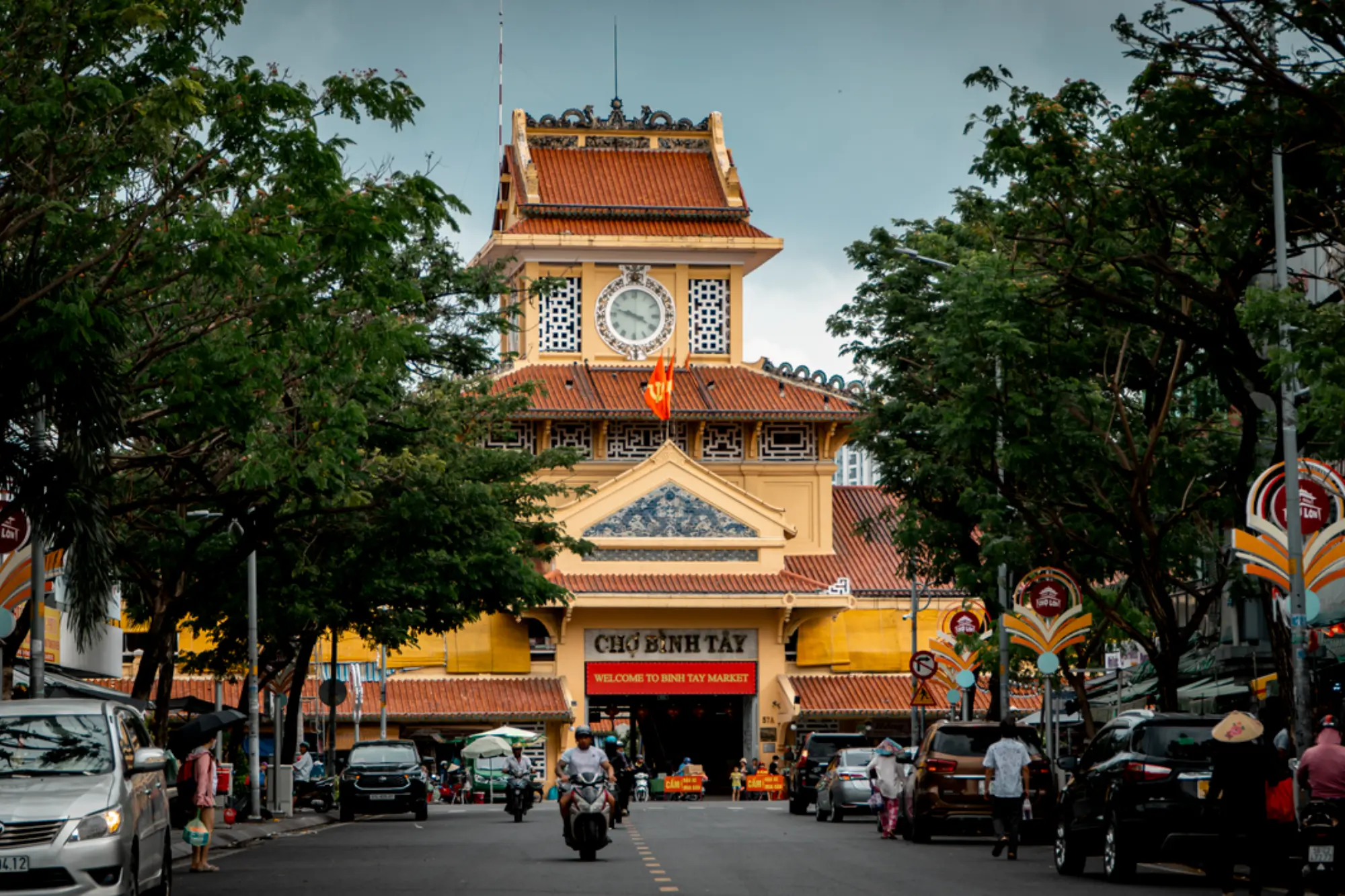
Cho Lon is Ho Chi Minh City’s historic Chinatown, known for Chinese cultural influences, traditional temples, old streets, and local markets.
- Location: District 5
- Best for: Culture, markets, architecture, and food
- Suggested time: Half day
- Cost: Free to explore; individual attractions may charge entrance fees
9. Explore Nguyen Hue Walking Street
Nguyen Hue Walking Street is a popular public space in central Ho Chi Minh City, surrounded by modern buildings, cafés, restaurants, and historic architecture.
- Location: District 1
- Best time: Evening
- Experience: City views, cafés, photography, people-watching
- Cost: Free
10. Take Cu Chi Tunnel Tours
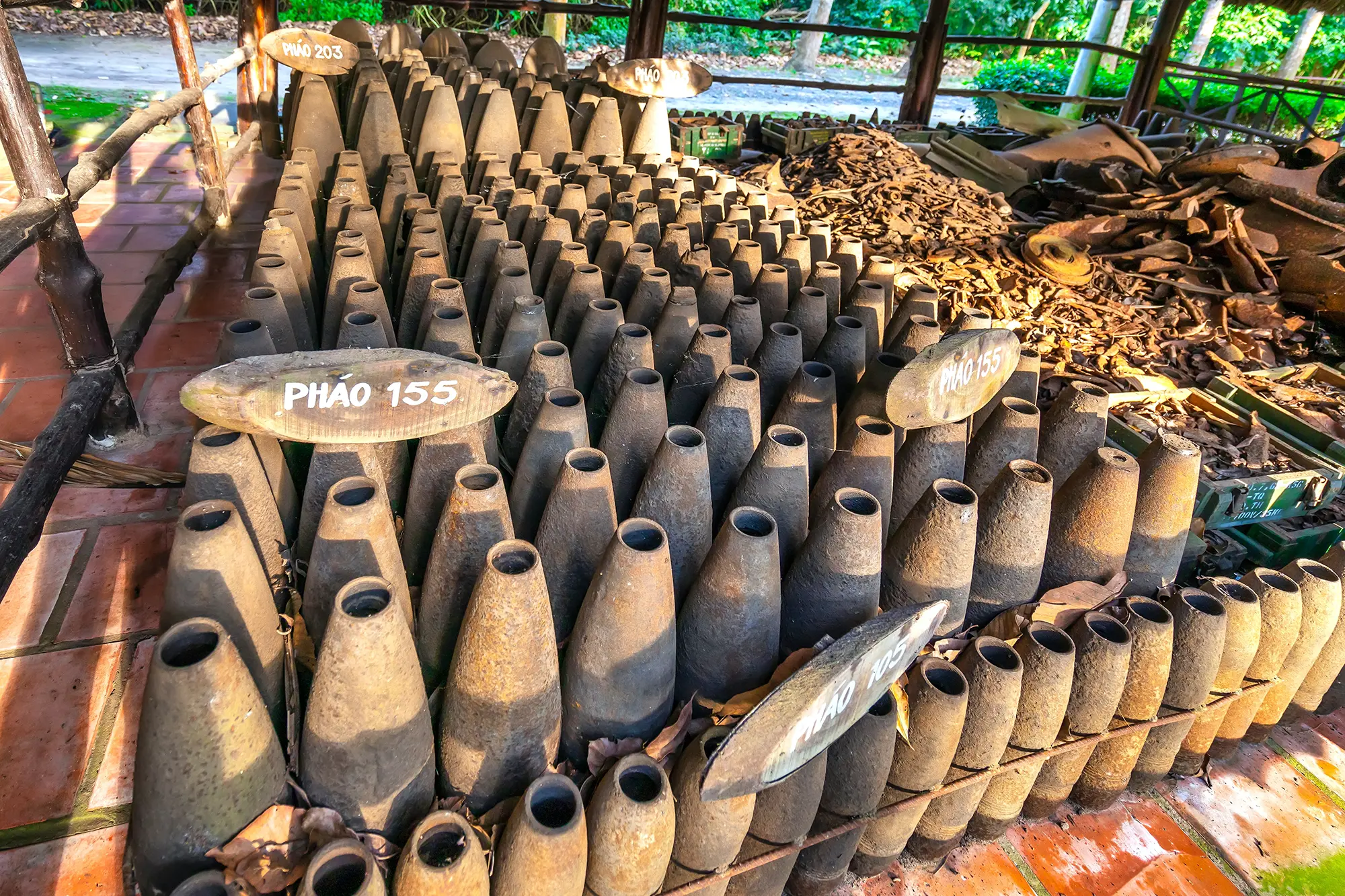
Cu Chi Tunnel tours are among the most popular day trips from Ho Chi Minh City. Visitors can learn about the tunnel network and its historical significance during the Vietnam War.
- Distance: Around 70 km from central Ho Chi Minh City
- Best for: History and cultural experiences
- Suggested time: Half day
- Cost: Around VND 500,000-1,500,000/person, depending on the tour type and inclusions
Culture, Nightlife & Local Life
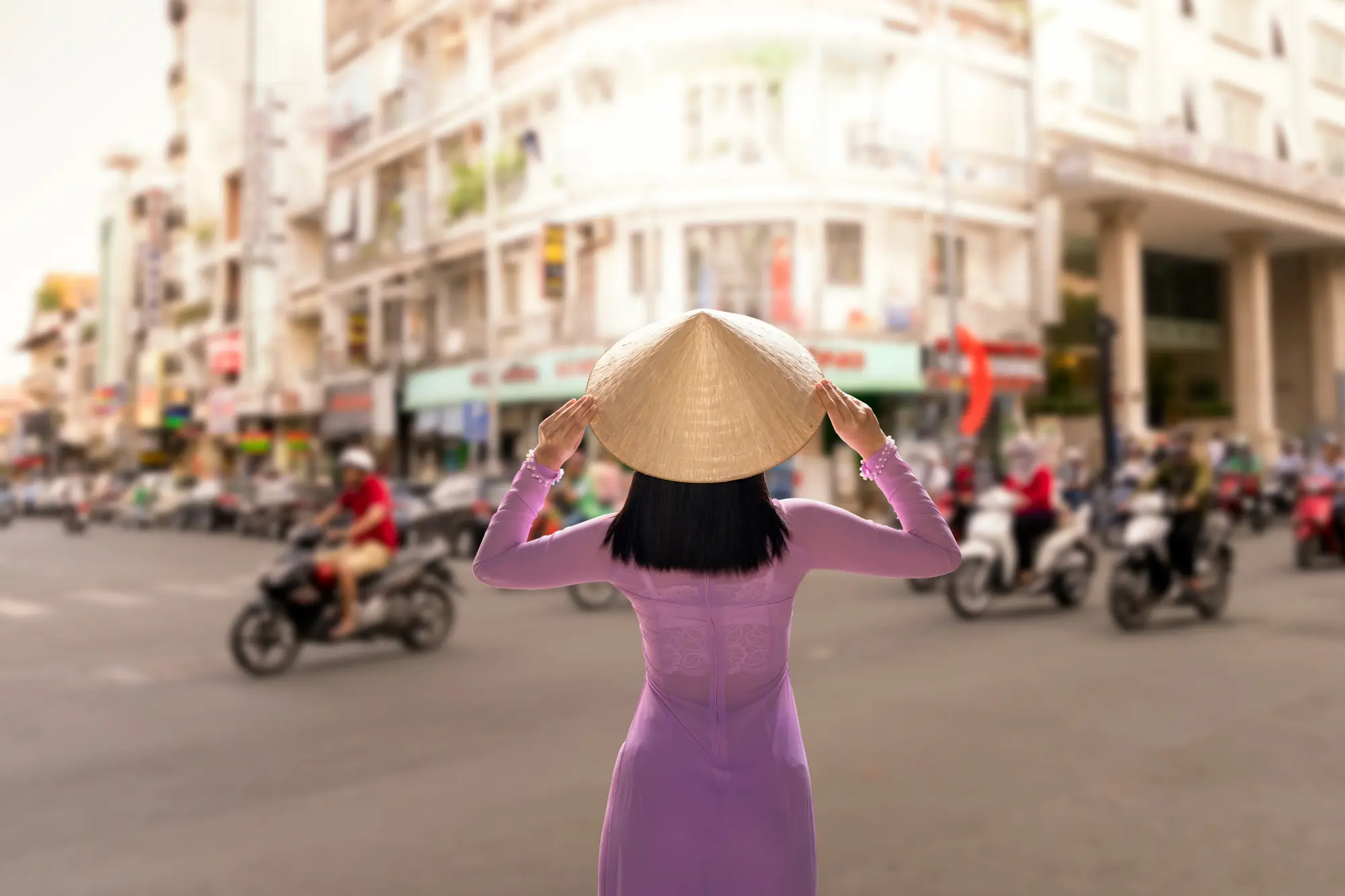
Ho Chi Minh City has a dynamic culture shaped by its history, diverse communities, and fast-paced urban lifestyle. The city combines French colonial architecture, traditional temples and pagodas, historic markets, and modern buildings, creating a distinctive mix of old and new. Areas such as District 1 and Cho Lon offer different perspectives on the city’s cultural heritage, while museums and historic landmarks provide insight into its past.
Cultural Experiences
Food is an important part of daily life in Ho Chi Minh City. From bustling street food stalls and traditional markets to family-run restaurants and local coffee shops, eating is often a social and cultural experience. Visitors can try local specialties such as banh mi, com tam, pho, and hu tieu while exploring different neighborhoods.
Vietnamese coffee culture is another essential part of local life. Small cafés can be found throughout the city, where locals often meet, work, chat, or simply take a break during the day.
Nightlife in Saigon
After sunset, Saigon becomes even more energetic. Travelers can enjoy rooftop views, riverside walks, live music, night markets, and lively streets. Nguyen Hue Walking Street is popular for evening strolls, while Bui Vien Street is known for its bustling atmosphere and entertainment.
Experience Local Life
For a more authentic experience, explore beyond the main tourist attractions. Visit a local market in the morning, enjoy coffee at a neighborhood café, sample street food, or take an evening walk through the busy streets. These simple experiences reveal the everyday rhythm and vibrant character of Saigon.
Best Time to Visit Ho Chi Minh City
Ho Chi Minh City has a tropical climate with two main seasons: a dry season from December to April and a rainy season from May to November. Temperatures remain warm throughout the year, so the main difference for travelers is rainfall rather than significant changes in temperature.
| Period | Weather | Best for |
| Dec–Feb | Warm, relatively dry | Best overall: sightseeing & city exploration |
| Mar–Apr | Hot and dry | City sightseeing, museums, food tours |
| May–Aug | Hot, humid, frequent showers | Indoor attractions, food & flexible trips |
| Sep–Nov | Warm, wetter | Museums, markets & flexible itineraries |
When Is the Best Time to Visit Ho Chi Minh City?
December to February is the best overall time to visit Ho Chi Minh City, with warm temperatures and generally drier conditions that are comfortable for sightseeing and outdoor activities.
March and April are also suitable for travelers who do not mind hotter weather. During the rainy season, showers are often brief, so travelers can still enjoy the city by planning outdoor sightseeing during drier periods of the day.
Saigon Food: What to Try?
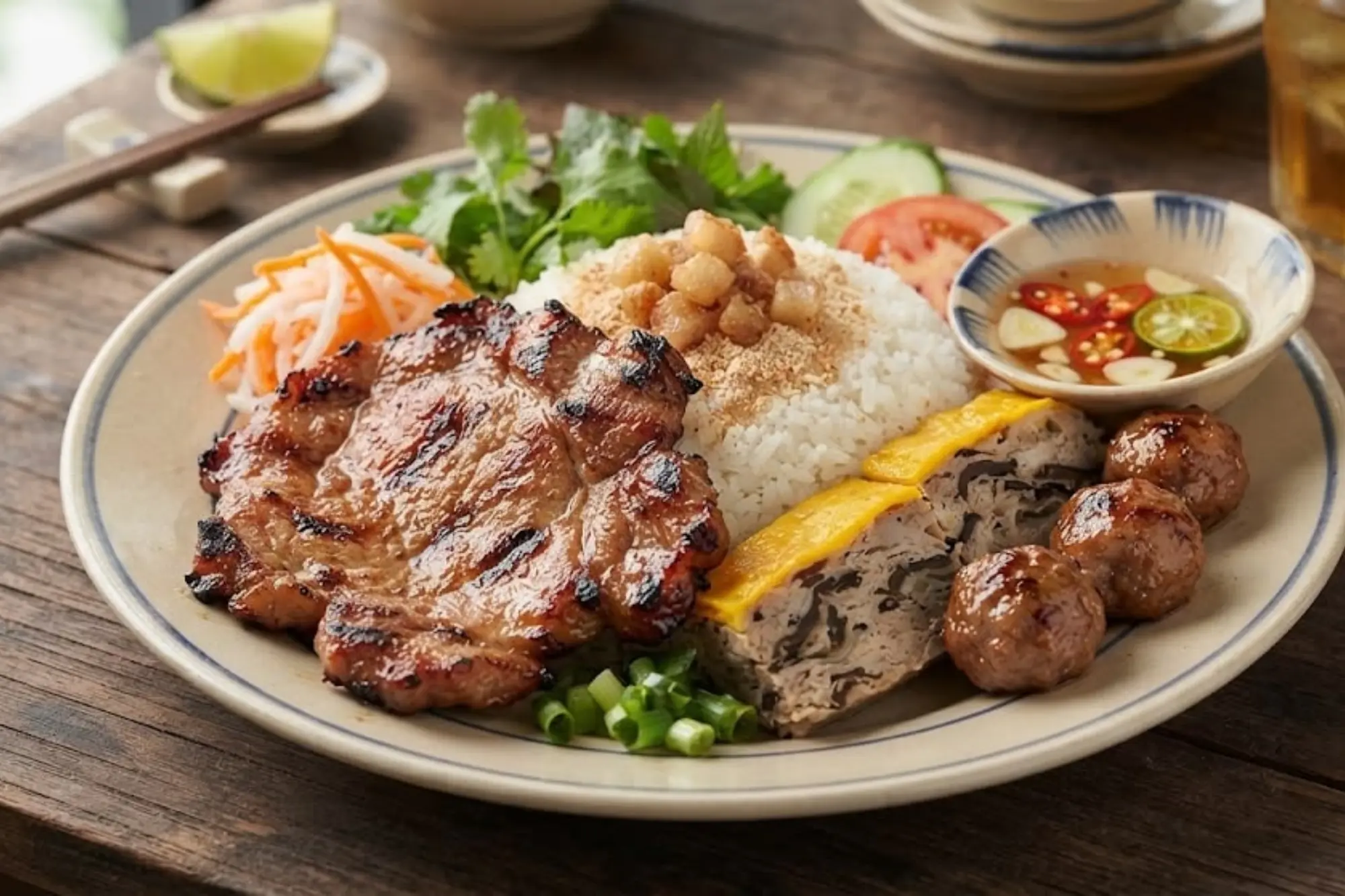
Food is an essential part of the Saigon what to do experience, with everything from street food and local markets to traditional restaurants and modern cafés. Make time to try some of these iconic dishes while exploring the city.
- Banh Mi: A crispy Vietnamese baguette filled with meat, pâté, pickled vegetables, herbs, and savory sauces.
- Com Tam: Broken rice served with grilled pork, shredded pork skin, pickles, and fish sauce—a classic Saigon specialty.
- Pho: Vietnam’s famous noodle soup, typically served with beef or chicken, fresh herbs, and aromatic broth.
- Banh Xeo: A crispy Vietnamese savory pancake filled with pork, shrimp, and bean sprouts, usually served with herbs and dipping sauce.
- Hu Tieu: A Southern Vietnamese noodle soup with a light, flavorful broth, often served with pork, shrimp, seafood, and fresh herbs.
- Bo La Lot: Seasoned beef wrapped in betel leaves and grilled, offering a smoky and aromatic flavor.
- Vietnamese Iced Coffee: Strong coffee served over ice and often sweetened with condensed milk, perfect for a refreshing break while sightseeing.
Cost of Traveling to Ho Chi Minh City
Ho Chi Minh City is relatively affordable compared with many major cities in Asia, with a wide range of options for accommodation, food, transportation, and sightseeing. Your daily budget can vary depending on your travel style and the type of experiences you choose.
| Expense | Budget option | Mid-range option |
| Accommodation | $15-30/night | $40-80/night |
| Meals | $2-5/meal | $6-15/meal |
| Local transportation | $2-5/day | $5-15/day |
| Attractions | $5-15/day | $15-30/day |
| Cu Chi Tunnel tour | $15-30/person | $30-60/person |
| Estimated daily budget | $30-50/person | $60-120/person |
Fun Facts About Ho Chi Minh City
- Saigon or Ho Chi Minh City? The city was officially renamed Ho Chi Minh City in 1976, but “Saigon” remains widely used, especially when referring to the central area.
- City of scooters: Motorbikes are one of the most common ways to get around, creating the lively traffic scenes Saigon is famous for.
- A city of coffee: Coffee culture is deeply rooted in local life, from traditional Vietnamese iced coffee to modern cafés found throughout the city.
- Two names, one destination: Many streets, businesses, and travel services still use “Saigon,” making both names familiar to visitors.
- A city of contrasts: Historic French colonial buildings, traditional markets, and modern skyscrapers stand side by side across the city.
- Cu Chi’s underground network: The Cu Chi Tunnels form an extensive underground network that became an important part of the area’s wartime history.
Travel Tips for Ho Chi Minh City
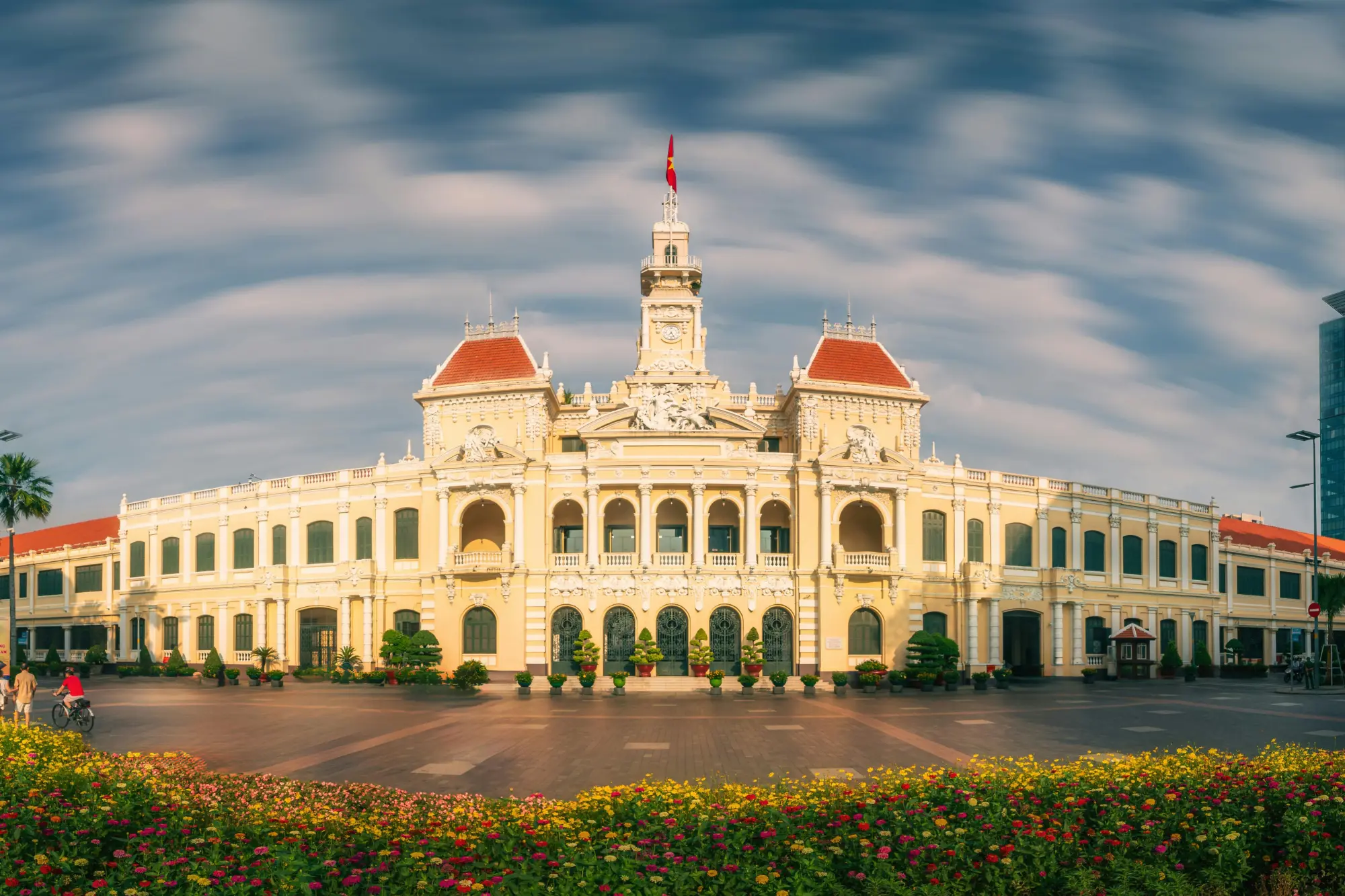
A few practical tips can make exploring Ho Chi Minh City easier and more comfortable. Plan your sightseeing by area, allow extra time for traffic, and balance outdoor attractions with indoor stops during the hottest parts of the day.
- Stay centrally: District 1 is convenient for many major attractions and restaurants.
- Start early: Morning is cooler and generally more comfortable for sightseeing.
- Plan by area: Group nearby attractions together to reduce travel time.
- Use ride-hailing apps: They are convenient for getting around the city.
- Watch your belongings: Keep valuables secure in busy markets and crowded streets.
- Cross roads carefully: Traffic can be busy, especially around central districts.
- Prepare for rain: Carry a compact umbrella during the rainy season.
- Try local food: Explore both traditional restaurants and street-food stalls.
- Combine day trips: Cu Chi Tunnels and the Mekong Delta can be added to a longer city itinerary.
Frequently Asked Questions
1. What are the best Ho Chi Minh attractions?
Some of the top Ho Chi Minh attractions include the War Remnants Museum, Independence Palace, Saigon Central Post Office, Notre-Dame Cathedral Basilica of Saigon, Ben Thanh Market, Nguyen Hue Walking Street, and Cholon.
2. What are the best things to do in Saigon?
Popular Saigon what to do experiences include exploring historic landmarks, trying street food, visiting local markets, taking a Saigon River cruise, exploring Cholon, enjoying cafés, and taking a day trip to the Cu Chi Tunnels.
3. How many days do you need in Ho Chi Minh City?
1-3 days is a good amount of time for a first visit. This allows enough time for major attractions, local food, markets, and either a Cu Chi Tunnels or Mekong Delta day trip.
4. Are Cu Chi Tunnel tours worth visiting?
Yes. Cu Chi Tunnel tours provide an opportunity to learn about an important part of Vietnam’s modern history and can be a valuable addition to a Ho Chi Minh City itinerary.
5. Is Ho Chi Minh City the same as Saigon?
Yes. Ho Chi Minh City is the official name, while Saigon remains widely used in everyday conversation, especially when referring to the central part of the city.
Conclusion
Ho Chi Minh City is a destination where Vietnam’s history, culture, cuisine, and modern urban life come together. From historic landmarks and museums to bustling markets, street food, and vibrant nightlife, there are plenty of experiences to discover. Whether you are planning sightseeing Saigon, exploring the city’s most famous Ho Chi Minh attractions, or joining Cu Chi Tunnel tours, the city offers an engaging introduction to southern Vietnam.
Explore Nicetrips’ Vietnam tour packages to combine Ho Chi Minh City with the Cu Chi Tunnels, Mekong Delta, and other highlights of southern Vietnam, and discover more practical destination guides on the Nicetrips blog.