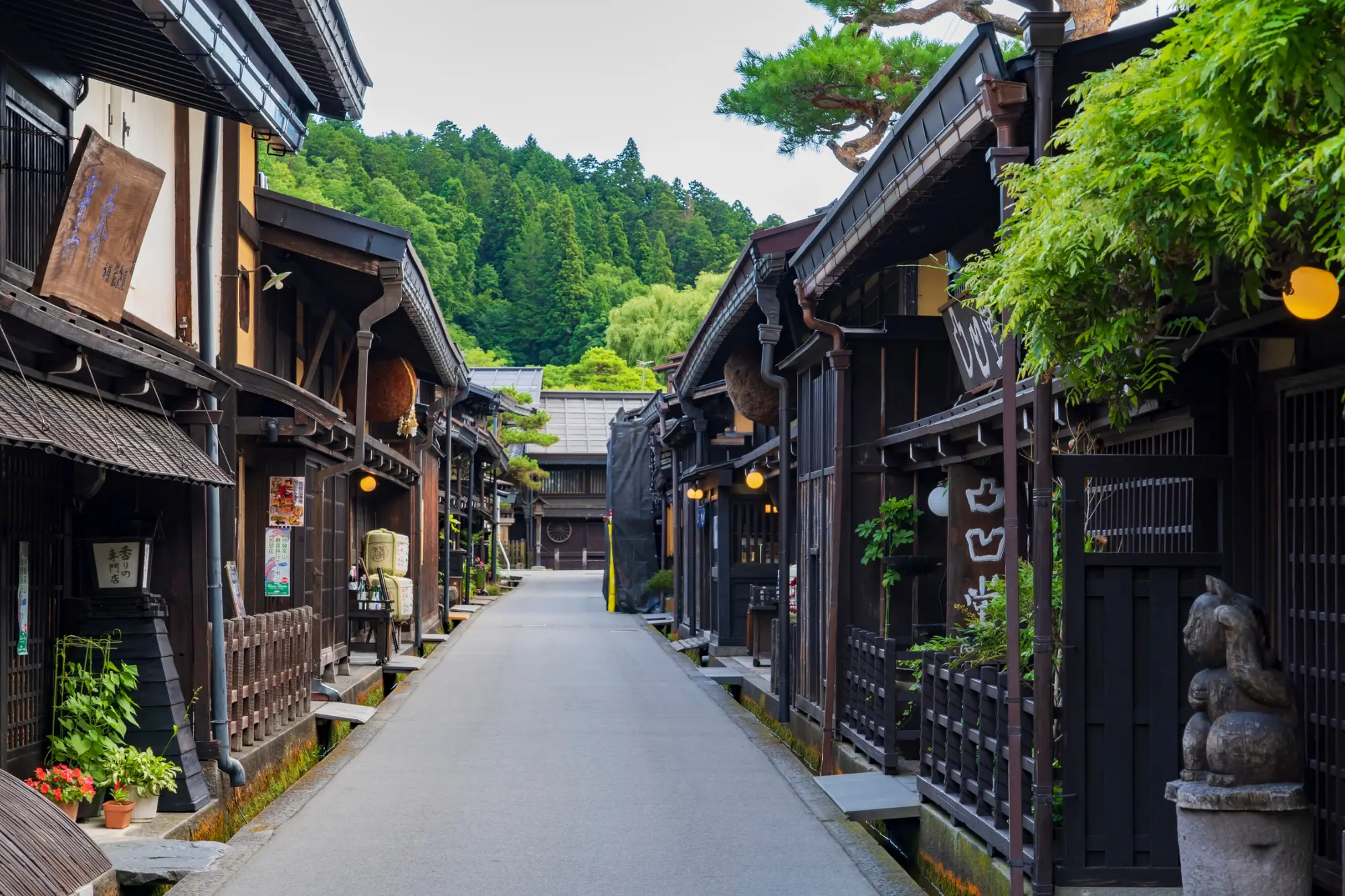
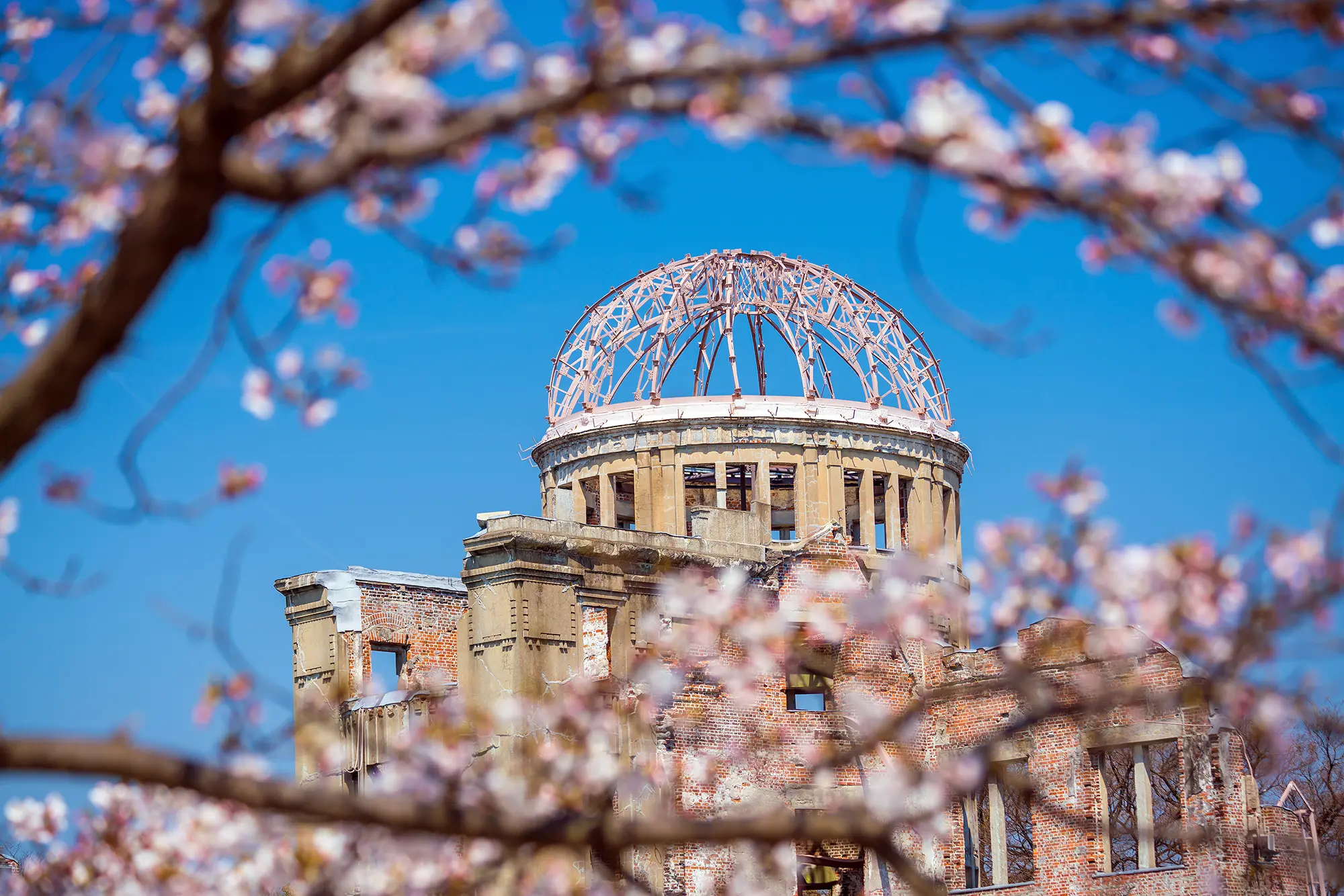
Osaka is one of Japan’s most vibrant cities, known for its rich food culture, historic landmarks, shopping districts, and lively atmosphere. Located in western Japan, the city combines traditional heritage with modern entertainment, offering diverse experiences for both first-time visitors and returning travelers. There are plenty of things to do in Osaka, from the historic Osaka Castle and neon-lit streets of Dotonbori to the food stalls of Kuromon Market. Whether you are interested in history, local food, shopping, or entertainment, this guide covers the best places to visit in Osaka, Osaka marketplace experiences, transportation, the best time to visit, and practical tips to help you plan a memorable Osaka travel experience.
About Osaka
Osaka is the capital of Osaka Prefecture and a major city in the Kansai region of western Japan. With an area of approximately 225.34 km² and a population of around 2.8 million, it is one of Japan’s largest urban centers.
Historically known as a center of commerce, Osaka has developed into a major destination for food, shopping, entertainment, culture, and business. The city combines historic landmarks such as Osaka Castle with modern districts, lively food streets, and large-scale entertainment complexes.
Osaka at a Glance
- Location: Kansai region, Western Japan
- Area: Approx. 225.34 km²
- Population: Approx. 2.8 million
- Known for: Osaka Castle, Dotonbori, local food, shopping, and entertainment
- Main transport hubs: Osaka Station and Shin-Osaka Station
- Best for: Food, culture, shopping, history, families, and city breaks
- Nearby destinations: Kyoto, Nara, Kobe, and Himeji
Osaka Maps & Geography
Osaka is located on the Osaka Plain, with Osaka Bay to the west. The city is mostly flat, while its network of rivers and waterways has historically supported trade and transportation. For travelers, Osaka is commonly understood through several major tourism areas. Knowing their locations makes it easier to group attractions and plan an efficient itinerary.
Main Areas on Osaka Maps
- Kita: Umeda and Osaka Station; major shopping, business, dining, and transportation hub.
- Minami: Namba, Dotonbori, and Shinsaibashi; the main area for food, shopping, and nightlife.
- Osaka Castle Area: Historic sites, Osaka Castle Park, museums, and green spaces.
- Tennoji & Abeno: Shopping, temples, parks, museums, and Abeno Harukas.
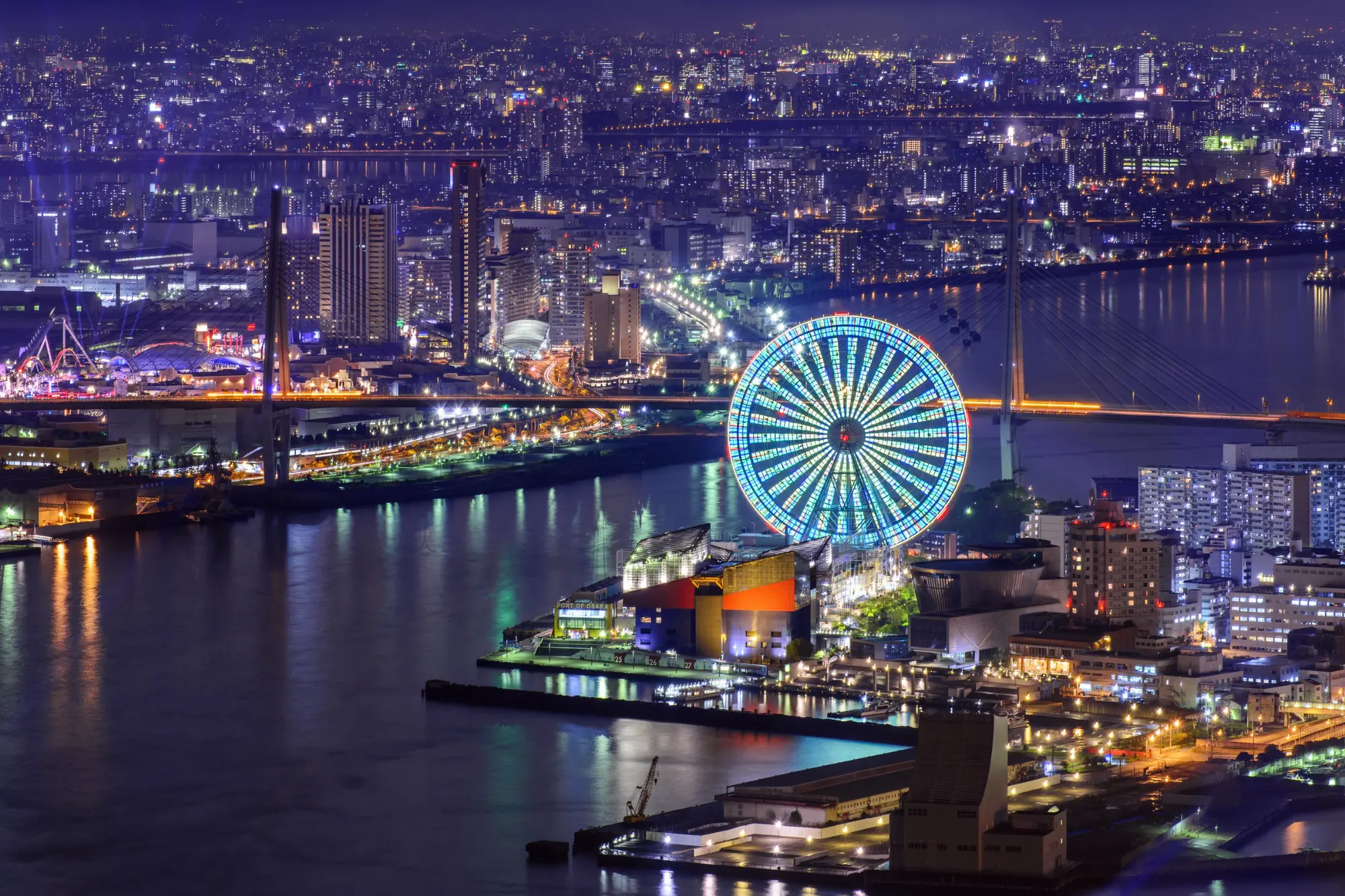
- Bay Area: Universal Studios Japan, Osaka Aquarium Kaiyukan, and waterfront attractions.
For Osaka travel, grouping attractions by these areas can reduce travel time and make it easier to explore several places in one day.
History of Osaka
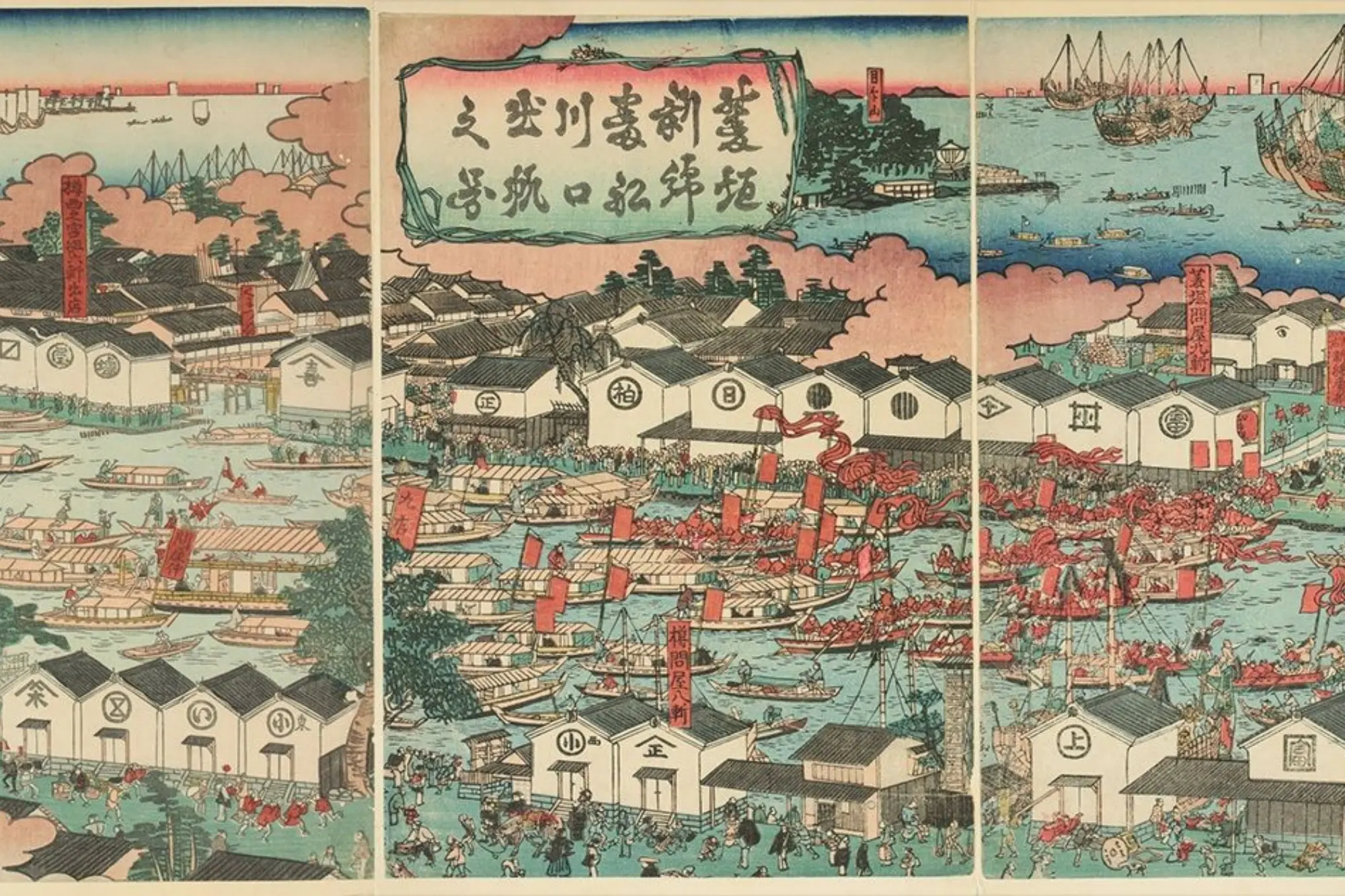
Osaka has a long history as a center of commerce, transportation, and political activity.
From Naniwa to Osaka
The area around present-day Osaka was historically known as Naniwa and played an important role in early Japanese history. Its location near waterways and the Seto Inland Sea helped connect the region with other parts of Japan.
Osaka Castle & Toyotomi Hideyoshi
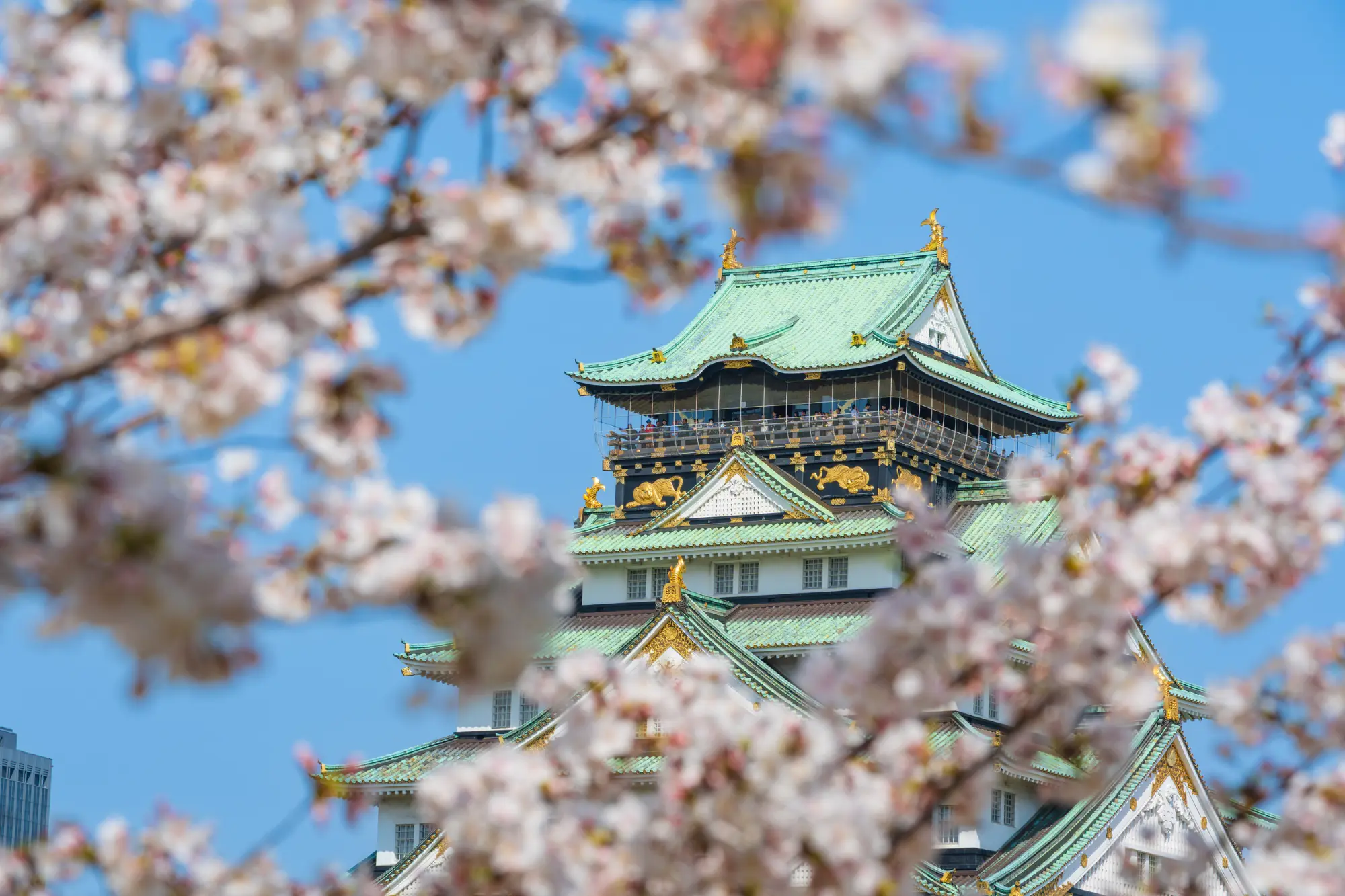
One of the most important chapters in Osaka’s history began in the late 16th century when Toyotomi Hideyoshi built Osaka Castle.
The castle became a major political and military center. Although the original structure was destroyed and rebuilt several times, the present castle tower was reconstructed in 1931 with donations from Osaka residents.
Osaka as a Commercial Center
During the Edo period, Osaka became an important center for trade and commerce and gained a reputation as the “Kitchen of Japan”. This commercial history helped shape the city’s strong food culture, markets, and merchant traditions.
Today, Osaka continues to combine its historical heritage with modern shopping districts, entertainment areas, and a major transportation network.
Culture & Local Life in Osaka
Osaka has a distinctive local identity shaped by its long history as a commercial city, its strong food culture, and its lively urban neighborhoods. The city’s culture is often associated with openness, humor, and a relaxed approach to everyday life.
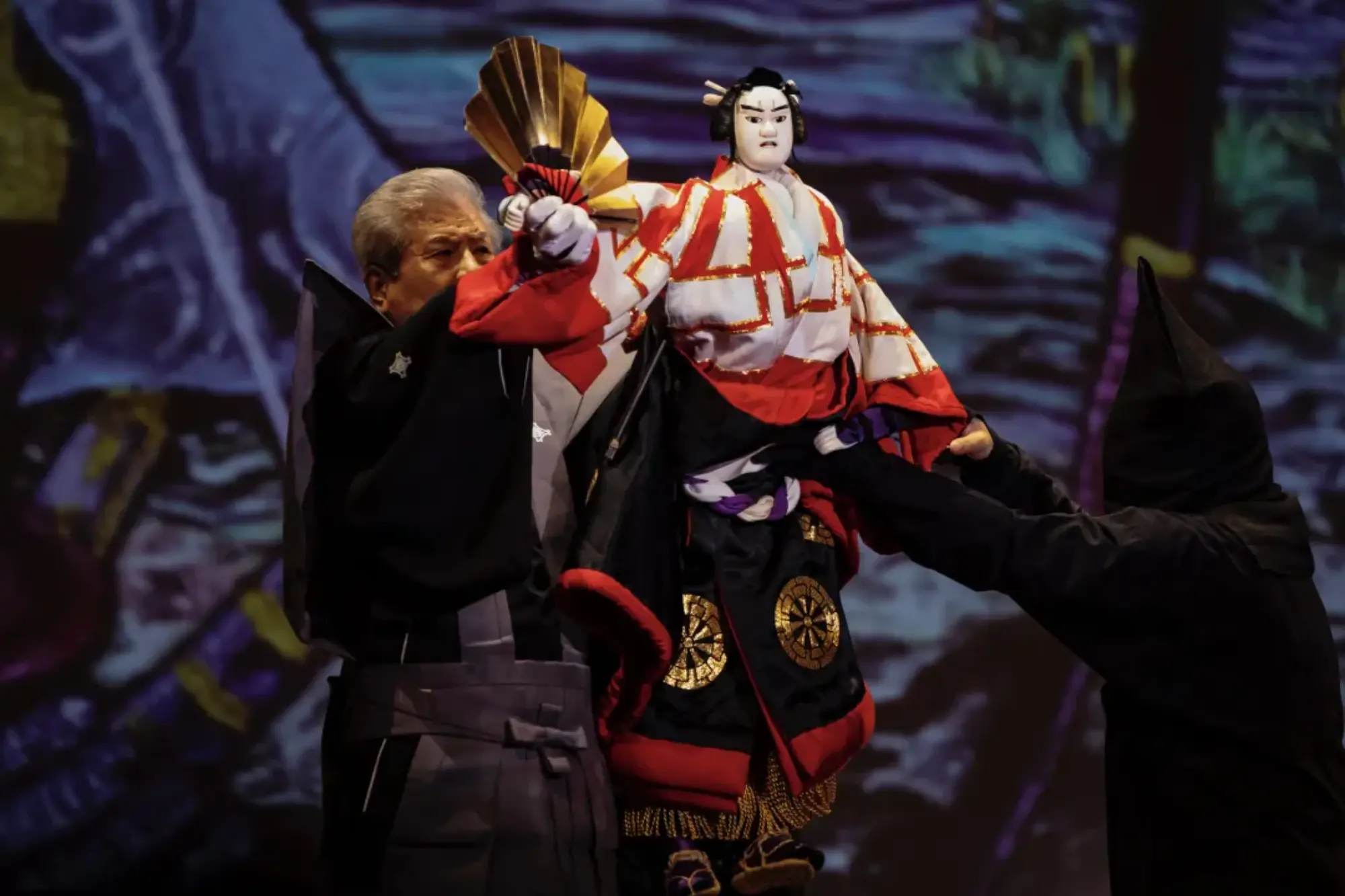
Osaka Culture
- Food Culture: Osaka is widely known for local specialties such as takoyaki, okonomiyaki, kushikatsu, and udon. Food is an important part of social life, from casual street stalls to traditional restaurants.
- Merchant Heritage: Osaka developed as a major center of trade and commerce, earning the nickname “the nation’s kitchen” during the Edo period. This commercial background continues to influence the city’s practical and energetic character.
- Humor & Communication: Osaka is particularly associated with manzai (漫才), a traditional style of Japanese comedy involving two performers. Humor and informal communication are often considered distinctive elements of the city’s popular culture.
- Traditional Culture: Shrines, temples, seasonal festivals, and historic neighborhoods remain important parts of Osaka’s cultural landscape. Sites such as Shitennoji and Sumiyoshi Taisha offer opportunities to experience traditional religious practices.
Local Life in Osaka
- Neighborhood Life: Areas such as Namba, Tennoji, and Shinsekai offer a more local atmosphere through small restaurants, markets, shopping streets, and everyday businesses.
- Shopping & Dining: Department stores, covered shopping arcades, convenience stores, markets, and local eateries are closely integrated into daily life.
- Nightlife: Dotonbori, Namba, and surrounding areas become particularly active after dark, with restaurants, izakaya, entertainment venues, and illuminated streets.
- Modern Lifestyle: Osaka also has a strong contemporary side, with large shopping complexes, theme parks, museums, music venues, and entertainment districts attracting both residents and visitors.
Together, Osaka’s food, commercial heritage, traditional culture, and neighborhood life create the distinctive atmosphere that makes the city different from other major destinations in Japan.
Where to Stay in Osaka
Osaka has several convenient areas to stay, each offering a different atmosphere and access to the city’s main attractions.
- Namba & Dotonbori: A lively area with plenty of restaurants, shopping streets, and nightlife. It is a convenient choice for first-time visitors who want to explore central Osaka on foot.
- Umeda & Osaka Station: A major transportation and commercial hub with department stores, restaurants, and easy train connections. It is especially convenient for travelers planning day trips to Kyoto, Kobe, or Himeji.
- Tennoji & Abeno: A more relaxed area with temples, parks, museums, and shopping centers. It offers good transport connections while being less focused on nightlife.
- Osaka Bay: A practical base for visiting Universal Studios Japan, Osaka Aquarium Kaiyukan, and other waterfront attractions. It is particularly suitable for families.
- Osaka Castle Area: A quieter area close to Osaka Castle Park and several historical attractions. It is suitable for travelers who prefer a more peaceful environment while staying within easy reach of central Osaka.
Best Places to Visit in Osaka
1. Osaka Castle (大阪城)
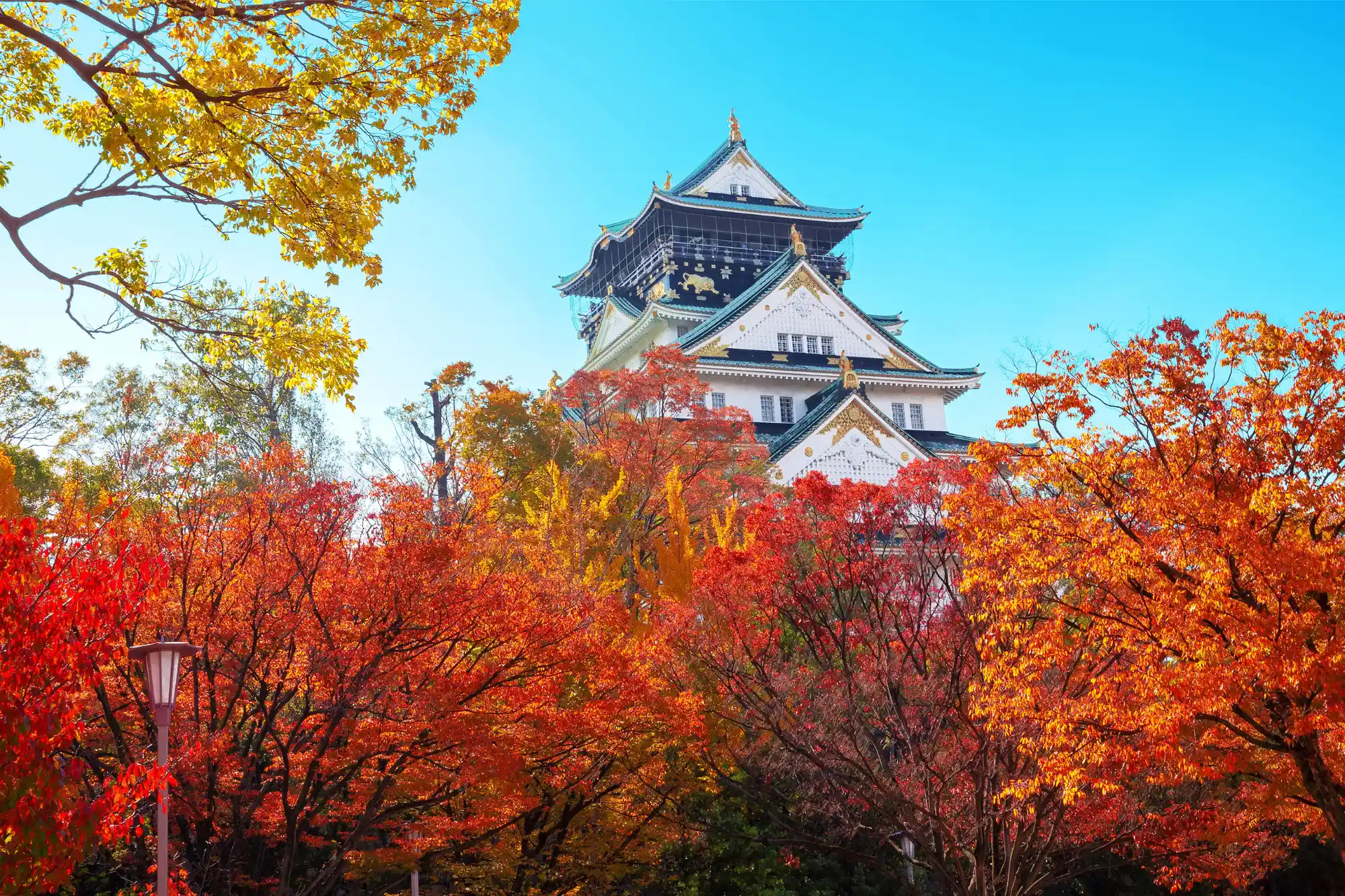
Osaka Castle is one of the city’s most recognizable landmarks and an important symbol of Osaka’s history. The castle was originally built by Toyotomi Hideyoshi and is surrounded by Osaka Castle Park, a large green area with seasonal flowers, historical structures, and walking paths. The castle tower also offers views over the city.
- Location: Chuo Ward
- Best for: History, architecture, photography, gardens
- Suggested time: 2-3 hours
- Price: Park is free; castle museum requires admission
- Highlights: Castle tower, moat, Osaka Castle Park, seasonal flowers
- Tip: Spring is particularly popular for cherry blossoms around the park
2. Dotonbori (道頓堀)
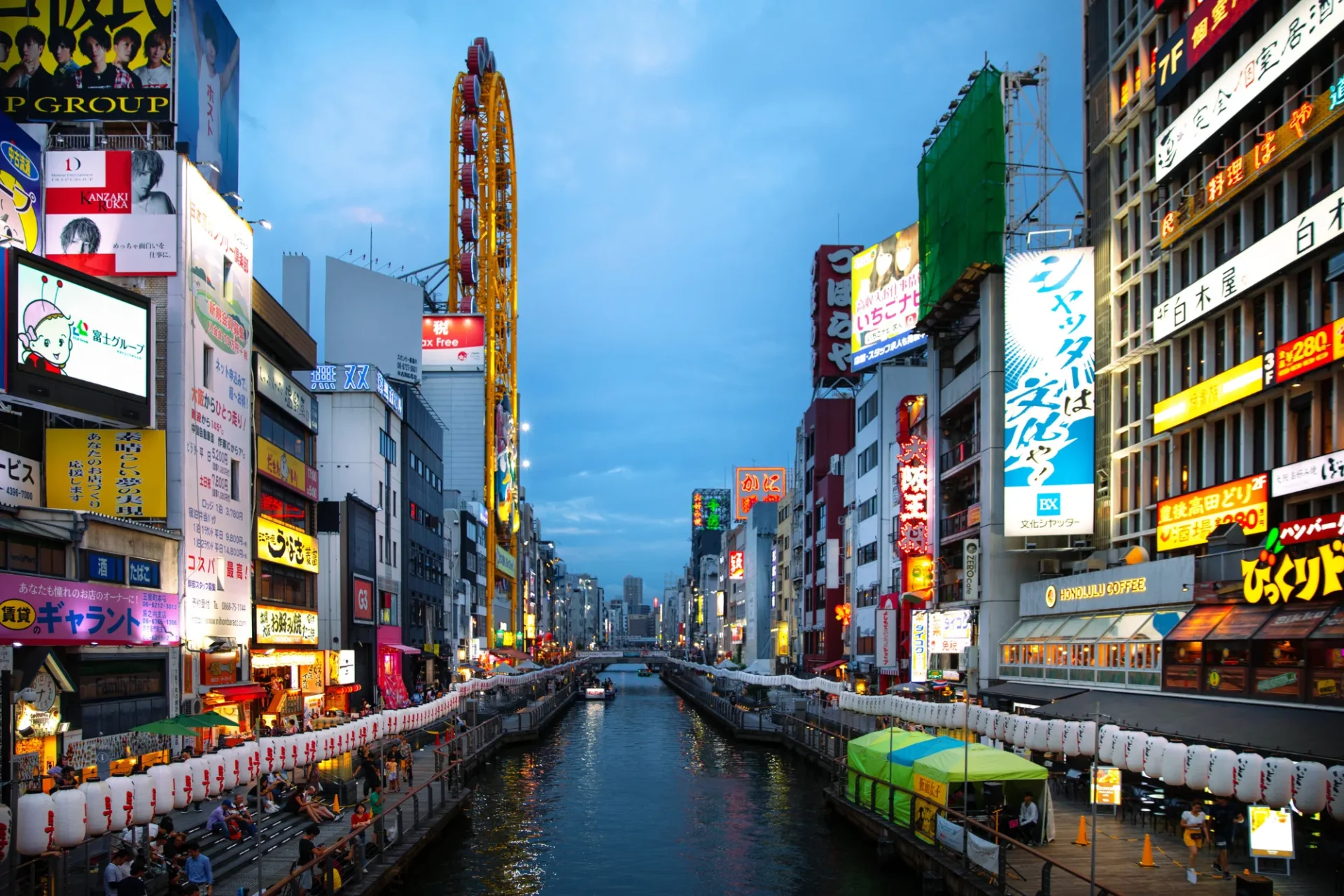
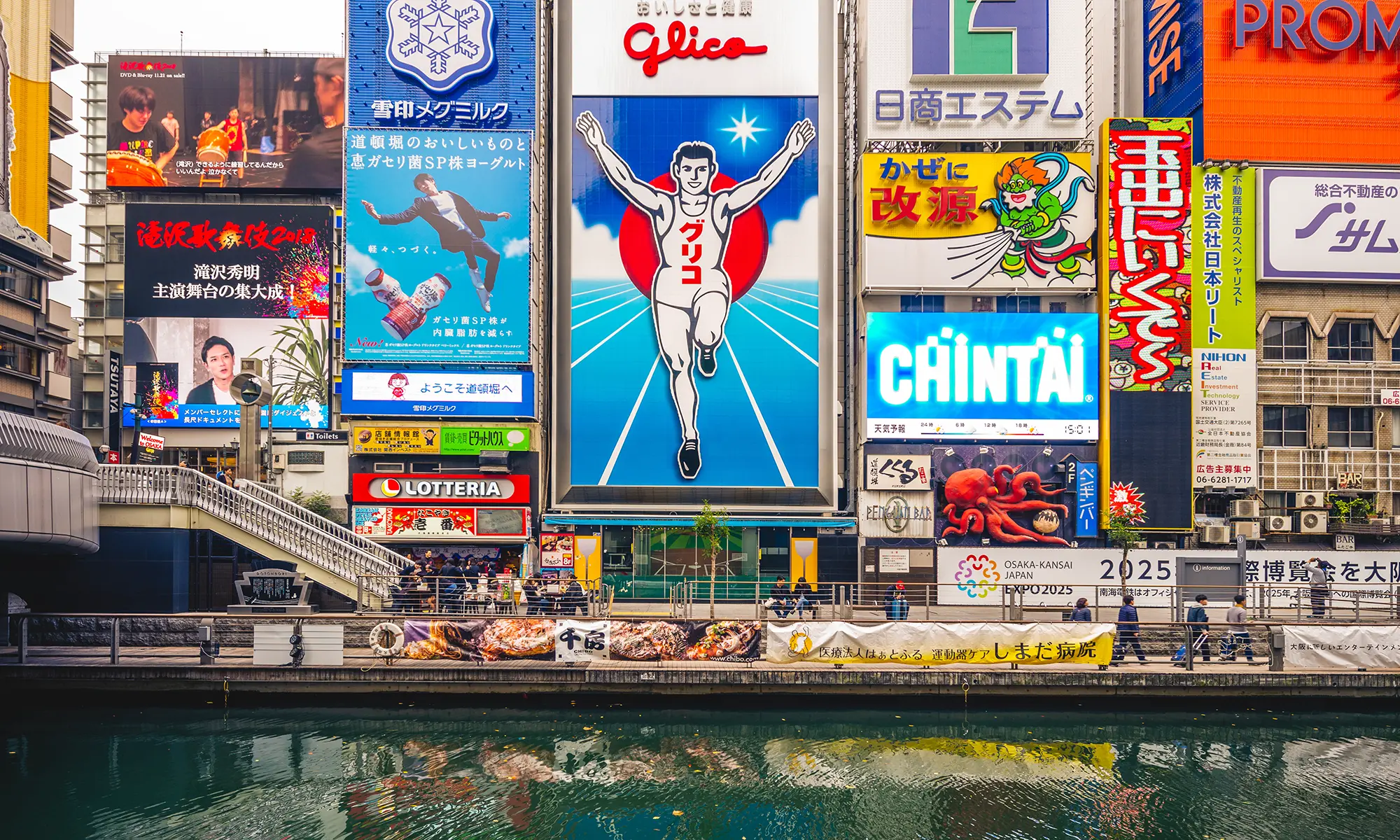
Dotonbori is one of Osaka’s most recognizable entertainment and food districts. The area is famous for its illuminated signs, restaurants, street food, and lively atmosphere along the Dotonbori River. It is also a convenient base for exploring Namba and Shinsaibashi.
- Location: Namba, Minami
- Best for: Food, nightlife, photography, shopping
- Suggested time: 2-3 hours
- Price: Free to explore
- Highlights: Dotonbori River, Glico sign, restaurants, street food
- Tip: Visit after sunset to experience the illuminated streets
3. Kuromon Market (黒門市場)
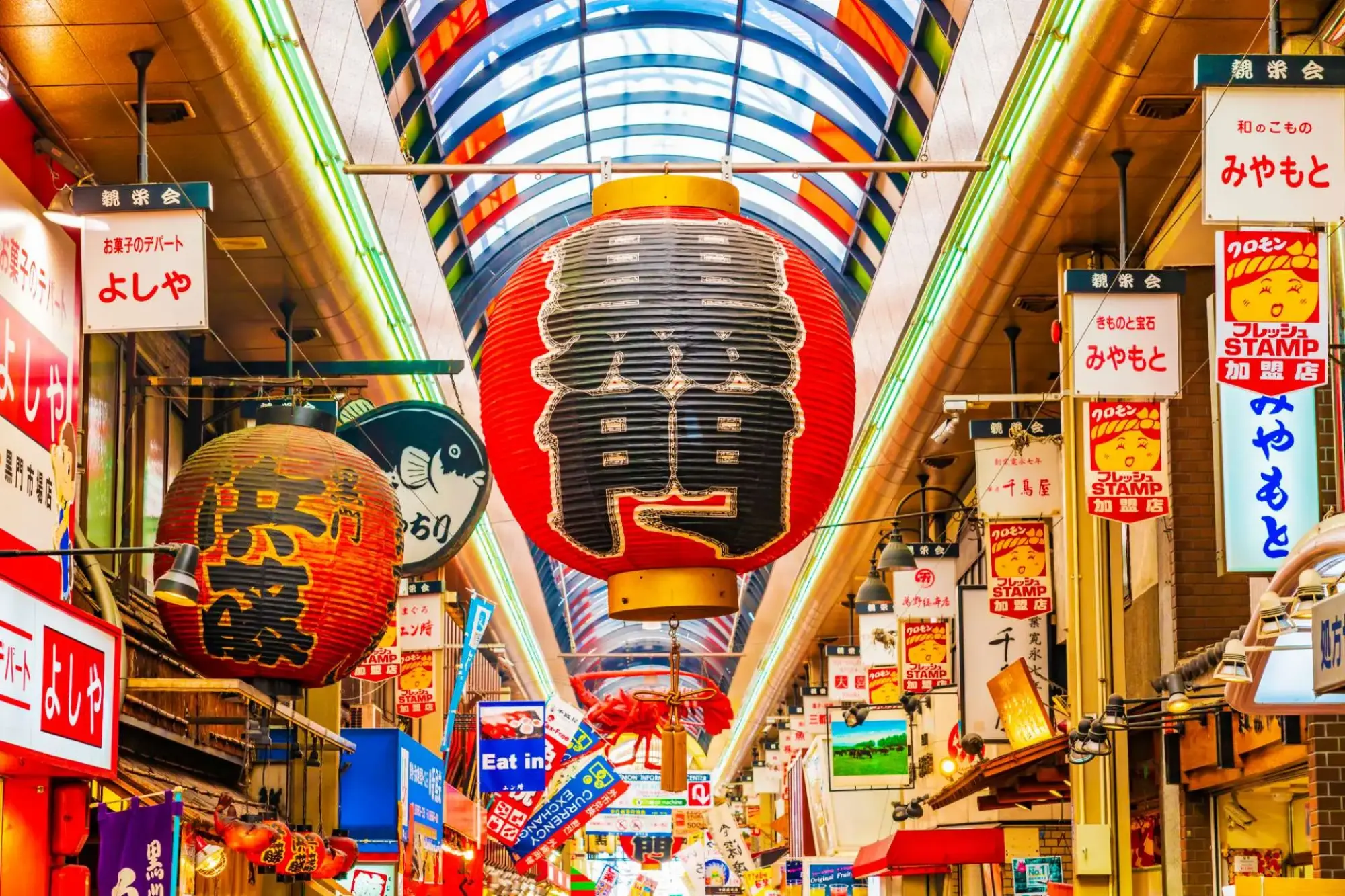
Kuromon Market is one of the best places to experience Osaka’s food culture. Often called “Osaka’s Kitchen”, the market stretches for about 580 meters and has around 150 shops selling seafood, meat, fruit, vegetables, prepared food, and snacks.
- Location: Nipponbashi, near Namba
- Best for: Local food, seafood, street food, shopping
- Suggested time: 1-2 hours
- Price: Free to enter; food is paid separately
- Highlights: Seafood, sushi, fruit, fried foods, local products
- Tip: Opening hours vary by shop, so visit earlier in the day for more options
4. Shinsaibashi (心斎橋)
Shinsaibashi is one of Osaka’s major shopping areas, with department stores, fashion shops, cafes, restaurants, and covered shopping arcades. It can easily be combined with Dotonbori and Namba for a full day of shopping and food.
- Location: Minami
- Best for: Shopping, fashion, food, city life
- Suggested time: 2-4 hours
- Price: Free to explore
- Highlights: Shinsaibashi-suji, department stores, cafes, restaurants
- Tip: Combine with Dotonbori for an easy walking route
5. Umeda (梅田) & Osaka Station
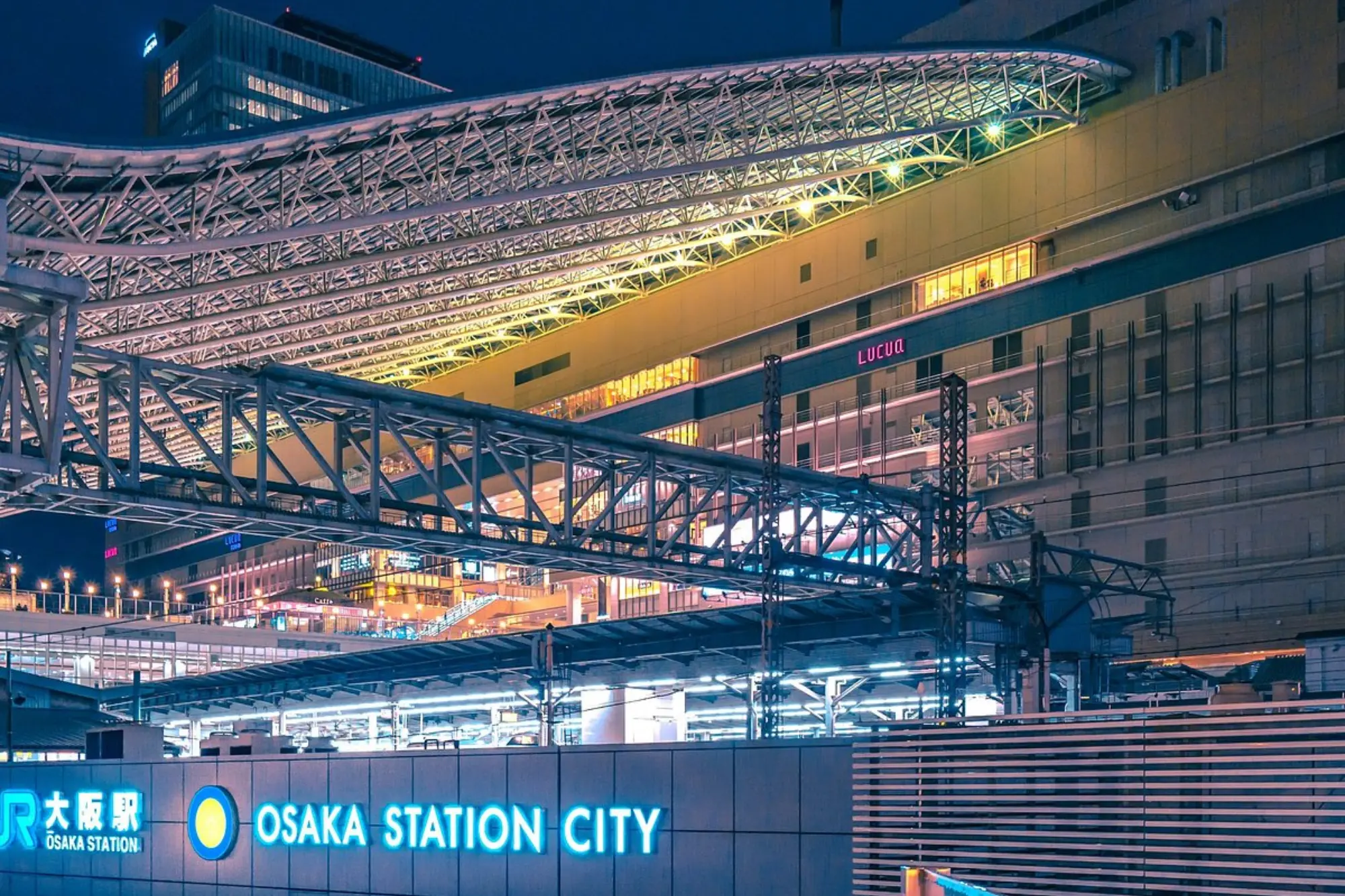
Umeda is Osaka’s major northern commercial district and one of the city’s main transportation hubs. The area is filled with department stores, shopping complexes, restaurants, hotels, and observation decks, making it a useful starting point for exploring northern Osaka.
- Location: Kita
- Best for: Shopping, dining, city views
- Suggested time: 2-4 hours
- Price: Free to explore; attractions vary
- Highlights: Osaka Station, shopping complexes, Umeda Sky Building
- Tip: Allow extra time because the station area is large and busy
6. Shinsekai (新世界) & Tsutenkaku (通天閣)
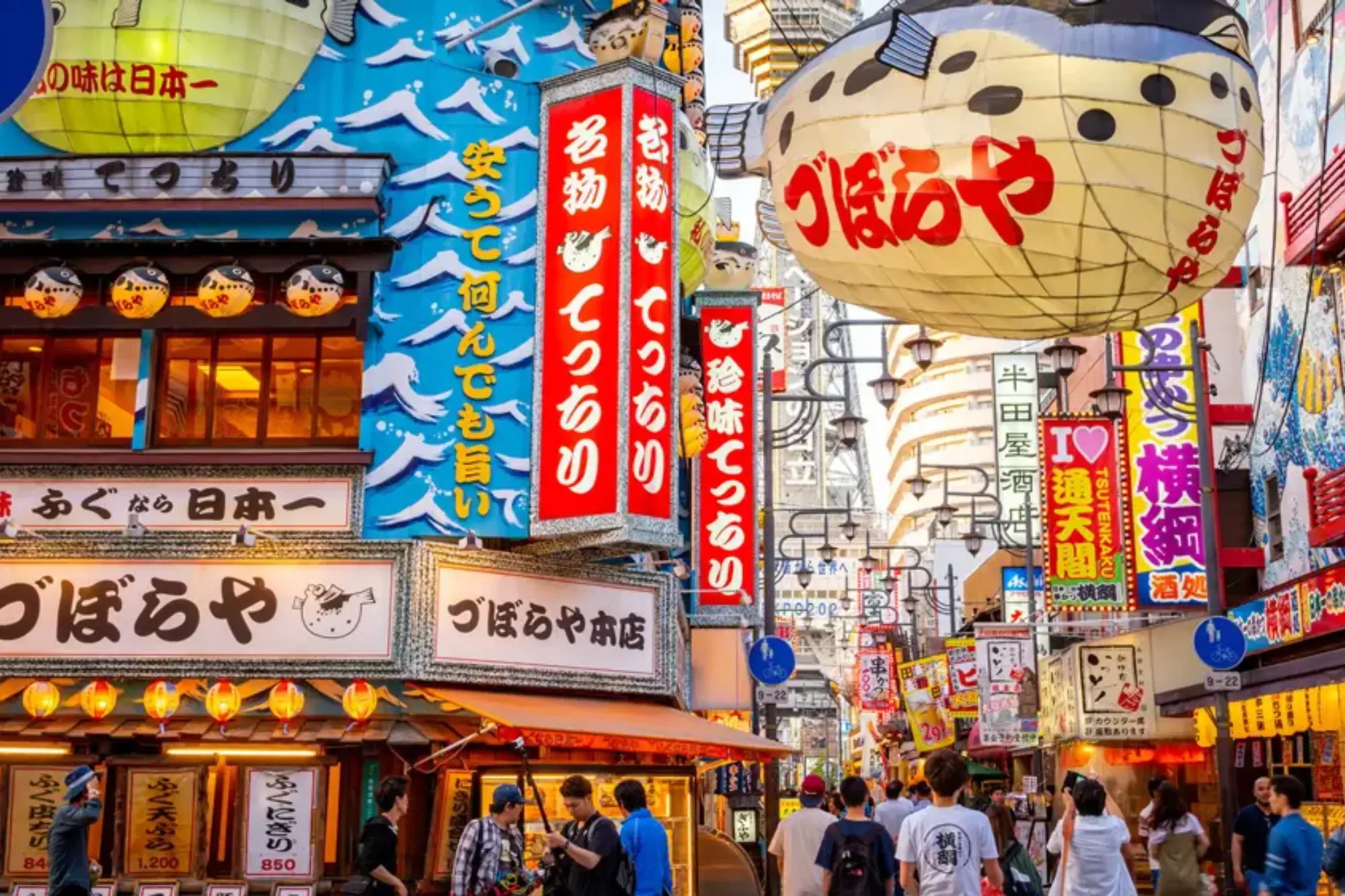
Shinsekai is a distinctive neighborhood known for its retro atmosphere, local restaurants, and Tsutenkaku Tower. The area provides a different perspective on Osaka compared with the modern districts of Umeda and Namba.
- Location: Southern Osaka
- Best for: Local atmosphere, food, photography
- Suggested time: 1–2 hours
- Price: Free to explore; tower admission is paid
- Highlights: Tsutenkaku, Janjan Yokocho, kushikatsu
- Tip: Try local kushikatsu restaurants while exploring the neighborhood
7. Osaka Aquarium Kaiyukan (海遊館)
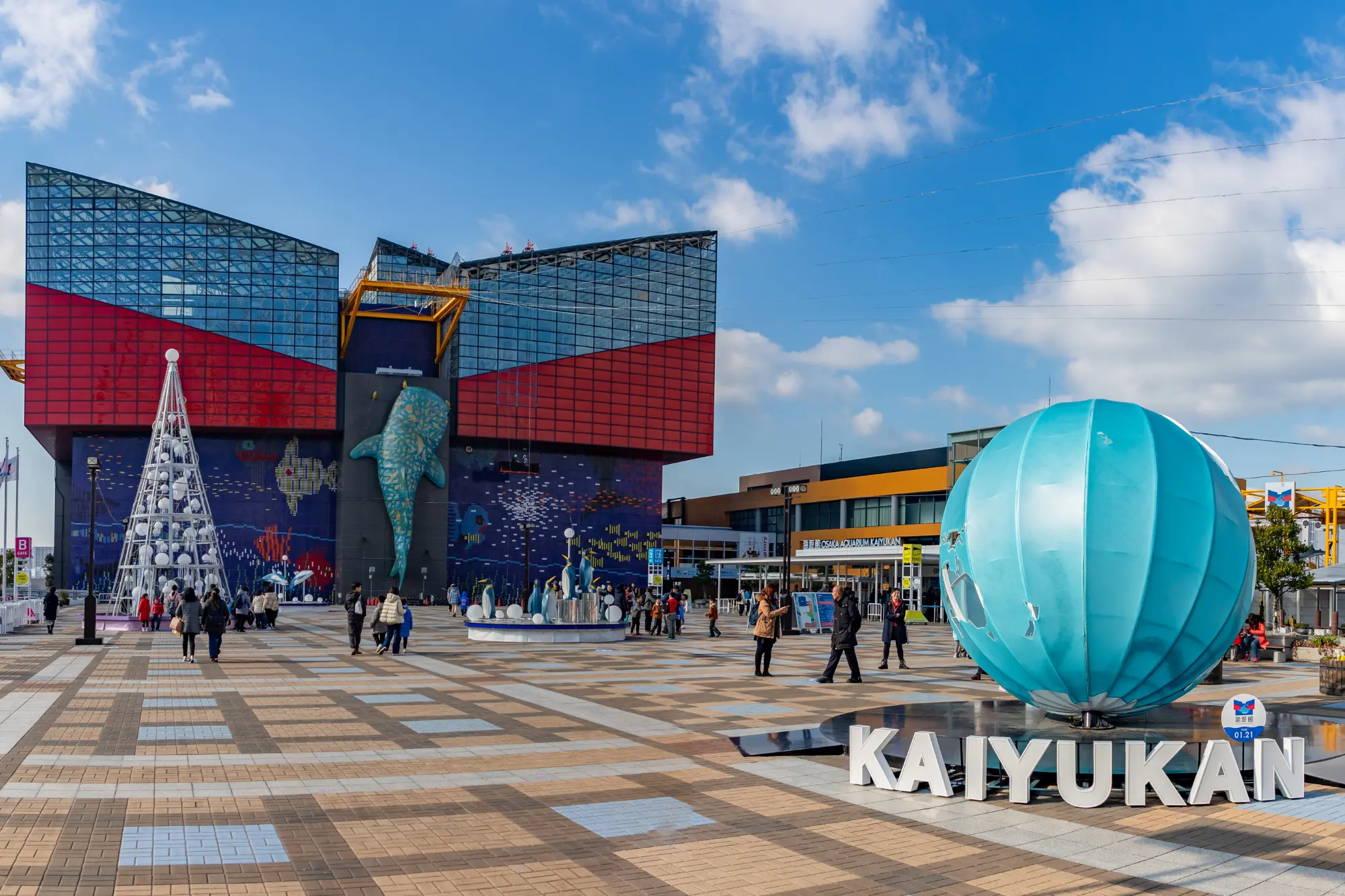
Kaiyukan is one of Osaka’s major family attractions and one of the largest aquariums in Japan. Its exhibits focus on marine environments around the Pacific Rim, making it a popular indoor activity, particularly on rainy days.
- Location: Tempozan, Bay Area
- Best for: Families, marine life, indoor activities
- Suggested time: 2-3 hours
- Price: Paid admission
- Highlights: Large aquarium exhibits, whale sharks, marine life
- Tip: Check ticket availability and opening hours before visiting
Osaka Food: What to Eat
Food is an essential part of the Osaka travel experience. Osaka has a long history as a commercial and trading center, and its food culture developed around affordable, flavorful dishes that could be enjoyed by merchants, workers, and local residents. The city became known as the “Kitchen of Japan”, reflecting its historical role as a major food distribution and trading center during the Edo period.
Takoyaki (たこ焼き)
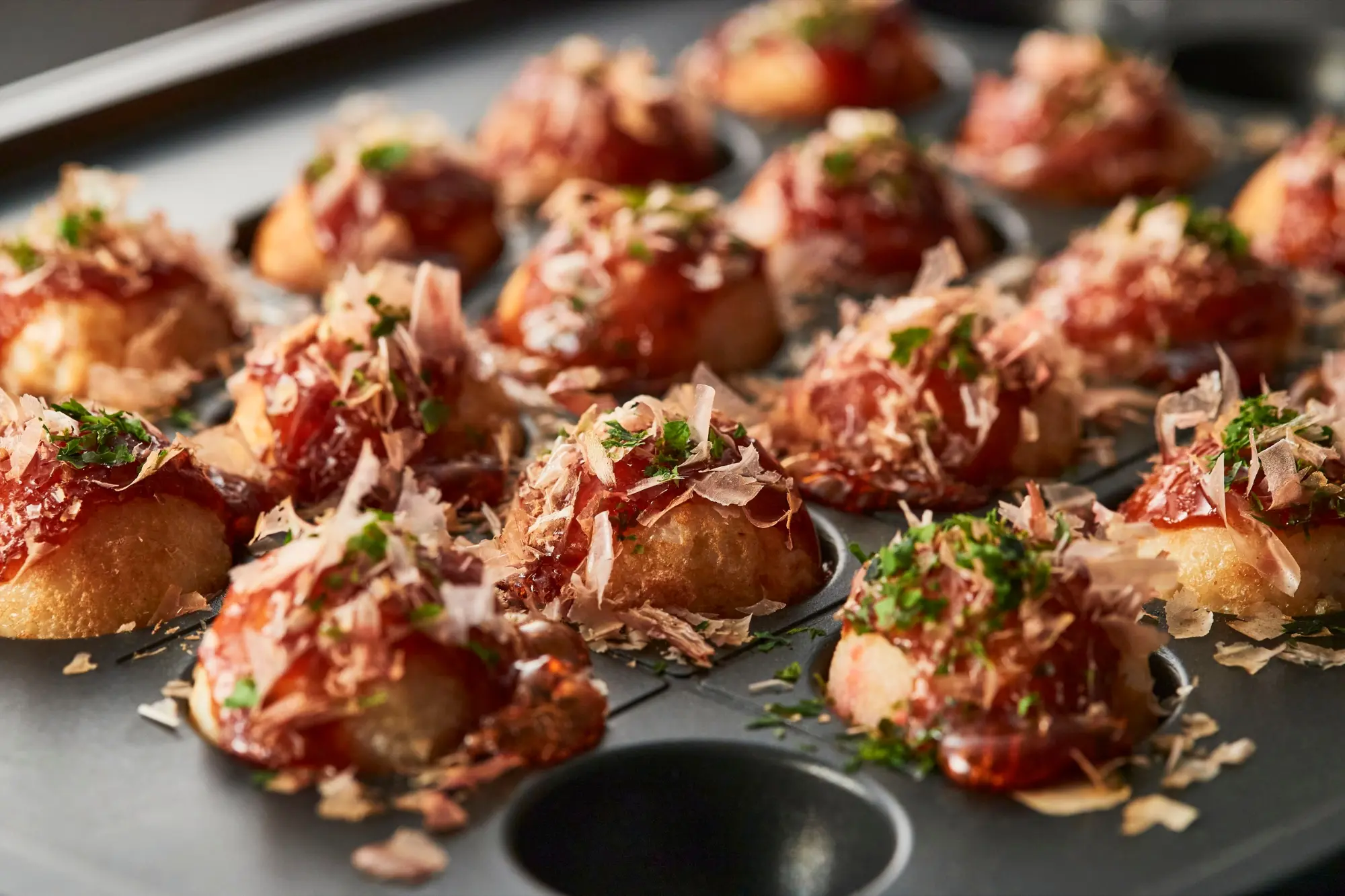
Small batter-based balls filled with octopus and served with savory toppings. They are one of Osaka’s most recognizable street foods.
Okonomiyaki (お好み焼き)
A savory Japanese pancake made with cabbage and other ingredients, usually cooked on a hot plate.
Kushikatsu (串カツ)
Deep-fried meat, seafood, and vegetables served on skewers. Shinsekai is particularly associated with this dish.
Udon (うどん)
Osaka has a long tradition of udon, with many local restaurants serving noodles in light, flavorful broth.
Local Street Food
Dotonbori (道頓堀, Dōtonbori), Kuromon Market (黒門市場, Kuromon Ichiba), and other shopping streets are convenient places to sample different Osaka specialties in one trip.
Best Time to Visit Osaka
Osaka can be visited throughout the year, but the weather and seasonal scenery can significantly affect outdoor sightseeing. Spring and autumn are generally the most comfortable seasons for walking and exploring attractions, while summer is hotter and more humid and winter brings cooler, drier weather.
| Season | Months | Weather & Highlights | Best For |
| Spring | March-May | Mild temperatures, cherry blossoms, gradually warmer weather | Sightseeing, parks, photography |
| Summer | June-August | Hot and humid, rainy season in June-July, summer festivals | Food, festivals, nightlife, indoor attractions |
| Autumn | September-November | Warm in September, cooler from October, colorful autumn foliage | Walking, sightseeing, day trips |
| Winter | December-February | Cool and relatively dry, occasional cold spells | Shopping, food, museums, winter illuminations |
What Is the Best Month to Visit Osaka?
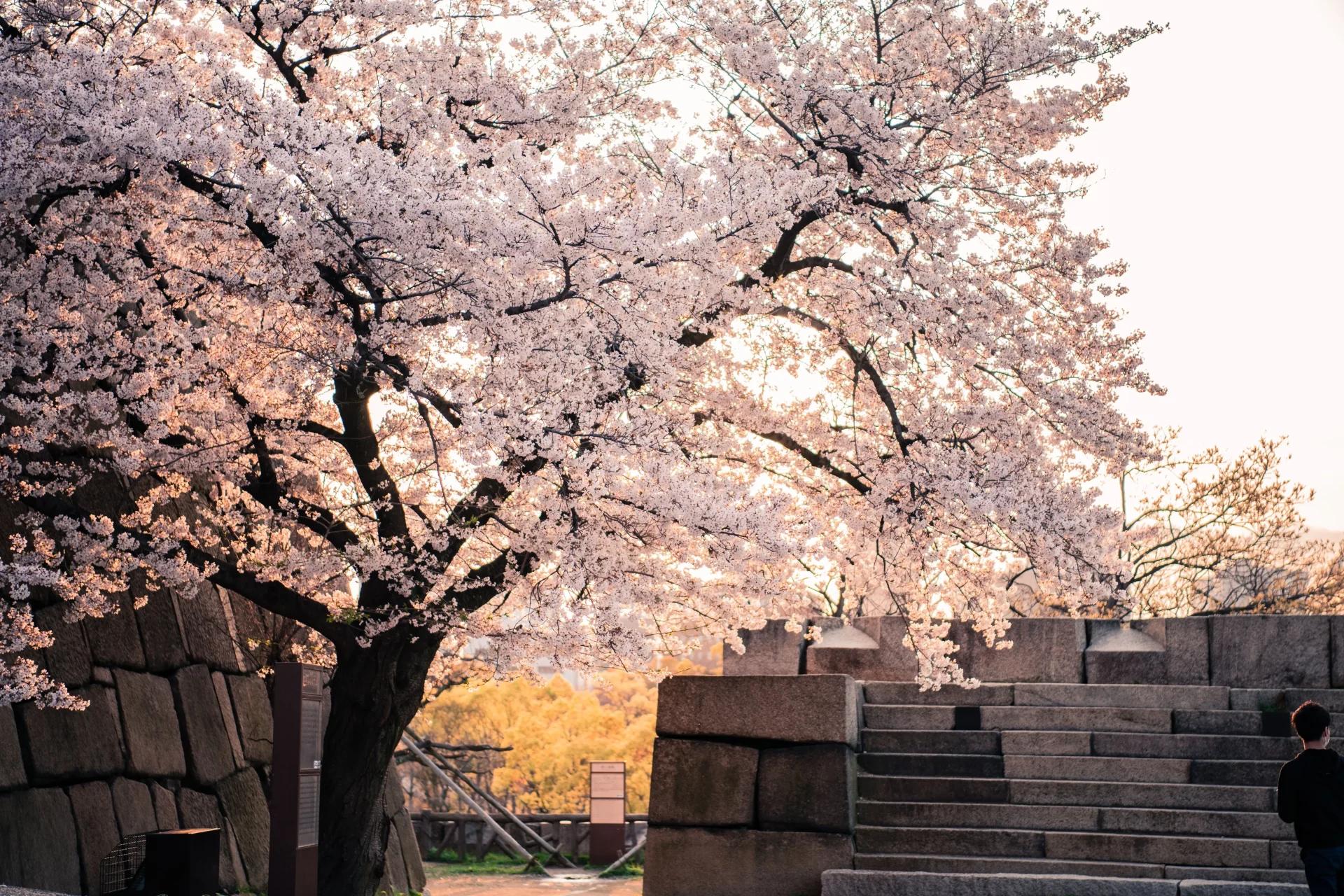
For a balanced trip with comfortable weather and plenty of outdoor sightseeing opportunities, spring and autumn are generally good choices. Late March to early April is particularly popular for cherry blossoms, while November is a good period for autumn scenery. Weather can vary from year to year, so check the latest Osaka weather forecast before booking and planning outdoor activities.
How to Get to and Around Osaka
Getting to Osaka
Osaka is served by Kansai International Airport (KIX), which is the main international gateway to the region.
- From Kansai Airport: Trains and airport buses connect KIX with major areas such as Namba, Osaka Station, and other parts of the city.
- From Kyoto: JR trains, private railways, and buses provide convenient connections.
- From Tokyo: Shinkansen services connect Tokyo Station with Shin-Osaka Station.
Getting Around Osaka
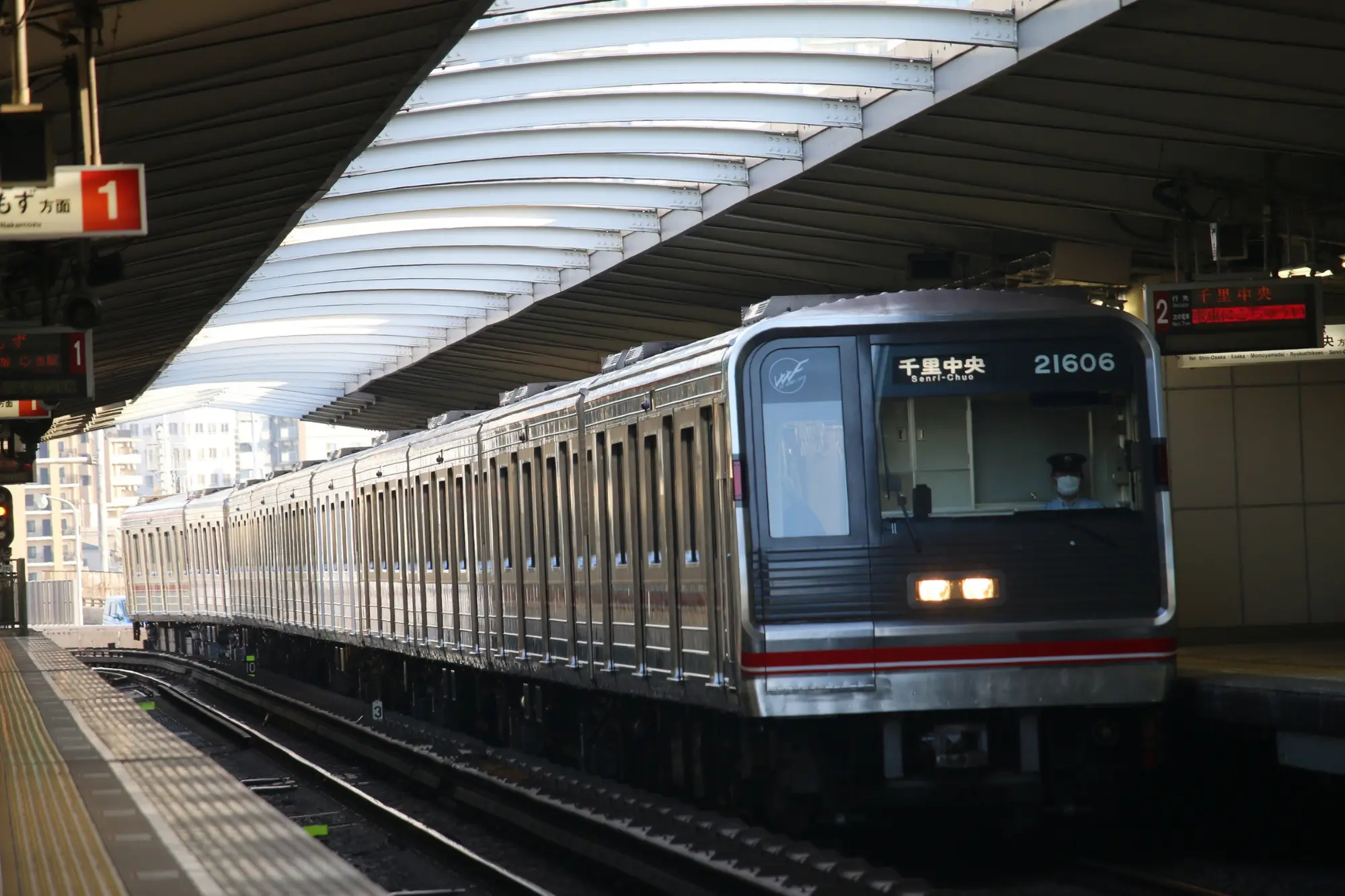
Osaka has an extensive public transportation network, making it easy to explore without a car.
- Osaka Metro: Useful for major sightseeing districts such as Namba, Shinsaibashi, Umeda, and Osaka Castle.
- JR Lines: Convenient for Osaka Station, Osaka Castle, Tennoji, and connections to nearby cities.
- Private Railways: Lines such as Nankai, Hankyu, and Hanshin connect Osaka with surrounding areas.
- IC Cards: Suica, PASMO, ICOCA, and other compatible IC cards can be used on many trains and buses.
- Walking: Many attractions in Namba, Dotonbori, and Shinsaibashi can be explored on foot.
Osaka Travel Tips
- Plan by area: Group nearby attractions together to save travel time.
- Use public transportation: Trains and subway services are convenient for most sightseeing routes.
- Visit markets earlier: Some shops and food stalls may close earlier than major restaurants.
- Wear comfortable shoes: Osaka travel often involves considerable walking.
- Check opening hours: Museums, castles, and attractions may have different schedules or closing days.
- Try local food: Include both famous dishes and smaller neighborhood restaurants in your itinerary.
- Carry an IC card: It makes train and subway travel easier.
- Check the weather: Rain and summer heat can affect outdoor sightseeing, so plan accordingly.
- Explore beyond Dotonbori: Neighborhoods such as Tennoji, Shinsekai, and Osaka Castle offer different sides of the city.
Frequently Asked Questions About Osaka
1. Is Osaka worth visiting?
Osaka offers a combination of history, food, shopping, entertainment, and local culture. Its location also makes it convenient for exploring other Kansai destinations.
2. What are the best things to do in Osaka?
Popular things to do in Osaka include visiting Osaka Castle, exploring Dotonbori, trying local food, visiting Kuromon Market, shopping in Shinsaibashi, and exploring Shinsekai.
3. What are the best places to visit in Osaka?
Some of the main attractions include Osaka Castle, Dotonbori, Kuromon Market, Shinsaibashi, Umeda, Shinsekai, and Osaka Aquarium Kaiyukan.
4. How many days do you need in Osaka?
A 3-day trip is enough for many of the city’s major attractions. Staying 4–5 days gives you more time for food, shopping, neighborhoods, and nearby day trips.
5. What food is Osaka famous for?
Osaka is particularly known for takoyaki, okonomiyaki, kushikatsu, and udon. Markets, shopping streets, and local restaurants offer plenty of opportunities to try them.
Conclusion
Osaka combines history, food, shopping, entertainment, and local culture in one lively destination. The city offers a variety of experiences for different types of travelers, from the historic Osaka Castle to the food-focused atmosphere of Kuromon Market. For your first Osaka travel experience, combine major landmarks with local neighborhoods, traditional food, and evening walks through Dotonbori and Namba. Don’t forget to use Osaka maps to group attractions by area can also help you make the most of your time.
Explore Nicetrips Japan tour packages and follow the Nicetrips Blog for more destination guides, travel tips, and inspiration for your next journey