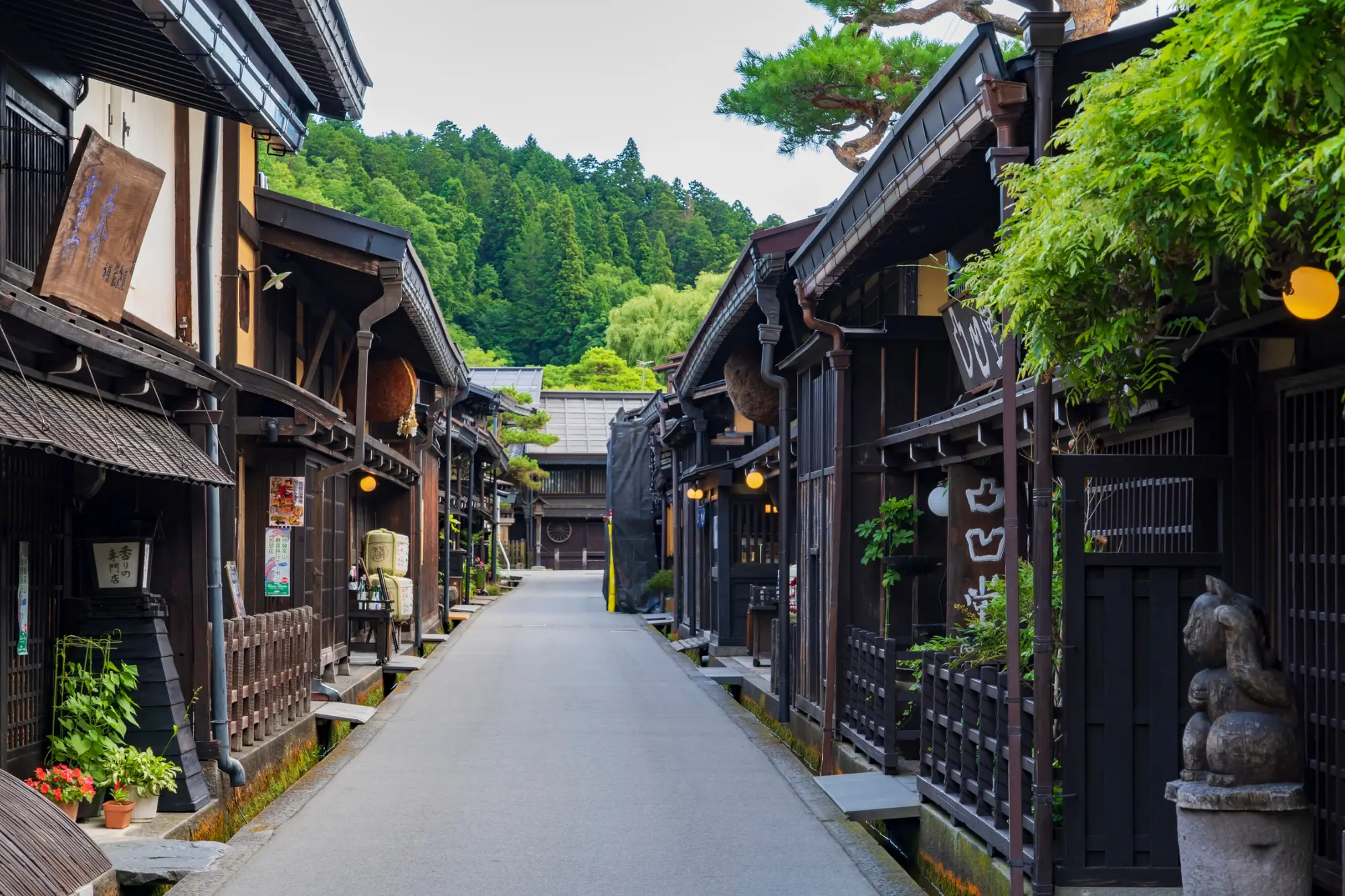
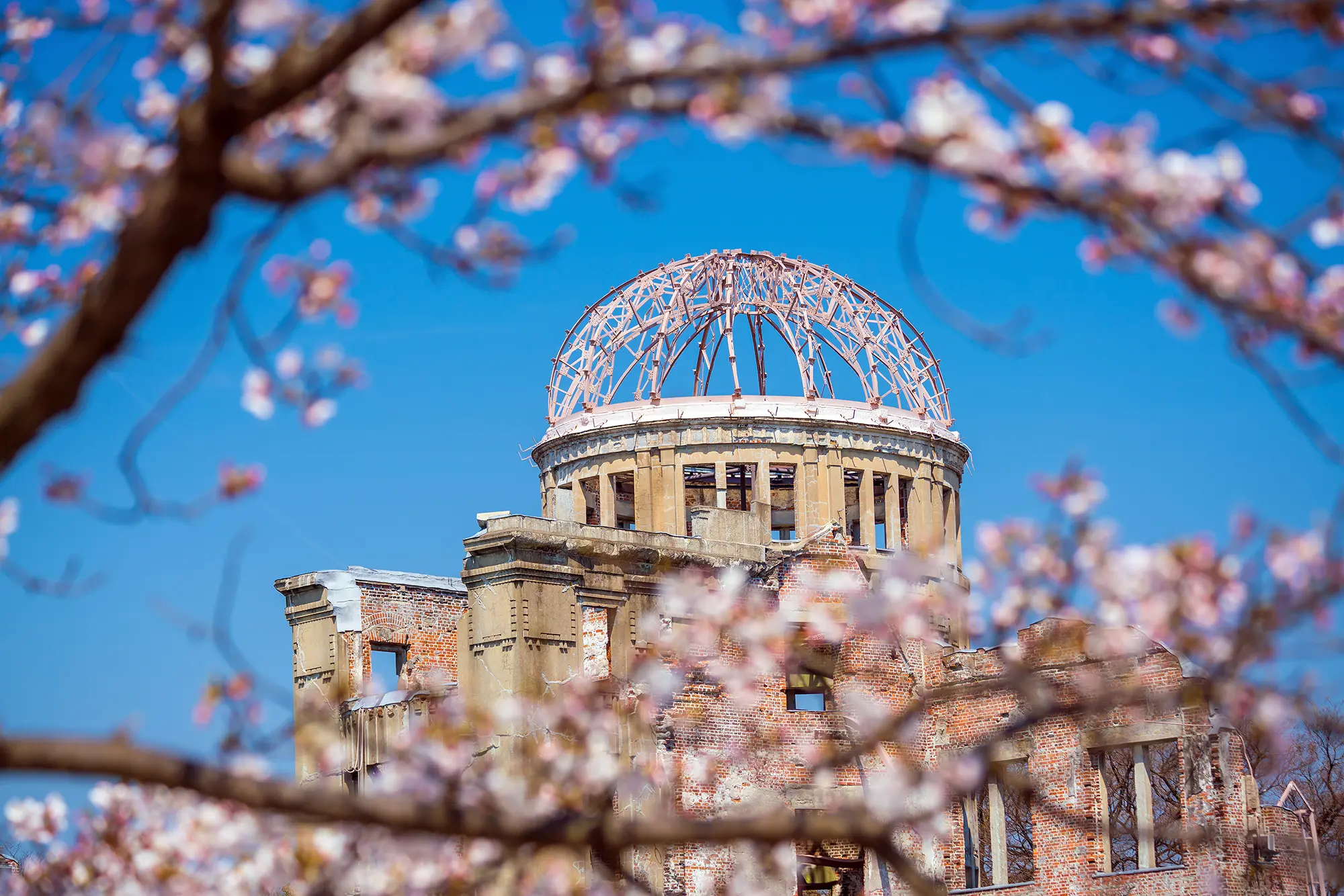
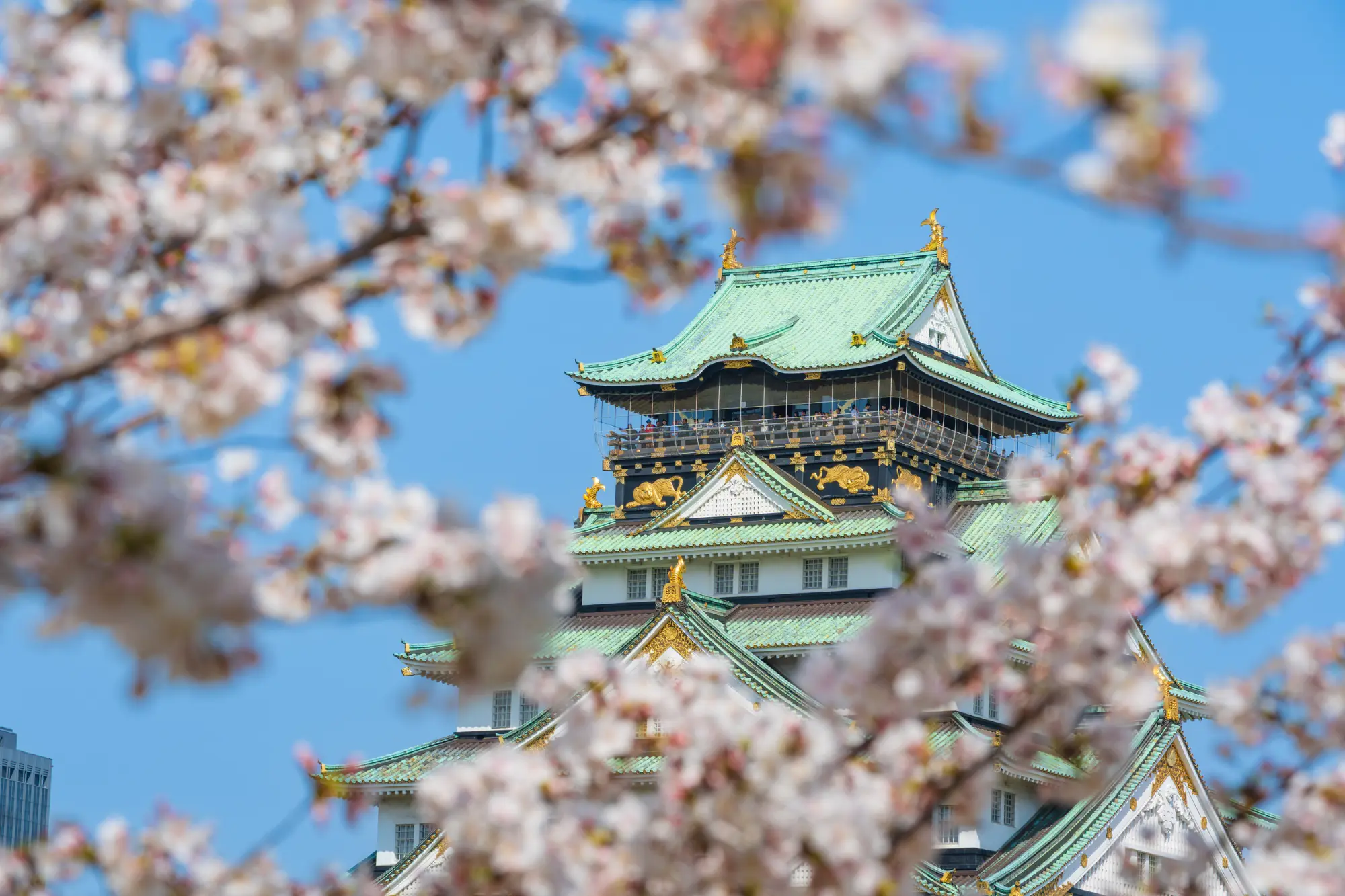
Nagoya is one of Japan’s major cities, located in Aichi Prefecture between Tokyo and Osaka. Known for its industrial heritage, samurai history, modern cityscape, and distinctive local cuisine, Nagoya offers a different side of Japan beyond the country’s most famous tourist destinations. From historic Nagoya Castle and the sacred Atsuta Jingu Shrine to the panoramic views from Nagoya Sky Promenade, there are plenty of places to visit in Nagoya for first-time travelers.
Whether you are planning a short Nagoya visit or using the city as a base for exploring central Japan, this guide covers the best attractions, things to do, local food, transportation, and practical travel tips.
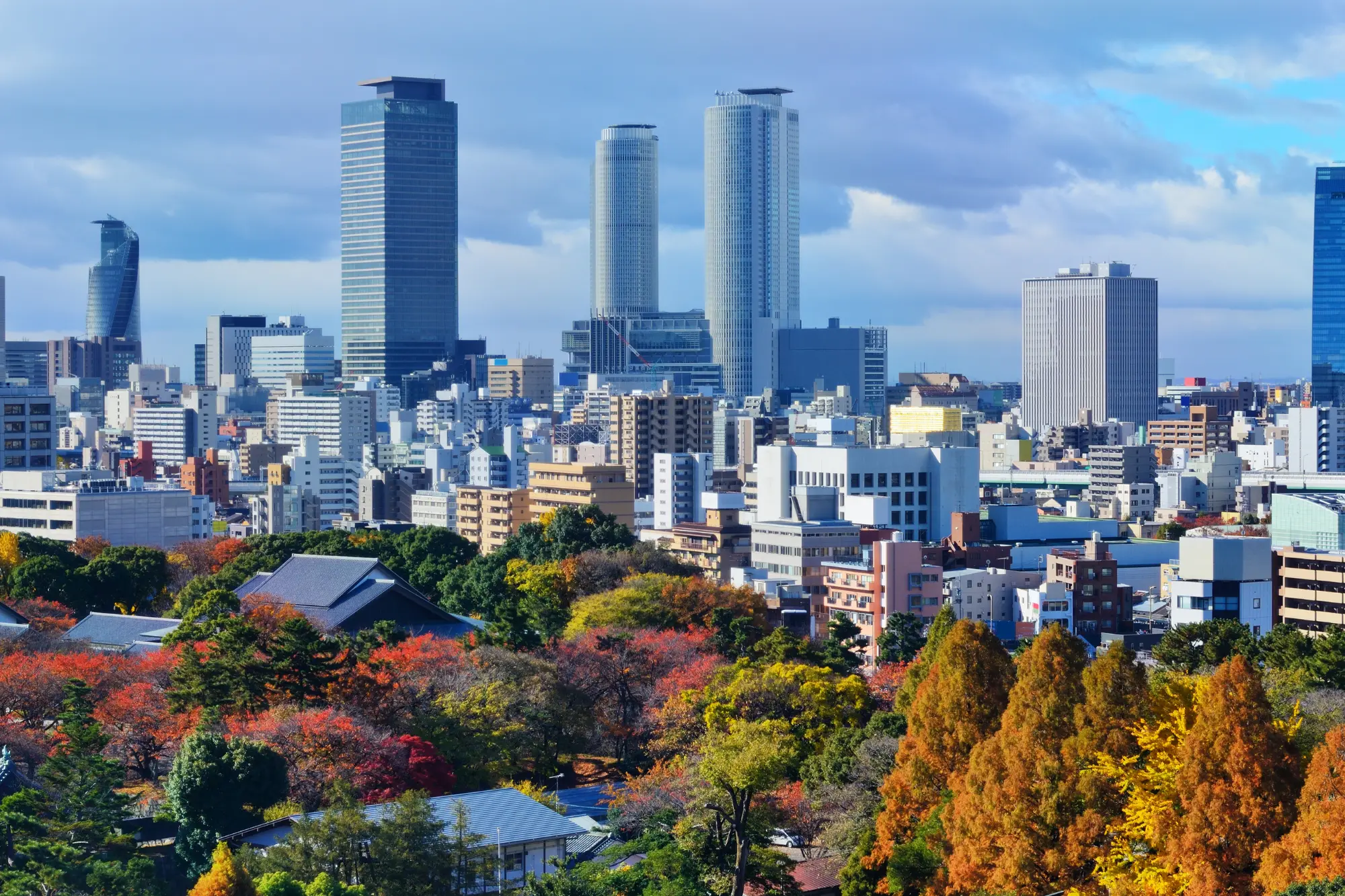
About Nagoya
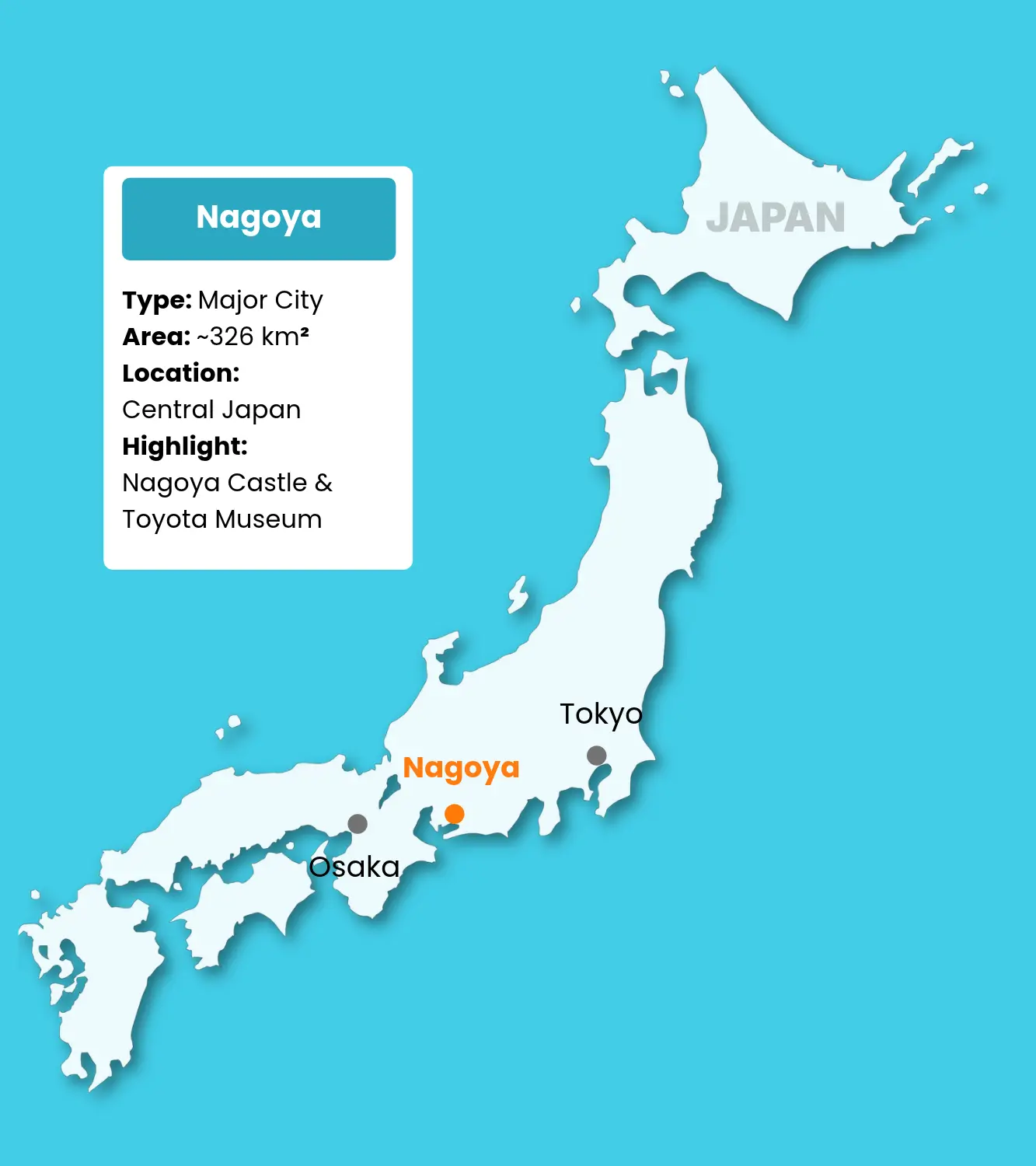
Nagoya is the capital of Aichi Prefecture and one of Japan’s largest urban centers. Located in the Chubu region, the city sits roughly between Tokyo and Kyoto-Osaka, making it an important transportation and business hub.
Nagoya is particularly known for its connection to Japan’s automobile and manufacturing industries, while its historical attractions reflect the city’s important role during the samurai era. Today, modern shopping districts, museums, traditional shrines, parks, and observation decks create a diverse city experience.
Nagoya at a Glance
- Location: Aichi Prefecture, Central Japan
- Region: Chubu
- Area: Approximately 326 km²
- Known for: Nagoya Castle, Atsuta Jingu, Toyota heritage, local cuisine, and modern city attractions
- Main areas: Nagoya Station, Sakae, Fushimi, Osu, Kanayama
- Main transport hub: Nagoya Station
- Best for: History, culture, food, shopping, museums, and city sightseeing
History of Nagoya
Nagoya has a long connection with Japan’s samurai history. The city became particularly important during the Edo period after Tokugawa Ieyasu established Nagoya Castle in the early 17th century. The castle became the center of the Owari domain and contributed to the development of Nagoya as an important regional city.
Nagoya later developed into a major industrial center, especially in textiles and manufacturing. The region’s industrial heritage eventually became closely connected with the growth of the Toyota Group, which continues to shape Nagoya and the wider Aichi region today.
This combination of samurai history and industrial innovation gives Nagoya a distinctive identity compared with other major Japanese cities.
Geography of Nagoya
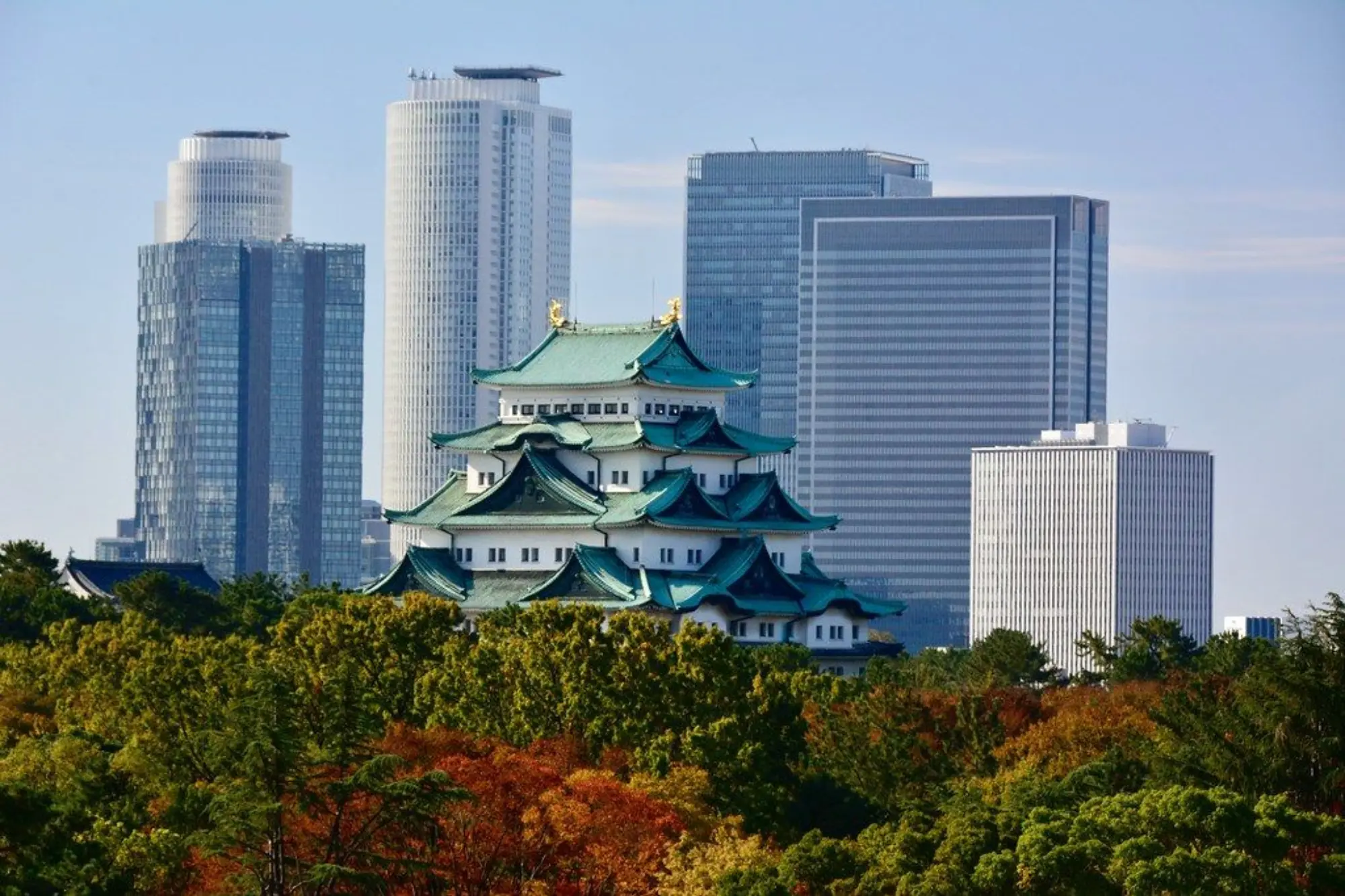
Nagoya is located in Aichi Prefecture in Central Japan, on the Pacific coast of the country. The city sits on the Nōbi Plain, with the Kiso Three Rivers to the west and the hills of central Japan extending toward the east. Its strategic location between Tokyo and Osaka has made Nagoya an important transportation, commercial, and industrial center.
- Location: Aichi Prefecture, Central Japan
- Region: Chubu region
- Area: Approximately 326 km²
- Setting: Nōbi Plain, near Ise Bay
- Coastline: Located along the northern part of Ise Bay
- Main River Systems: Kiso River, Nagara River, and Ibi River
- Elevation: Mostly low-lying and relatively flat
- Climate: Humid subtropical climate, with hot, humid summers and cool winters
- Nearby Cities: Gifu, Toyota, Okazaki, and Yokkaichi
- Distance: Approximately 260 km from Tokyo and 170 km from Osaka
Nagoya’s relatively flat terrain and central position have supported the development of its transportation network, manufacturing industries, and urban districts. Today, the city is also an important gateway to destinations across the Chubu region.
Culture & Local Life in Nagoya

Nagoya’s culture combines samurai heritage, traditional Japanese customs, local food, and modern industrial influences. The city’s history is closely connected with the Tokugawa family, while its manufacturing heritage continues to shape its identity today.
- Samurai Heritage: Nagoya Castle and other historical sites reflect the city’s important role during the Edo period.
- Religious Traditions: Atsuta Jingu (熱田神宮, Atsuta Jingū) and numerous Buddhist temples highlight the importance of Shinto and Buddhist traditions.
- Nagoya-meshi: Local cuisine is an essential part of the city’s identity, with specialties such as miso katsu, hitsumabushi, tebasaki, and miso nikomi udon.
- Local Life: Osu offers a lively mix of shopping streets, restaurants, temples, and independent stores, while Sakae represents Nagoya’s modern shopping and entertainment scene.
Best Places to Visit in Nagoya
Nagoya offers a mix of historical landmarks, cultural sites, museums, shopping districts, and modern viewpoints. These are some of the best places to visit in Nagoya.
1. Nagoya Castle
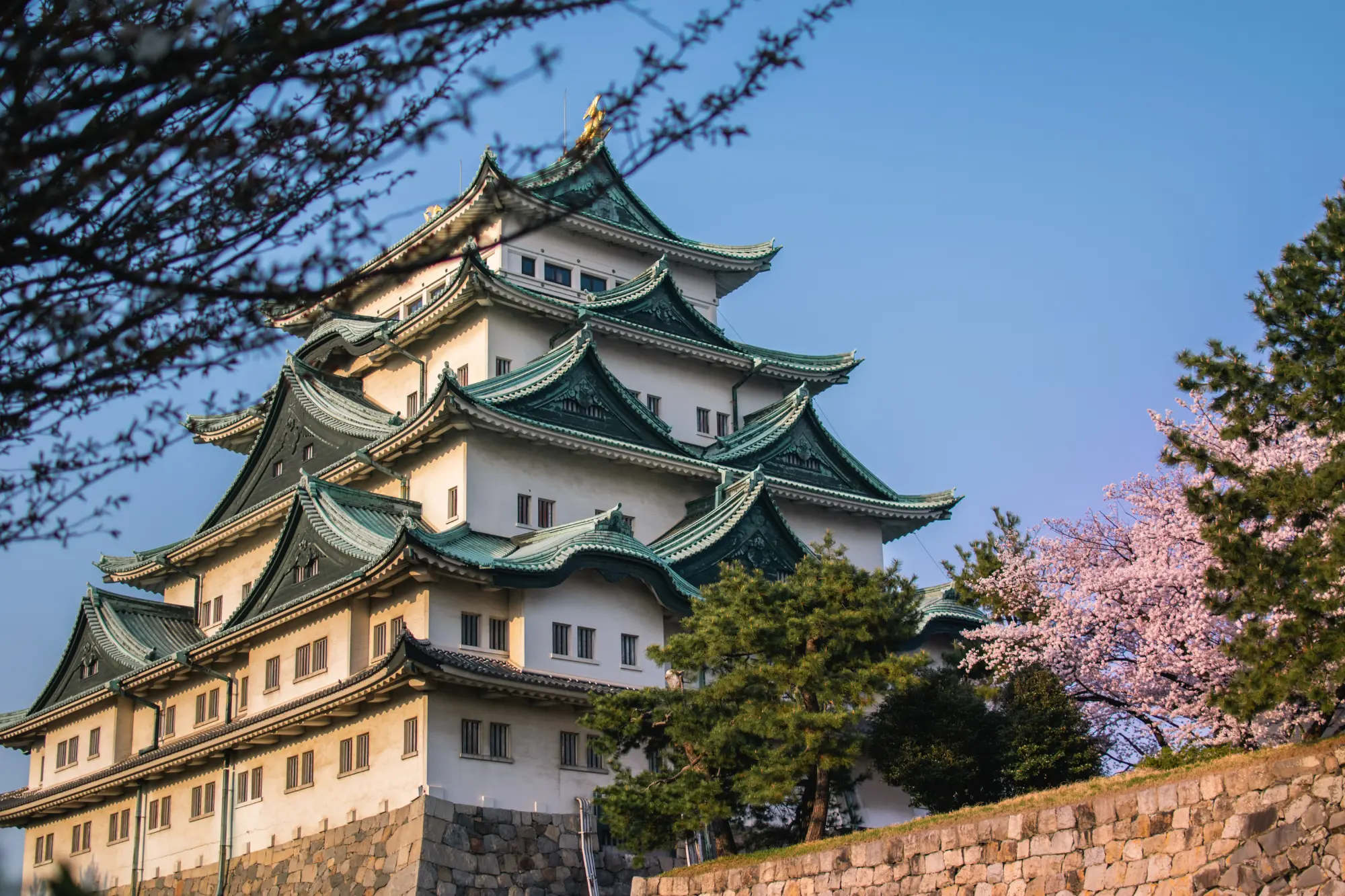
Nagoya Castle (名古屋城, Nagoya-jō) is one of the city’s most recognizable landmarks and an important symbol of its samurai heritage. Originally built in the early 17th century, the castle was closely associated with the Tokugawa family and the Owari domain.
The castle grounds feature traditional architecture, gardens, and the famous golden shachihoko ornaments that decorate the roof.
- Location: Central Nagoya
- Best for: History, architecture, Japanese culture
- Suggested time: 1.5-2 hours
- Activities: Exploring the castle grounds, photography, learning about samurai history
- Tip: Combine your visit with other attractions in central Nagoya.
2. Atsuta Jingu Shrine
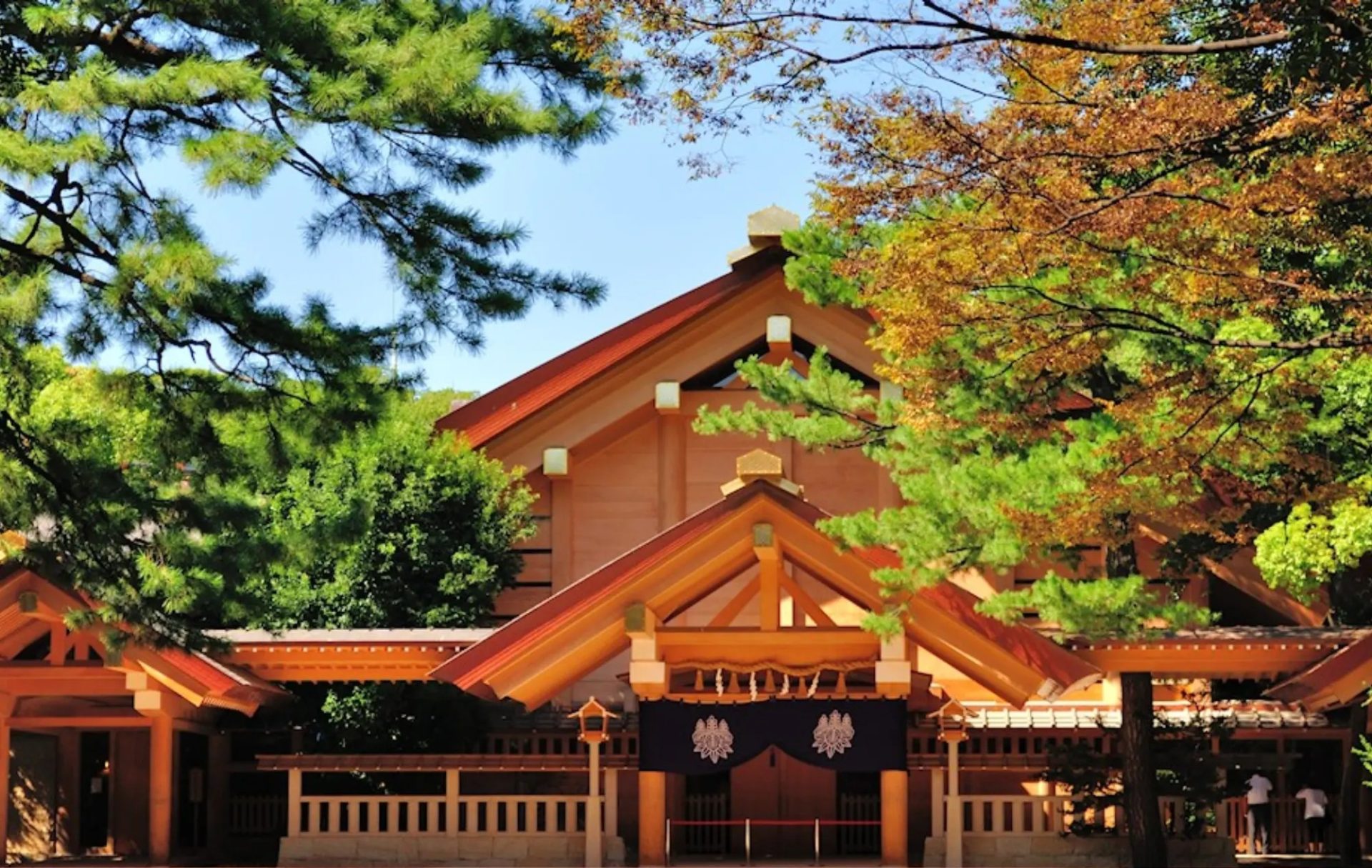
Atsuta Jingu (熱田神宮, Atsuta Jingū) is one of Japan’s most important Shinto shrines and has a history dating back almost 2,000 years. The shrine is associated with Kusanagi-no-Tsurugi, one of Japan’s Three Sacred Imperial Regalia.
Located within a large forested area in southern Nagoya, Atsuta Jingu provides a peaceful contrast to the surrounding city. The shrine is open year-round, while its Treasure Hall displays historical objects and religious artifacts.
- Location: Atsuta Ward
- Best for: Japanese culture, spirituality, history
- Suggested time: 1-1.5 hours
- Activities: Shrine visits, walking, photography, cultural exploration
- Tip: Visit early in the day for a quieter atmosphere.
3. Nagoya Sky Promenade
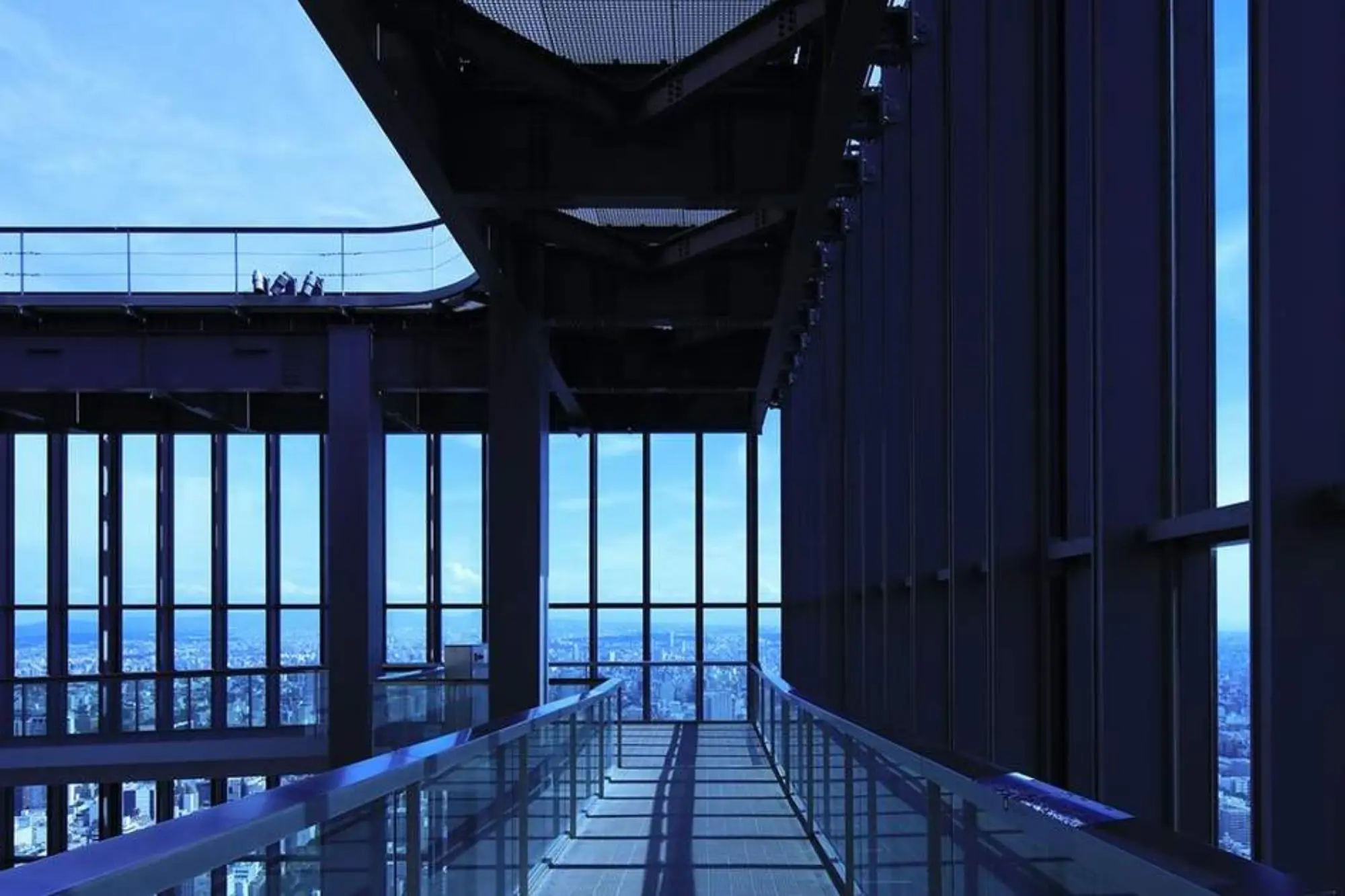
Nagoya Sky Promenade is an outdoor observation deck located on the 44th-46th floors of Midland Square, near Nagoya Station. At approximately 220 meters above the ground, it offers almost 360-degree views across Nagoya.
The open-air design allows visitors to experience the city from above while enjoying the changing atmosphere between daytime and evening. It is particularly appealing around sunset and after dark, when Nagoya’s city lights become part of the view.
- Location: Midland Square, Nagoya Station
- Height: Approximately 220 m
- Best for: City views, photography, sunset, night scenery
- Suggested time: 45-60 minutes
- Activities: Observation, photography, enjoying panoramic views
- Tip: Check the weather before visiting, as the outdoor observation deck may close during severe weather.
Current opening hours: Normally 11:00 AM-10:00 PM, with last admission at 9:30 PM. Seasonal hours may vary.
4. Toyota Commemorative Museum of Industry and Technology
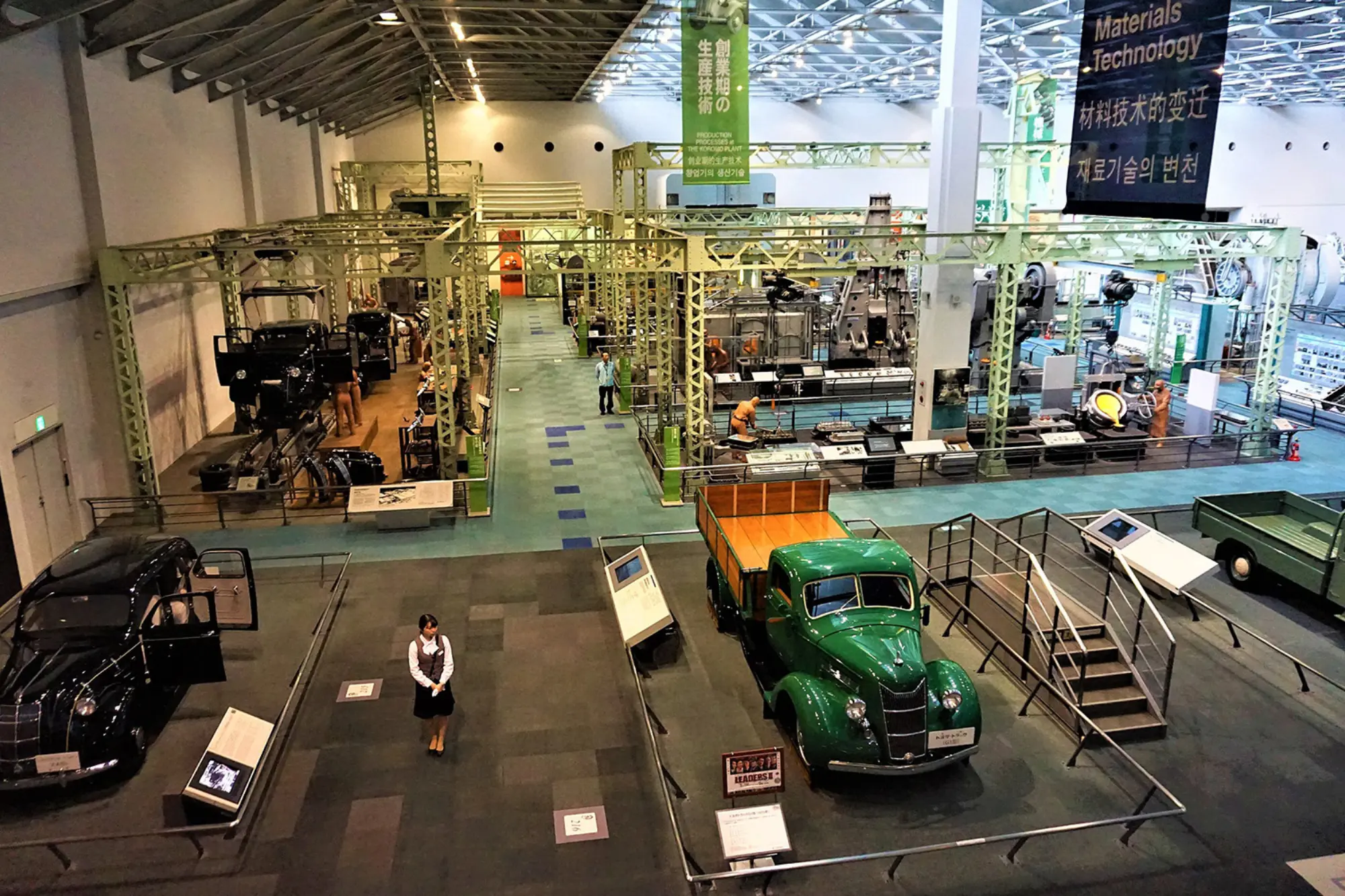
The Toyota Commemorative Museum of Industry and Technology introduces the development of Toyota’s industrial and manufacturing technologies. The museum is located in a preserved factory building connected to the early history of the Toyota Group.
Visitors can explore exhibits covering both textile machinery and automobile technology, with demonstrations showing how manufacturing processes developed over time.
- Location: Near Nagoya Station
- Best for: Technology, industry, families, automotive enthusiasts
- Suggested time: 2-3 hours
- Activities: Museum visits, machinery demonstrations, learning about manufacturing
- Tip: Allow several hours if you want to explore both main exhibition areas.
5. Osu Shopping District
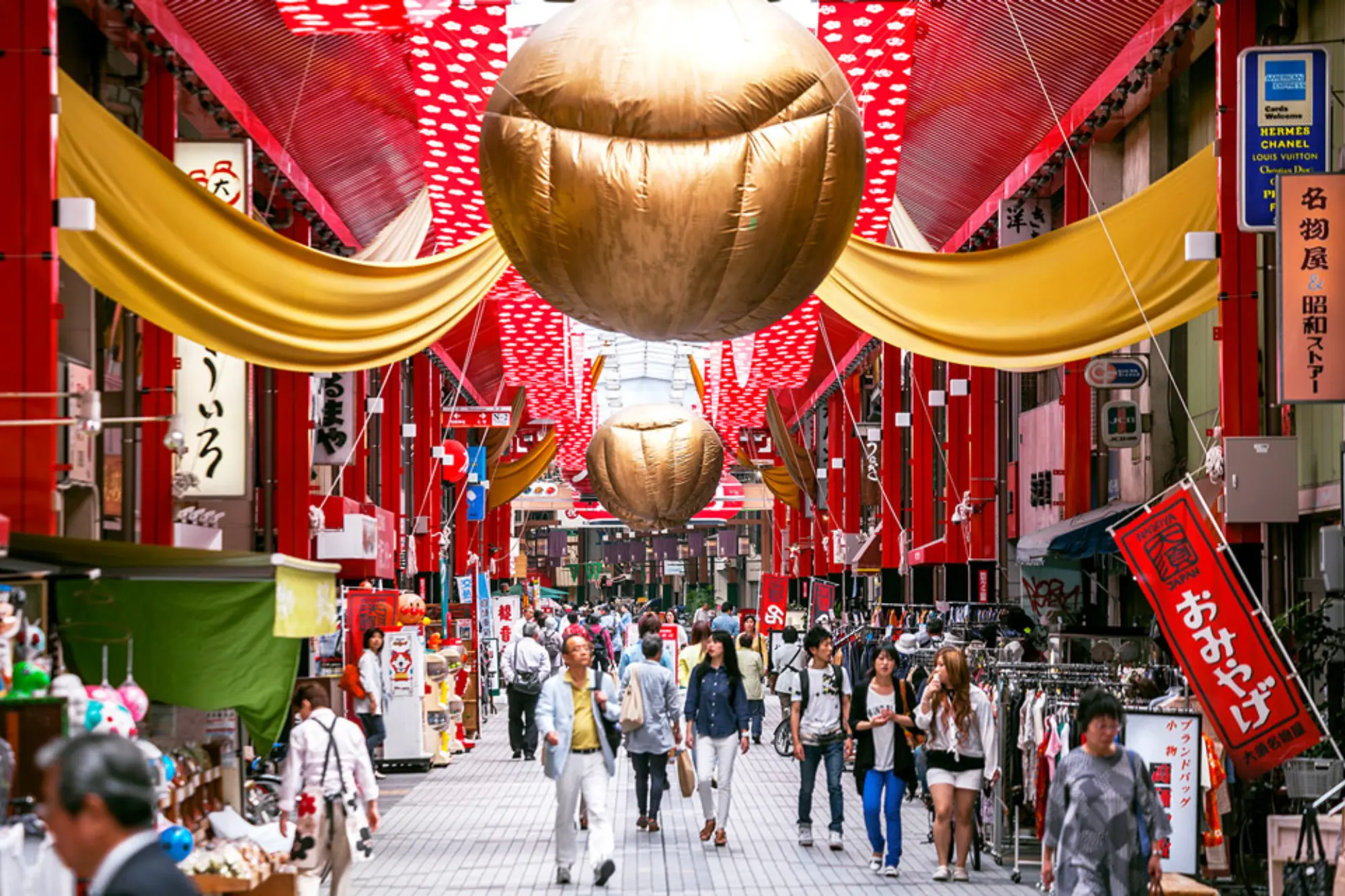
Osu is one of Nagoya’s liveliest areas, combining shopping streets, restaurants, entertainment, temples, and local culture. Its atmosphere is more casual and eclectic than the city’s major department-store districts.
It is a good place to explore independently, browse small shops, try local food, and experience everyday urban life.
- Location: Osu, central Nagoya
- Best for: Shopping, food, local atmosphere
- Suggested time: 2-3 hours
- Activities: Shopping, street food, temple visits, photography
- Tip: Visit around lunchtime and stay into the afternoon to explore the surrounding streets.
6. Sakae & Hisaya-odori Park
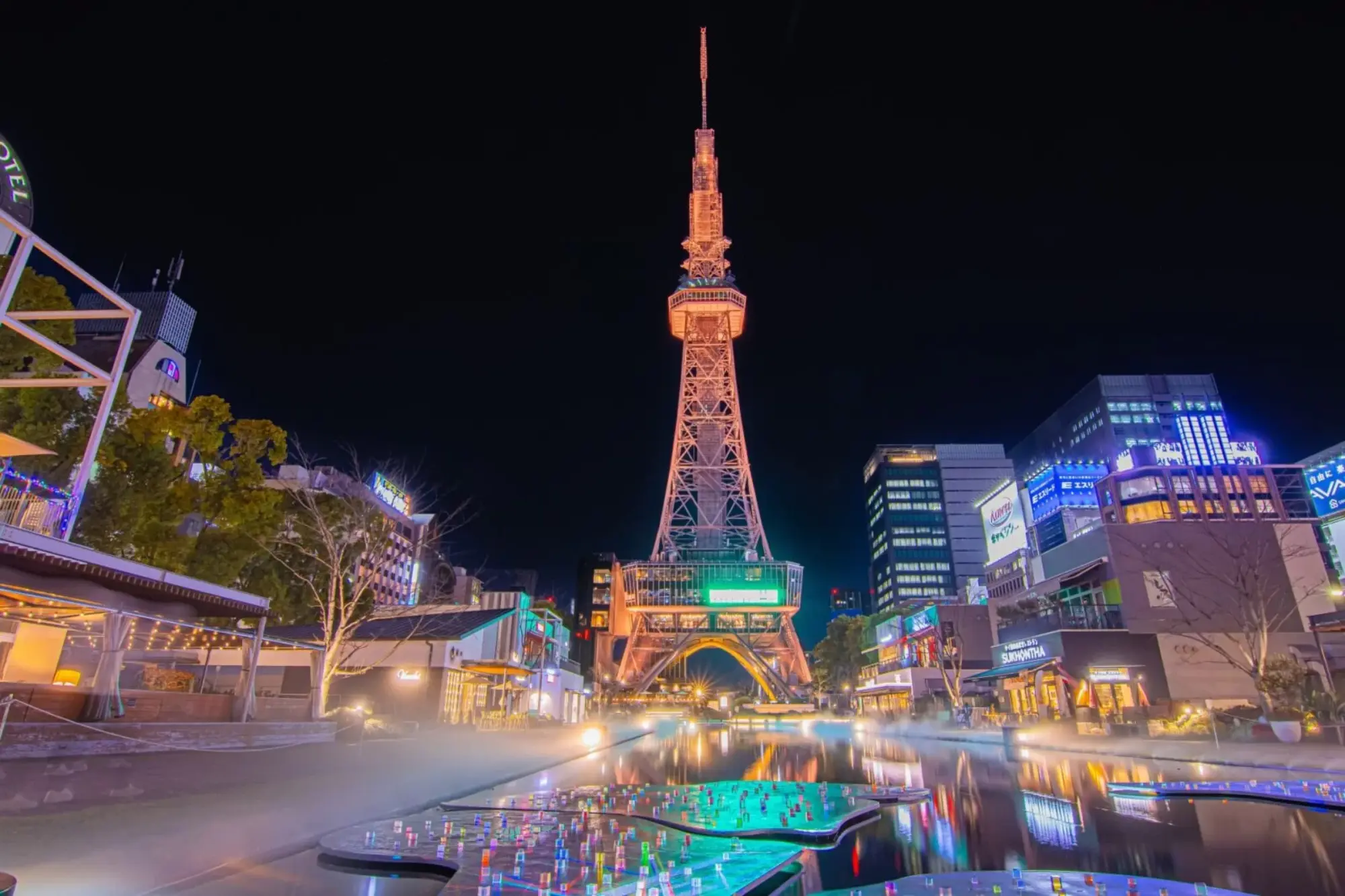
Sakae is one of Nagoya’s main shopping and entertainment districts. The area combines department stores, restaurants, cafes, fashion shops, and urban attractions.
Nearby Hisaya-odori Park provides a green open space in the center of the city and is also home to the Chubu Electric Power MIRAI TOWER, where visitors can enjoy elevated views of Nagoya.
- Location: Sakae
- Best for: Shopping, dining, city views, nightlife
- Suggested time: 2-4 hours
- Activities: Shopping, dining, walking, sightseeing
- Tip: Sakae is especially convenient to visit in the late afternoon and evening.
Nagoya’s Local Food
Trying Nagoya-meshi (名古屋めし) is one of the best things to do in Nagoya. The city is known for its distinctive food culture, with many local dishes featuring rich flavors, red miso, grilled meats, and hearty noodles. From traditional specialties to unique café treats, Nagoya offers plenty of flavors you may not find elsewhere in Japan.

Must-try dishes include:
- Hitsumabushi: Grilled eel served over rice, traditionally enjoyed in several ways plain, with seasonings, and with dashi broth.
- Miso Katsu: A crispy pork cutlet topped with a rich, slightly sweet red miso sauce, giving the classic tonkatsu a distinctly Nagoya-style flavor.
- Miso Nikomi Udon: Thick, chewy udon noodles simmered in a rich red miso broth, often served with chicken, egg, and green onions.
- Tebasaki: Nagoya-style chicken wings seasoned with a savory-sweet sauce, pepper, and sesame seeds.
- Kishimen: Flat, wide noodles served in a light soy-based broth, usually topped with green onions, fish cake, and bonito flakes.
- Ogura Toast: A popular Nagoya café specialty featuring crispy toast topped with sweet red bean paste and butter.
Best Time to Visit Nagoya
Nagoya can be visited year-round, but spring and autumn are generally the best seasons for sightseeing because of their mild temperatures and comfortable conditions for walking. Summer is hot and humid, while winter is cooler and drier, making it better suited to indoor attractions, shopping, and city activities.
|
Season |
Typical Weather | Highlights |
Best For |
| Spring (Mar–May) | Mild and comfortable, with cherry blossoms in late March–early April | Cherry blossoms, parks, pleasant city walks | Sightseeing, photography, outdoor activities |
| Summer (Jun–Aug) | Hot, humid, with a rainy season in June–July | Festivals, green scenery, indoor attractions | Museums, shopping, cultural experiences |
| Autumn (Sep–Nov) | Cooler and generally comfortable, with colorful foliage | Autumn leaves, pleasant walking weather | Sightseeing, photography, day trips |
| Winter (Dec–Feb) | Cool and relatively dry; occasional cold spells | Winter city views, illuminations, shopping | Museums, shopping, indoor attractions |
Which Season Is Best for a Nagoya Visit?
Spring and autumn are the best overall choices for a Nagoya visit. Spring is ideal for travelers who want to see cherry blossoms and enjoy outdoor sightseeing, while autumn offers cooler temperatures and colorful foliage.
Summer can be less comfortable for walking because of the heat and humidity, although it is a good time for festivals and indoor attractions. Winter is cooler but generally suitable for exploring museums, shopping areas, and Nagoya’s city attractions.
- Best overall: Spring (March-May) and Autumn (September-November)
- Best for cherry blossoms: Late March-early April
- Best for autumn foliage: November
How to Get Around Nagoya
Nagoya has an extensive public transportation network, making it easy to explore the city without a car. The subway, JR trains, Meitetsu Railway, and local buses cover most major areas and attractions.
- Subway (地下鉄, Chikatetsu): The easiest option for central areas such as Sakae, Fushimi, Osu, and Nagoya Station.
- JR Trains (JR線, JR-sen): Useful for traveling from Nagoya Station to destinations outside the city and nearby areas.
- Meitetsu Railway (名鉄, Meitetsu): Convenient for exploring Aichi Prefecture and traveling between Nagoya and Chubu Centrair International Airport.
- City Buses (市バス, Shi-basu): Useful for attractions that are not directly connected by subway or train.
- Me~guru Sightseeing Bus (メーグル, Mēguru): A sightseeing bus connecting major tourist attractions such as Nagoya Castle and Tokugawa Art Museum, making it convenient for first-time visitors.
- Walking (徒歩, Toho): Ideal for exploring compact areas such as Osu and Sakae, where shops, restaurants, temples, and attractions are close together.
Tip: An IC card (ICカード, IC kādo) makes paying for trains, subways, and buses more convenient. For sightseeing, combining public transportation with walking is usually the most efficient way to explore Nagoya.
What to Know Before Visiting Nagoya?
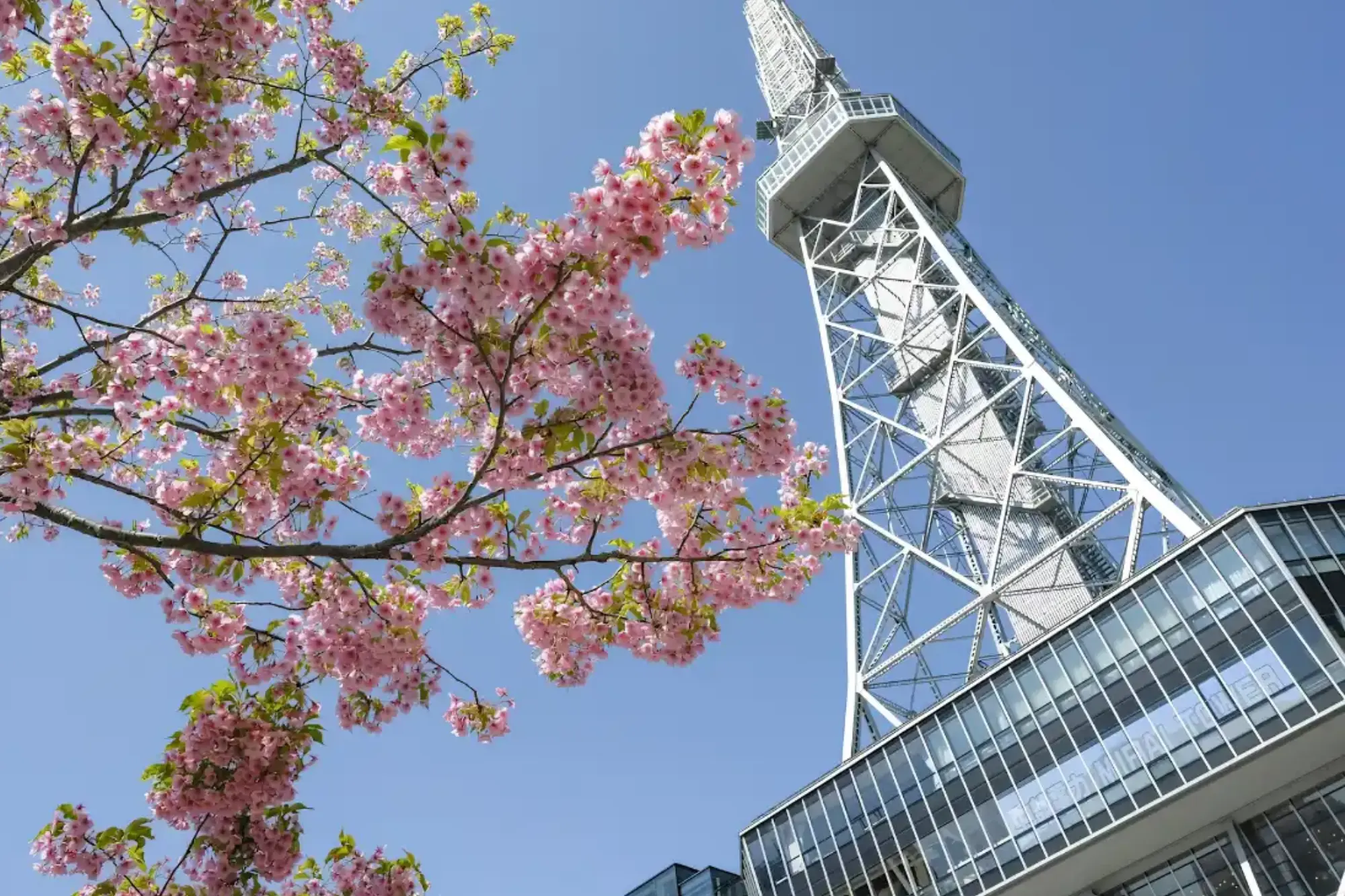
Before your Nagoya visit, a little planning can make it easier to get around and make the most of your time. Knowing the best ways to travel, where to stay, and what to expect can help you enjoy a smoother trip.
- Plan by area: Nagoya’s attractions are spread across different districts, so group nearby places together to save travel time.
- Use public transportation: The subway and train networks are convenient for reaching major attractions. A transportation IC card can make paying for journeys easier.
- Check opening hours: Museums, castles, and observation decks may have different opening days and hours, so check before visiting.
- Book popular experiences early: Attractions such as Nagoya Sky Promenade can become busier during weekends, holidays, and sunset hours.
- Try local food: Make time to try Nagoya-meshi, especially miso katsu, hitsumabushi, tebasaki, and miso nikomi udon.
- Carry cash: Although cards and IC payments are widely accepted, some smaller restaurants and local shops may still prefer cash.
- Allow extra time for day trips: If you plan to visit destinations outside Nagoya, check train or bus schedules and allow enough time for your return journey.
- Wear comfortable shoes: Many of the best places to visit in Nagoya involve walking through large castle grounds, shrine areas, shopping streets, and parks.
Frequently Asked Questions About Nagoya
1. Is Nagoya worth visiting?
Yes. Nagoya is a good destination for travelers interested in Japanese history, food, technology, shopping, and city life. It also offers a convenient base for exploring other destinations in central Japan.
2. What are the best things to do in Nagoya?
Some of the best things to do in Nagoya include visiting Nagoya Castle, Atsuta Jingu, Nagoya Sky Promenade, and Osu Shopping District. Trying local specialties such as miso katsu and hitsumabushi is also a must during your visit.
3. What are the best places to visit in Nagoya?
The best places to visit in Nagoya include Nagoya Castle, Atsuta Jingu, Sakae, Osu, Nagoya Station, and Nagoya Sky Promenade. Together, they offer a mix of history, culture, shopping, food, and city views.
4. Is Nagoya Sky Promenade worth visiting?
Yes. Located near Nagoya Station, Nagoya Sky Promenade stands about 220 meters above the ground and offers almost 360-degree views of the city. Sunset and evening are particularly good times to enjoy the view.
5. How long do you need in Nagoya?
1–2 days is enough to visit the main attractions in Nagoya. Stay for 3 days or more if you want to explore more museums, local neighborhoods, food spots, or nearby destinations.
Conclusion
Nagoya offers a combination of history, culture, food, technology, and modern city experiences. From the historic atmosphere of Nagoya Castle and Atsuta Jingu to the lively streets of Osu and the panoramic views from Nagoya Sky Promenade, the city provides plenty of reasons to stay beyond a short stopover. Planning a Nagoya visit is also easy thanks to its central location and excellent transportation connections. Nagoya is a rewarding destination to include in your Japan itinerary, whether you are interested in places to visit in Nagoya, local food, Japanese history, or modern city views.
Explore Japan with Nicetrips Package Tours and discover more destinations, practical travel guides, and Japan tour packages on the Nicetrips Blog.