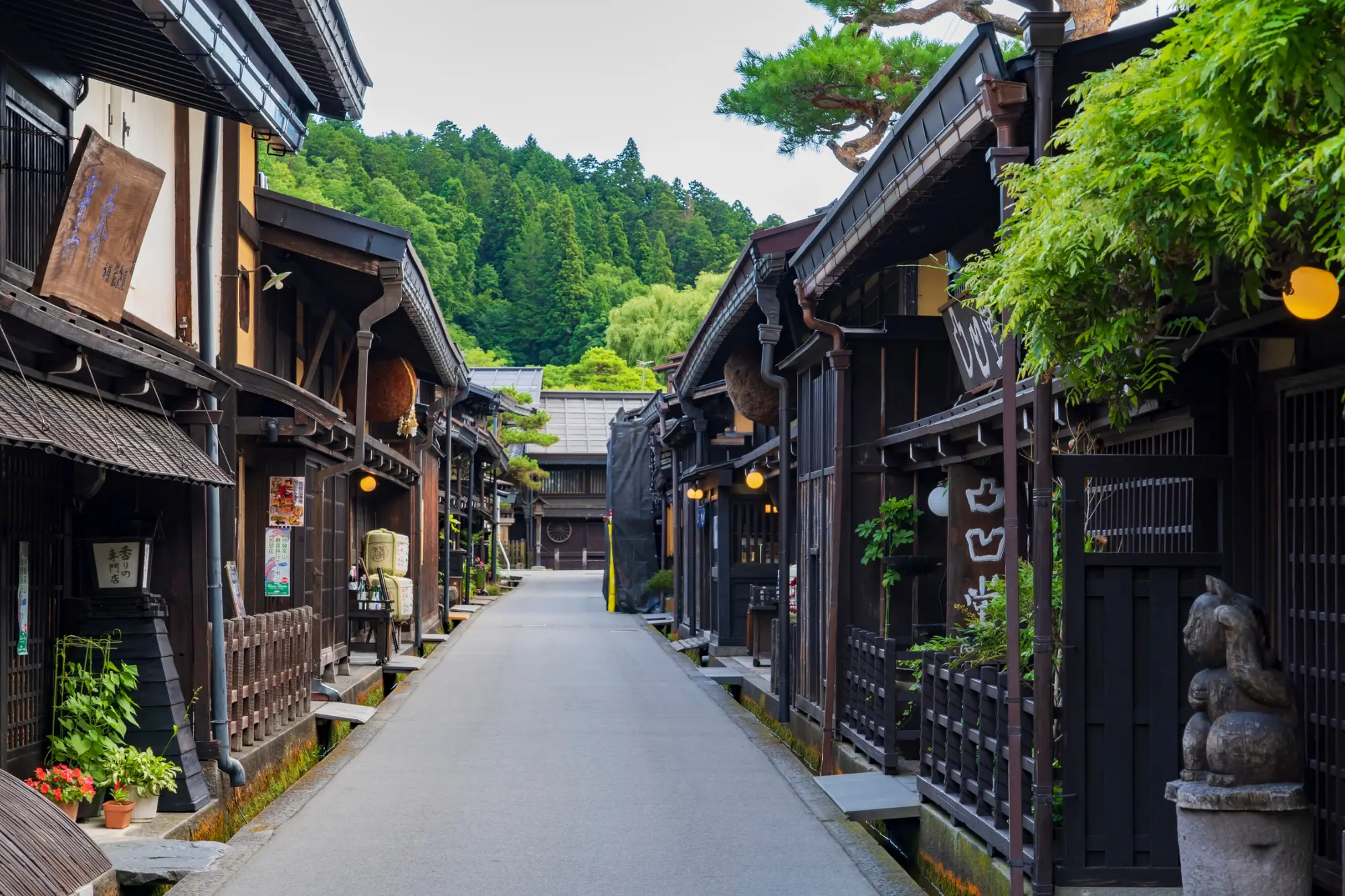
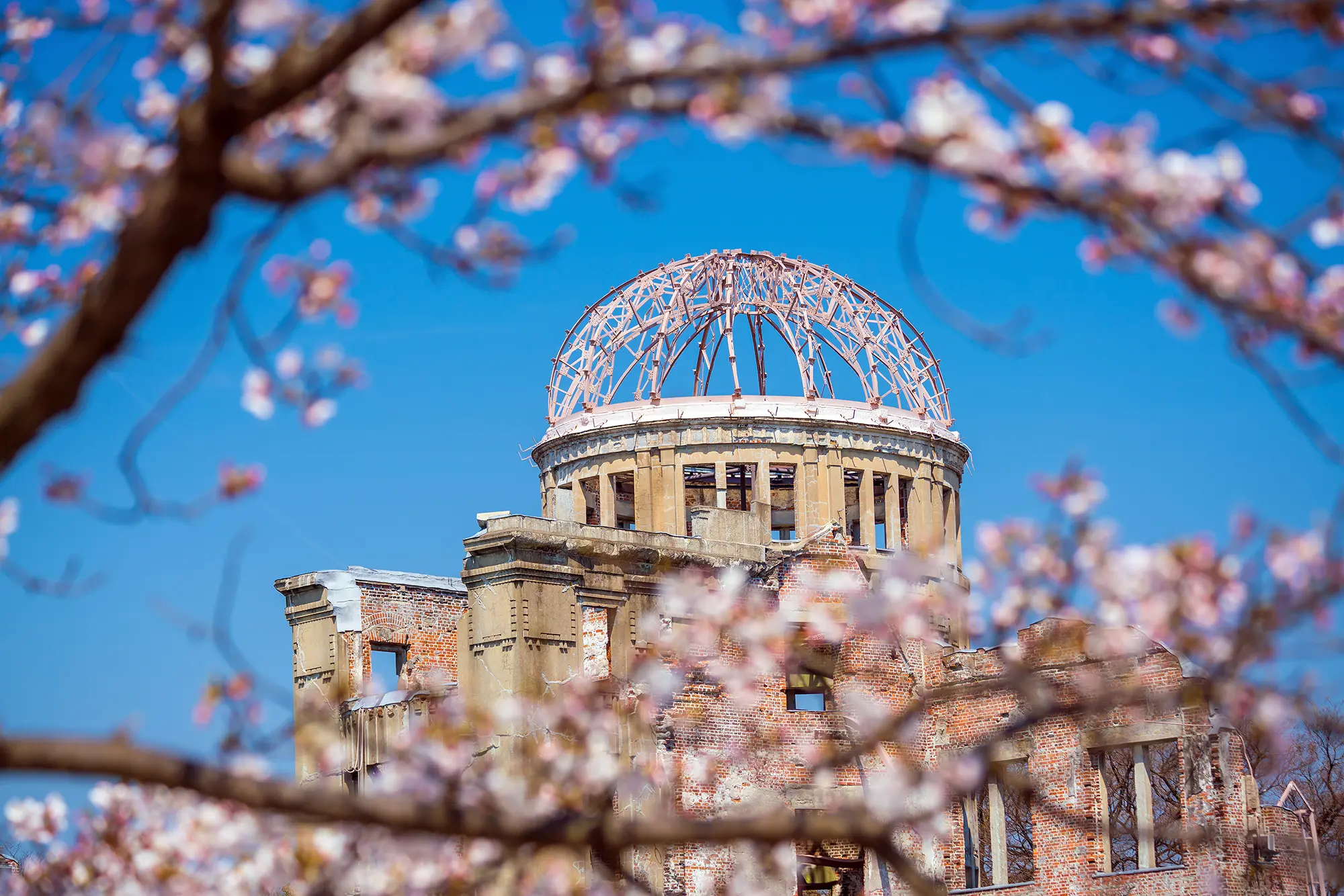
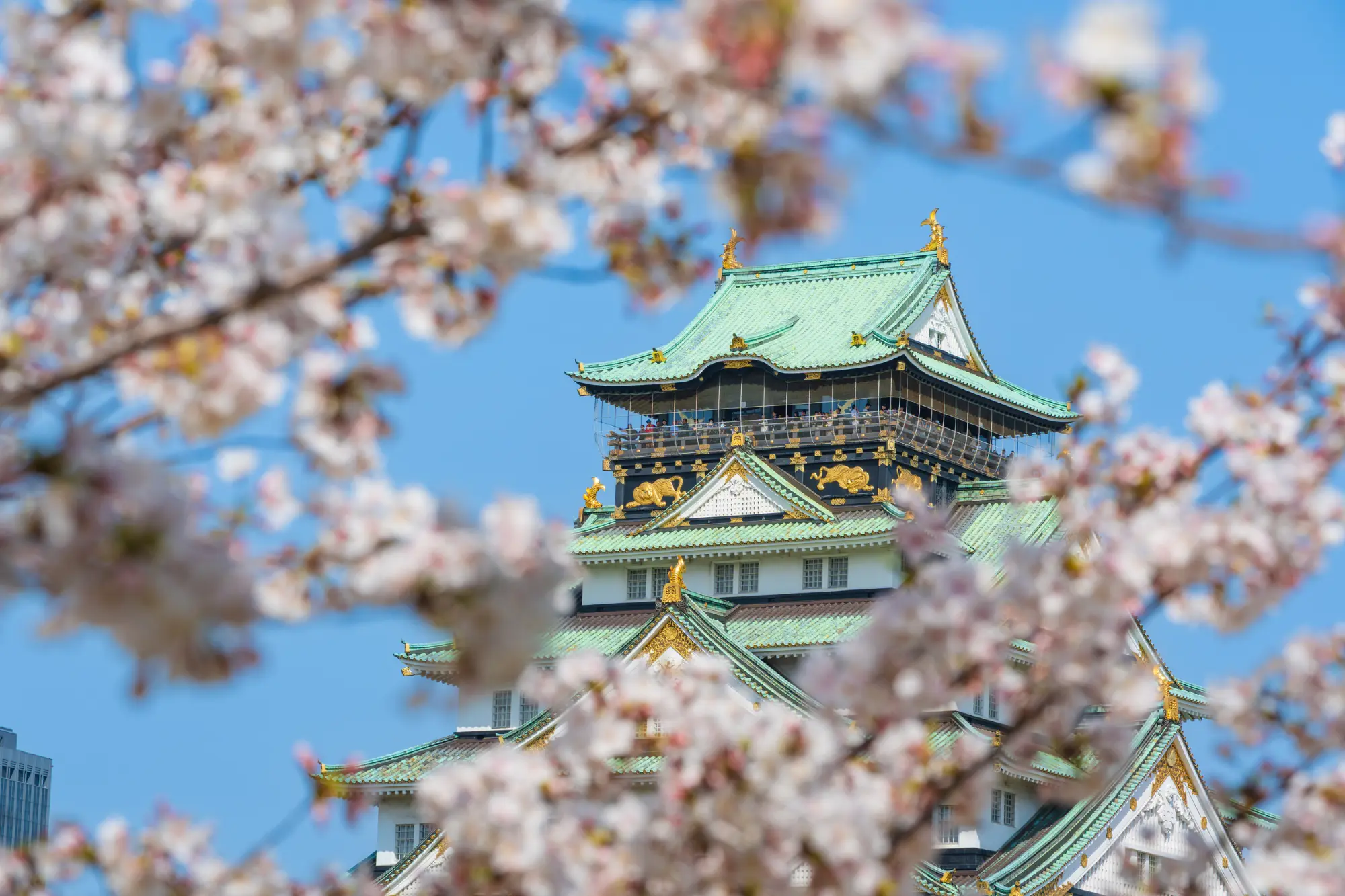
Tokyo is Japan’s capital and one of the world’s most dynamic cities, where traditional culture, modern technology, shopping, entertainment, and world-class cuisine come together. Tokyo offers diverse experiences for every traveler, from historic temples and imperial landmarks to vibrant shopping districts and futuristic city views. Whether you are planning your first Tokyo travel experience, searching for the best places to visit in Tokyo, or discovering the city through Tokyo food, there is always something new to explore. This Tokyo Travel Guide covers the city’s top attractions, culture, best time to visit, transportation, local food, and practical travel tips for planning a memorable trip.
About Tokyo
Tokyo is the capital of Japan and the country’s political, economic, and cultural center. The modern metropolis grew from Edo, which became the seat of the Tokugawa shogunate (とくがわばくふ) in 1603 and developed into a major urban center over the following centuries.
Today, Tokyo combines historic neighborhoods and traditional landmarks with modern business districts, shopping areas, museums, entertainment complexes, and innovative architecture. The Tokyo Metropolitan Government describes the metropolis as comprising 23 special wards, 26 cities, 5 towns, and 8 villages, covering approximately 2,200 km².
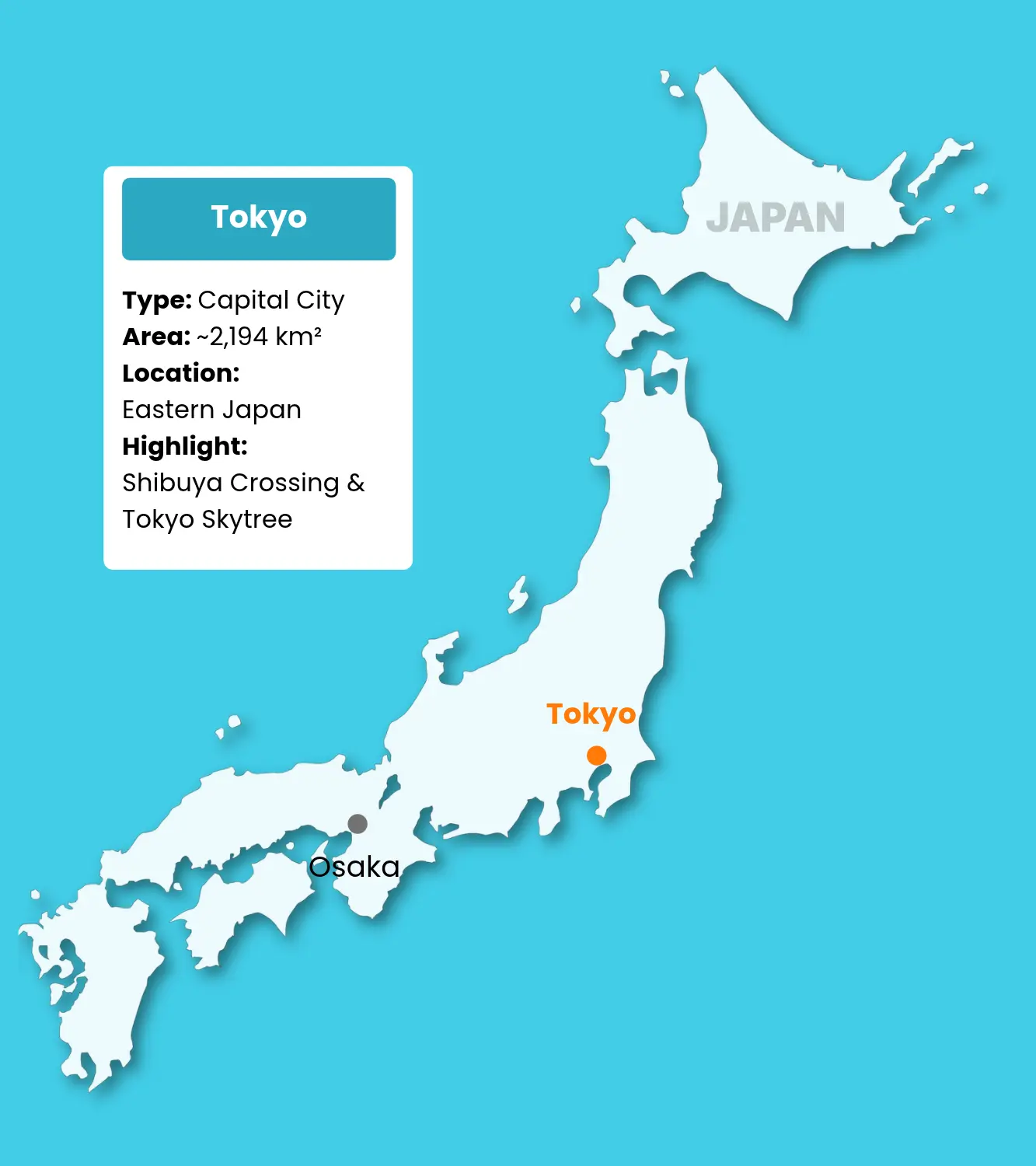
Tokyo at a Glance
- Location: Southern Kanto, Central Japan
- Area: Approx. 2,200 km²
- Known for: Temples, shrines, shopping, technology, food, nightlife, and pop culture
- Main areas: Shibuya, Shinjuku, Asakusa, Ginza, Akihabara, Ueno, Tokyo Station, and Harajuku
- Best for: First-time visitors, culture, food, shopping, entertainment, and city sightseeing
- Transportation hub: Tokyo Station, Shinjuku Station, Shibuya Station, and other major railway stations
Tokyo’s size can initially feel overwhelming, but its well-developed railway and subway network makes it possible to explore different neighborhoods efficiently.
Geography of Tokyo
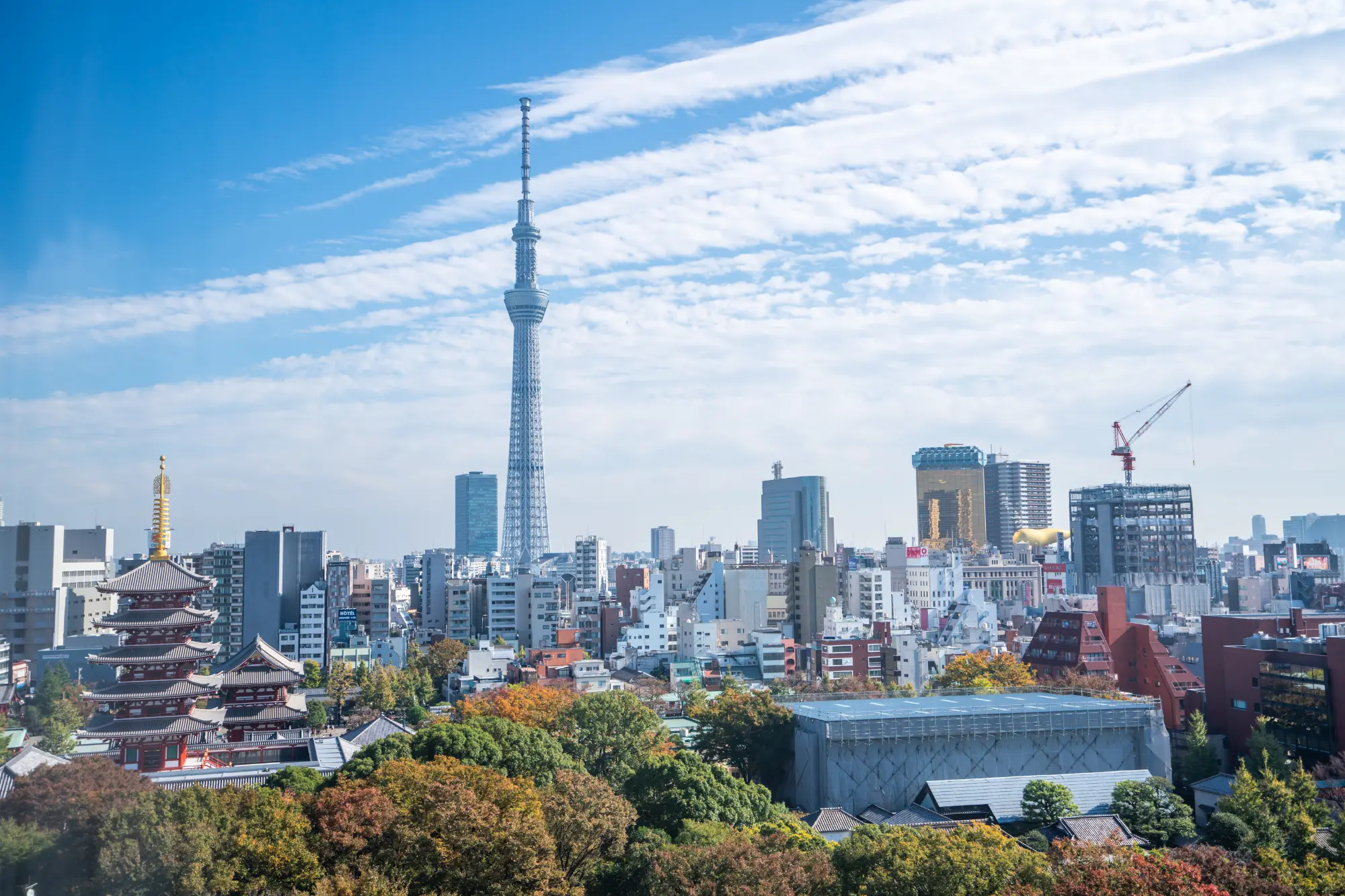
Tokyo is located in the southern part of the Kanto region, roughly in the center of the Japanese archipelago. The metropolis extends from the densely developed 23 wards to the greener Tama area and remote Pacific islands.
Tokyo’s Main Geographic Features
- Eastern Tokyo: Low-lying urban areas around the Sumida and Edogawa rivers.
- Central Tokyo: Dense commercial and cultural districts including Ginza, Tokyo Station, Shinjuku, and Shibuya.
- Western Tokyo: The Tama area gradually becomes greener and more mountainous.
- Tokyo Bay: The waterfront includes modern districts such as Odaiba and Toyosu.
- Okutama & Western Tokyo: Mountain landscapes, forests, hiking trails, and outdoor activities.
This geographical diversity means Tokyo travel is not limited to skyscrapers and busy streets. Visitors can also find gardens, rivers, mountains, traditional neighborhoods, and coastal areas within the wider metropolis.
History of Tokyo
Tokyo’s history is closely connected with its former name, Edo (江戸, えど).
From Edo to Tokyo
In 1603, Tokugawa Ieyasu established the Tokugawa shogunate in Edo. The city gradually developed into the political and administrative center of Japan, while its population and commercial importance continued to grow.
In 1868, following the Meiji Restoration, Edo was renamed Tokyo, meaning “Eastern Capital”. The Imperial Court moved from Kyoto to Tokyo, beginning a new era in the city’s development.
Modern Tokyo
Tokyo expanded rapidly during the late 19th and 20th centuries, becoming Japan’s political, economic, and cultural center.
Despite earthquakes, wartime destruction, and extensive redevelopment, Tokyo preserved many historic temples, shrines, gardens, and traditional neighborhoods. Today, the city is known for its ability to combine historical heritage with modern architecture and technology.
Culture & Local Life in Tokyo
Tokyo’s culture reflects centuries of Japanese history while constantly adapting to modern lifestyles.
- Traditional Culture: Temples, shrines, gardens, tea culture, traditional crafts, and seasonal festivals remain an important part of the city.
- Pop Culture: Anime, manga, gaming, fashion, and contemporary entertainment have made areas such as Akihabara and Harajuku internationally famous.
- Neighborhood Culture: Each district has its own character, from the traditional atmosphere of Asakusa to the youthful energy of Shibuya.
- Food Culture: Tokyo combines traditional Japanese cuisine, regional specialties from across Japan, and international dining.
- Seasonal Life: Cherry blossoms, summer festivals, autumn foliage, and winter illuminations shape the city’s calendar.
Tokyo’s official tourism guide highlights culture, local food, temples and shrines, anime and manga, shopping, traditional performing arts, and outdoor experiences as major parts of the city’s tourism identity.
Best Places to Visit in Tokyo
Tokyo has an enormous number of attractions, so first-time visitors should focus on areas that offer a combination of history, culture, city views, shopping, and local life.
1. Imperial Palace Tokyo
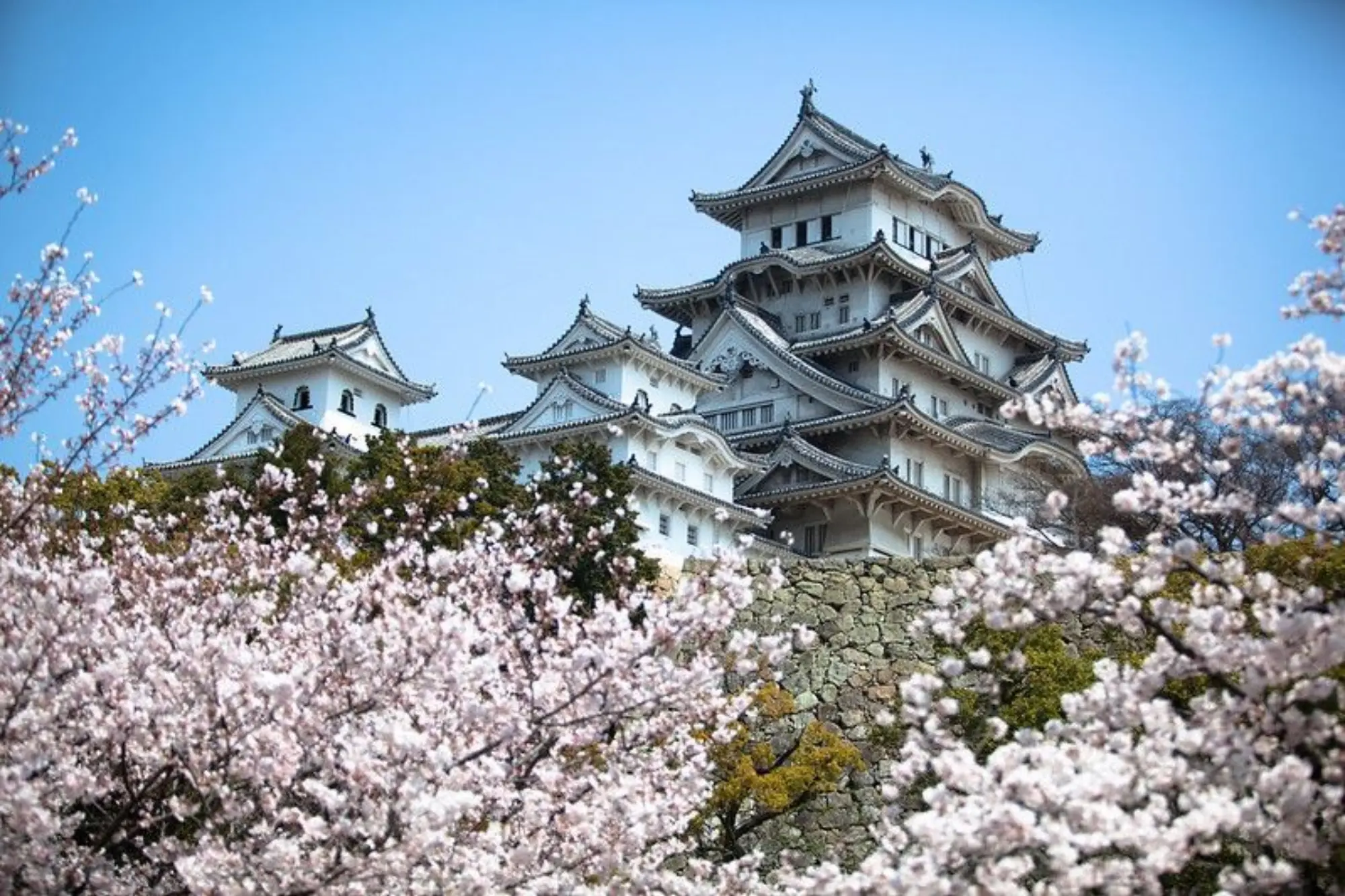
The Imperial Palace Tokyo is one of the city’s most important historical landmarks and the main residence of the Emperor of Japan. It stands on the former site of Edo Castle and is surrounded by gardens, historic structures, and large open spaces.
The East Gardens of the Imperial Palace are open to the public free of charge. The gardens incorporate parts of the former Honmaru, Ninomaru, and Sannomaru areas of Edo Castle.
- Location: Chiyoda, central Tokyo
- Best for: History, gardens, architecture, photography
- Suggested time: 1.5-2 hours
- Price: Free
- Highlight: Former Edo Castle grounds and East Gardens
- Tip: Check opening days and seasonal hours before visiting
2. Sensoji Temple & Asakusa
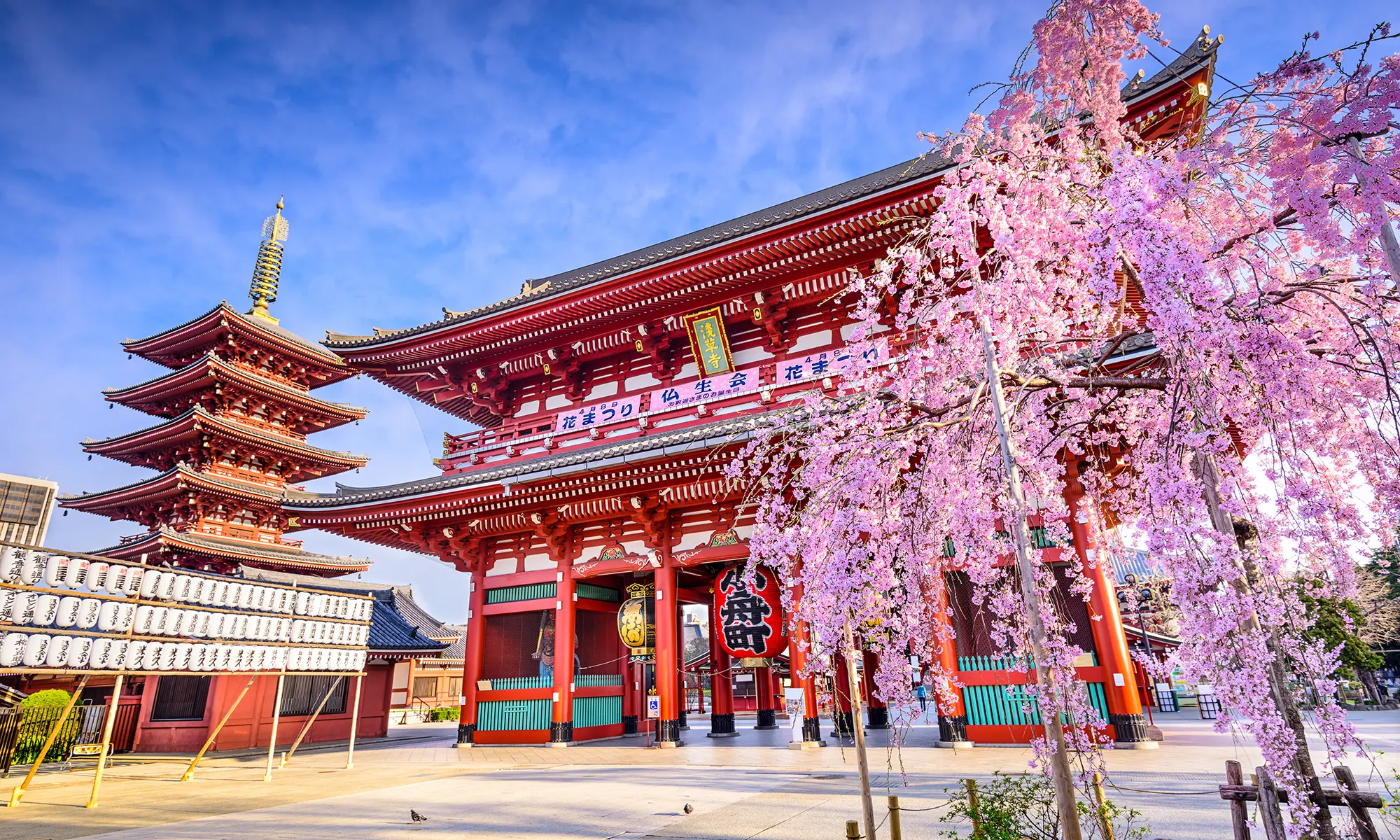
Sensoji (浅草寺, Sensō-ji) is one of Tokyo’s most recognizable Buddhist temples and a major attraction in Asakusa. The iconic Kaminarimon (雷門, Kaminari-mon) gate leads to Nakamise-dori, a lively shopping street filled with traditional snacks, souvenirs, and shops before reaching the temple itself.
- Location: Asakusa
- Best for: Traditional culture, architecture, shopping, photography
- Suggested time: 2-3 hours
- Price: Free
- Highlights: Kaminarimon, Nakamise-dori, Sensoji Temple
- Tip: Visit early morning for a quieter atmosphere
3. Shibuya Crossing & Shibuya Sky
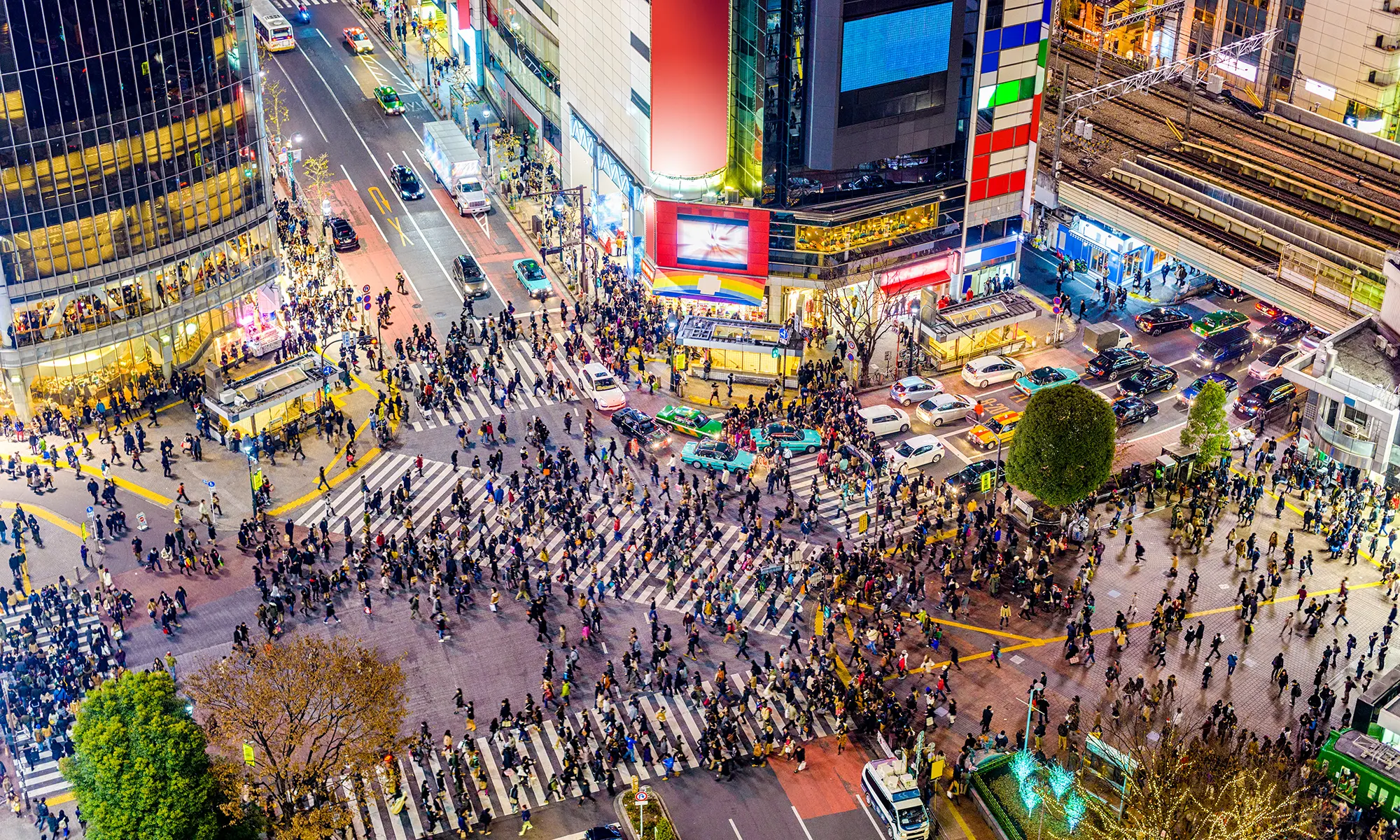
Shibuya is one of the best places to experience Tokyo’s modern urban energy. The famous Shibuya Crossing is surrounded by department stores, restaurants, cafes, entertainment venues, and fashion shops. Nearby, SHIBUYA SKY provides an elevated view over the surrounding city and one of the most recognizable urban skylines in Tokyo.
- Location: Shibuya
- Best for: City views, shopping, photography, nightlife
- Suggested time: 2-4 hours
- Price: Shibuya Crossing: Free; SHIBUYA SKY: Paid
- Highlights: Shibuya Crossing, SHIBUYA SKY, shopping streets
- Tip: Sunset and evening are popular times for city views; book SHIBUYA SKY in advance during busy periods
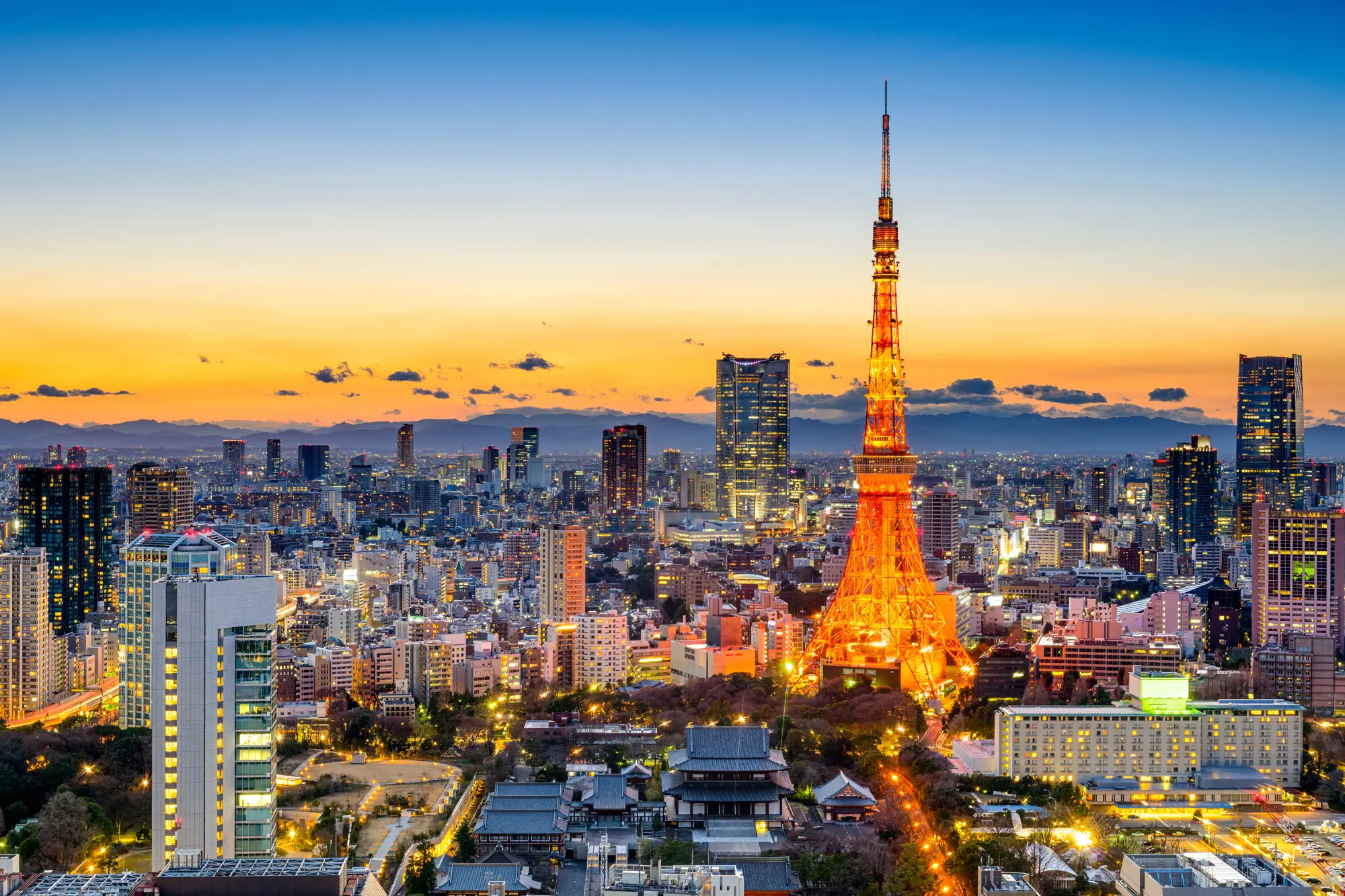
4. Tokyo Tower
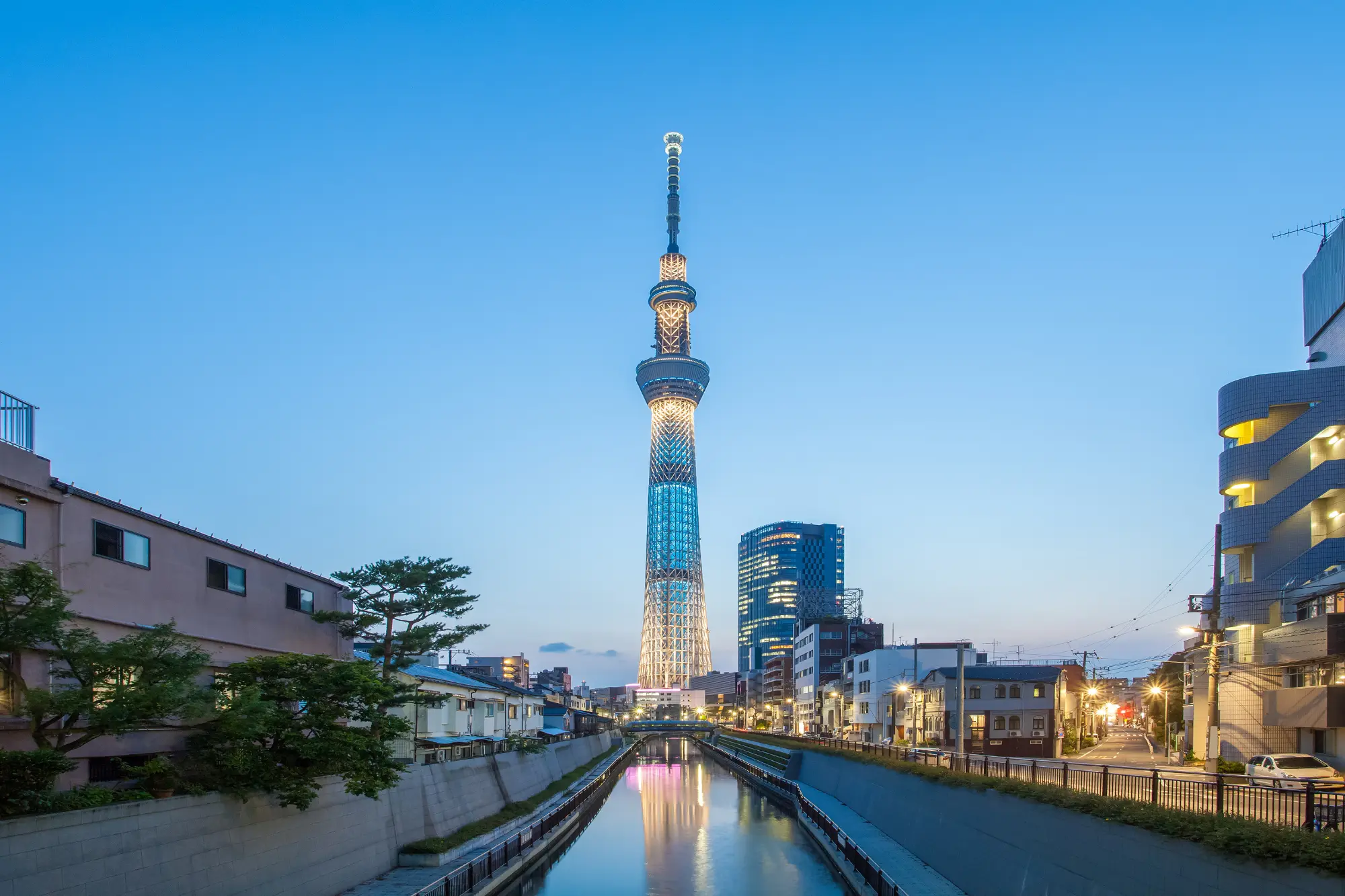
Tokyo Tower has been one of the city’s most recognizable landmarks since opening in 1958. Inspired by the Eiffel Tower, the red-and-white broadcasting tower offers observation decks with views across central Tokyo.
- Location: Minato
- Best for: City views, photography, landmarks
- Suggested time: 1-2 hours
- Price: From ¥1,500 for adults for the Main Deck
- Highlights: Main Deck, Tokyo skyline, nighttime views
- Tip: Online and ticket-counter prices may differ for some ticket types; check the official website before visiting
5. Meiji Jingu Shrine
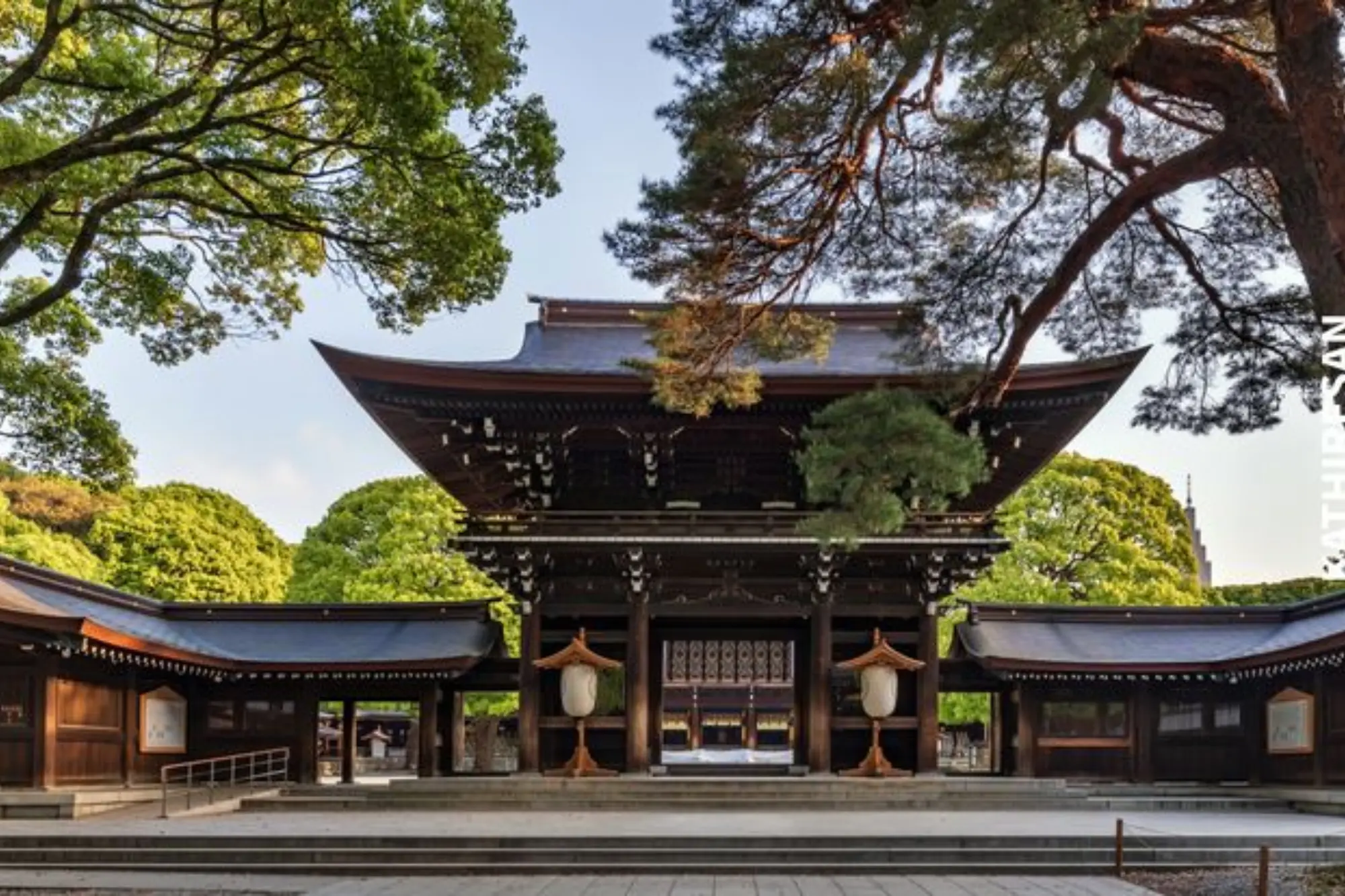
Meiji Jingu (明治神宮, Meiji Jingū) is a major Shinto shrine surrounded by a large forested area near Harajuku. The contrast between the peaceful shrine grounds and the busy streets of Harajuku makes it one of the most interesting cultural stops in central Tokyo.
- Location: Shibuya, near Harajuku
- Best for: Culture, nature, photography
- Suggested time: 1-2 hours
- Price: Free
- Highlights: Shrine grounds, forest, traditional architecture
- Tip: Combine with Harajuku and Omotesando
6. Shinjuku
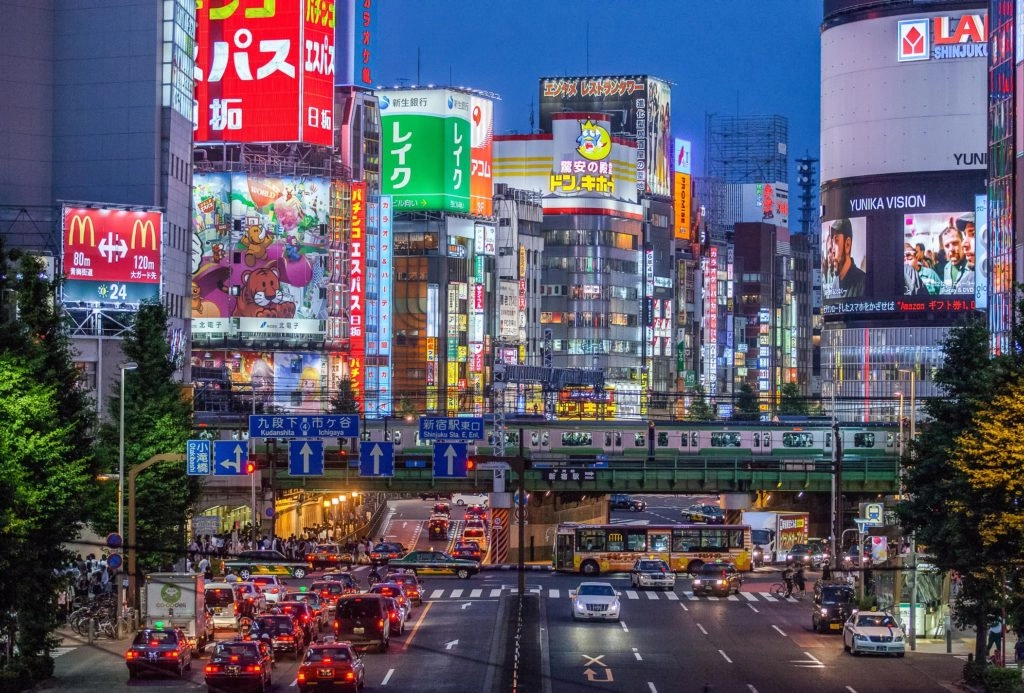
Shinjuku is one of Tokyo’s busiest districts and a major center for shopping, entertainment, restaurants, and nightlife. Visitors can explore department stores, observation decks, narrow restaurant streets, and the neon-lit streets around Kabukicho. The area also provides access to Shinjuku Gyoen, one of Tokyo’s best-known gardens.
- Location: Western central Tokyo
- Best for: Shopping, food, nightlife, city life
- Suggested time: 3-5 hours
- Price: Varies by attraction
- Highlights: Shinjuku Gyoen, shopping, restaurants, city views
- Tip: Explore both the daytime shopping areas and evening streets
7. Akihabara
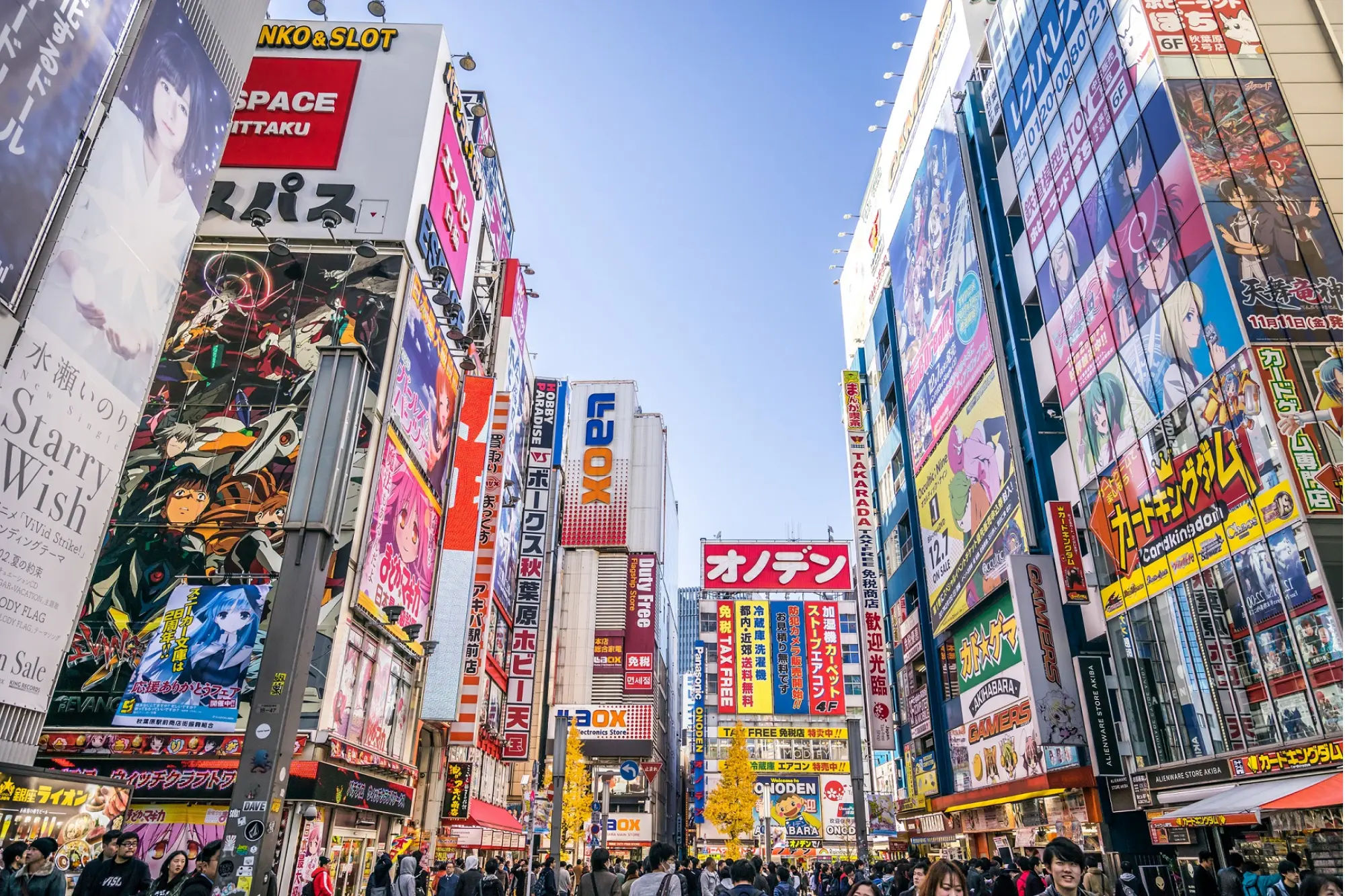
Akihabara is internationally known for its connection with anime, manga, gaming, electronics, and Japanese pop culture. The district is especially popular with travelers interested in Japanese entertainment and contemporary youth culture.
- Location: Chiyoda
- Best for: Anime, manga, gaming, electronics
- Suggested time: 2-4 hours
- Price: Free to explore; attractions vary
- Highlights: Electronics stores, anime shops, arcades, pop culture
- Tip: Allow extra time to explore smaller side streets
8. Ueno Park & Ameyoko
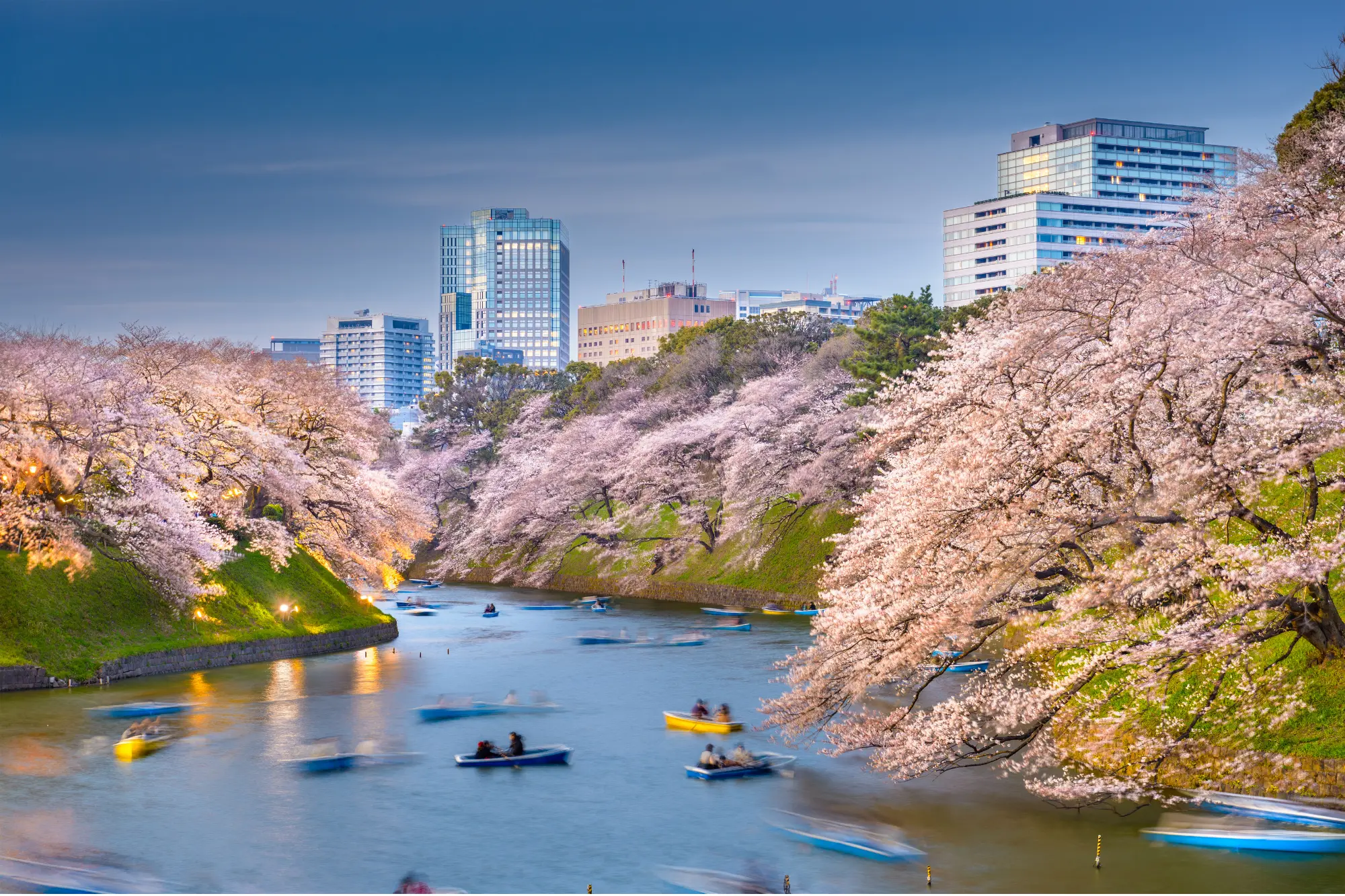
Ueno combines museums, green spaces, cultural attractions, and a lively shopping atmosphere. Ueno Park is home to several major museums and cultural institutions, while nearby Ameyoko offers a more energetic street-market experience with food, clothing, snacks, and everyday goods.
- Location: Ueno
- Best for: Culture, museums, food, local atmosphere
- Suggested time: 3-4 hours
- Price: Ueno Park & Ameyoko: Free; museums: Paid
- Highlights: Ueno Park, museums, Ameyoko
- Tip: Allow more time if you plan to visit the museums
Tokyo Food: What to Eat
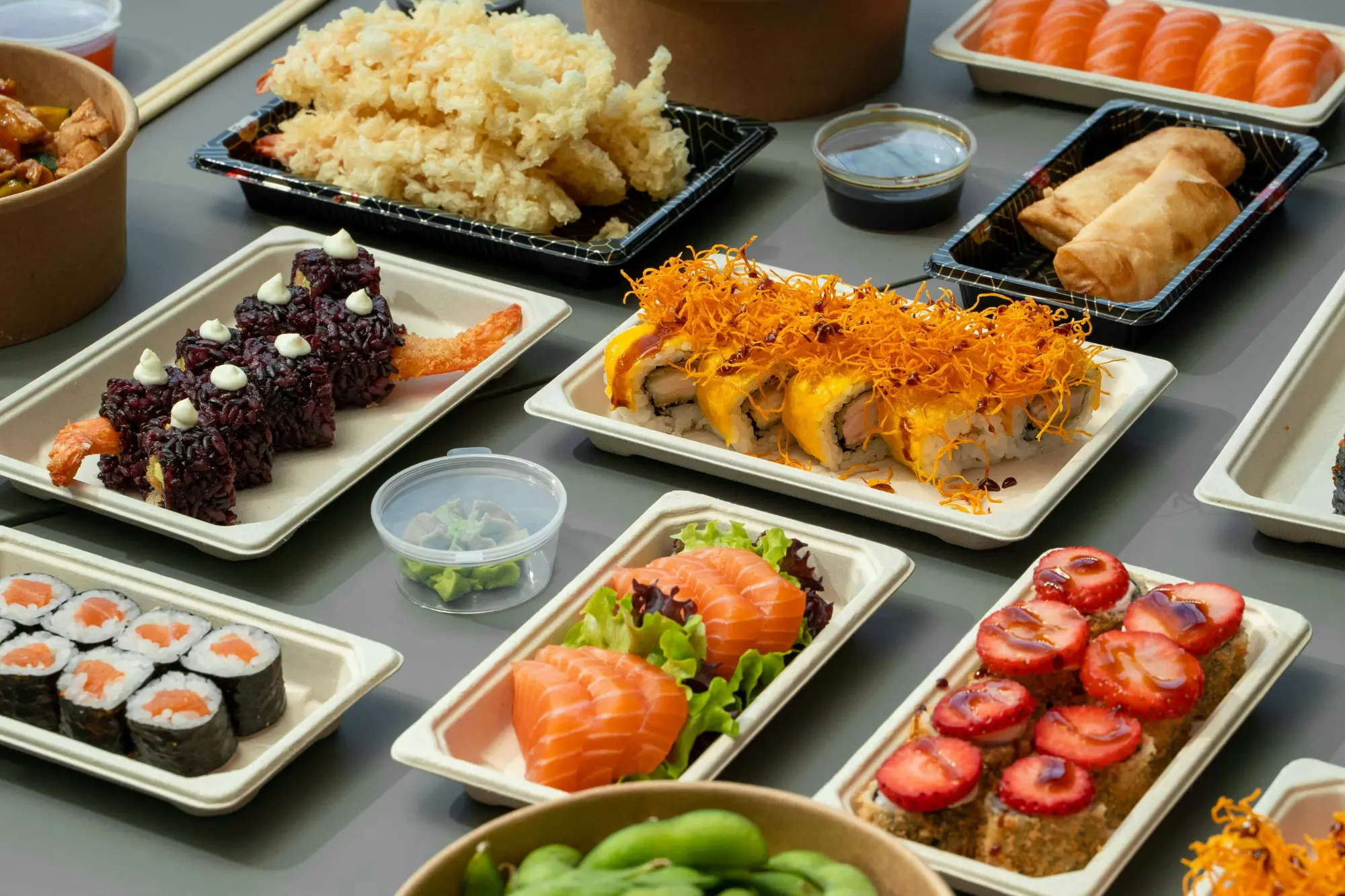
Trying Tokyo food is an essential part of any visit. From traditional Japanese dishes to casual street food and fine dining, Tokyo offers a diverse culinary scene.
- Sushi: Tokyo is famous for sushi, from casual conveyor-belt restaurants to high-end sushi counters. Ginza, Tsukiji, and Toyosu are popular areas to explore.
- Ramen: Ramen is a Tokyo staple, with different styles including shoyu, miso, shio, and tonkotsu.
- Tempura: Tempura features seafood or vegetables coated in a light batter and fried until crisp.
- Monjayaki: A Tokyo specialty from Tsukishima, monjayaki is similar to okonomiyaki but has a softer, runnier texture.
- Yakitori: Yakitori is grilled chicken served on skewers, commonly enjoyed at casual restaurants and izakaya.
- Wagashi & Japanese Sweets: Try traditional sweets such as wagashi, matcha desserts, and dorayaki, often featuring seasonal flavors.
Where to Experience Tokyo Food
Tsukiji Outer Market remains one of Tokyo’s most popular food destinations. Although the wholesale fish market moved to Toyosu in 2018, the outer market continues to operate with around 460 shops, offering seafood, sushi, tamagoyaki, seasonings, kitchenware, and other food-related products.
For a broader food experience, explore local restaurants and izakaya in neighborhoods such as Shinjuku, Shibuya, Asakusa, Ueno, and Ginza.
Best Time to Visit Tokyo
Tokyo can be visited throughout the year, but spring and autumn are generally the most comfortable seasons for sightseeing and walking. Each season also offers a different travel experience.
| Season | Months | Weather & Highlights | Best For |
| Spring | March-May | Mild weather, cherry blossoms, flowers | Sightseeing, gardens, photography |
| Summer | June-August | Hot, humid, rainy season and typhoons | Festivals, fireworks, summer events |
| Autumn | September-November | Cooler weather, colorful foliage | Walking, parks, photography |
| Winter | December-February | Cool, relatively dry, shorter days | Shopping, museums, illuminations |
Best overall: For the best time to visit Tokyo travel experience focused on comfortable sightseeing, spring and autumn are generally the best choices. Before booking your trip, check the latest Tokyo weather forecast to choose the dates that best suit your planned activities and travel preferences.
How to Get to and Around Tokyo
Tokyo has an extensive transportation network, making it easy to reach the city from the airport and travel between major attractions.
Getting to Tokyo from the Airport
Tokyo is mainly served by Narita International Airport (NRT) and Haneda Airport (HND).
- From Haneda Airport: The airport is close to central Tokyo and is connected by train, monorail, and buses. The Tokyo Monorail and Keikyu Line are convenient options for reaching central areas.
- From Narita Airport: Travelers can take the Narita Express (N’EX) to Tokyo, Shinjuku, and other major stations, or use the Keisei Skyliner for access to areas such as Ueno and Nippori.
- Airport Bus: Limousine buses connect both airports with major hotels and districts, making them convenient for travelers with large luggage.
- Taxi: Taxis offer door-to-door service but are considerably more expensive than trains or buses.
Getting Around Tokyo
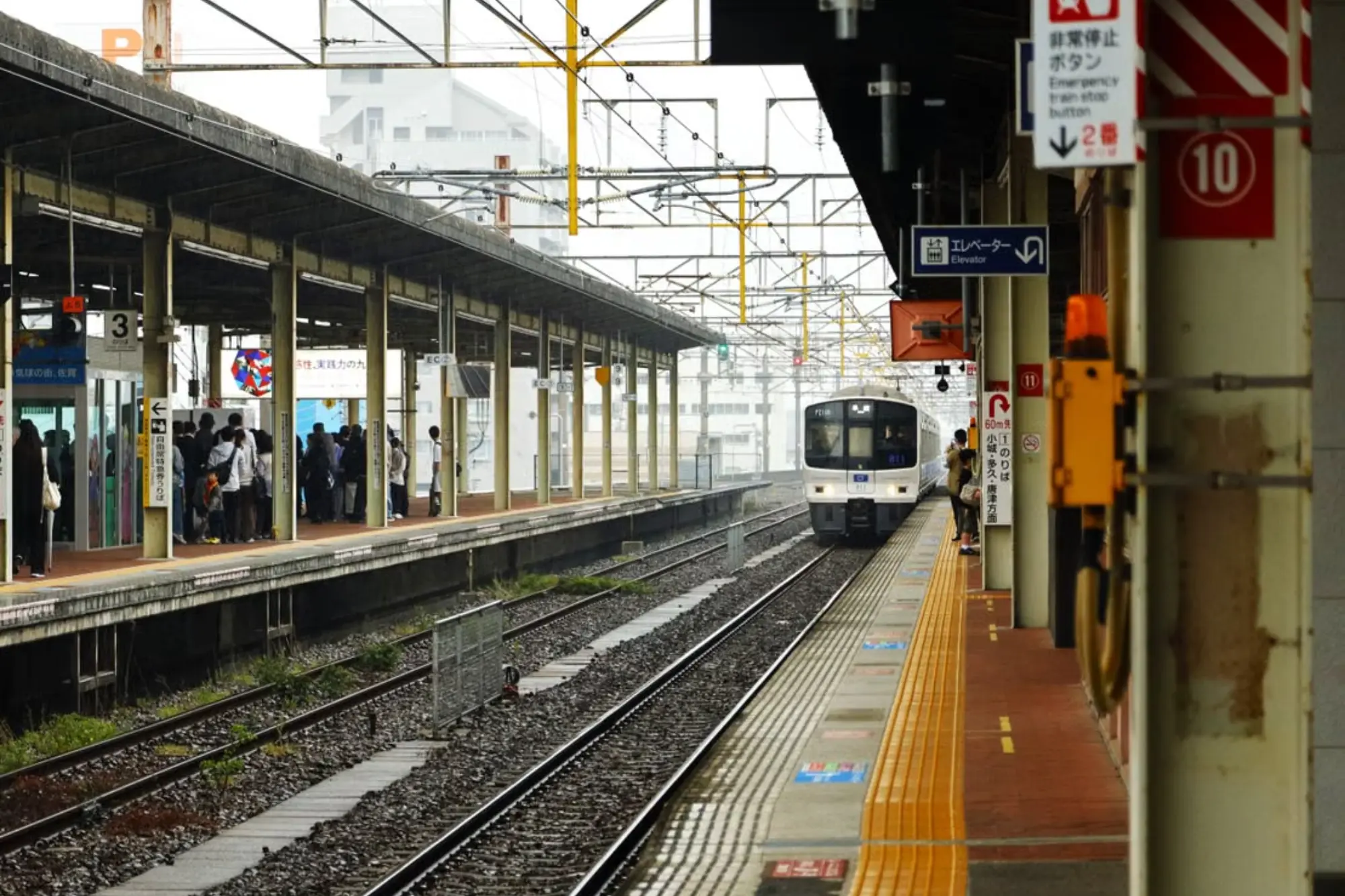
Public transportation is the most practical way to explore Tokyo.
- JR Trains: Useful for major routes and areas such as Tokyo, Shinjuku, Shibuya, and Ueno.
- Tokyo Metro & Toei Subway: Convenient for reaching many central attractions and neighborhoods.
- IC Cards: Suica and PASMO make it easy to pay for trains, subways, and buses without buying individual tickets.
- Walking: Many neighborhoods, including Asakusa, Shibuya, Harajuku, and Ginza, are best explored on foot after arriving by train or subway.
- Taxi: Convenient for short trips, late-night travel, or when carrying luggage, but more expensive than public transportation.
Tip: For most Tokyo travel, combine trains or subway with walking. Grouping attractions by neighborhood can also save time and reduce unnecessary transfers.
Tokyo Travel Tips
- Plan by neighborhood: Group nearby attractions together to save time and reduce unnecessary travel.
- Use public transportation: Trains and subways are the easiest way to travel between major sightseeing areas. Check routes in advance if your journey involves transfers.
- Avoid peak commuting hours: Major stations can be very busy on weekday mornings and evenings. Travel outside these periods when possible, especially with luggage.
- Wear comfortable shoes: Tokyo travel often involves a lot of walking between stations, attractions, shops, and restaurants.
- Check attraction schedules: Museums, gardens, and cultural sites may have specific closing days or seasonal hours. Check official websites before visiting.
- Reserve popular attractions: Observation decks and other popular experiences can fill up during weekends and peak seasons. Book in advance when possible.
- Carry some cash: Most places accept cards and digital payments, but some smaller businesses may still prefer cash.
- Explore local neighborhoods: Go beyond famous landmarks to discover quieter streets, local restaurants, cafes, and shops.
- Respect local etiquette: Follow photography rules, keep noise low on public transportation, and observe appropriate manners at temples and shrines.
Frequently Asked Questions About Tokyo
1. Is Tokyo worth visiting?
Yes. Tokyo combines traditional Japanese culture, modern city life, shopping, entertainment, food, technology, and historic attractions. Its extensive transportation network also makes it easy to explore different parts of the city.
2. How many days do you need in Tokyo?
A 3-4 day Tokyo trip is enough to see many major attractions and experience several different neighborhoods. A longer stay of 5-7 days allows more time for food, shopping, museums, and day trips.
3. What are the best places to visit in Tokyo?
Some of the best places to visit in Tokyo include the Imperial Palace Tokyo, Sensoji Temple, Meiji Jingu, Shibuya, Shinjuku, Tokyo Tower, Ueno, and Akihabara.
4. What food should you try in Tokyo?
Must-try Tokyo food includes sushi, ramen, tempura, monjayaki, yakitori, and traditional Japanese sweets. Tsukiji Outer Market is also a popular place to explore Tokyo’s food culture.
5. Is the Imperial Palace Tokyo open to visitors?
Parts of the Imperial Palace complex are accessible to the public. The East Gardens are open to visitors free of charge, while access to other areas and guided visits follows specific rules and schedules. Always check the Imperial Household Agency’s latest visitor information before your trip.
6. What is the best time to visit Tokyo?
Spring and autumn are generally the most comfortable seasons for sightseeing. Spring is especially popular for cherry blossoms, while autumn offers comfortable walking weather and colorful foliage.
Conclusion
Tokyo is a destination where traditional Japanese culture and modern city life exist side by side. Historic landmarks such as the Imperial Palace Tokyo, Sensoji Temple, and Meiji Jingu reveal the city’s cultural heritage, while Shibuya, Shinjuku, Akihabara, and Tokyo Tower showcase its modern identity. For travelers planning their first Tokyo travel experience, the best approach is to combine major places to visit in Tokyo with local neighborhoods, seasonal experiences, and Tokyo food, from sushi and ramen to traditional sweets and market food, the city’s culinary scene is an essential part of the journey.
Tokyo is a destination that can be explored in many different ways with efficient transportation, attractions for different interests, and experiences available in every season. Explore Nicetrips Japan tour packages and follow the Nicetrips Blog for more destination guides, travel tips, and inspiration for your next journey.