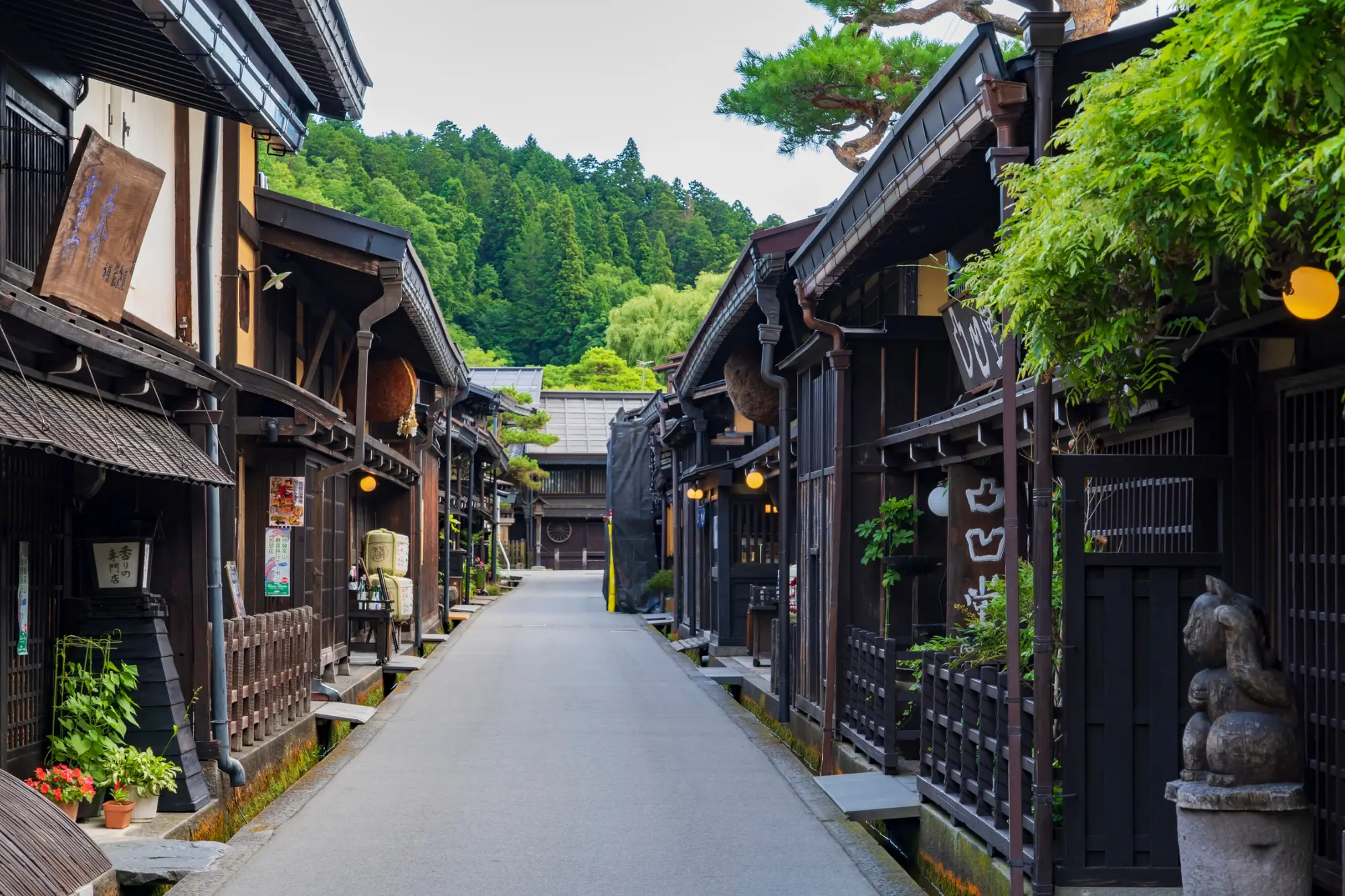
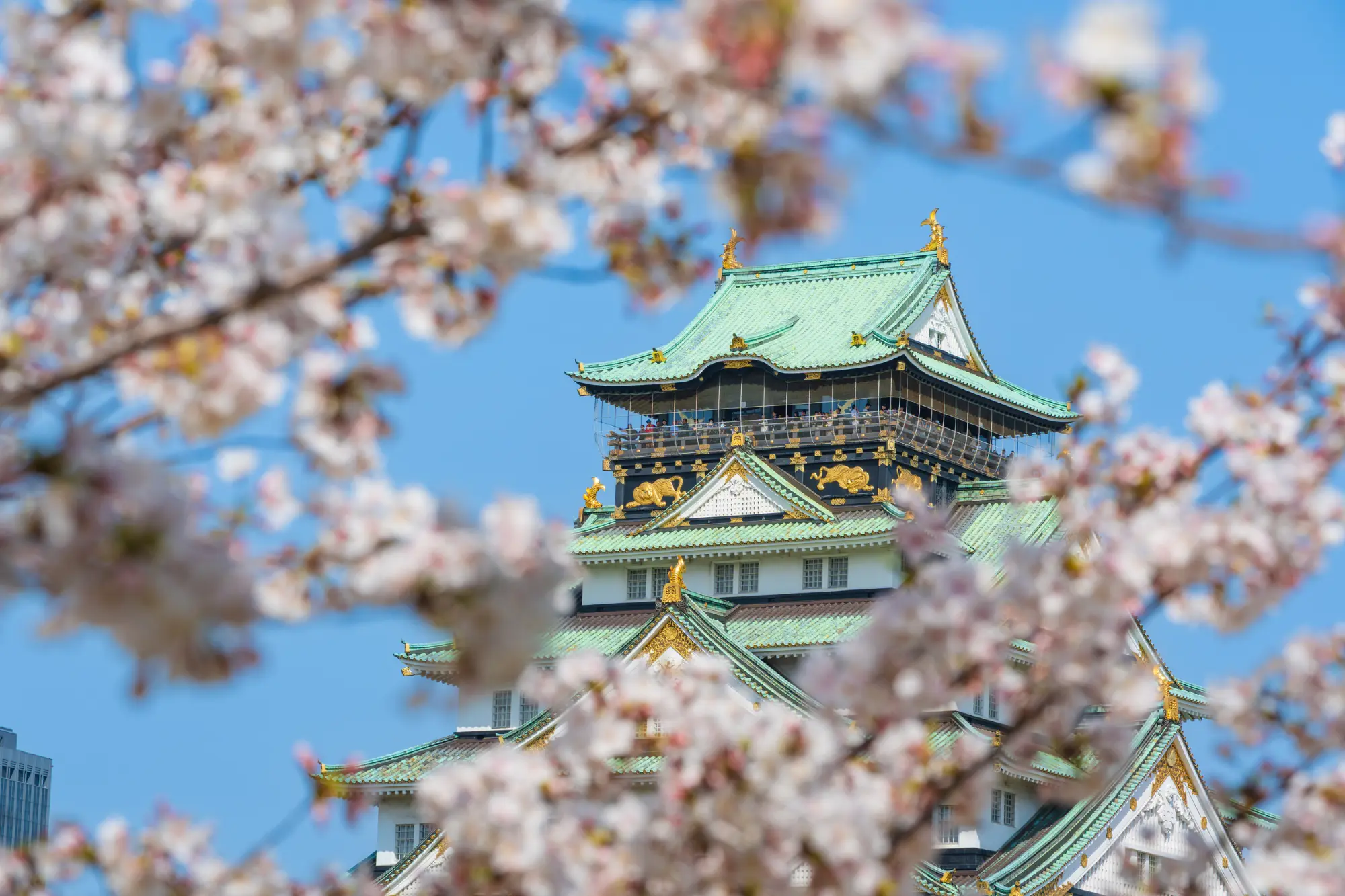
Hiroshima is a historic city in western Japan, known for its Hiroshima history, Peace Memorial sites, traditional culture, and scenic surroundings. Located in the Chugoku region along the Seto Inland Sea, the city combines important historical landmarks with rivers, gardens, local food, and easy access to Miyajima. For travelers interested in things to do in Hiroshima, the city offers experiences ranging from visiting the Hiroshima Peace Memorial Park and Atomic Bomb Dome to exploring Hiroshima Castle, Shukkeien Garden, and local shopping streets. Whether you are researching must visit places in Hiroshima, learning about Hiroshima history, or planning a trip through western Japan, this guide introduces the city’s history, culture, attractions, food, transportation, and practical travel information.
About Hiroshima
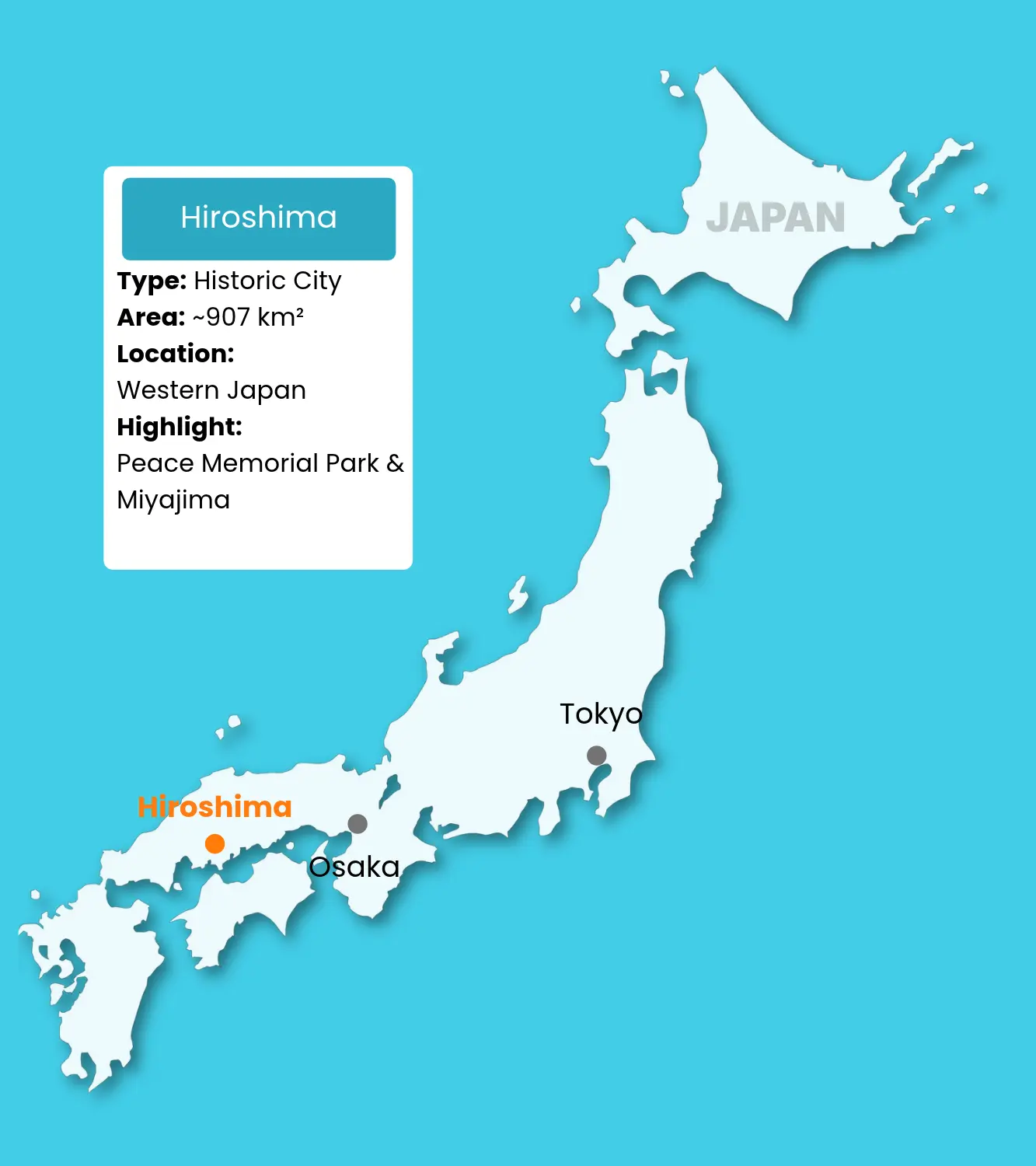
Hiroshima is the capital of Hiroshima Prefecture and an important city in the Chugoku region of western Japan. The city developed around the delta of the Ota River and is surrounded by mountains to the north and the Seto Inland Sea to the south.
Hiroshima is widely known for its history during World War II and its role as a Peace Memorial City. At the same time, modern Hiroshima is a lively regional center with shopping districts, restaurants, museums, parks, and cultural attractions.
Hiroshima at a Glance
- Area: ~907 km²
- Location: Chugoku region, Western Japan
- Known for: Hiroshima Peace Memorial Park, Atomic Bomb Dome, Hiroshima Castle, Miyajima, and local food
- Landscape: River delta, mountains, islands, and Seto Inland Sea
- Main experiences: History, culture, sightseeing, local food, nature, and day trips
- Nearby destination: Miyajima
- Best for: History and culture, first-time visitors, families, and travelers exploring Western Japan
Geography of Hiroshima
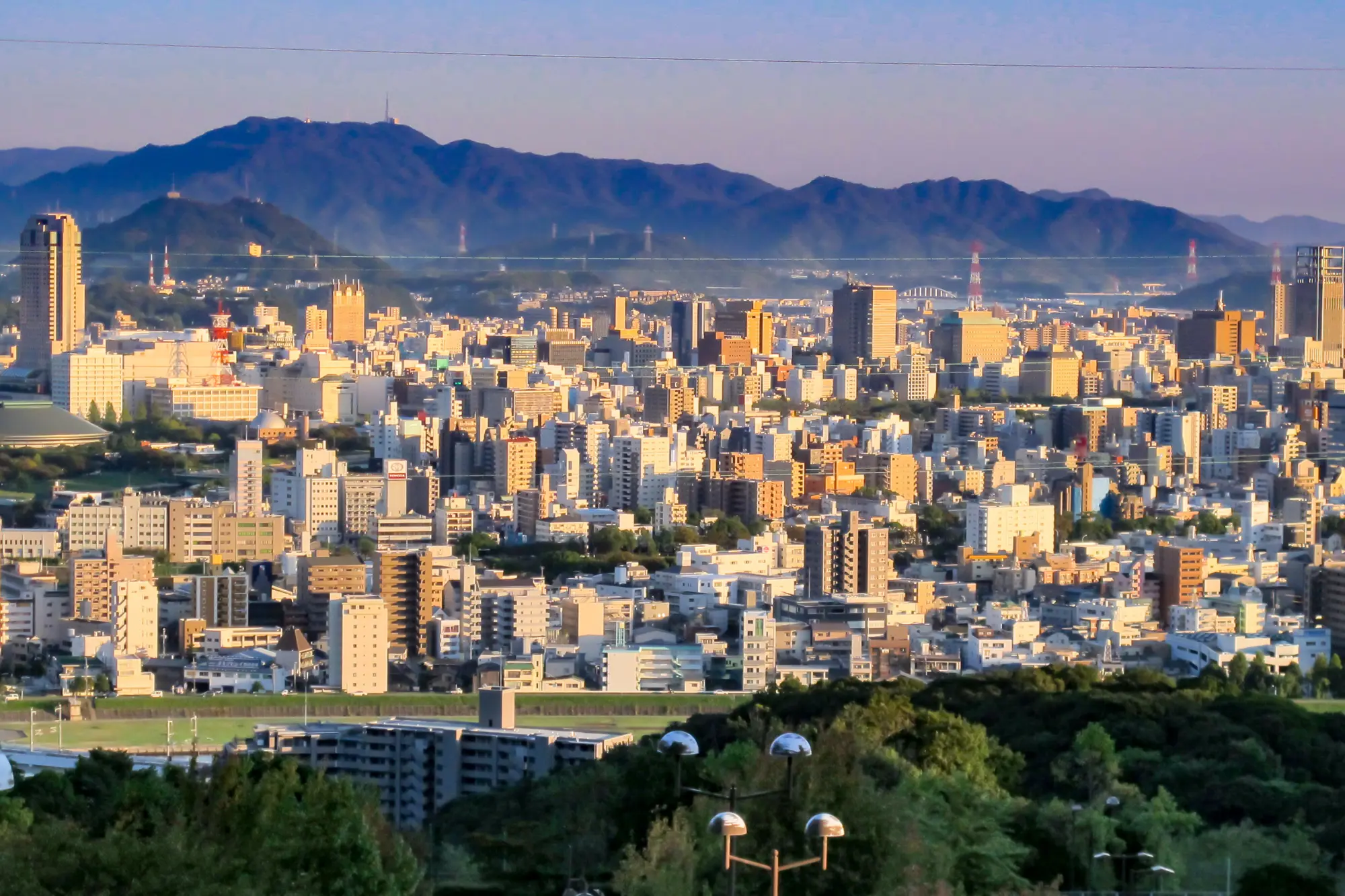
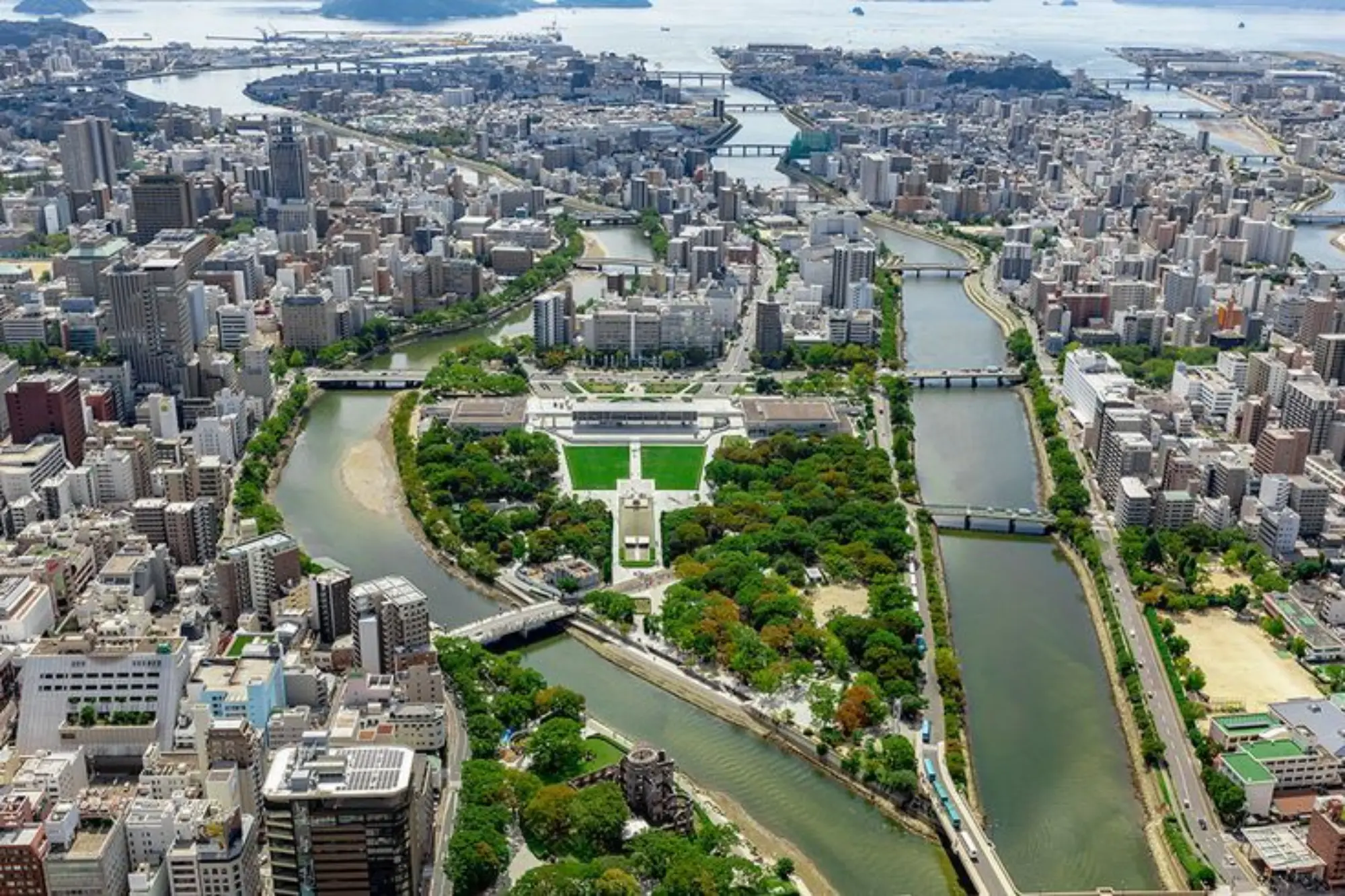
Hiroshima has a distinctive landscape shaped by rivers, mountains, and the Seto Inland Sea. The urban area developed on the delta formed by the Ota River system, while mountains surround much of the city.
Hiroshima is sometimes described as a “City of Water” because of its many rivers and bridges. The city’s waterways have influenced its landscape, transportation, and urban development for centuries.
Hiroshima & the Seto Inland Sea
The southern part of Hiroshima opens toward the Seto Inland Sea, providing access to numerous islands and coastal destinations. Miyajima, officially known as Itsukushima, is one of the most famous nearby destinations and can be visited as a day trip from central Hiroshima.
Hiroshima’s Rivers
The Ota River and its branches run through the city and form an important part of Hiroshima’s urban landscape. Riverside areas provide walking routes, bridges, parks, and views of the city’s central districts.
Hiroshima History
Hiroshima has a long history as a castle town, commercial center, military hub, and modern Peace Memorial City.
From Castle Town to Regional Center
The history of modern Hiroshima began in 1589, when Mori Terumoto began constructing Hiroshima Castle on the Ota River delta. The settlement developed into a castle town with samurai residences, merchants, craftspeople, temples, and shrines.
During the Edo period, Hiroshima became the political and economic center of the Hiroshima Domain under the Asano family. Its location and connections with the Seto Inland Sea also supported trade and transportation.
Hiroshima in the Modern Period
After the Meiji Restoration, Hiroshima developed into an important modern city and military center. The construction of Hiroshima Port and the expansion of transportation infrastructure contributed to the city’s economic and strategic importance.
Hiroshima in 1945
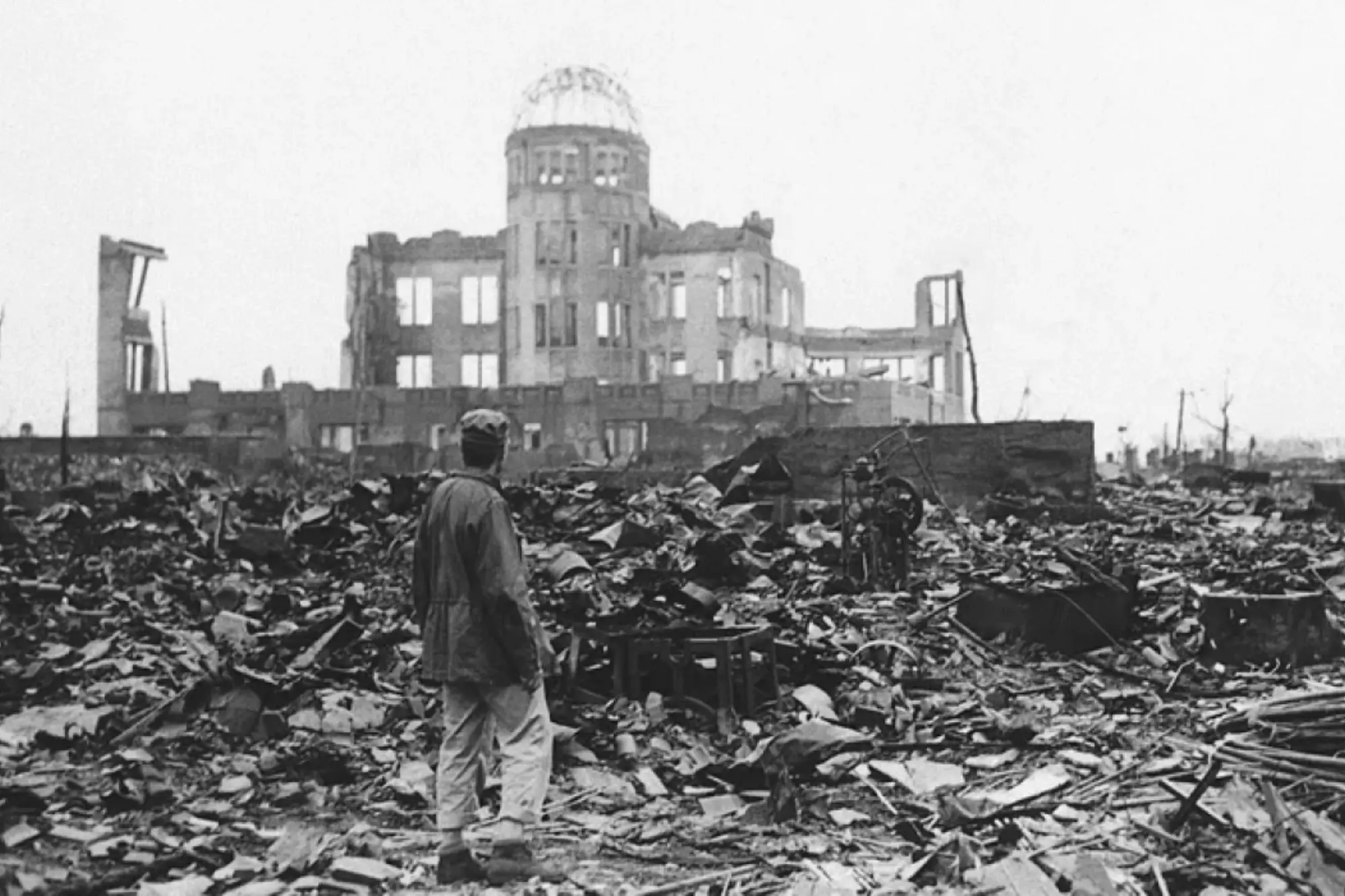
On August 6, 1945, at 8:15 a.m., an atomic bomb was dropped on Hiroshima. The bomb exploded approximately 600 meters above the city, causing catastrophic destruction and loss of life. Hiroshima City estimates that the number of deaths by the end of 1945 was approximately 140,000, with an uncertainty of around ±10,000.
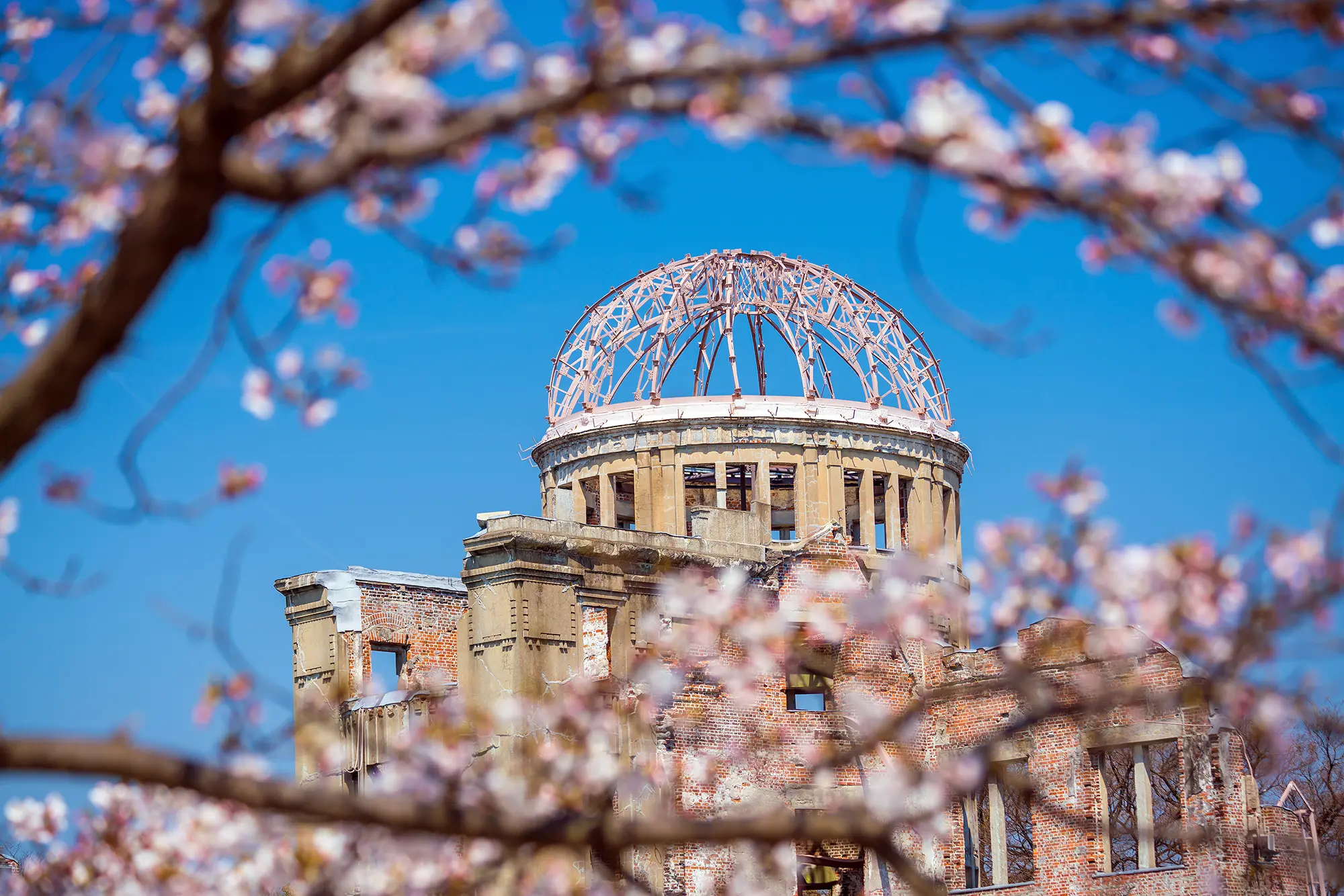
The Hiroshima Peace Memorial, commonly known as the Atomic Bomb Dome (原爆ドーム, Genbaku Dōmu), remains one of the most important physical reminders of the bombing. It was one of the structures left standing near the hypocenter and was later preserved as a symbol of remembrance and peace. UNESCO inscribed it as a World Heritage Site in 1996.
Reconstruction & the Peace Memorial City
After the war, Hiroshima began rebuilding its infrastructure and communities. The Hiroshima Peace Memorial City Construction Law was enacted in 1949 and supported the city’s reconstruction as a Peace Memorial City.
Today, Hiroshima combines its historical memory with modern urban life and continues to present peace education and remembrance as important parts of its identity.
Culture & Local Life in Hiroshima
Hiroshima’s culture reflects its history as a castle town, port city, and regional center. Today, traditional temples, gardens, and local food culture exist alongside modern shopping areas, museums, restaurants, and lively riverside neighborhoods.
- Peace culture: Memorial sites and museums are an important part of Hiroshima’s identity, helping preserve historical memory and promote reflection on peace.
- Traditional heritage: Hiroshima Castle, Shukkeien Garden, temples, and shrines reflect the city’s historical development and offer a glimpse into traditional Japanese architecture and culture.
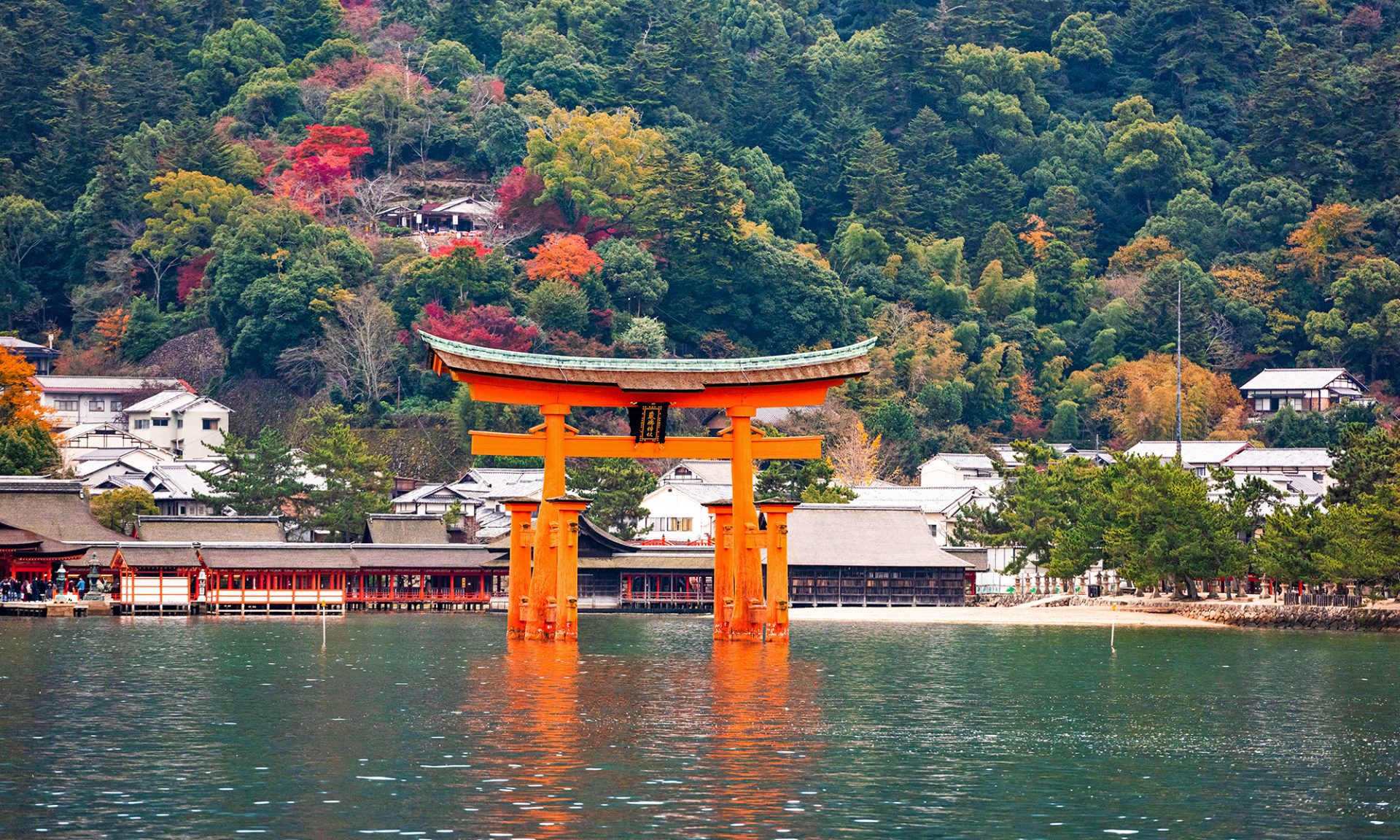
- Island culture: Nearby Miyajima adds a distinctive island atmosphere, with traditional Shinto architecture, Itsukushima Shrine, local crafts, and scenic coastal landscapes.
- Food culture: Hiroshima is known for its regional cuisine, particularly Hiroshima-style okonomiyaki and locally produced oysters. Food is an important part of everyday life and a key way to experience the region’s local identity.
Must-Visit Places & Things to Do in Hiroshima
Hiroshima offers a mix of important historical sites, traditional culture, local food, green spaces, and scenic destinations. Most major attractions can be combined into convenient sightseeing routes, while nearby Miyajima provides an easy day trip from the city center.
1. Hiroshima Peace Memorial Park & Atomic Bomb Dome
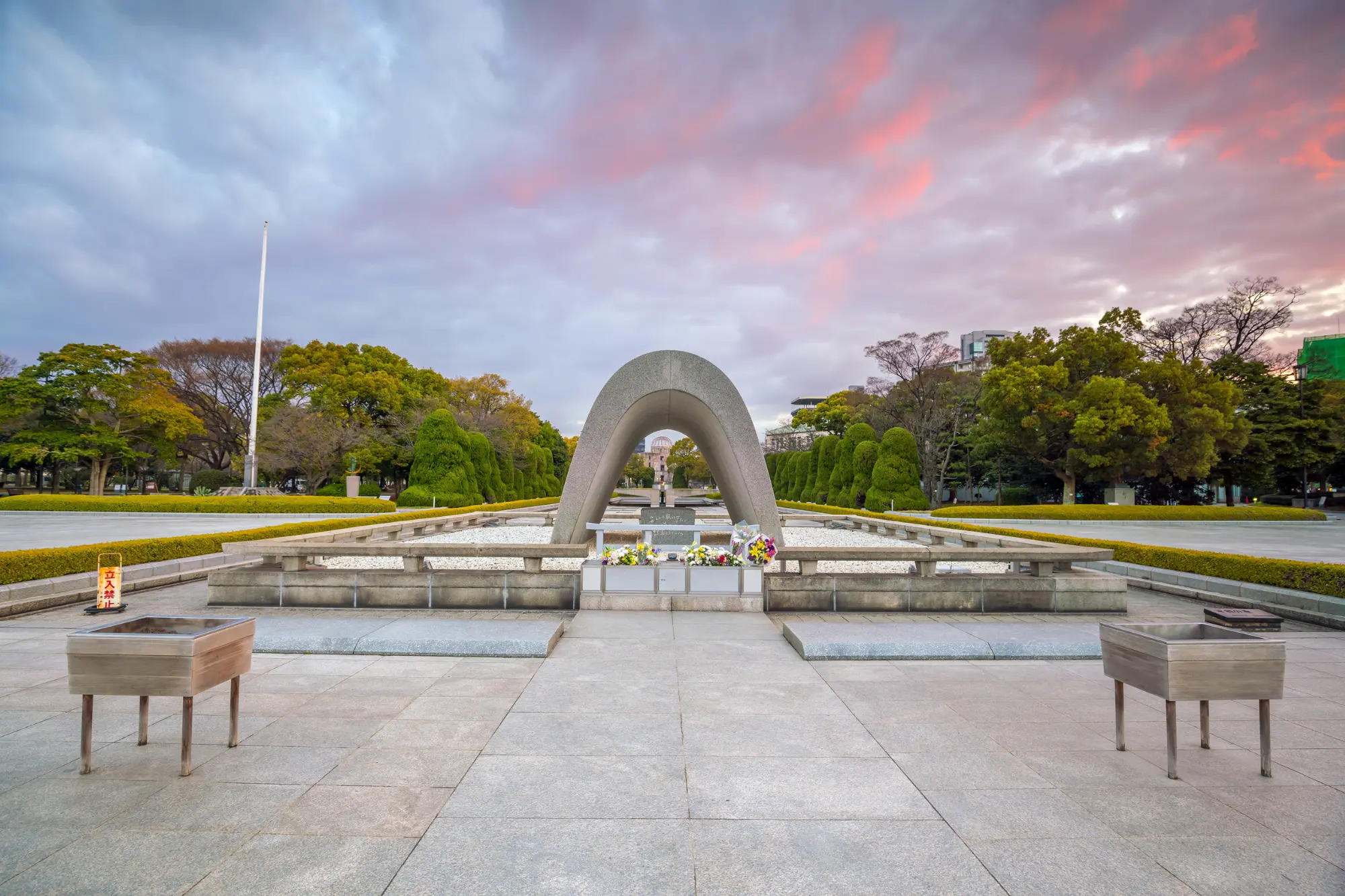
Hiroshima Peace Memorial Park is one of the city’s most important historical and cultural sites. The park contains memorials dedicated to remembering the victims of the atomic bombing and promoting peace. The park itself is free to enter and open year-round.
Nearby, the Atomic Bomb Dome (原爆ドーム, Genbaku Dōmu) is one of Hiroshima’s most recognizable landmarks. Visitors can walk around the park, see the Atomic Bomb Dome, and continue to the Hiroshima Peace Memorial Museum.
- Location: Central Hiroshima
- Best for: History, remembrance, and cultural sightseeing
- Suggested time: 2–3 hours
- Admission: Free
- Highlights: Atomic Bomb Dome, memorials, Peace Memorial Museum, Motoyasu River
2. Hiroshima Peace Memorial Museum
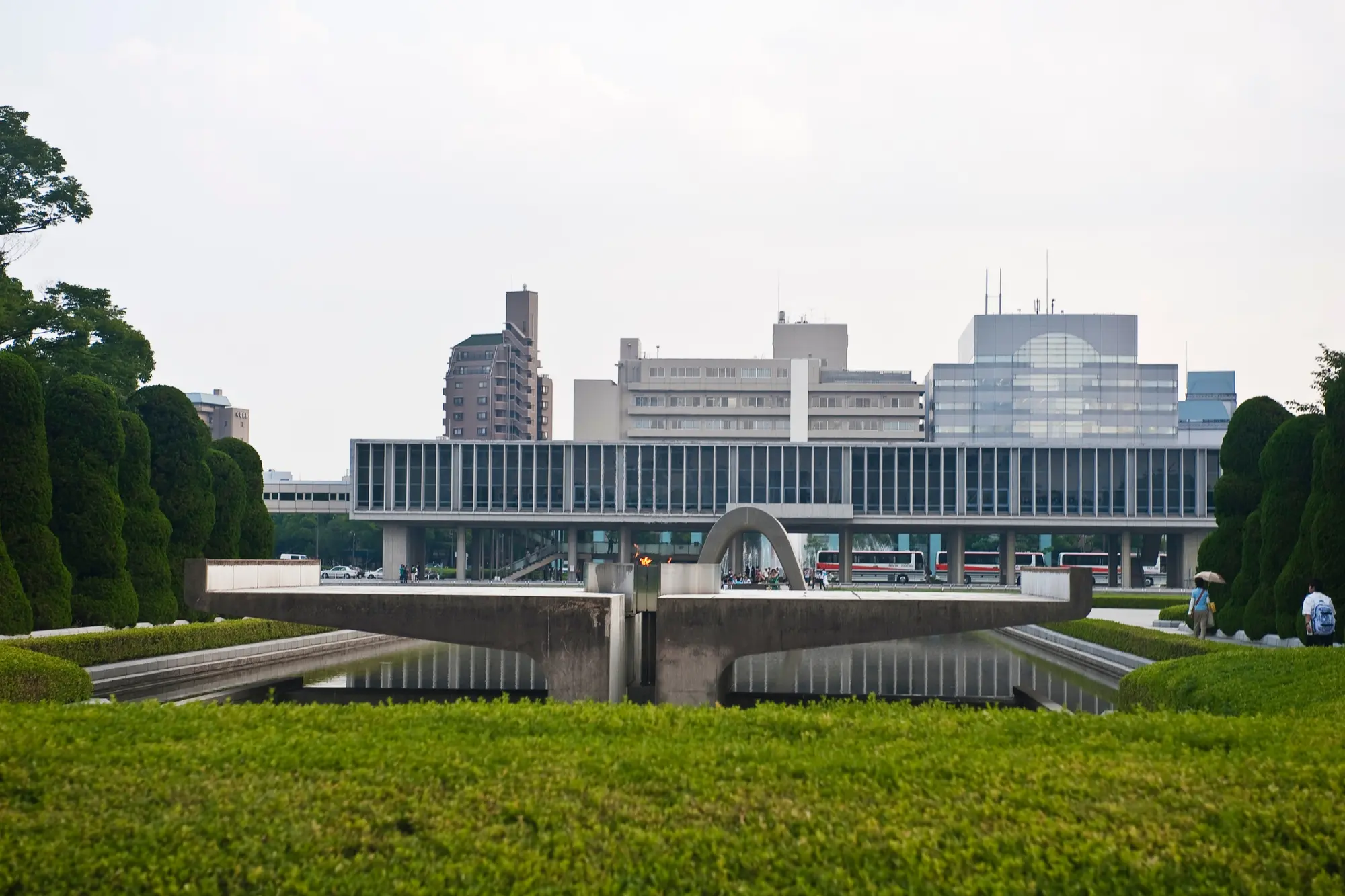
The Hiroshima Peace Memorial Museum introduces the history and consequences of the 1945 atomic bombing through exhibits, photographs, personal belongings, and survivor accounts.
The museum can be visited together with Peace Memorial Park and the Atomic Bomb Dome, making it convenient to explore these major historical sites in one visit.
- Location: Peace Memorial Park
- Best for: History and education
- Suggested time: 1.5–2 hours
- Admission: ¥200 for adults
- Highlights: Historical exhibits, personal artifacts, photographs, and survivor testimonies
3. Miyajima & Itsukushima Shrine
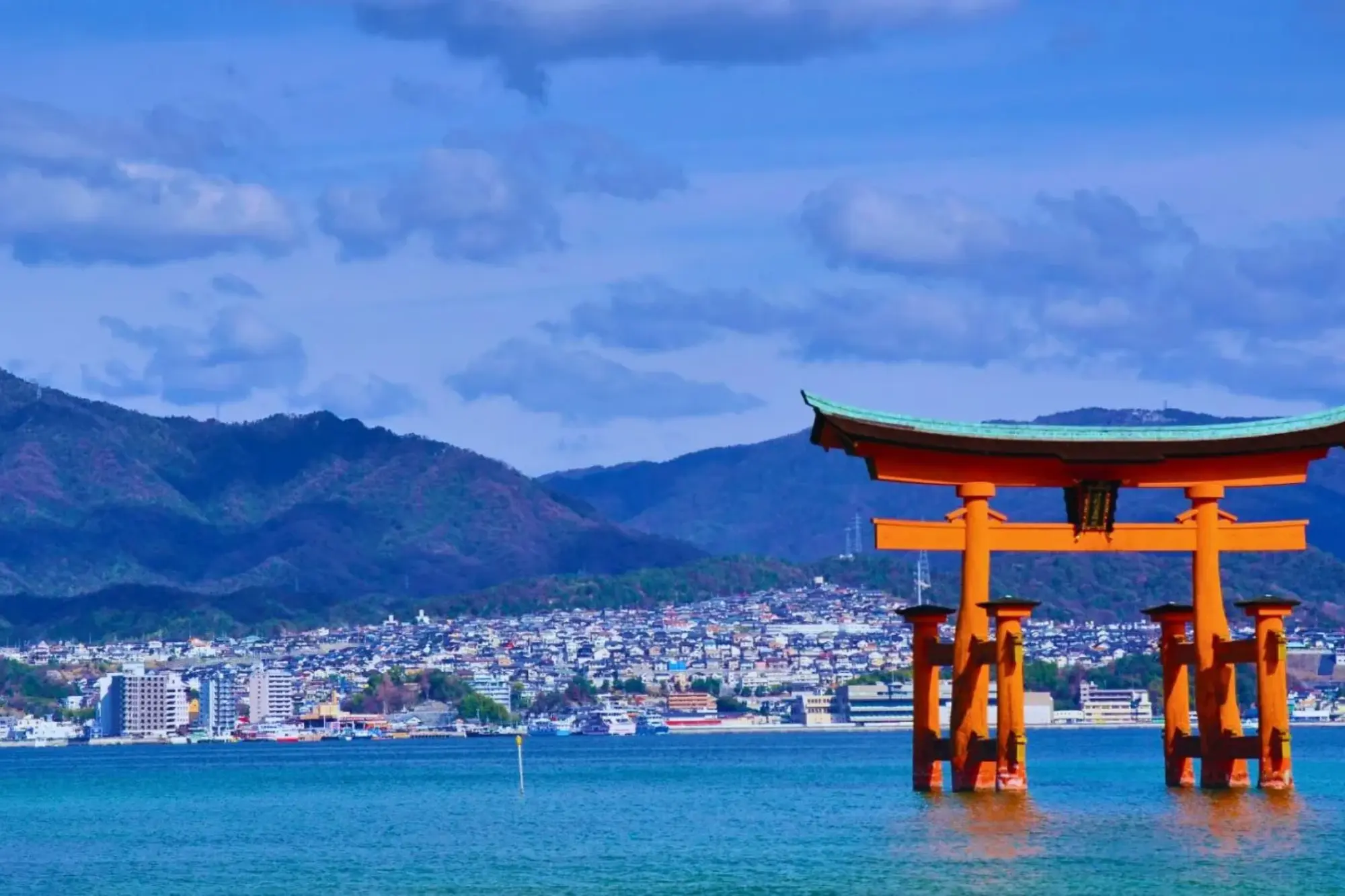
Miyajima (宮島, Miyajima) is one of the most popular destinations near Hiroshima. The island is home to Itsukushima Shrine (厳島神社, Itsukushima Jinja), famous for its distinctive architecture and Otorii Gate (大鳥居, Ōtorii) standing over the water.
Visitors can explore the shrine, walk through traditional streets, try local specialties such as oysters and Momiji Manju (もみじ饅頭, Momiji Manjū), and enjoy the island’s mountain scenery. Itsukushima Shrine admission is ¥300 for adults.
- Location: Miyajima Island, Hiroshima Prefecture
- Best for: Culture, history, nature, and photography
- Suggested time: Half day to full day
- Admission: ¥300 for adults at Itsukushima Shrine
- Highlights: Itsukushima Shrine, Otorii Gate, traditional streets, Mt. Misen
- Tip: Check ferry schedules and tide conditions before visiting.
4. Hiroshima Castle
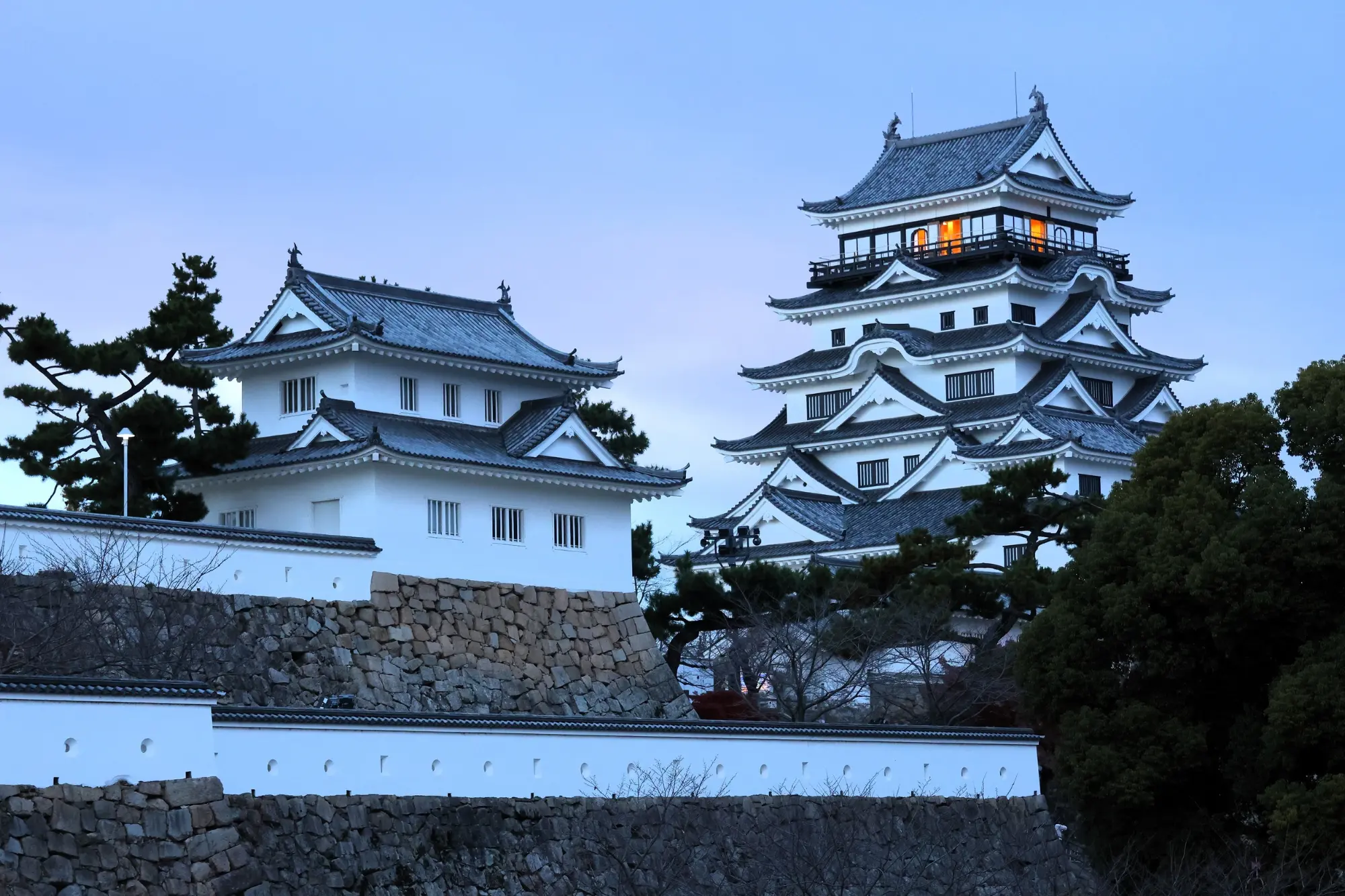
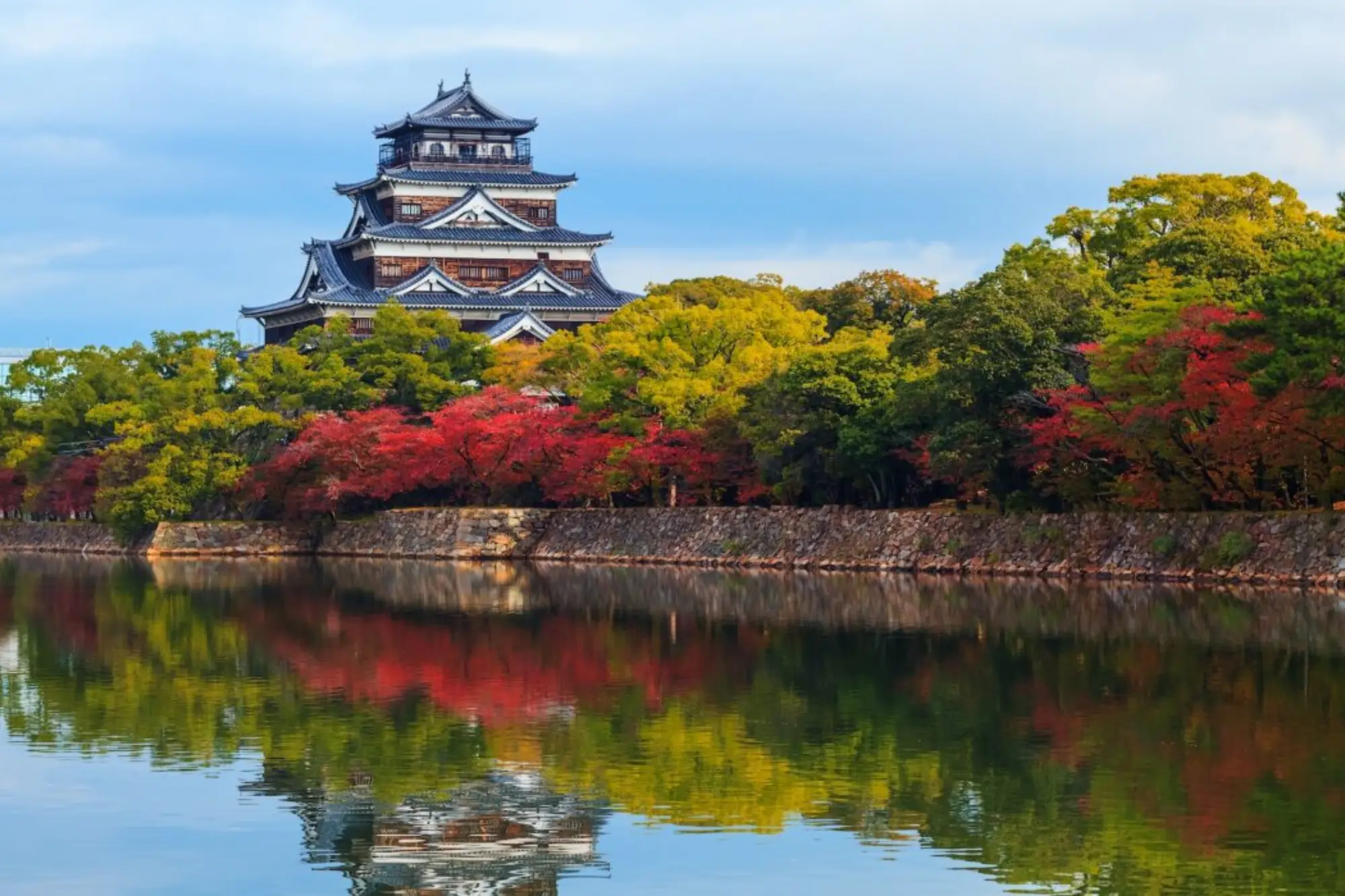
Hiroshima Castle (広島城, Hiroshimajō) was originally built in 1589 by Mori Terumoto and played an important role in the development of Hiroshima as a castle town.
Visitors can explore the castle grounds and museum while learning about the city’s history. The former castle tower admission was ¥370 for adults, although visitors should check the latest information when planning a trip because the tower closed in March 2026 for reconstruction.
- Location: Central Hiroshima
- Best for: History, architecture, and photography
- Suggested time: 1–2 hours
- Admission: ¥370 for adults when the castle tower was open
- Highlights: Castle grounds, museum, traditional architecture
5. Shukkeien Garden
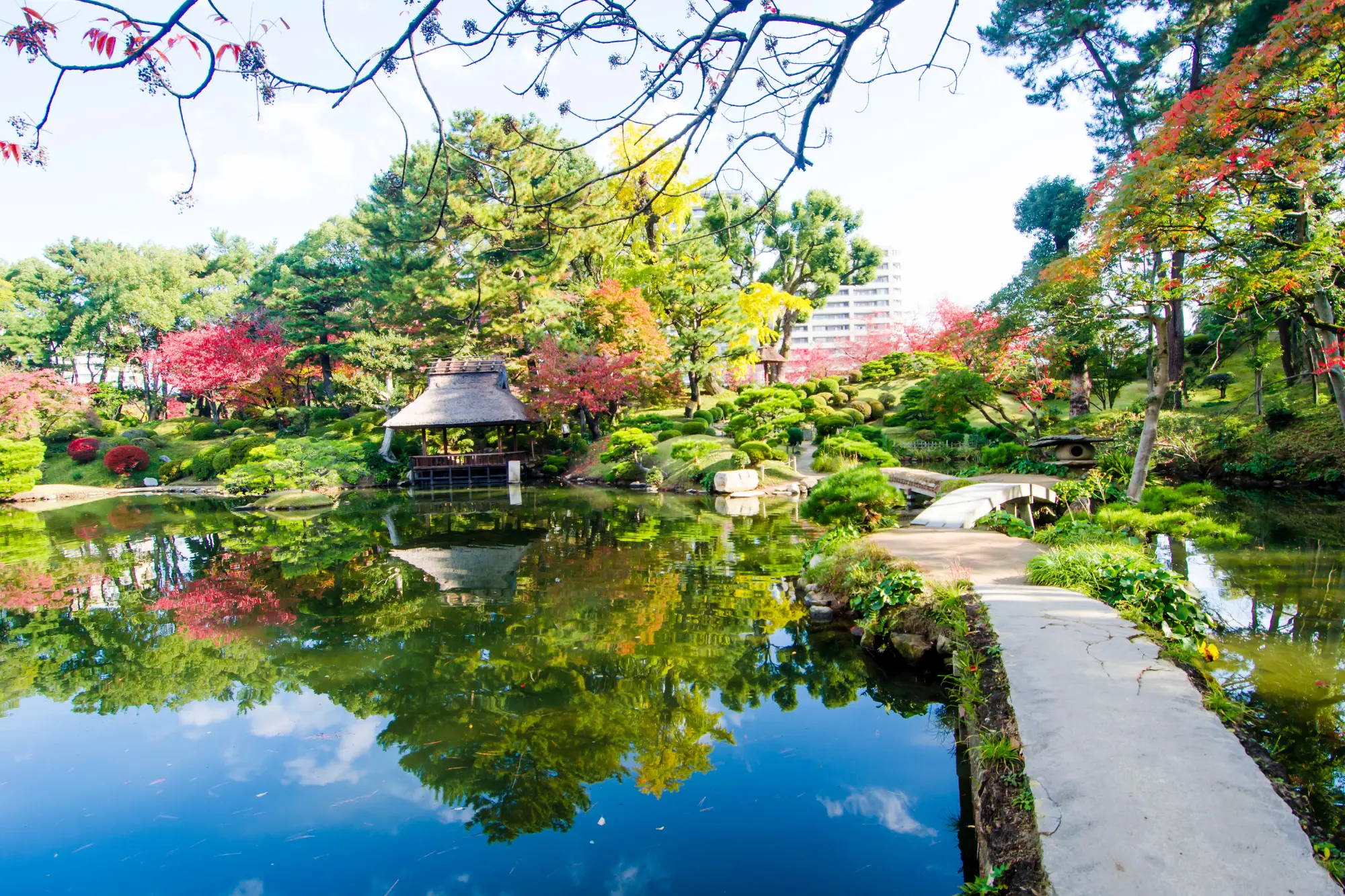
Shukkeien Garden (縮景園, Shukkeien) is a traditional Japanese landscape garden near Hiroshima Castle. Its ponds, bridges, walking paths, and seasonal scenery offer a quieter experience away from the city’s major historical sites.
- Location: Near Hiroshima Castle
- Best for: Gardens, photography, and relaxation
- Suggested time: 1–1.5 hours
- Admission: ¥350 for adults
- Highlights: Pond, bridges, seasonal scenery, traditional garden design
6. Explore Hondori Shopping Street
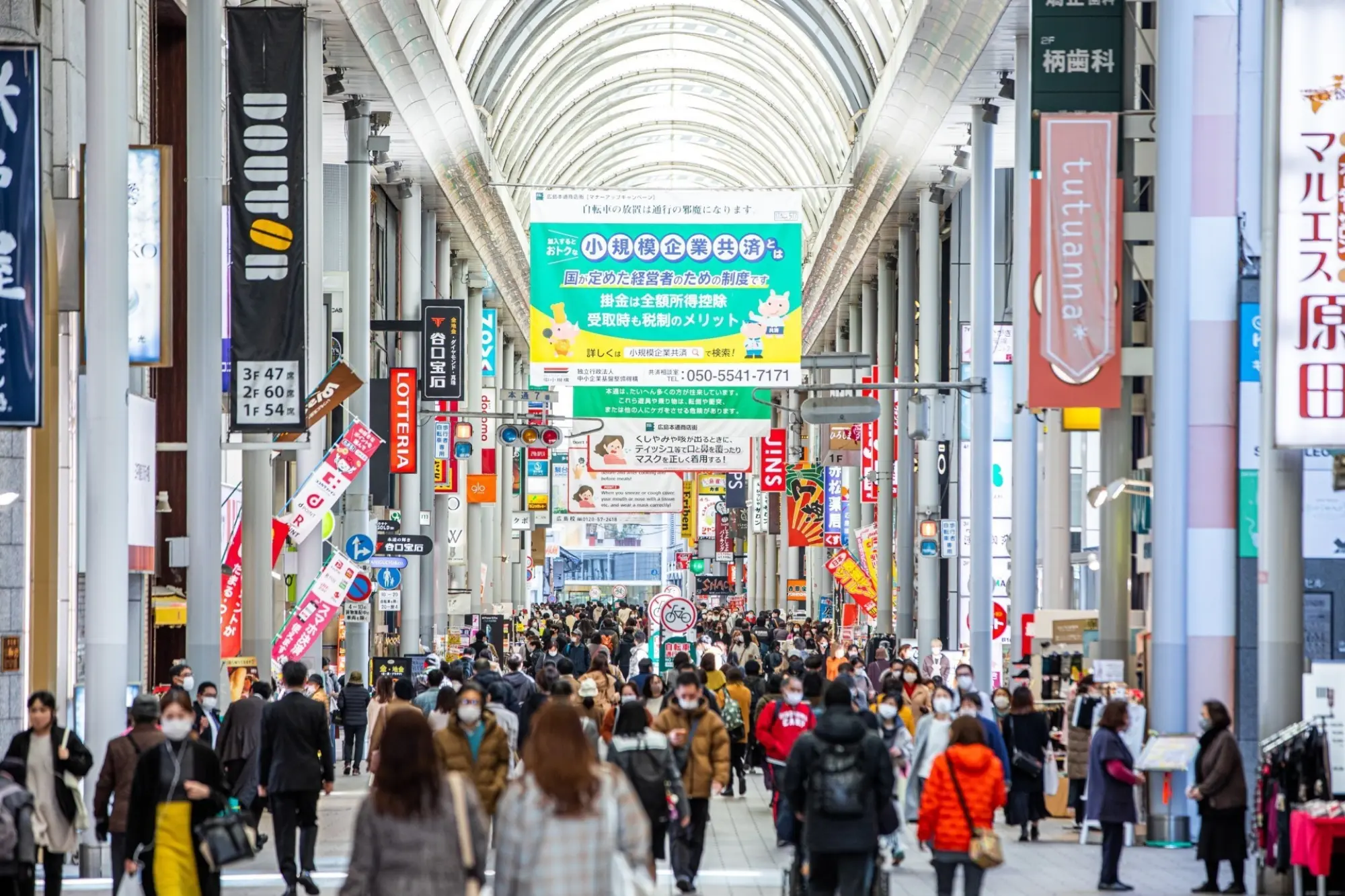
Hondori (本通り, Hondōri) is one of central Hiroshima’s main shopping and pedestrian areas. The covered arcade features restaurants, cafés, shops, and everyday businesses.
Walking around Hondori and nearby Kamiyacho is an easy way to experience modern Hiroshima, shop for local products, and take a break between sightseeing stops.
- Location: Central Hiroshima
- Best for: Shopping, food, and local atmosphere
- Suggested time: 1–2 hours
- Admission: Free
- Highlights: Shops, restaurants, cafés, and local products
7. Try Hiroshima-Style Okonomiyaki
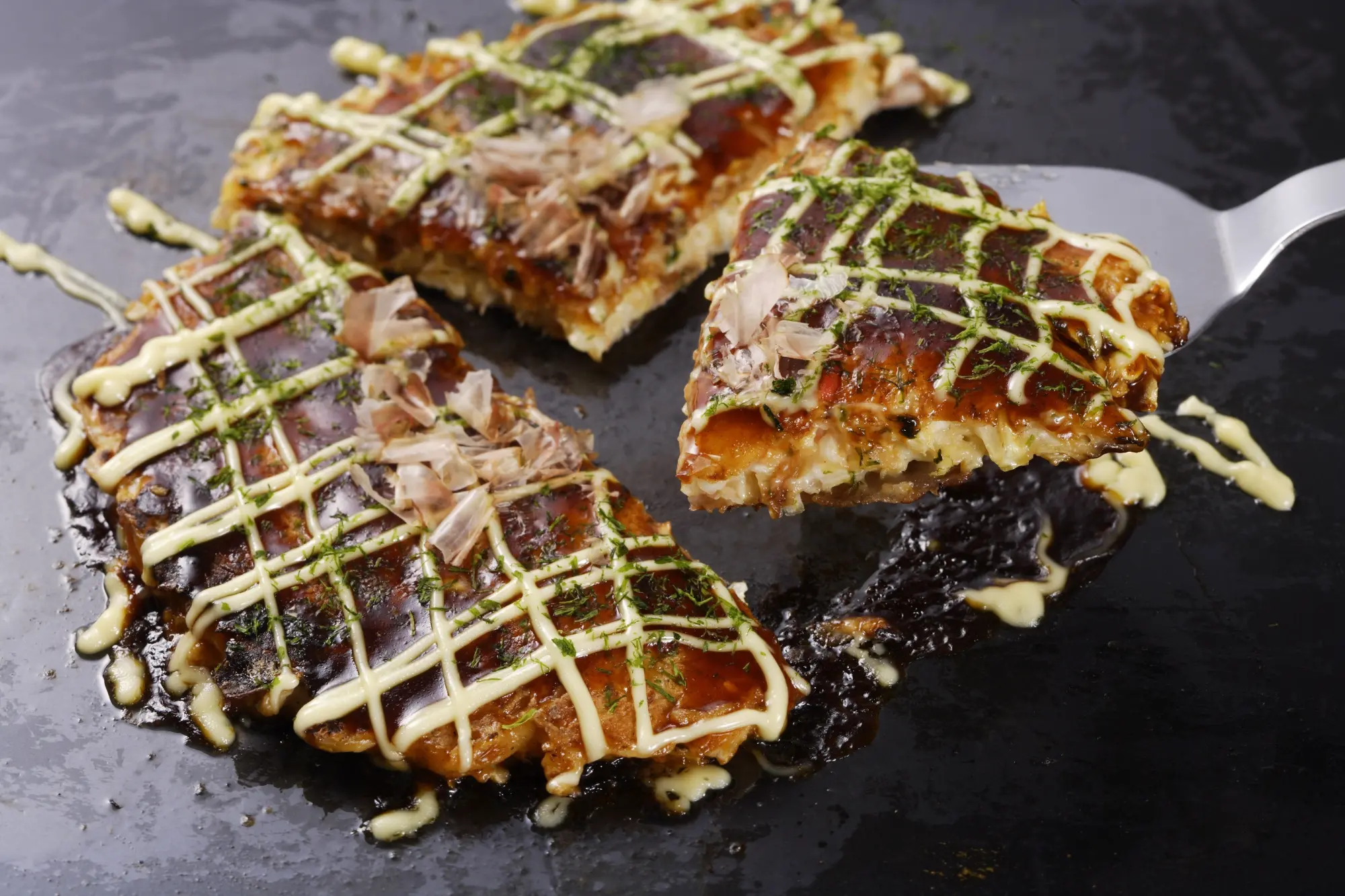
Trying Hiroshima-style Okonomiyaki (広島風お好み焼き, Hiroshima-fū Okonomiyaki) is one of the essential things to do in Hiroshima.
Unlike Osaka-style okonomiyaki, the Hiroshima version is typically prepared in layers and commonly includes cabbage, noodles, and other ingredients. Prices vary by restaurant and toppings, but a casual serving is generally an affordable local meal.
- Best for: Food lovers and cultural experiences
- Suggested time: 1-2 hours
- Cost: Around ¥1,000–2,000/person
- Highlights: Hiroshima-style okonomiyaki, local restaurants, casual dining
8. Walk Along Hiroshima’s Rivers & Parks
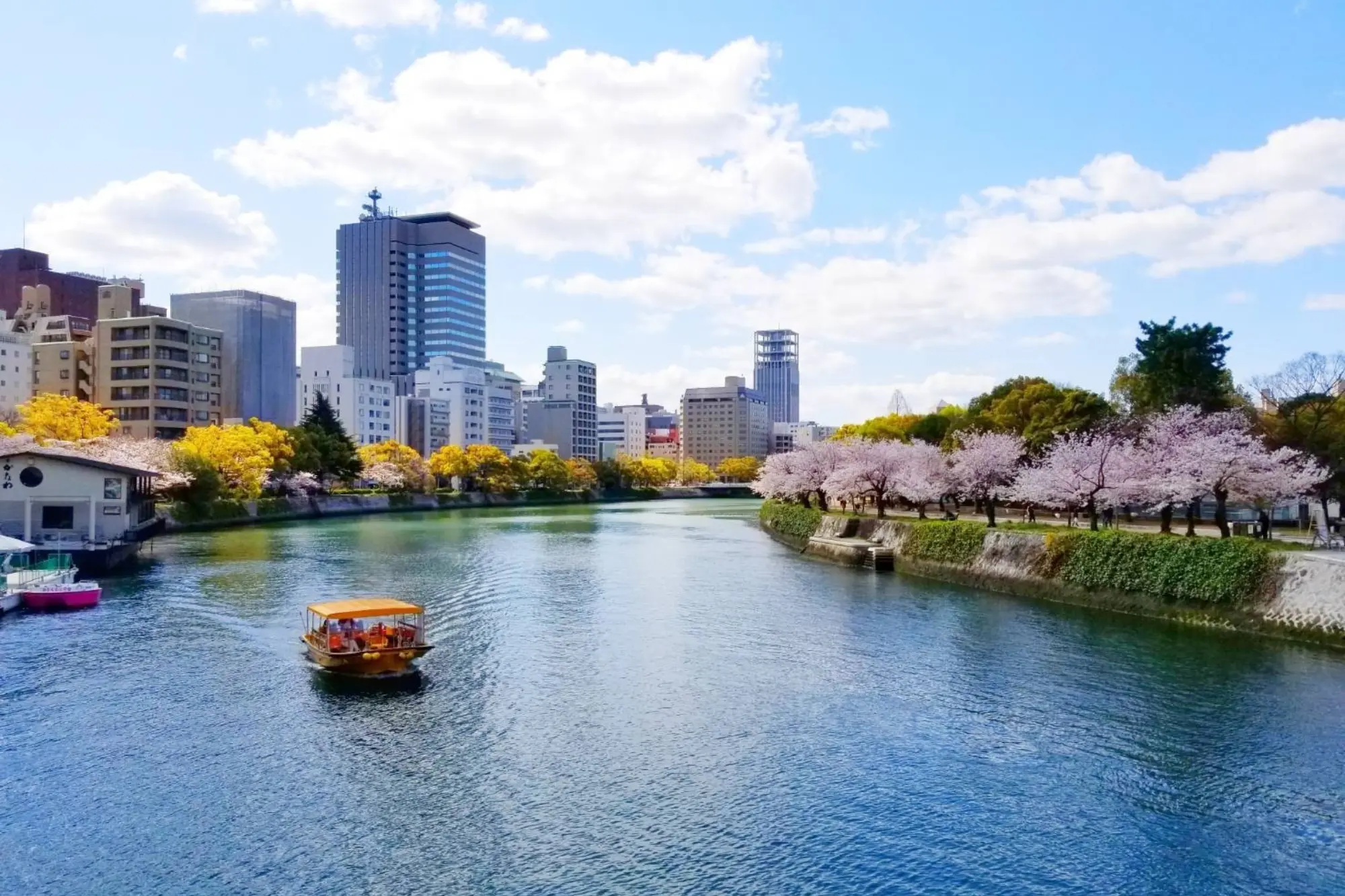
Hiroshima’s rivers and bridges are an important part of the city’s landscape. Walking along the waterfront provides opportunities to see the city from a different perspective and enjoy quieter outdoor spaces.
The riverside areas are particularly pleasant for walking and photography, while Hiroshima’s parks and gardens offer seasonal scenery throughout the year.
- Best for: Walking, photography, and relaxation
- Suggested time: 1-2 hours
- Admission: Free
- Highlights: Rivers, bridges, parks, and city views
Hiroshima Food: What to Eat
Hiroshima has a distinctive food culture influenced by its coastal location and regional traditions.
Hiroshima-Style Okonomiyaki (広島風お好み焼き)
A layered savory dish made with cabbage, noodles, batter, and other ingredients. It is one of the most recognizable local foods in Hiroshima.
Oysters (牡蠣, Kaki)
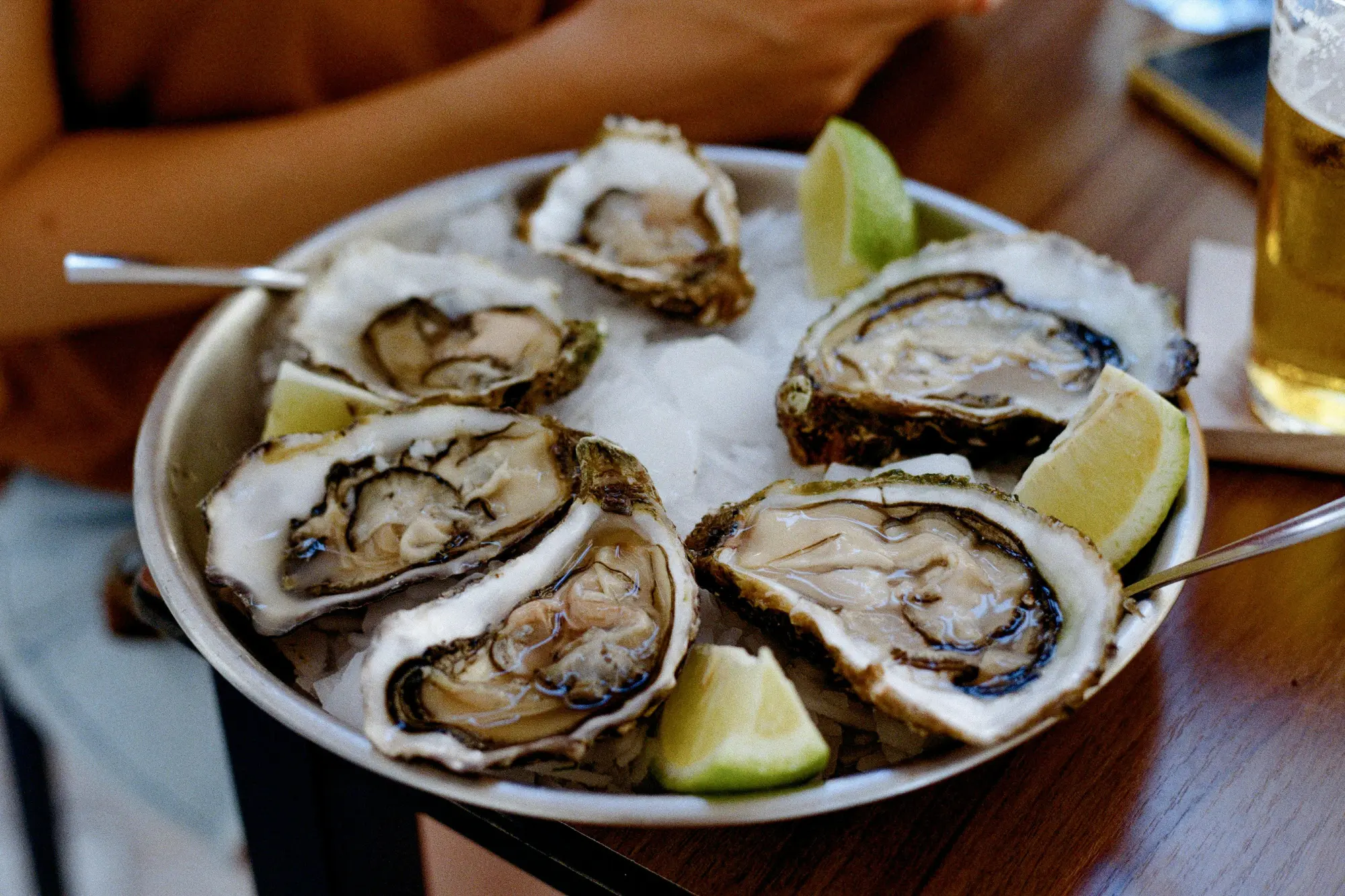
Hiroshima is well known for oysters from the Seto Inland Sea. They can be enjoyed grilled, fried, steamed, or served in other local dishes.
Momiji Manju (もみじ饅頭, Momiji Manjū)
A maple-leaf-shaped Japanese confection associated with Miyajima. It is commonly filled with sweet red bean paste, although other fillings are also available.
Best Time to Visit Hiroshima
Hiroshima can be visited year-round, with each season offering different weather and experiences.
| Season | Months | Weather & Highlights | Best For |
| Spring | March-May | Mild weather, cherry blossoms, and fresh greenery. | Sightseeing, gardens, photography |
| Summer | June-August | Warm and humid with occasional rain and seasonal festivals. | Miyajima, festivals, outdoor activities |
| Autumn | September-November | Comfortable temperatures and colorful autumn foliage. | Walking, sightseeing, day trips |
| Winter | December-February | Cool weather, quieter attractions, and seasonal food. | Museums, food, cultural sightseeing |
Spring and autumn are generally the most comfortable seasons for exploring Hiroshima. Spring is ideal for cherry blossoms, while autumn is particularly attractive for Miyajima and colorful foliage. Summer suits outdoor activities and festivals, while winter is a quieter option for museums, cultural sites, and local food.
How to Get to and Around Hiroshima?
Getting to Hiroshima
Hiroshima is connected to major Japanese cities by the Sanyo Shinkansen.
- From Osaka: Shinkansen services connect Shin-Osaka with Hiroshima.
- From Kyoto: Hiroshima can be reached by Shinkansen, usually via Shin-Osaka or direct services depending on the train.
- From Tokyo: Tokaido-Sanyo Shinkansen services connect Tokyo with Hiroshima.
- By air: Hiroshima Airport serves domestic and selected international routes.
Getting Around Hiroshima
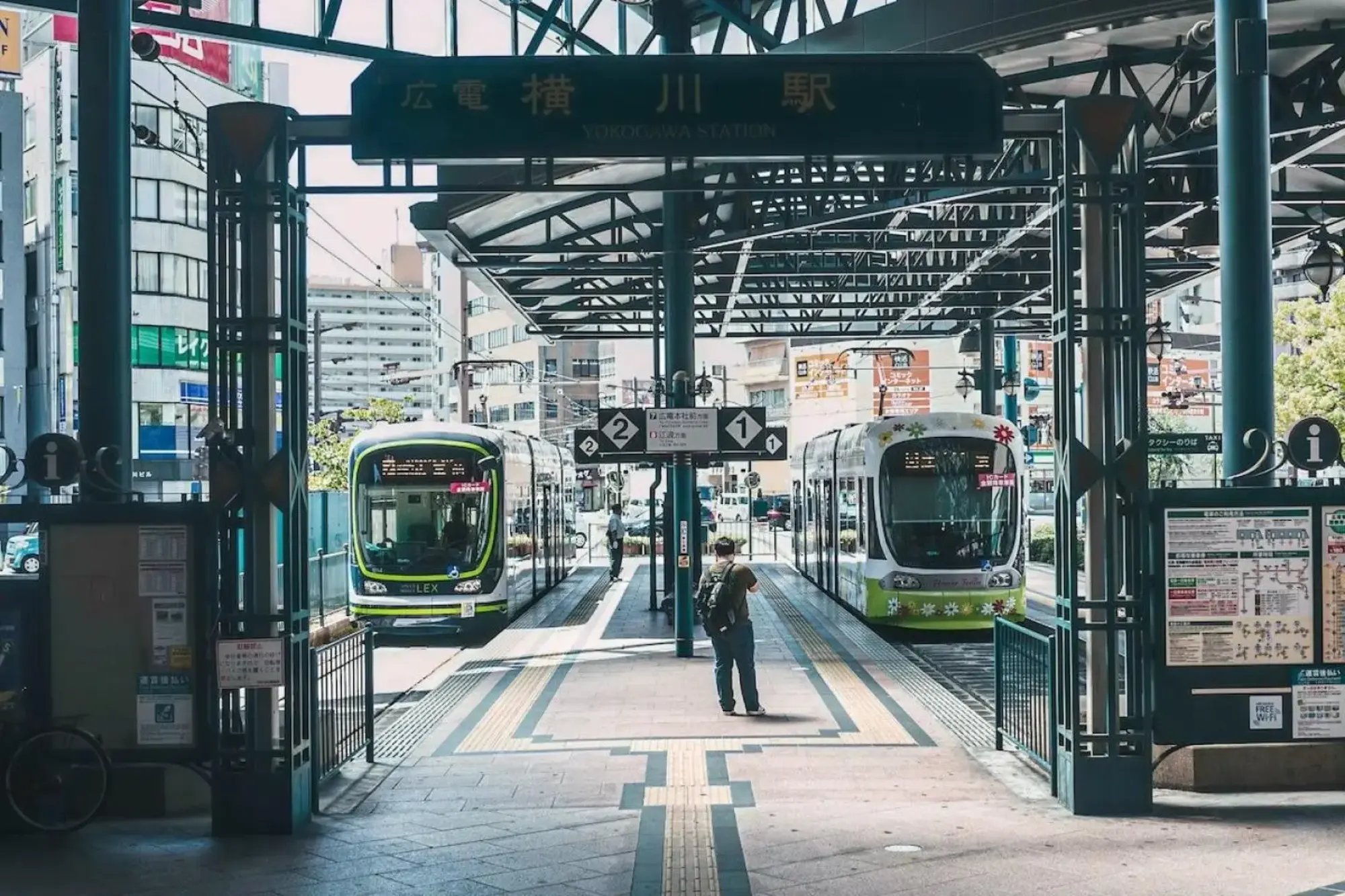
The city is relatively easy to explore using public transportation.
- Trams: Hiroshima Electric Railway trams connect many central districts and major attractions.
- JR trains: Useful for Hiroshima Station and destinations outside the city center.
- Buses: Connect central Hiroshima with different neighborhoods and attractions.
- Ferry: Ferries provide access to Miyajima.
- Walking: Many central historical attractions can be combined into walking routes.
Where to Stay in Hiroshima
Hiroshima offers several convenient areas to stay, from transport hubs and central shopping streets to quieter neighborhoods near major historical attractions and Miyajima.
- Hiroshima Station: A practical choice for first-time visitors and travelers taking the Shinkansen or planning day trips. The station area has a wide range of hotels, restaurants, and convenient transport connections to central Hiroshima and nearby destinations.
- Peace Memorial Park Area: Ideal for travelers who want to focus on Hiroshima’s history and major attractions. Peace Memorial Park, the Atomic Bomb Dome, and Hiroshima Peace Memorial Museum are within walking distance, making this area convenient for sightseeing.
- Hondori & Downtown: A good option for travelers who enjoy restaurants, shopping, cafés, and nightlife. Hondori Shopping Street and nearby downtown attractions are easily accessible on foot, while public transportation provides connections to other parts of the city.
- Miyajima: Suitable for travelers who want a quieter experience and more time to explore the island. Staying overnight allows visitors to enjoy Itsukushima Shrine, traditional streets, and the island’s scenery after many day-trippers have left.
Hiroshima Travel Tips
- Combine nearby attractions: Peace Memorial Park, Atomic Bomb Dome, and the Peace Memorial Museum can be visited together.
- Allow enough time for Miyajima: A half-day may be enough for the main sights, but a full day allows a more relaxed visit.
- Check ferry schedules: Plan your Miyajima trip around ferry times and weather conditions.
- Wear comfortable shoes: Hiroshima sightseeing involves walking, especially around Peace Memorial Park and Miyajima.
- Try local food: Hiroshima-style okonomiyaki, oysters, and Momiji Manju are among the regional specialties.
- Respect memorial sites: Keep a quiet and respectful attitude when visiting places connected with the atomic bombing.
- Use public transportation: Trams, buses, trains, and ferries make it possible to explore Hiroshima without a car.
Frequently Asked Questions About Hiroshima
1. Is Hiroshima worth visiting?
Yes. Hiroshima combines important historical sites, traditional culture, local food, gardens, and easy access to Miyajima. It can also be combined with other destinations in western Japan.
2. What are the best things to do in Hiroshima?
Popular things to do in Hiroshima include visiting the Peace Memorial Park, seeing the Atomic Bomb Dome, exploring Hiroshima Castle, trying Hiroshima-style okonomiyaki, and taking a trip to Miyajima.
3. What are the must visit places in Hiroshima?
The main must visit places in Hiroshima include the Hiroshima Peace Memorial Park, Atomic Bomb Dome, Hiroshima Peace Memorial Museum, Hiroshima Castle, Shukkeien Garden, and Miyajima’s Itsukushima Shrine.
4. How many days do you need in Hiroshima?
A 2-day, 1-night itinerary is enough for the main attractions and Miyajima. Staying for 3 days allows more time for food, shopping, gardens, museums, and a slower pace.
5. What is Hiroshima’s history?
Hiroshima developed as a castle town from the late 16th century and later became an important regional and military center. On August 6, 1945, the city was struck by an atomic bomb, after which it was rebuilt as a Peace Memorial City.
Conclusion
Hiroshima is a destination where history, culture, nature, and modern city life come together. Its Peace Memorial sites provide an important connection to the city’s history, while Hiroshima Castle, Shukkeien Garden, local shopping areas, and regional cuisine show different sides of the destination. A visit to nearby Miyajima and Itsukushima Shrine adds another layer to the trip, combining traditional Japanese architecture with mountains and the Seto Inland Sea. With its compact central attractions and convenient transportation, Hiroshima can easily be included in a wider Japan itinerary.
Explore Nicetrips Japan tour packages and follow the Nicetrips Blog for more destination guides, travel tips, and inspiration for your next journey.