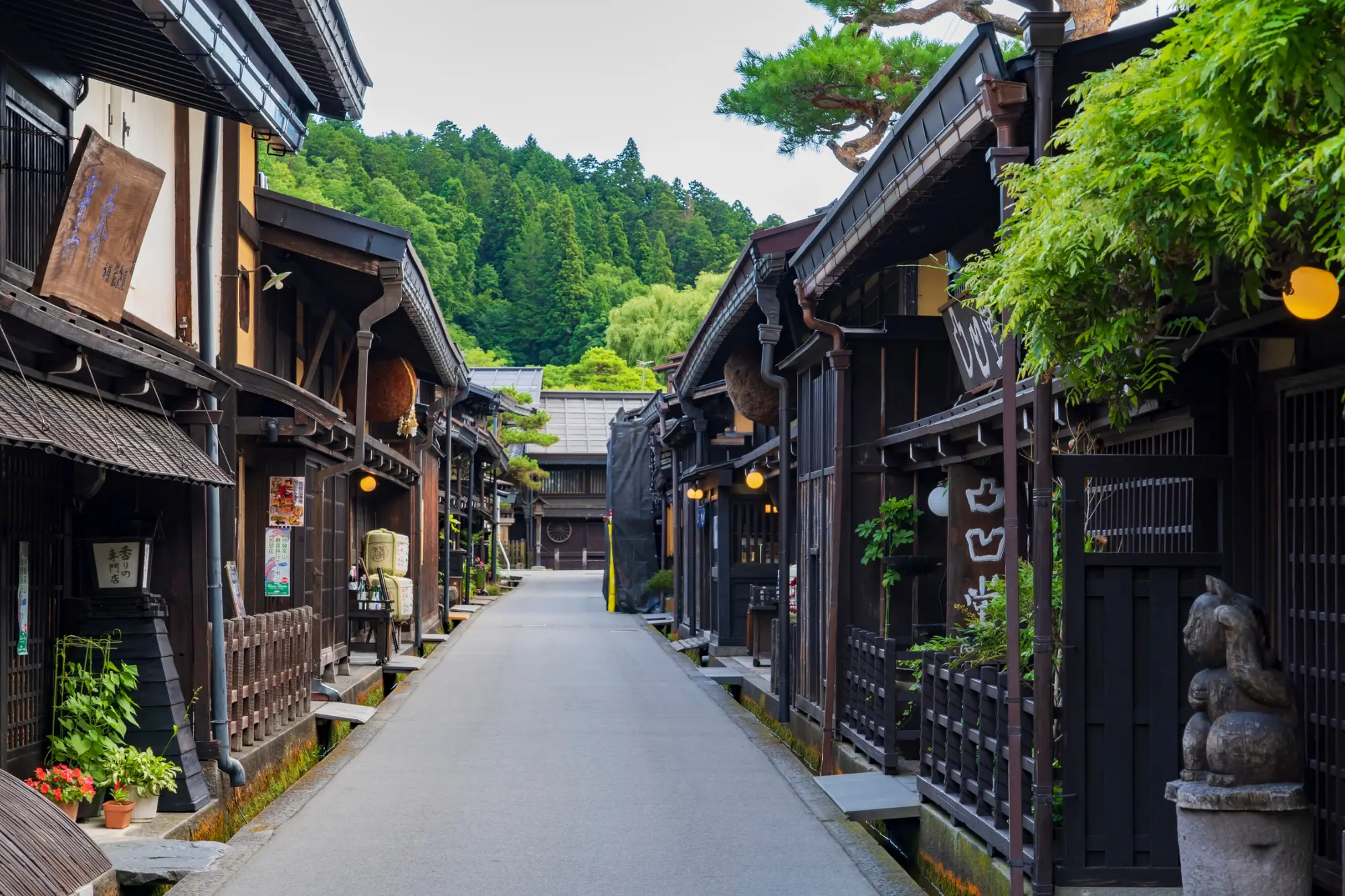
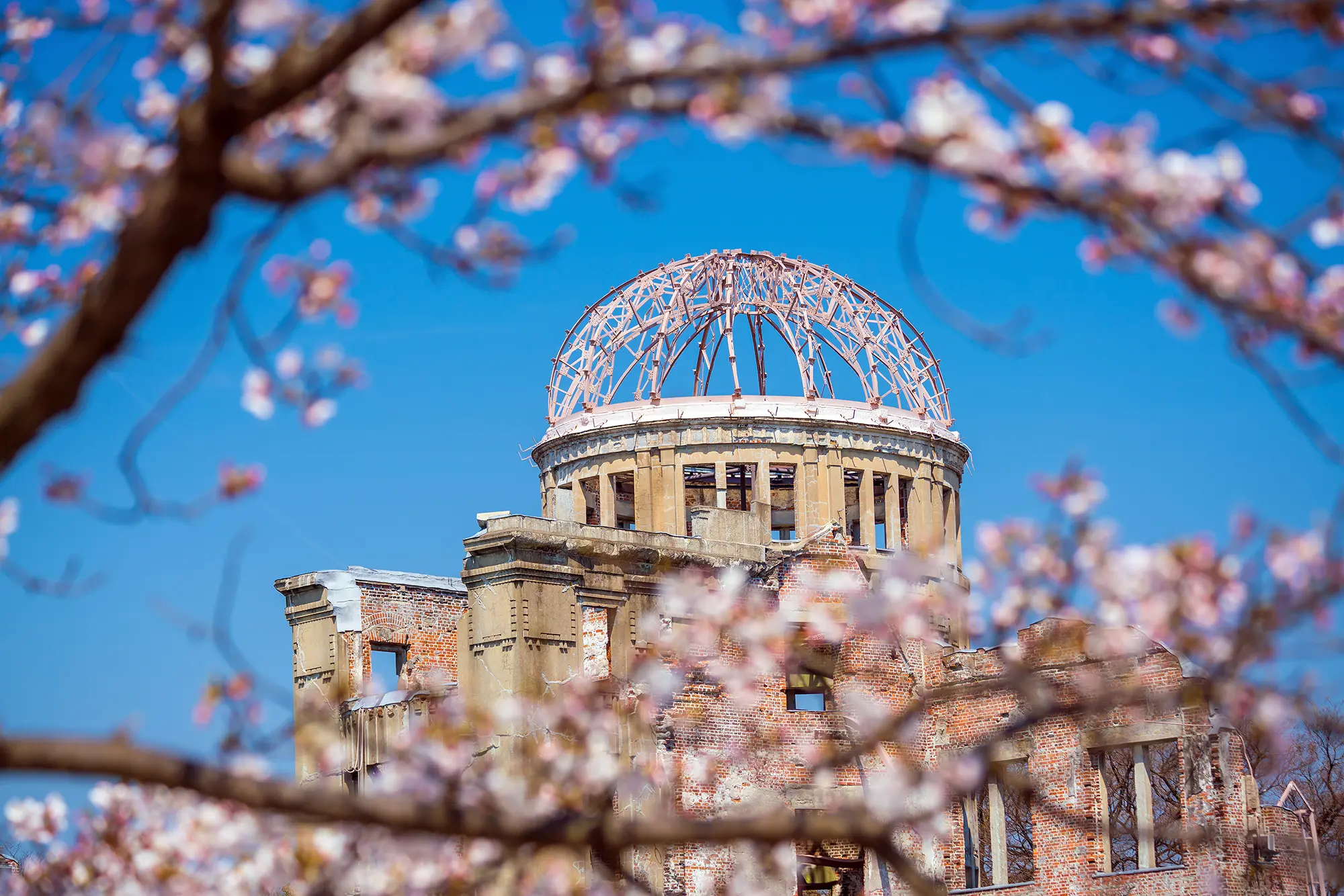
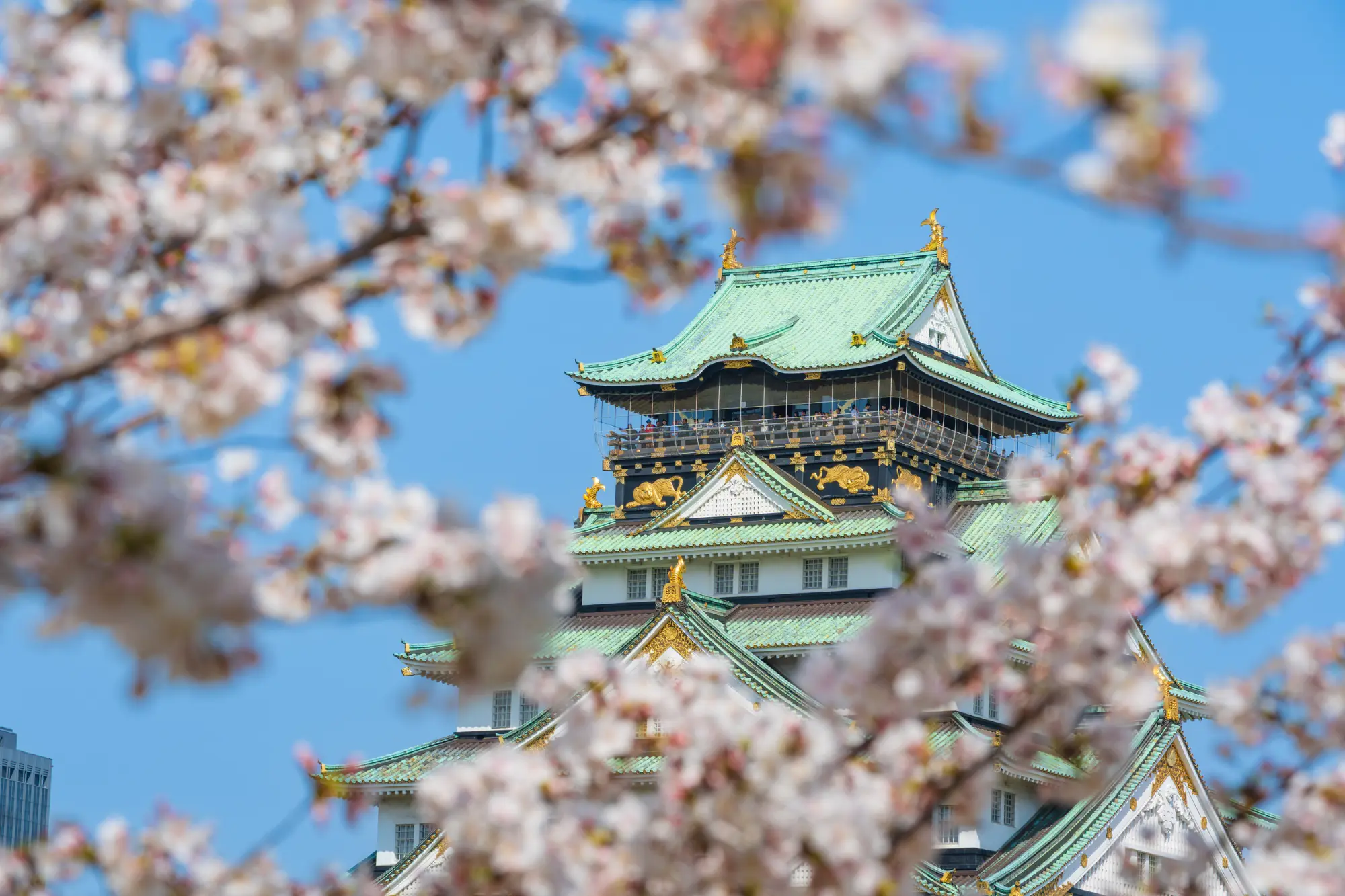
Kyoto is one of Japan’s most famous cultural destinations, known for its historic temples, traditional neighborhoods, gardens, and seasonal scenery. Once the imperial capital of Japan, the city preserves a rich collection of temples, shrines, palaces, and traditional architecture. The city is also known for traditional tea culture, Japanese gardens, local cuisine, and festivals throughout the year, from the iconic Kiyomizu-dera and Fushimi Inari Taisha to the bamboo groves of Arashiyama and the historic streets of Gion, there are countless places to visit in Kyoto. Whether you are interested in Kyoto attractions, looking for a traditional Kyoto temple, or planning the best to do in Kyoto, this guide covers the city’s history, culture, attractions, food, transportation, and practical travel tips.
About Kyoto
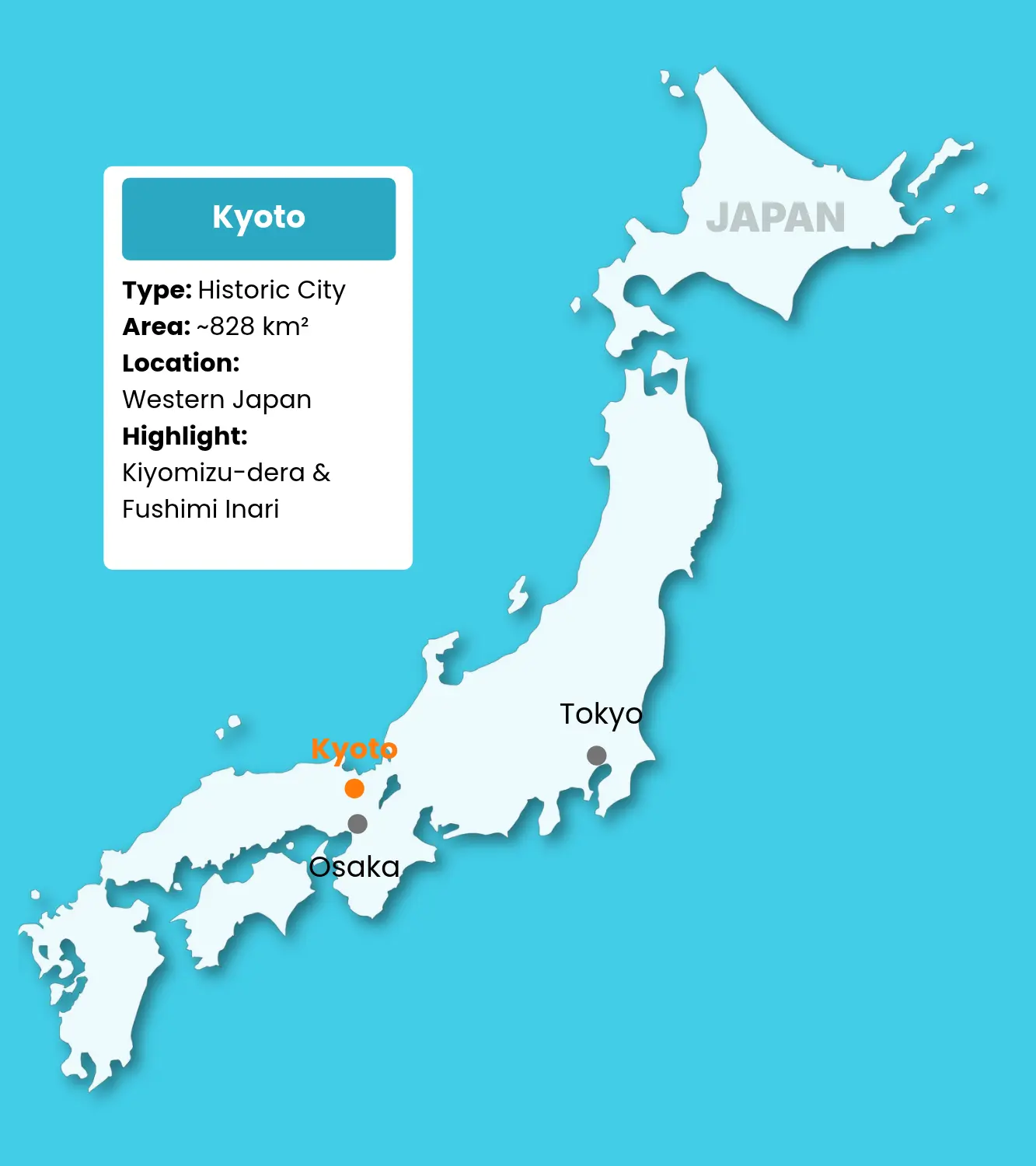
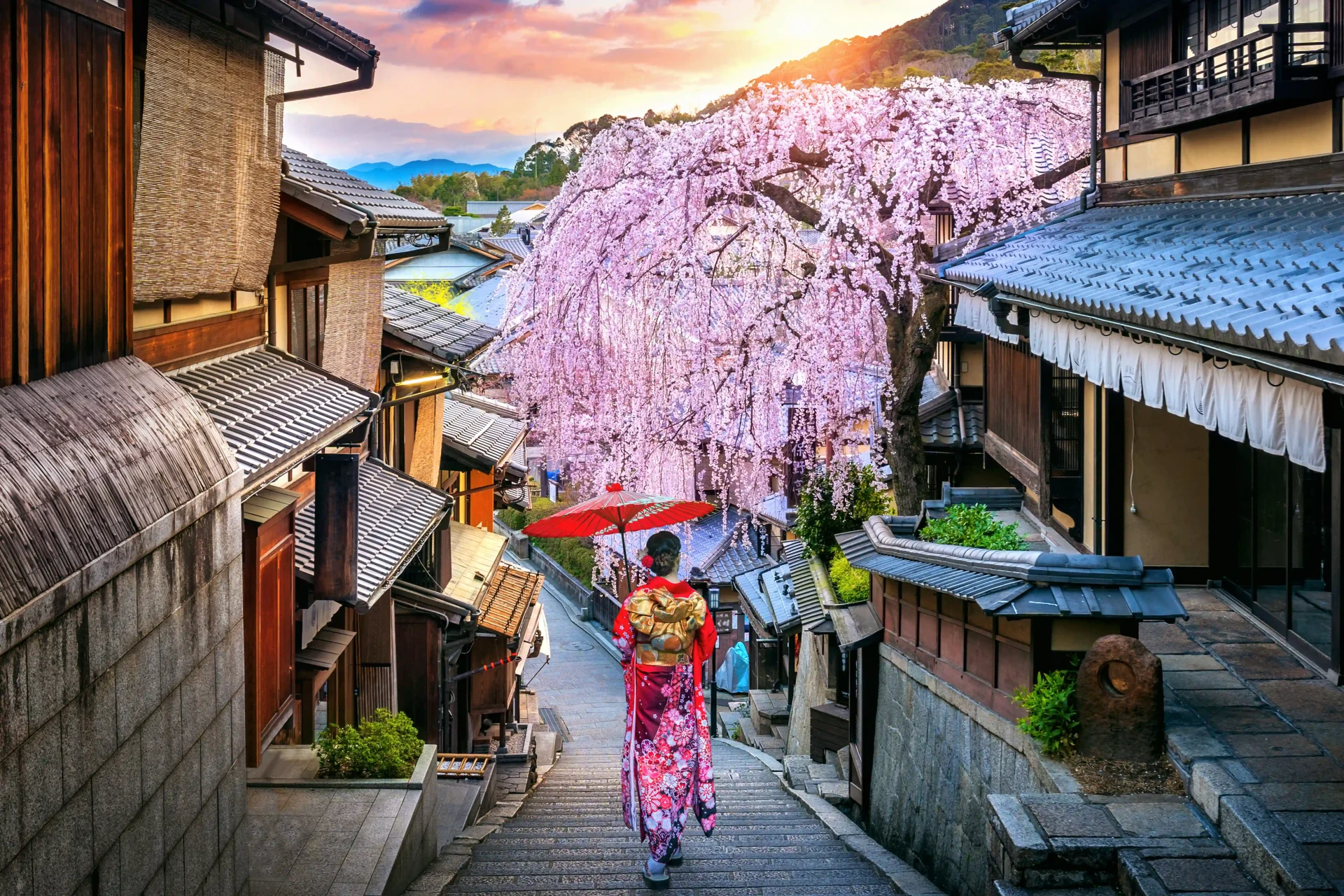
Kyoto is located in the Kansai region of central Japan and is surrounded by mountains on three sides. The city covers approximately 828 km² and has a population of around 1.4 million. Kyoto was established as Japan’s imperial capital in 794 under the name Heian-kyo. Although the capital later moved to Tokyo, Kyoto remained an important center of Japanese culture, religion, arts, and traditional craftsmanship.
Today, Kyoto combines historic neighborhoods and religious landmarks with modern shopping areas, restaurants, cafés, and transportation facilities.
Kyoto at a Glance
- Location: Kansai, Central Japan
- Area: Approximately 828 km²
- Population: Around 1.4 million
- Known for: Temples, shrines, gardens, traditional neighborhoods, tea culture, and seasonal scenery
- Main attractions: Kiyomizu-dera, Fushimi Inari Taisha, Kinkaku-ji, Arashiyama, Gion, and Nijo Castle
- Nearby destinations: Osaka, Nara, Uji, and Lake Biwa
- Best for: History, culture, temples, food, photography, and seasonal travel
Geography of Kyoto
Kyoto lies in a basin surrounded by mountains, giving the city a distinctive natural setting. The urban area is relatively flat, while forested mountains rise around the northern, eastern, and western edges. The city can be broadly understood through several areas:
- Central Kyoto: Shopping, restaurants, Nishiki Market, and major transport connections
- Eastern Kyoto: Kiyomizu-dera, Higashiyama, Gion, and many traditional temples
- Northern Kyoto: Kinkaku-ji, Ryoan-ji, and quieter temple areas
- Western Kyoto: Arashiyama, bamboo forests, temples, and mountain scenery
- Southern Kyoto: Fushimi Inari and the historic Fushimi sake district
This layout makes it useful to group attractions by area when planning a Kyoto itinerary.
History of Kyoto
- From Heian-kyo to Imperial Capital
Kyoto was established as Heian-kyo in 794, becoming the imperial capital and political center of Japan. The city remained the seat of the imperial court for more than 1,000 years.
During this period, Kyoto developed into an important center for literature, religion, architecture, arts, and court culture. Many traditions associated with classical Japanese culture developed or flourished in the city.
- Kyoto and Japanese Cultural Heritage
Over the centuries, Kyoto became home to thousands of temples and shrines as well as historic gardens, palaces, and traditional neighborhoods.
The city’s religious and cultural importance helped preserve many historic sites, making Kyoto one of the most important destinations for experiencing traditional Japanese architecture and culture.
- Kyoto in Modern Japan
In 1869, the imperial court moved from Kyoto to Tokyo. Despite losing its political role as the capital, Kyoto continued to develop as a cultural and educational center.
Many historic buildings and districts survived the major destruction experienced by other Japanese cities during the 20th century. Today, Kyoto remains closely associated with Japan’s cultural heritage.
Culture & Local Life in Kyoto
Kyoto is strongly connected with traditional Japanese culture, from tea ceremonies and gardens to crafts, festivals, architecture, and cuisine.
- Traditional Arts & Tea Culture
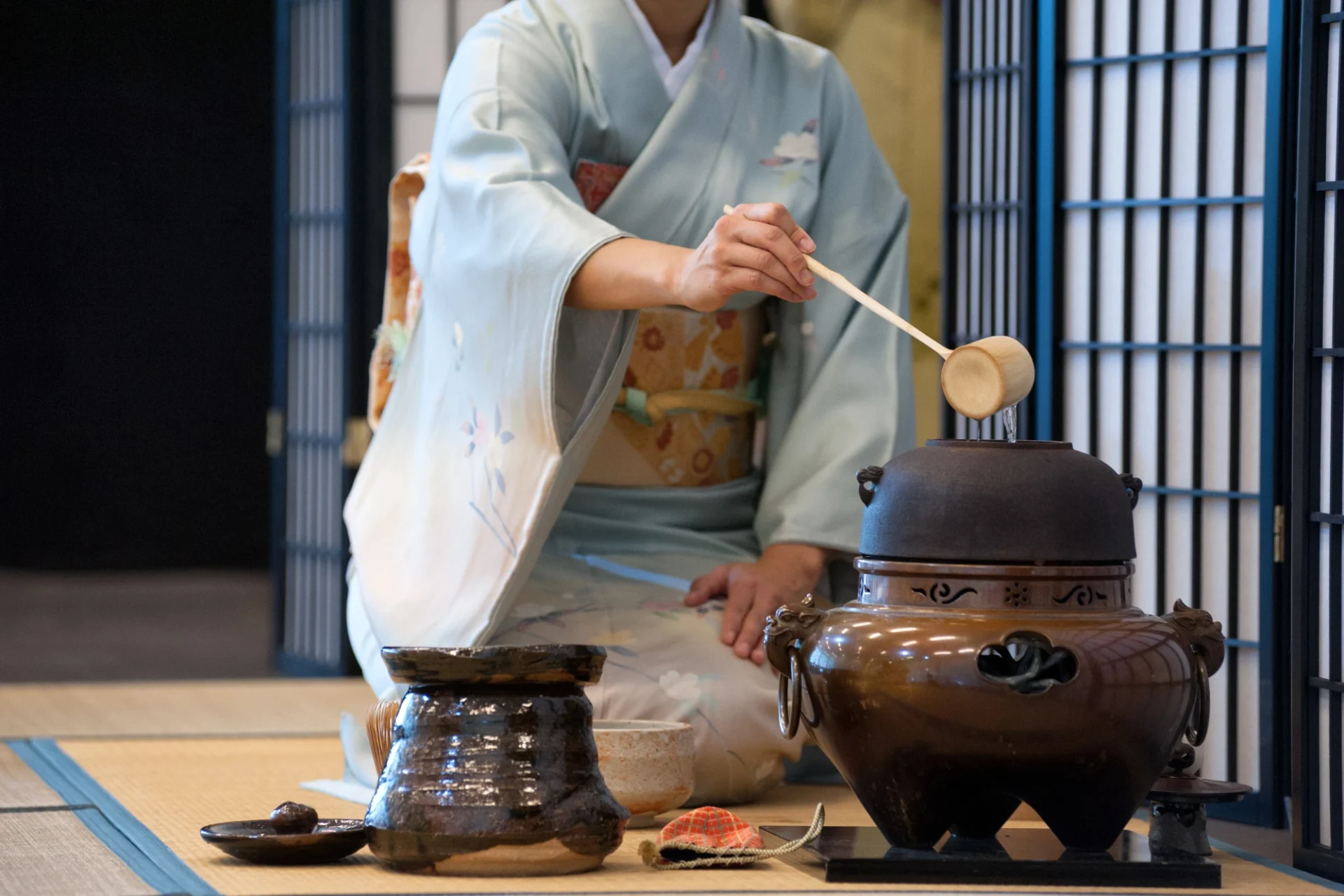
Kyoto is one of Japan’s major centers for traditional arts and crafts. Visitors can experience tea ceremonies, kimono culture, pottery, textile production, flower arrangement, and other traditional practices.
Tea culture is particularly important, with matcha and traditional tea houses forming part of the city’s cultural identity.
- Festivals & Seasonal Traditions
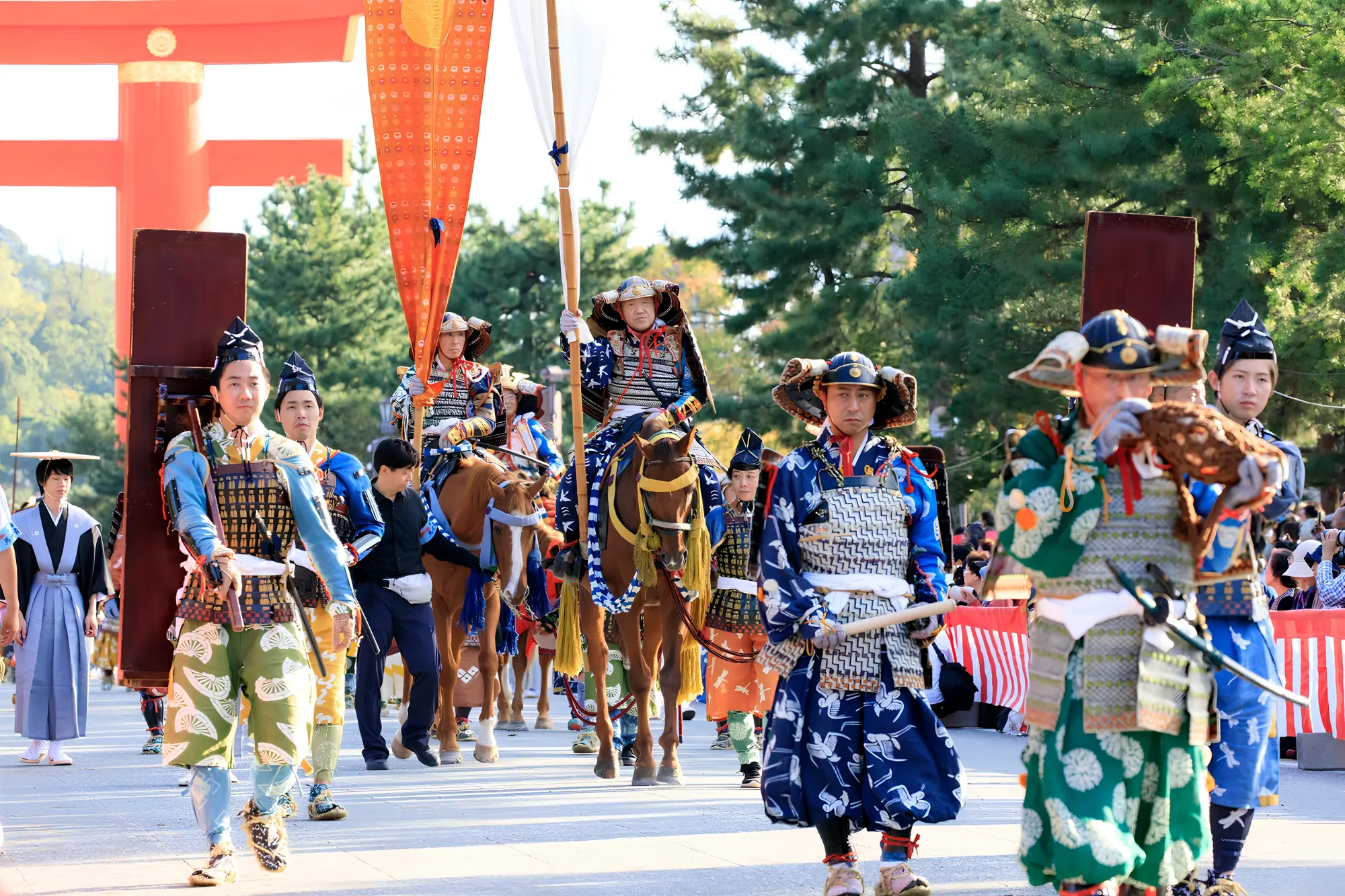
Kyoto hosts numerous festivals throughout the year. The Gion Matsuri, held mainly in July, is one of Japan’s most famous traditional festivals.
Seasonal events also shape everyday life in Kyoto. Cherry blossoms in spring, summer festivals, autumn foliage, and winter illuminations create different atmospheres throughout the year.
- Traditional Neighborhoods
Areas such as Gion, Higashiyama, and Pontocho preserve traditional streets, wooden townhouses, restaurants, tea houses, and small shops.
Exploring these neighborhoods on foot is one of the simplest ways to experience Kyoto beyond its major tourist attractions.
Where to Stay in Kyoto
Choosing the right area can make sightseeing easier, especially because Kyoto’s attractions are spread across different parts of the city.
| Area | Best For | Key Advantages |
|---|---|---|
| Kyoto Station | First-time visitors, day trips | Excellent train and bus connections, easy Shinkansen access, many hotels, restaurants, and shopping facilities. Convenient for trips to Osaka and Nara. |
| Gion & Higashiyama | Culture, traditional Kyoto | Close to Kiyomizu-dera and Yasaka Shrine, with traditional streets, historic architecture, restaurants, cafés, and cultural experiences. Easy to explore on foot. |
| Kawaramachi & Shijo | Shopping, dining, nightlife | Central location with many restaurants, shops, and cafés. Close to Nishiki Market with good public transportation connections. |
| Arashiyama | Nature, quiet stays | Close to the Bamboo Grove and temples, with scenic mountain and river landscapes. Offers a more relaxed atmosphere away from central Kyoto. |
Best Places to Visit & Things to Do in Kyoto
Kyoto offers a wide variety of historical, cultural, and natural attractions. These are some of the most popular Kyoto attractions and things to do in Kyoto that should included in a first visit.
1. Visit Kiyomizu-dera
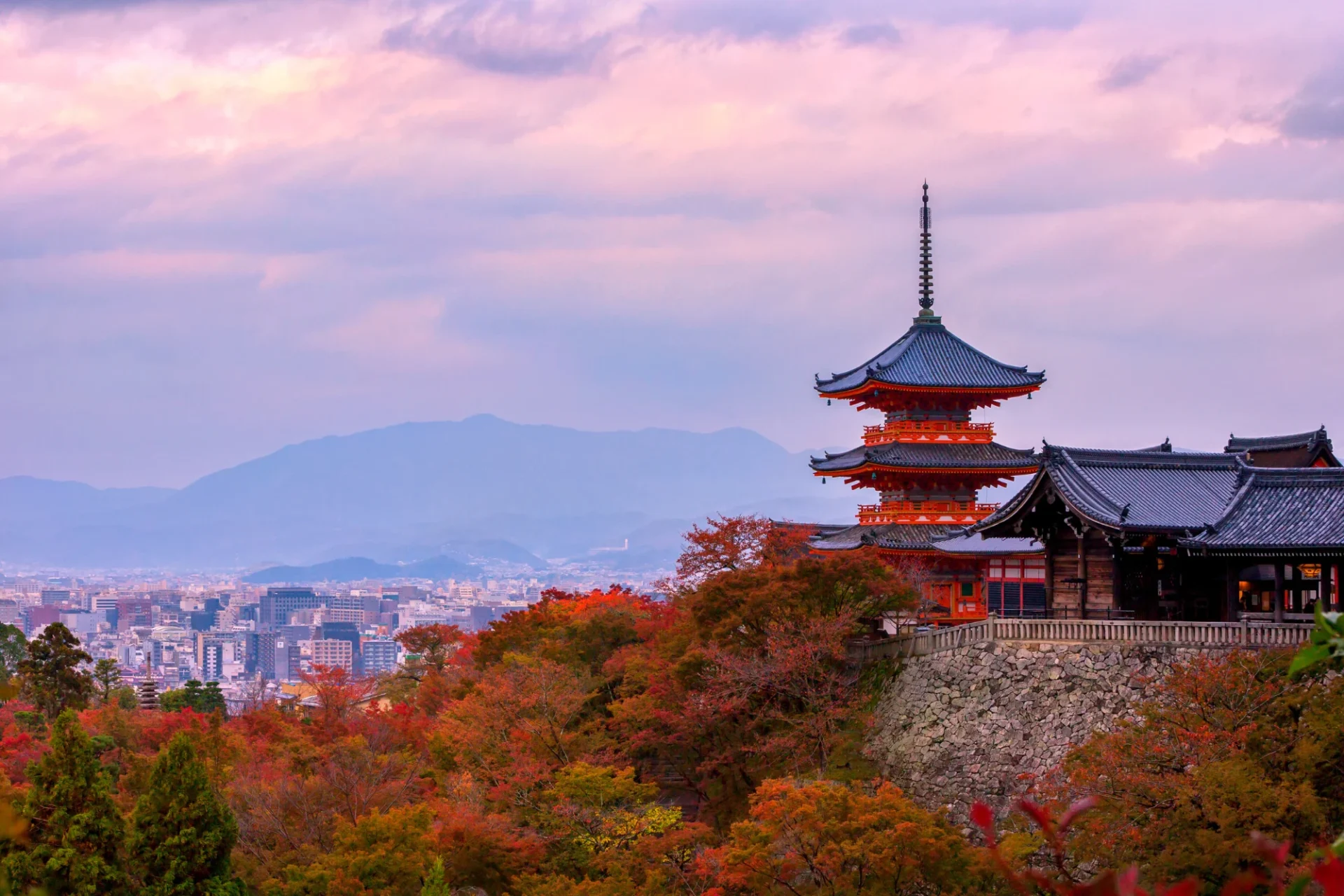
Kiyomizu-dera is one of Kyoto’s most famous temples and a UNESCO World Heritage Site. The temple is built on the wooded slopes of eastern Kyoto and is known for its large wooden stage overlooking the surrounding landscape.
The approach to the temple passes through historic streets in Higashiyama, including Sannenzaka and Ninenzaka, making the area ideal for combining temple visits with traditional architecture, shops, and cafés.
- Location: Higashiyama
- Suggested time: 1.5-2 hours
- Best for: History, architecture, photography, and cultural sightseeing
- Highlights: Main hall, wooden stage, seasonal scenery, Sannenzaka, and Ninenzaka
2. Walk Through Fushimi Inari Taisha
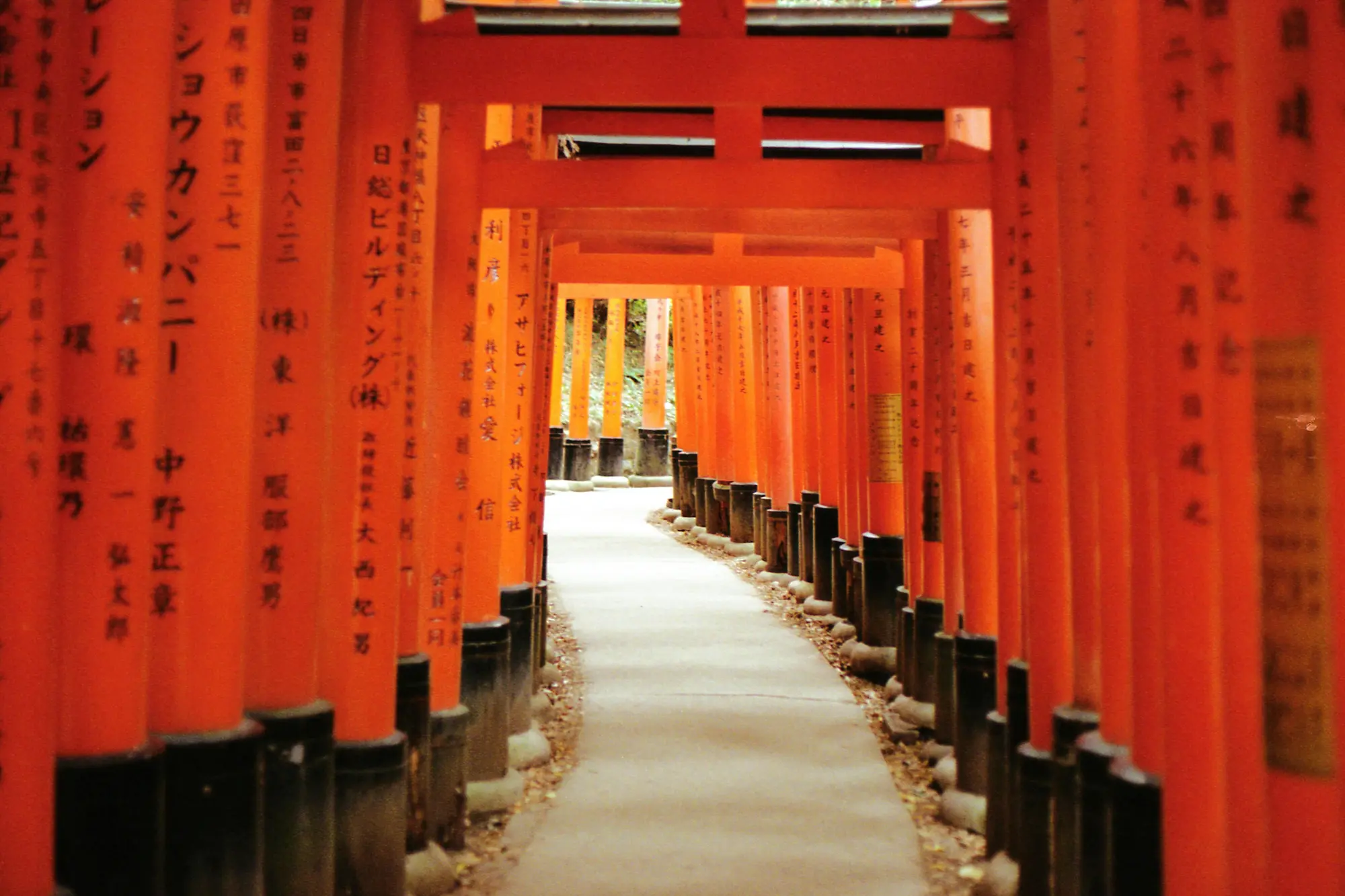
Fushimi Inari Taisha is one of the most recognizable Kyoto temples and shrines, famous for its thousands of bright torii gates leading into the forested Mount Inari.
The lower section is usually the busiest, while the walking route becomes quieter as you continue uphill. Visitors can choose how far to walk depending on their available time.
- Location: Southern Kyoto
- Suggested time: 1.5-3 hours
- Best for: Culture, photography, walking, and traditional architecture
- Highlights: Torii gates, mountain trails, shrine buildings, and forest scenery
- Tip: Early morning is generally more comfortable and quieter
3. See the Golden Pavilion at Kinkaku-ji
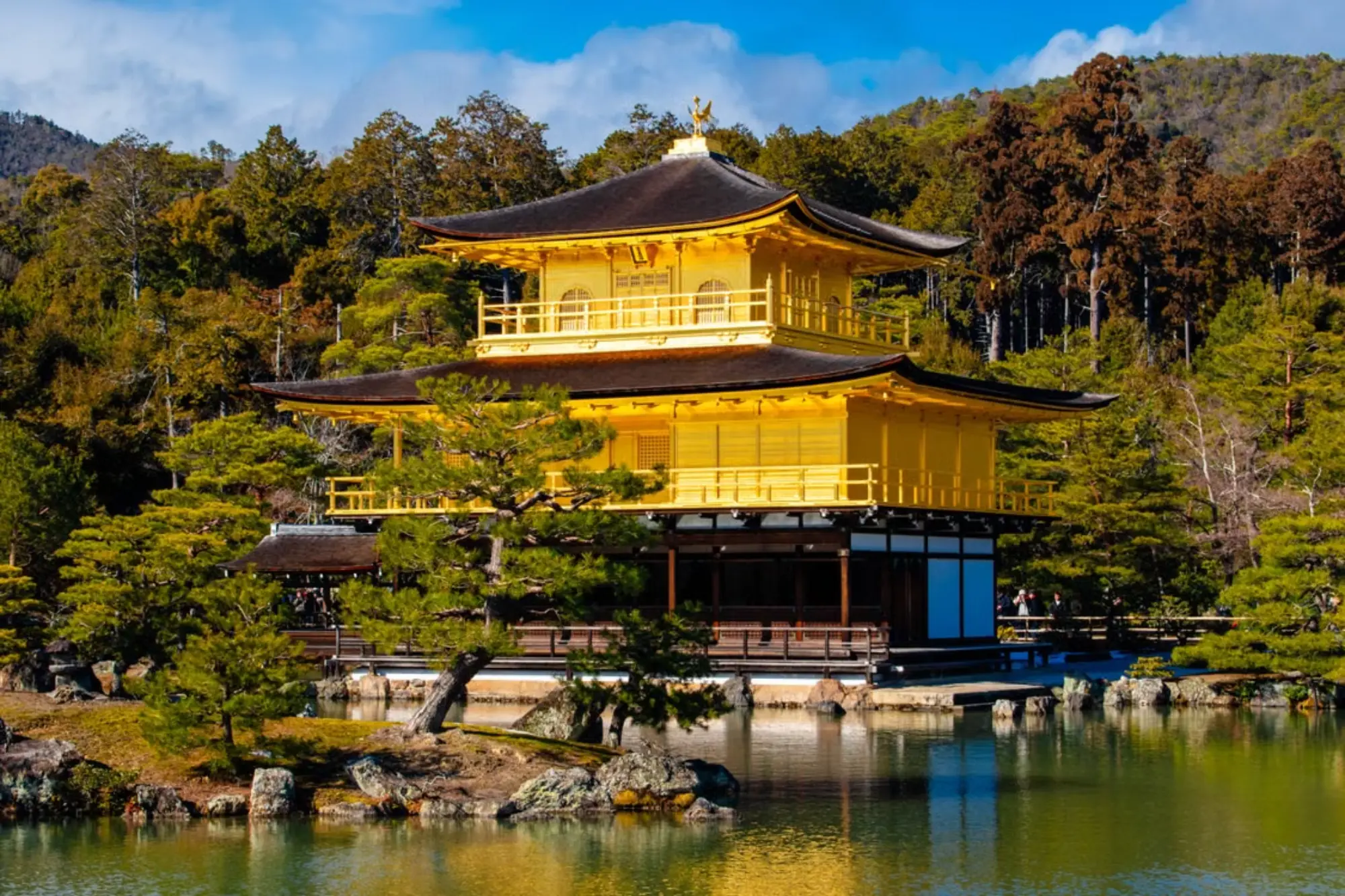
Kinkaku-ji, also known as the Golden Pavilion, is one of Kyoto’s most famous landmarks. The temple’s upper floors are covered in gold leaf and reflected in the pond surrounding the building.
The temple complex includes landscaped gardens and walking paths, making it a relatively easy attraction to visit as part of a northern Kyoto itinerary.
- Location: Northern Kyoto
- Suggested time: 1-1.5 hours
- Best for: Architecture, gardens, photography, and sightseeing
- Highlights: Golden Pavilion, pond, Japanese gardens, and seasonal scenery
4. Explore Arashiyama Bamboo Grove
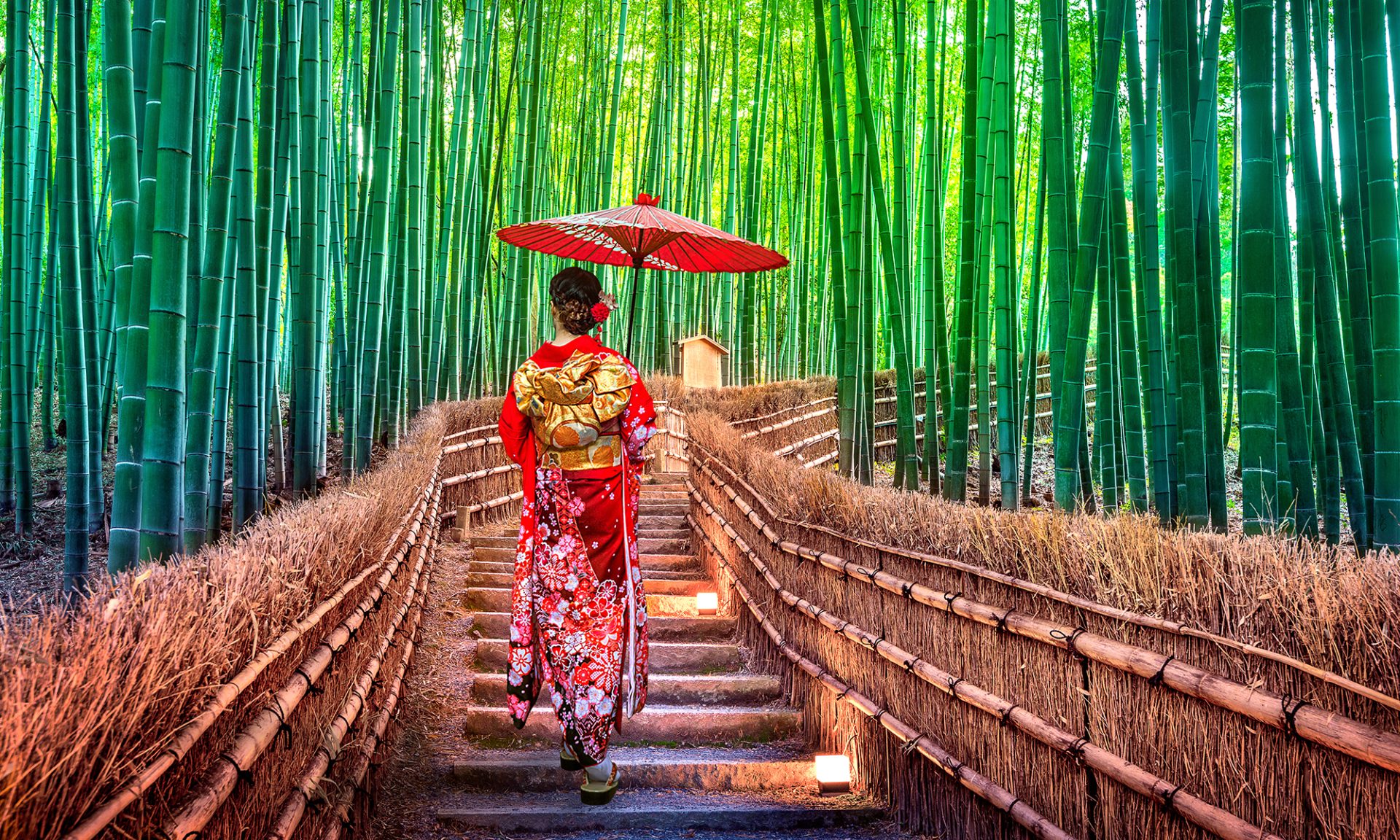
Arashiyama is one of the most popular places to visit in Kyoto, particularly for travelers interested in nature and photography.
The famous Bamboo Grove is located near several other attractions, including Tenryu-ji Temple, Togetsukyo Bridge, and riverside walking paths. Exploring the wider Arashiyama area gives visitors a more complete experience than visiting the bamboo grove alone.
- Location: Western Kyoto
- Suggested time: 3-4 hours
- Best for: Nature, photography, temples, and walking
- Highlights: Bamboo Grove, Togetsukyo Bridge, Tenryu-ji, and mountain scenery
- Tip: Visit early in the morning for a quieter experience
5. Explore Gion & Higashiyama
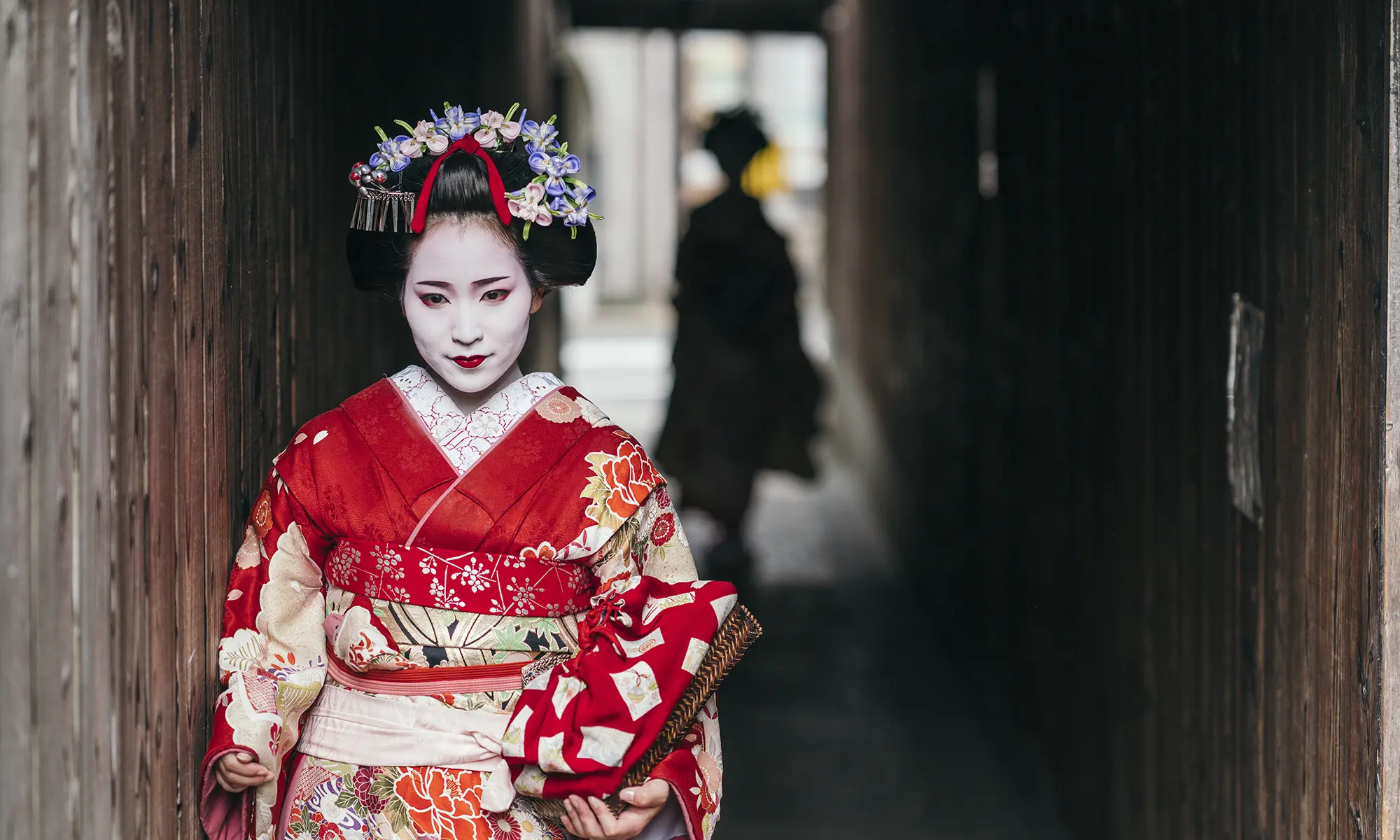
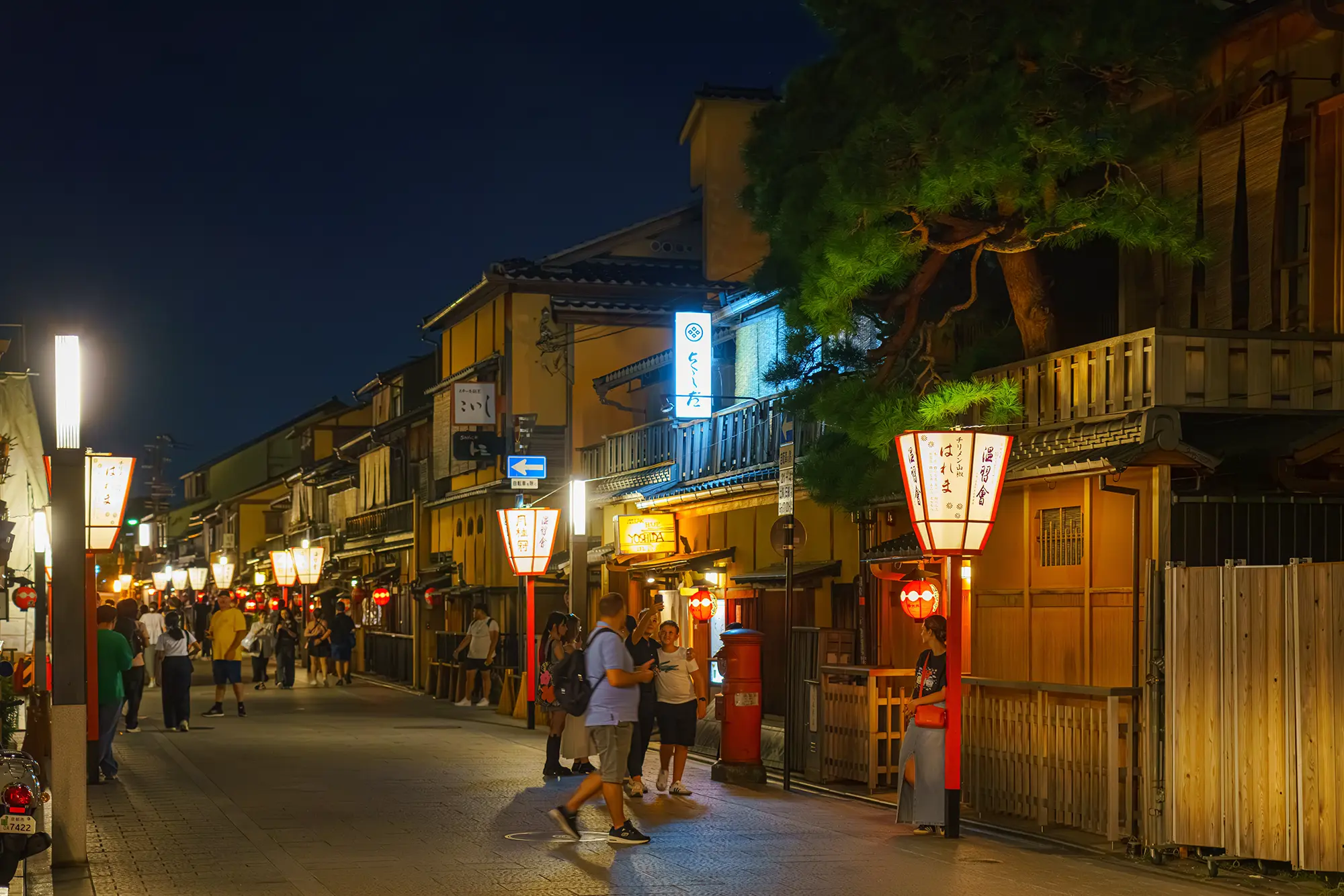
Gion and Higashiyama are among the best areas to experience Kyoto’s traditional atmosphere. Historic streets are lined with wooden buildings, traditional restaurants, tea houses, craft shops, and cafés. The area is particularly atmospheric in the evening when the streets and traditional architecture are illuminated.
- Location: Eastern Kyoto
- Suggested time: 2-4 hours
- Best for: Culture, photography, walking, food, and traditional architecture
- Highlights: Hanamikoji Street, Yasaka Shrine, traditional houses, shops, and restaurants
6. Visit Nijo Castle
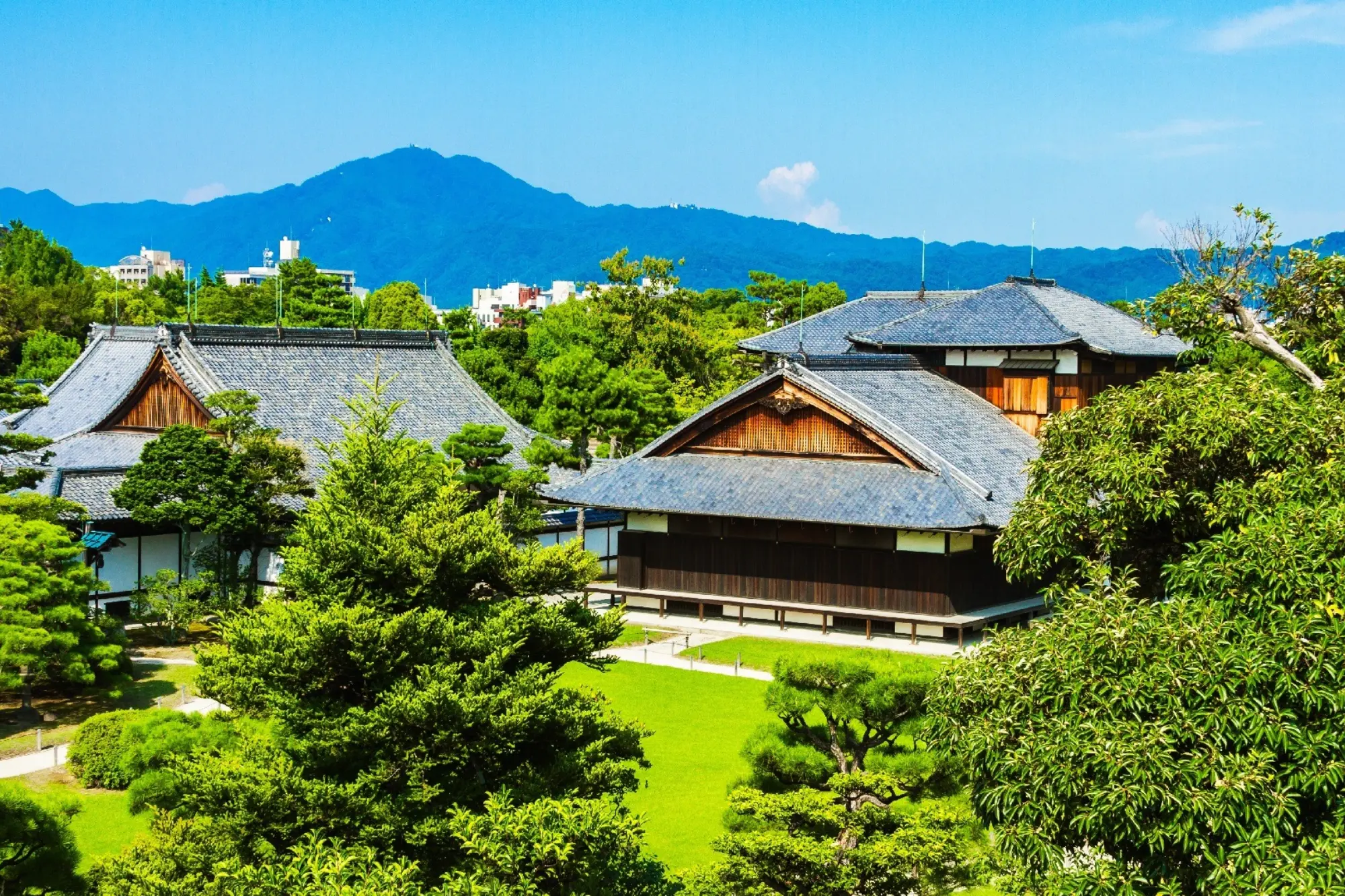
Nijo Castle provides an opportunity to explore Kyoto’s political and architectural history. Built in the early 17th century, the castle complex includes ornate buildings, gardens, gates, and historic interiors.
The site is particularly useful for travelers who want to learn about the relationship between Kyoto and Japan’s former political leadership.
- Location: Central Kyoto
- Suggested time: 1.5-2 hours
- Best for: History, architecture, and gardens
- Highlights: Ninomaru Palace, gardens, castle gates, and historic architecture
7. Explore Nishiki Market
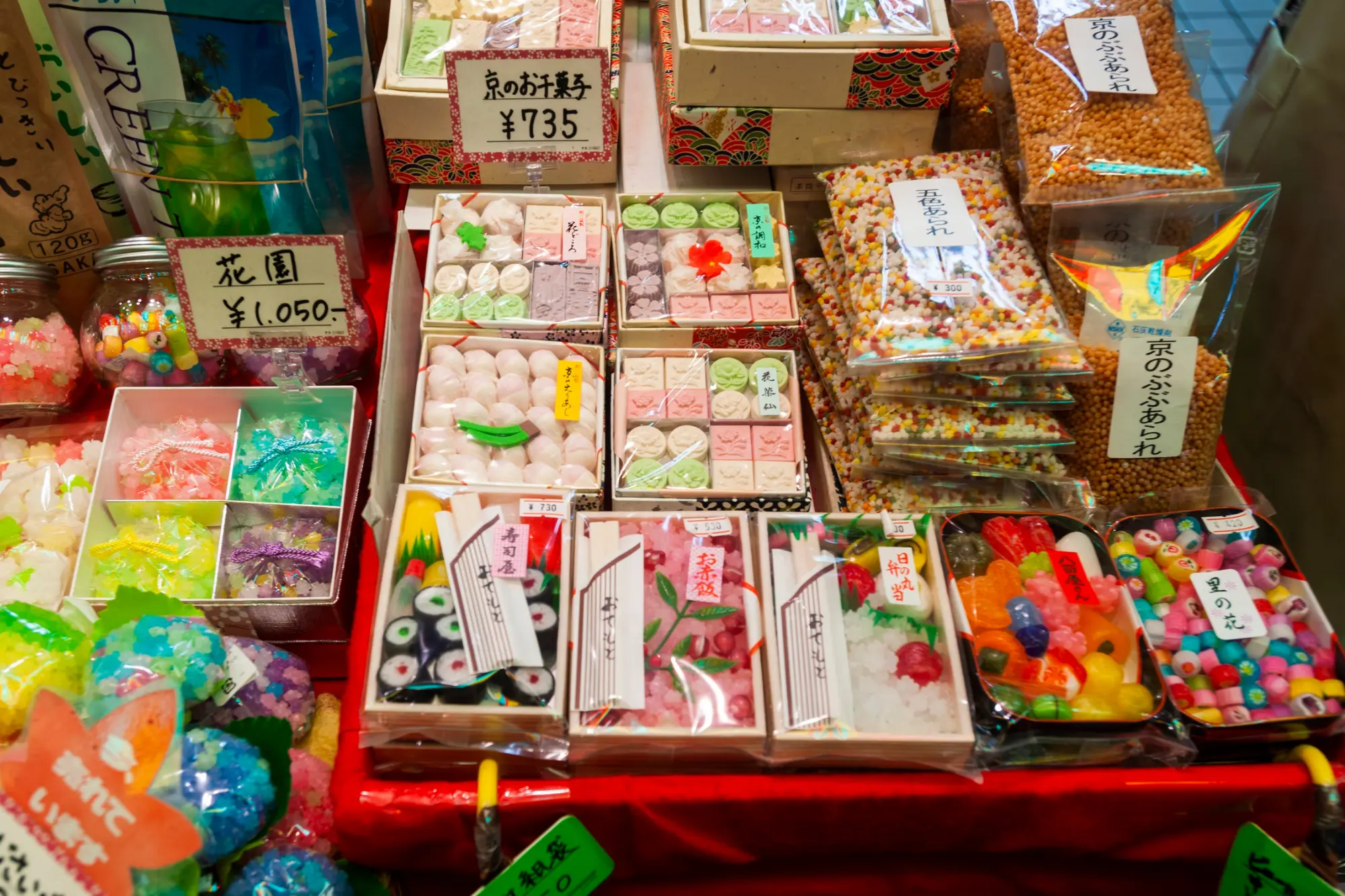
Known as “Kyoto’s Kitchen”, Nishiki Market is a covered shopping street filled with food stalls, specialty shops, restaurants, and traditional products. It is a convenient place to discover Kyoto’s food culture while exploring the central city.
- Location: Central Kyoto
- Suggested time: 1-2 hours
- Best for: Food, shopping, and local culture
- Highlights: Local snacks, pickles, seafood, sweets, tea, and Kyoto specialties
8. Walk Along the Philosopher’s Path
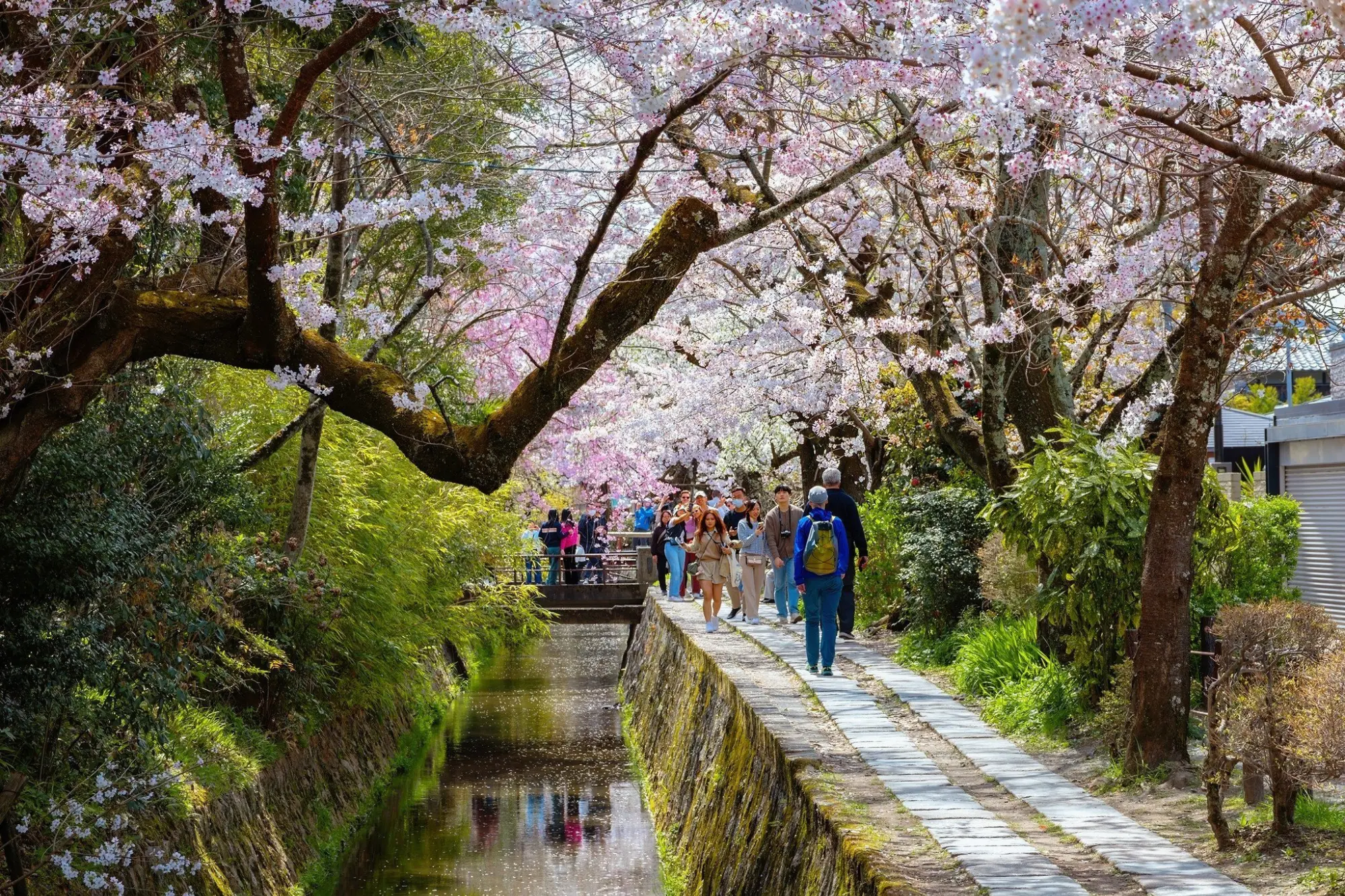
The Philosopher’s Path is a scenic walking route following a canal between Ginkaku-ji and the Nanzen-ji area. The path is particularly popular during cherry blossom season, but the surrounding temples, gardens, cafés, and quiet residential streets make it enjoyable throughout the year.
- Location: Eastern Kyoto
- Suggested time: 1-2 hours
- Best for: Walking, photography, gardens, and seasonal scenery
- Highlights: Canal, cherry trees, Ginkaku-ji, cafés, and traditional neighborhoods
Kyoto Food & Local Specialties
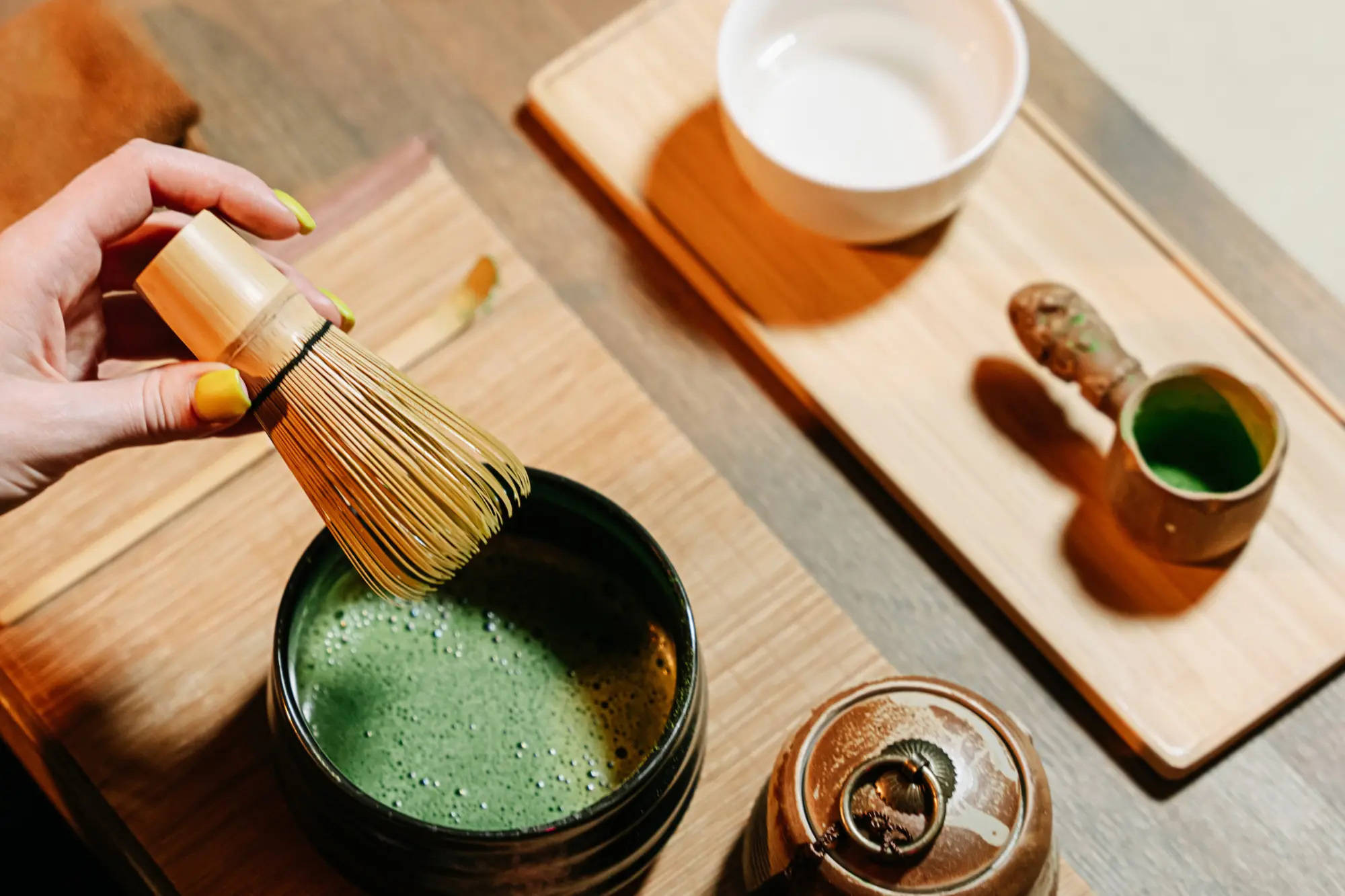
Food is an important part of the Kyoto experience. The city is known for refined cuisine as well as simple traditional dishes and seasonal ingredients.
- Kaiseki Cuisine: Kaiseki is a traditional multi-course Japanese dining style that emphasizes seasonal ingredients, presentation, and balance.
- Yudofu: Yudofu, or simmered tofu, is closely associated with Kyoto’s temple areas, particularly around Nanzen-ji.
- Matcha & Traditional Sweets: Kyoto is one of Japan’s best-known destinations for matcha. Visitors can try matcha tea, matcha desserts, wagashi, and traditional sweets such as yatsuhashi.
- Kyoto Vegetables: Kyoto is also known for its locally grown vegetables, including varieties traditionally associated with the region.
For a more casual experience, travelers can explore Nishiki Market, local restaurants, cafés, and traditional food shops throughout the city.
Best Time to Visit Kyoto
Kyoto can be visited throughout the year, with each season offering a different atmosphere.
|
Season |
Months | What to Expect |
Best For |
| Spring | March-May | Cherry blossoms, mild weather, fresh greenery | Sakura, temples, gardens, photography |
| Summer | June-August | Warm weather, humidity, festivals | Gion Matsuri, cultural events, evening walks |
| Autumn | September-November | Comfortable temperatures, colorful foliage | Temple visits, gardens, autumn scenery |
| Winter | December-February | Cold weather, fewer crowds, occasional snow | Quiet sightseeing, temples, seasonal food |
Spring and autumn are generally the best times to visit Kyoto, especially for travelers interested in cherry blossoms and autumn foliage. Summer is ideal for festivals and cultural events, while winter offers fewer crowds and a quieter atmosphere.
How to Get to Kyoto
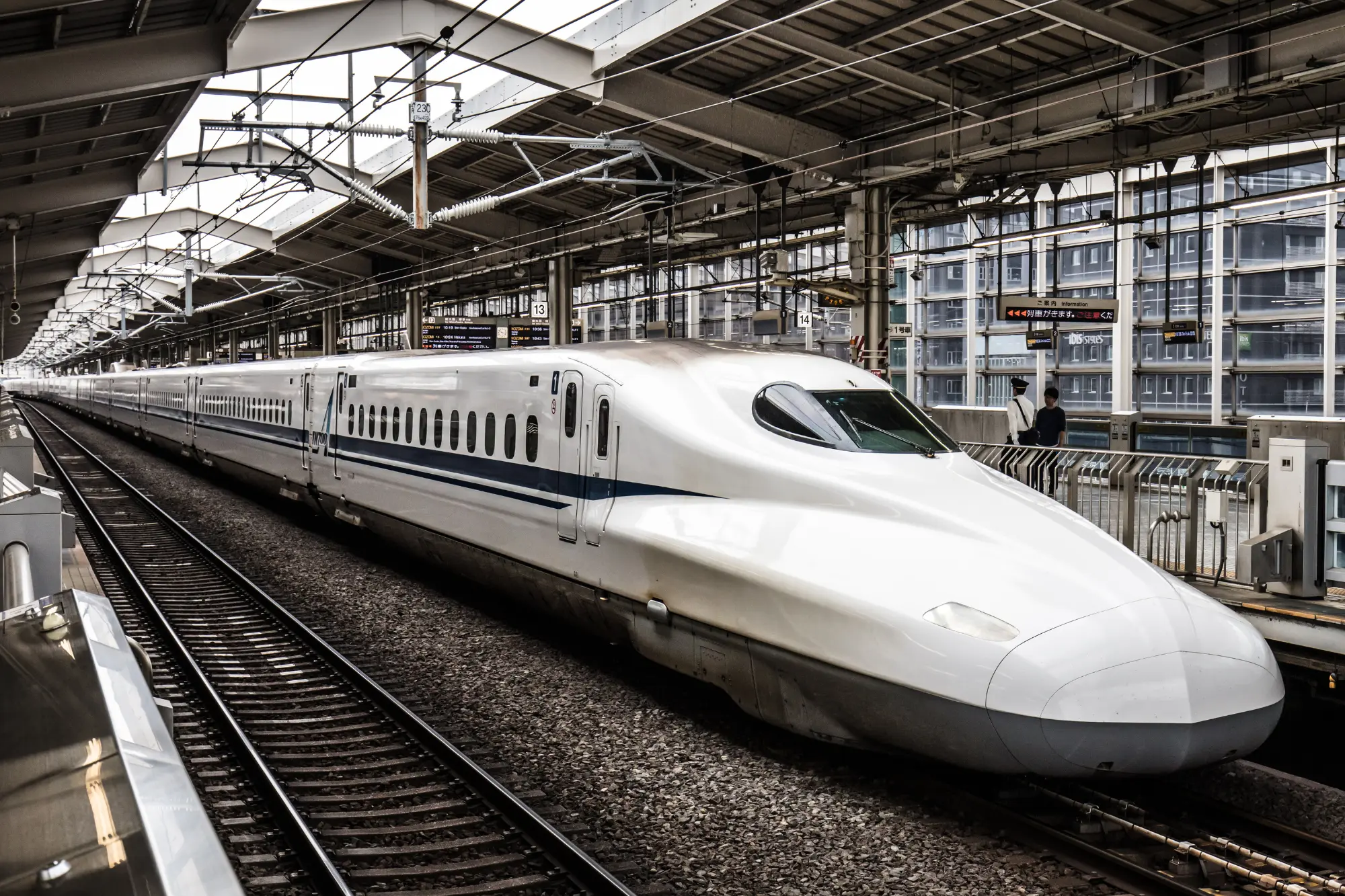
- By Shinkansen: The Tokaido Shinkansen connects Kyoto with Tokyo, Nagoya, and other major cities. Kyoto Station is the city’s main long-distance rail hub.
- From Osaka: Kyoto is easily accessible from Osaka by JR trains, private railway lines, and other local services. The journey is short enough to make Kyoto a practical day trip from Osaka.
- From Kansai International Airport: Travelers arriving at Kansai International Airport can reach Kyoto by train or airport transfer services. The JR Haruka limited express provides a direct rail connection to Kyoto Station.
Getting Around Kyoto
Kyoto has an extensive public transportation network, although the best option depends on the area you are visiting.
- Train: Useful for longer routes and attractions such as Fushimi Inari and Arashiyama
- Subway: Convenient for central and northern areas
- Bus: Connects many temple and sightseeing areas
- Walking: Ideal for Gion, Higashiyama, and central neighborhoods
- Bicycle: Useful for exploring quieter streets and areas along the rivers
- Taxi: Convenient when traveling between attractions or with limited time
Planning attractions by area can help reduce travel time, especially during busy seasons.
Kyoto Travel Tips
- Start early: Popular attractions such as Fushimi Inari and Kiyomizu-dera can become crowded later in the morning. Arriving early also makes walking and photography more comfortable.
- Group attractions by area: Kyoto’s attractions are spread across the city, so plan nearby places together. This helps reduce travel time and makes your itinerary more efficient.
- Wear comfortable shoes: Many places to visit in Kyoto involve walking, including temple grounds, traditional streets, and paths around Arashiyama. Comfortable footwear is especially useful for full-day sightseeing.
- Use public transportation: Trains, buses, and the subway are convenient for reaching major attractions. Check routes in advance, especially during busy periods when buses may take longer.
- Respect temple and shrine rules: Follow signs, photography restrictions, and local customs when visiting religious sites. Keep noise levels low and avoid entering restricted areas.
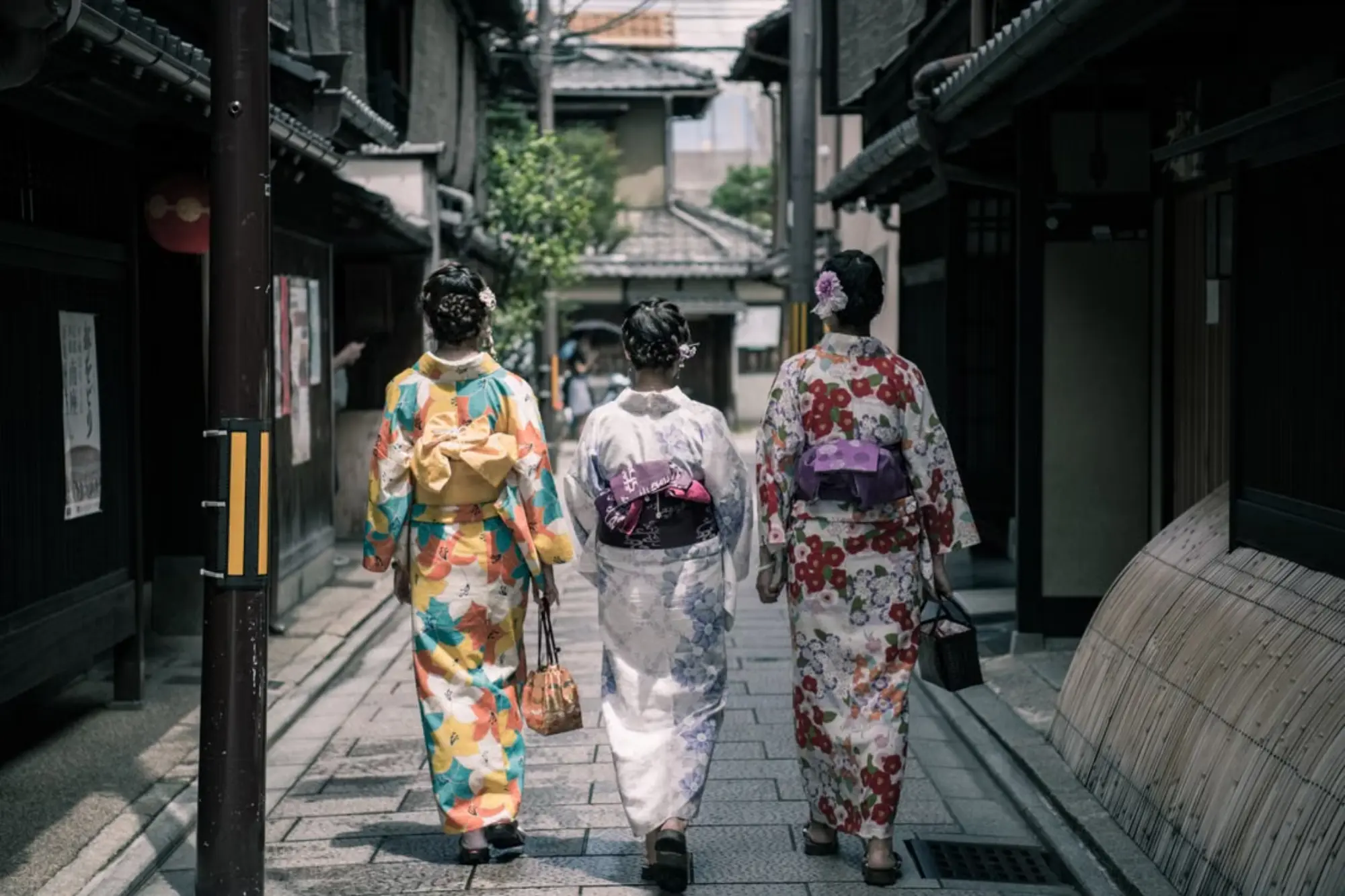
- Explore traditional neighborhoods on foot: Areas such as Gion and Higashiyama are best experienced by walking through their historic streets, small shops, cafés, and traditional buildings.
- Book popular experiences ahead: Tea ceremonies, popular restaurants, and seasonal activities can fill up quickly, particularly during cherry blossom and autumn foliage seasons.
- Allow extra time during peak seasons: Kyoto can become very busy during spring and autumn. Plan additional travel time and consider visiting major Kyoto attractions early in the day.
Frequently Asked Questions About Kyoto
1. Is Kyoto worth visiting?
Yes. Kyoto offers a combination of temples, shrines, gardens, traditional neighborhoods, food, festivals, and seasonal scenery, making it one of Japan’s major cultural destinations.
2. How many days do you need in Kyoto?
A 3-day trip is enough to cover many major Kyoto attractions, including Kiyomizu-dera, Fushimi Inari, Kinkaku-ji, Arashiyama, Gion, and Nijo Castle. Four to five days allows a slower pace and more time for temples, gardens, food, and nearby destinations.
3. What are the best places to visit in Kyoto?
Some of the most popular places to visit in Kyoto include Kiyomizu-dera, Fushimi Inari Taisha, Kinkaku-ji, Arashiyama, Gion, Nijo Castle, Nishiki Market, and the Philosopher’s Path.
4. What is the best Kyoto temple to visit?
Kyoto has many important temples, each offering a different experience. Kiyomizu-dera is known for its historic architecture and views, Kinkaku-ji for its Golden Pavilion, while temples around Arashiyama and Higashiyama offer gardens, traditional architecture, and quieter cultural experiences.
5. Can you visit Kyoto from Osaka?
Yes. Kyoto and Osaka are well connected by train, making it possible to visit Kyoto as a day trip. However, staying in Kyoto allows more time to explore the temples, traditional neighborhoods, and attractions without rushing.
Conclusion
Kyoto is a destination where history, traditional culture, temples, food, and seasonal scenery come together. From the iconic Kiyomizu-dera and Fushimi Inari to Arashiyama, Gion, and Nishiki Market, the city offers a wide variety of experiences for first-time and returning visitors. The best way to explore Kyoto is to combine major Kyoto attractions with time in traditional neighborhoods, local restaurants, gardens, and quieter streets. Whether you are planning a short city break or a longer Japan itinerary, Kyoto provides a strong introduction to Japan’s cultural heritage.
Discover Japan tour packages with Nicetrips and experience Kyoto’s temples, traditional streets, seasonal scenery, and local culture. Follow the Nicetrips Blog for more destination guides, travel tips, and Japan travel inspiration.