Ha Noi is the capital of Vietnam and one of the country’s most important cultural and historical destinations. Located in Northern Vietnam along the Red River, the city has developed over more than 1,000 years and remains a major center of politics, culture, education, and tourism. What makes Ha Noi distinctive is the way different periods of the city’s history remain visible in everyday life. For travelers planning Ha Noi travel, the capital offers a combination of heritage, street life, food, and modern city experiences. From discovering the city’s historic landmarks and Ha Noi tourist attractions to exploring local markets, cafés, and neighborhoods, there are many places to visit in Ha Noi beyond the traditional sightseeing checklist.
About Ha Noi
A Capital with a Distinctive Character
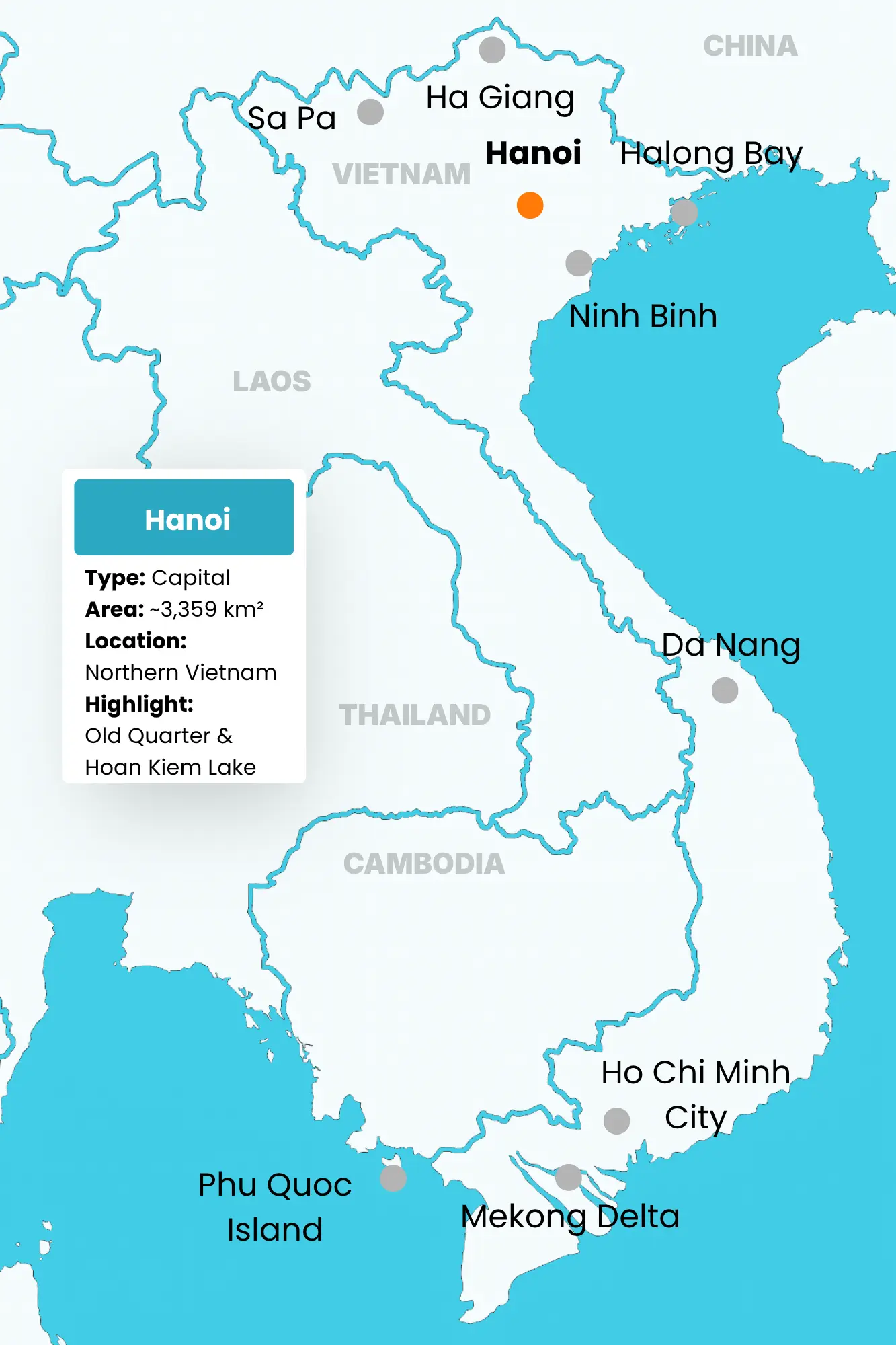
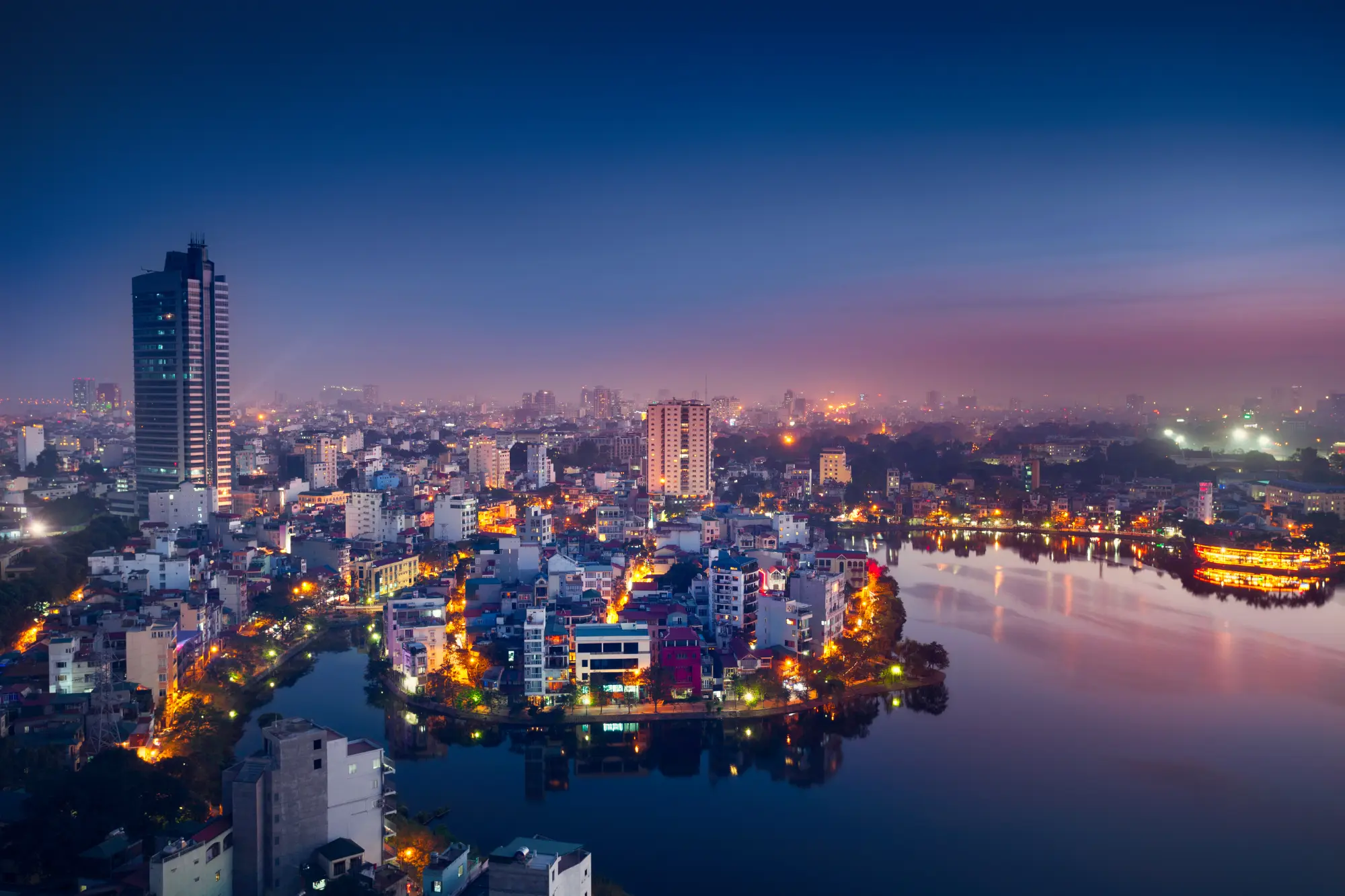
Ha Noi is located in Northern Vietnam, in the Red River Delta. As the country’s political and administrative capital, the city is also an important center for culture, education, commerce, and tourism.
What makes Ha Noi distinctive is the way old and new coexist. Its historic areas feature centuries-old cultural sites, traditional neighborhoods, colonial architecture, and long-established local businesses, while newer districts offer modern residential, commercial, and entertainment spaces.
Ha Noi at a Glance
- Location & Area: Located in the Red River Delta in Northern Vietnam, Ha Noi covers approximately 3,359.84 km².
- Population: Ha Noi had an average population of approximately 8.86 million people in 2025, making it the second-most populous municipality in Vietnam after Ho Chi Minh City.
- Role: Ha Noi is Vietnam’s political and administrative capital, as well as an important center for culture, education, commerce, and tourism.
- History: With a history spanning more than 1,000 years, Ha Noi is home to historic landmarks such as Hoan Kiem Lake, the Temple of Literature, and the Ha Noi Old Quarter.
- Character: Ha Noi is known for its distinctive mix of traditional neighborhoods, historic landmarks, French colonial architecture, local food, cafés, and modern urban life.
Ha Noi’s appeal comes from this variety. A typical day of Ha Noi travel might include visiting a historic landmark in the morning, stopping at a traditional café in the afternoon, exploring local food streets, and discovering modern restaurants or creative spaces later in the day. Unlike cities where historic districts and modern areas are clearly separated, Ha Noi often brings them together within the same neighborhood and sometimes on the same street.
History of Ha Noi
Ha Noi has a history spanning more than a thousand years. Its development as a political center dates back to 1010, when Emperor Ly Thai To moved the capital to the area and named it Thang Long, meaning “Ascending Dragon.”
- 1010: Emperor Ly Thai To established Thang Long as the capital, marking the beginning of Hanoi’s long history as Vietnam’s political center.
- 11th-18th centuries: Thang Long flourished as a major political, economic, and cultural center.
- 1831: The name Hanoi was officially adopted under the Nguyen Dynasty.
- Late 19th century: French colonial rule reshaped Hanoi’s architecture and urban planning, creating the distinctive French Quarter. 1887 Hanoi became the capital of French Indochina.
- 1954: Hanoi became the capital of the Democratic Republic of Vietnam.
- 1976: Hanoi became the capital of reunified Vietnam.
Today, Hanoi’s history remains highly visible throughout the city. Historic buildings, temples, markets, traditional streets, and French colonial architecture continue to stand alongside modern developments.
This makes history one of the most fascinating aspects of Ha Noi travel. Rather than being confined to a single historic district or museum, the city’s past can often be experienced simply by walking through its streets.
Geography of Hanoi
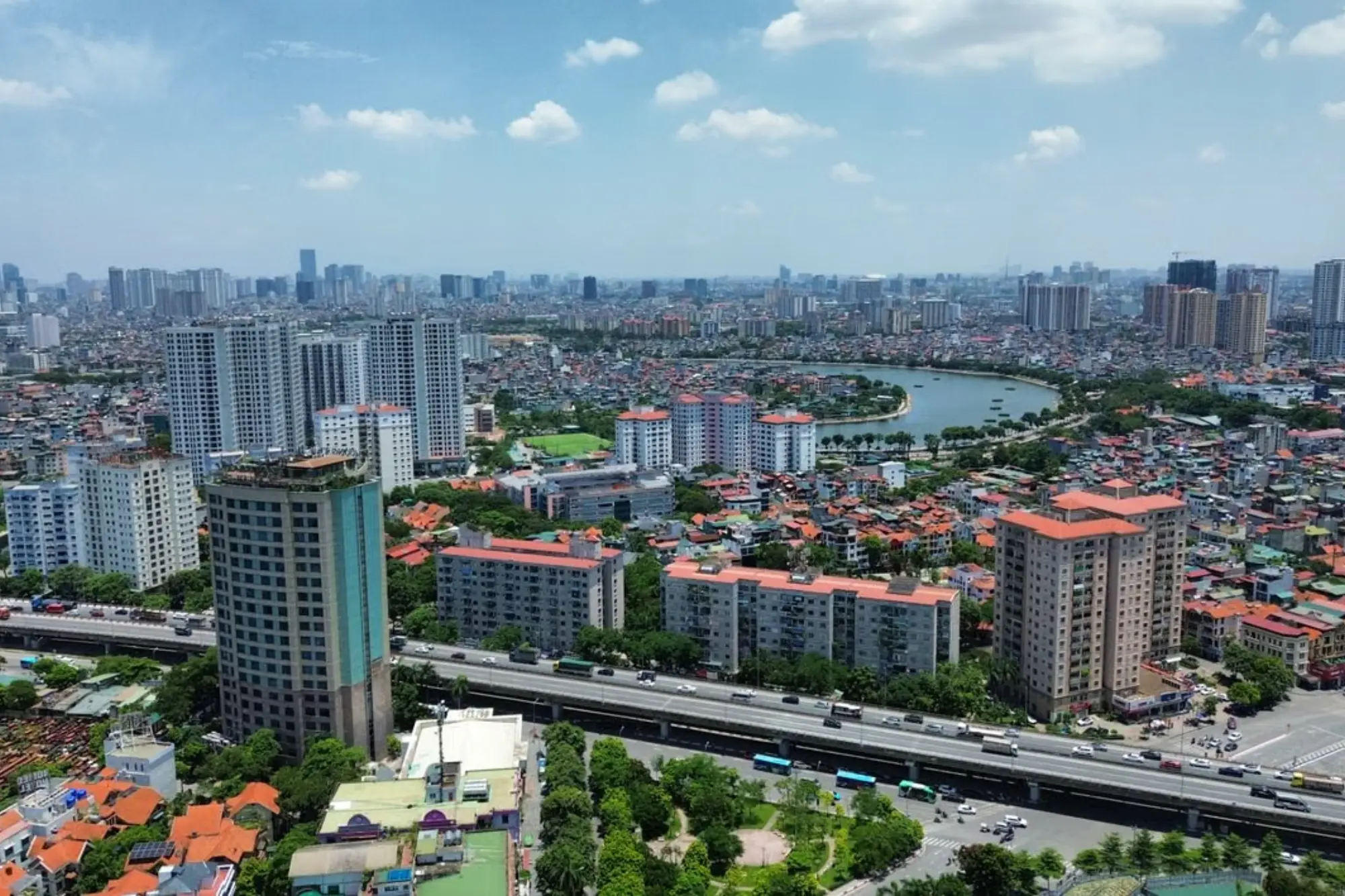
Hanoi is situated in the Red River Delta of Northern Vietnam, with the Red River running through and around the city. The river and surrounding waterways have played an important role in the development of the capital, particularly in agriculture, trade, settlement, and transportation.
The wider metropolitan area is largely low-lying and relatively flat, although Hanoi also includes hilly areas toward its western and northern outskirts.
- Region: Northern Vietnam
- Geographical setting: Red River Delta
- Main river: Red River
- Historic center: Around Hoan Kiem Lake and the Old Quarter
- Political center: Ba Dinh area
- Historic commercial area: Hanoi Old Quarter
- Western recreational area: West Lake and surrounding neighborhoods
Hanoi is much larger than its historic center. The central districts contain many of the city’s best-known cultural landmarks and are generally the most convenient areas for visitors.
Hoan Kiem Lake provides one of the most useful geographical reference points for travelers. The Hanoi Old Quarter is located immediately north of the lake, while the French Quarter extends mainly to the south and southeast.
Further away from the historic center, Hanoi becomes increasingly residential and modern. New urban developments, shopping centers, office districts, universities, and high-rise buildings illustrate the city’s rapid expansion.
The city’s geographical position also contributes to its importance as a travel hub. Hanoi provides convenient access to several major Northern Vietnam destinations, making it common for travelers to combine a city stay with excursions or multi-day trips outside the capital.
Hanoi Climate
Hanoi has a tropical monsoon climate with two main seasons: a cool, relatively dry season from October to April and a hot, rainy season from May to September. The city experiences noticeable changes in temperature and rainfall throughout the year.
|
Season |
Months | Average temperature |
Weather characteristics |
| Spring | March-May | 19-31°C (66-88°F) | Mild to warm, with increasing humidity and rainfall. May marks the transition into Hanoi’s hot season. |
| Summer | June-August | 26-36°C (79-97°F) | Hot, humid, and rainy, with frequent showers and thunderstorms. June is the hottest month, while August is the wettest. |
| Autumn | September-November | 19-33°C (66-91°F) | Temperatures gradually cool and rainfall decreases. October and November are generally more comfortable for exploring the city. |
| Winter | December-February | 14-23°C (57-73°F) | Cool, humid, and mostly dry. January is the coldest month, while February has the least rainfall and clearest skies. |
For travelers planning Hanoi travel, understanding the Hanoi climate can help when choosing the best time to visit and planning outdoor activities. Autumn and spring are generally more comfortable for exploring the Hanoi Old Quarter, Hoan Kiem Lake, and other Hanoi tourist attractions.
Things to Do and Places to Visit in Hanoi for Visitors
The best places to visit in Hanoi are not limited to historic monuments. The city’s attractions range from lakes and old neighborhoods to museums, markets, temples, food streets, and cafés. A good Hanoi itinerary usually combines major Hanoi tourist attractions with time to experience best things to do to enjoy local neighborhoods and everyday city life.
1. Explore the Hanoi Old Quarter
The Hanoi Old Quarter is one of the most recognizable parts of the capital. Historically associated with 36 guild streets, the area developed around specialized crafts and trades.
Today, the Old Quarter combines traditional tube houses, small shops, restaurants, cafés, temples, markets, and street vendors. Some of the most recognizable streets include Hang Bac, Hang Gai, Hang Ma, Hang Buom, and Ma May. Rather than trying to see every street, walking without a rigid route can be one of the most rewarding ways to explore the neighborhood.
2. Walk Around Hoan Kiem Lake
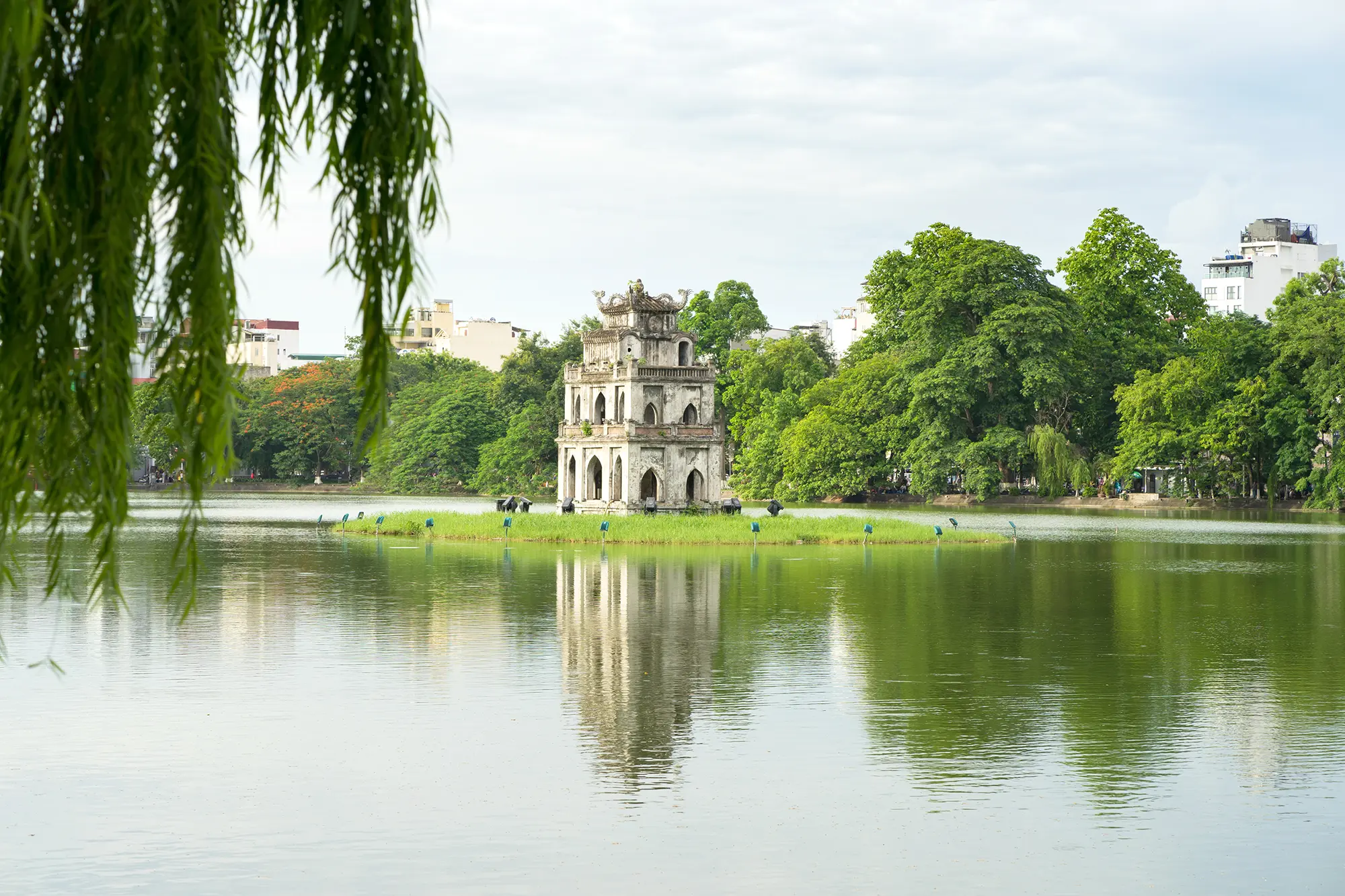
Hoan Kiem Lake is located at the heart of central Hanoi and is closely connected with local life. Early in the morning, residents gather around the lake to walk and exercise. Later in the day, the surrounding area becomes a popular place for both locals and visitors. Ngoc Son Temple and the red Huc Bridge are among the lake’s most recognizable landmarks.
Because of its central location, the lake is also a convenient starting point for exploring the Old Quarter and several other Hanoi tourist attractions.
3. Visit Hanoi’s Historic and Cultural Sites
Hanoi has a large concentration of historical and cultural landmarks. Some of the most important include:
- Temple of Literature – associated with Vietnam’s traditional education system
- Ho Chi Minh Mausoleum Complex – an important site in modern Vietnamese history
- One Pillar Pagoda – one of Hanoi’s most recognizable religious landmarks
- Hoa Lo Prison Museum – a site connected with several periods of the city’s history
- Thang Long Imperial Citadel – an important archaeological and historical complex
These sites offer different perspectives on Hanoi, from imperial history and traditional education to modern political history.
4. Discover Hanoi’s Food Culture
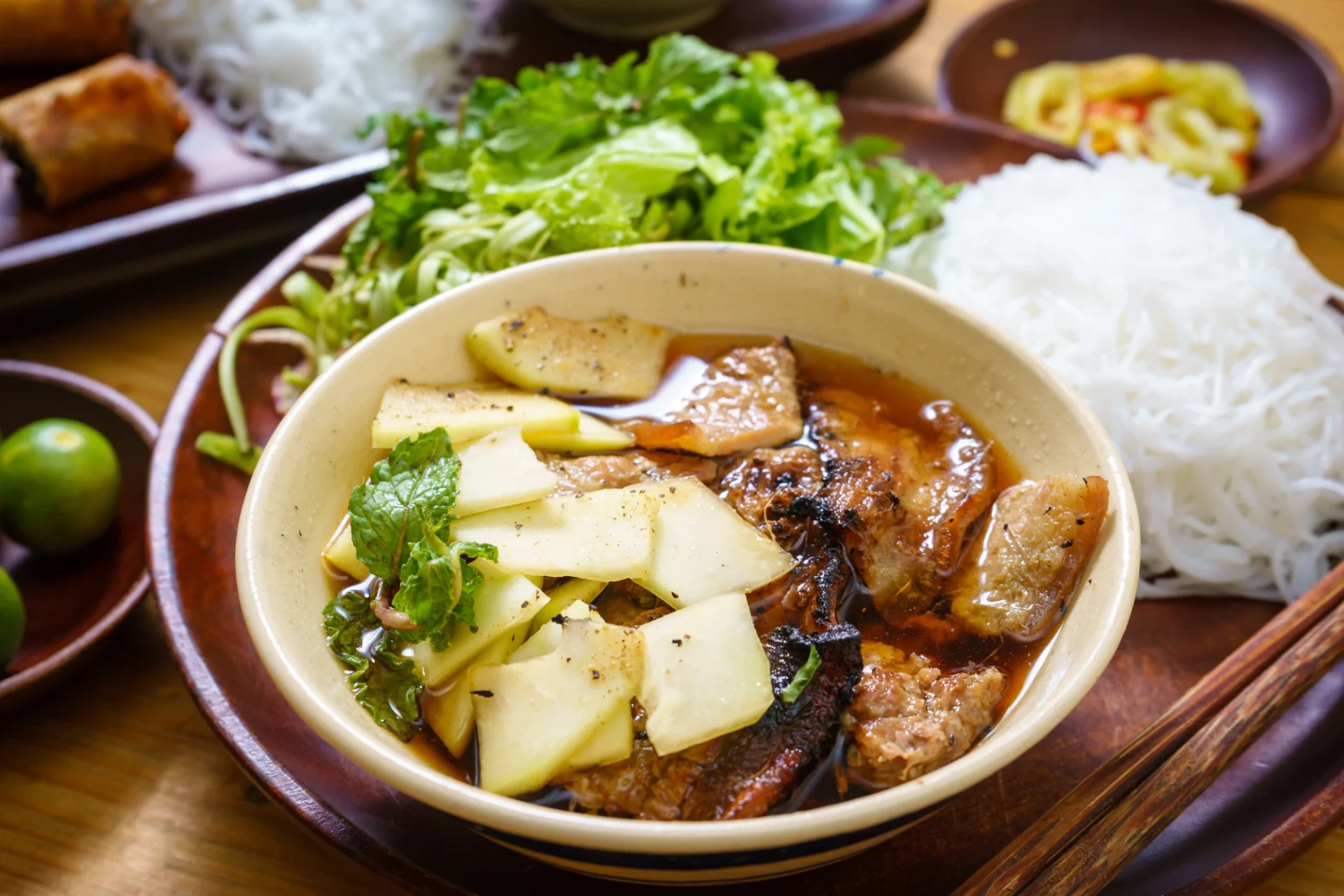
Food is an essential part of the Hanoi experience. The city is particularly associated with local dishes such as pho, bun cha, banh cuon, and cha ca. Local food can be found in restaurants, small neighborhood eateries, markets, and street-side stalls.
For many visitors, the most interesting meals are not necessarily found at large restaurants. Small local eateries provide an opportunity to see how food fits naturally into everyday life. Breakfast is particularly important in Hanoi, with many residents starting the day with a quick bowl of pho, noodles, rice dishes, or other local specialties.
5. Experience Hanoi’s Coffee Culture
Coffee is another defining part of daily life in Hanoi. Traditional cafés remain popular, while modern specialty coffee shops have expanded across the city. Egg coffee is particularly associated with Hanoi and has become one of the city’s best-known culinary experiences.
The café experience is not only about the drink. Many small cafés are designed around sitting, talking, working, reading, or watching the street. This makes coffee culture an easy way for travelers to slow down between sightseeing stops.
6. Visit Traditional Markets
Markets offer another perspective on Hanoi’s everyday life. Dong Xuan Market is one of the best-known traditional markets in the Old Quarter. Smaller neighborhood markets can provide an even more local atmosphere, particularly in the morning.
Visitors can see fresh produce, food ingredients, clothing, household products, and other everyday goods being traded. Markets are therefore worth visiting not only for shopping but also for observing how residents buy and sell the things they need each day.
7. Explore Hanoi’s Museums and Creative Spaces
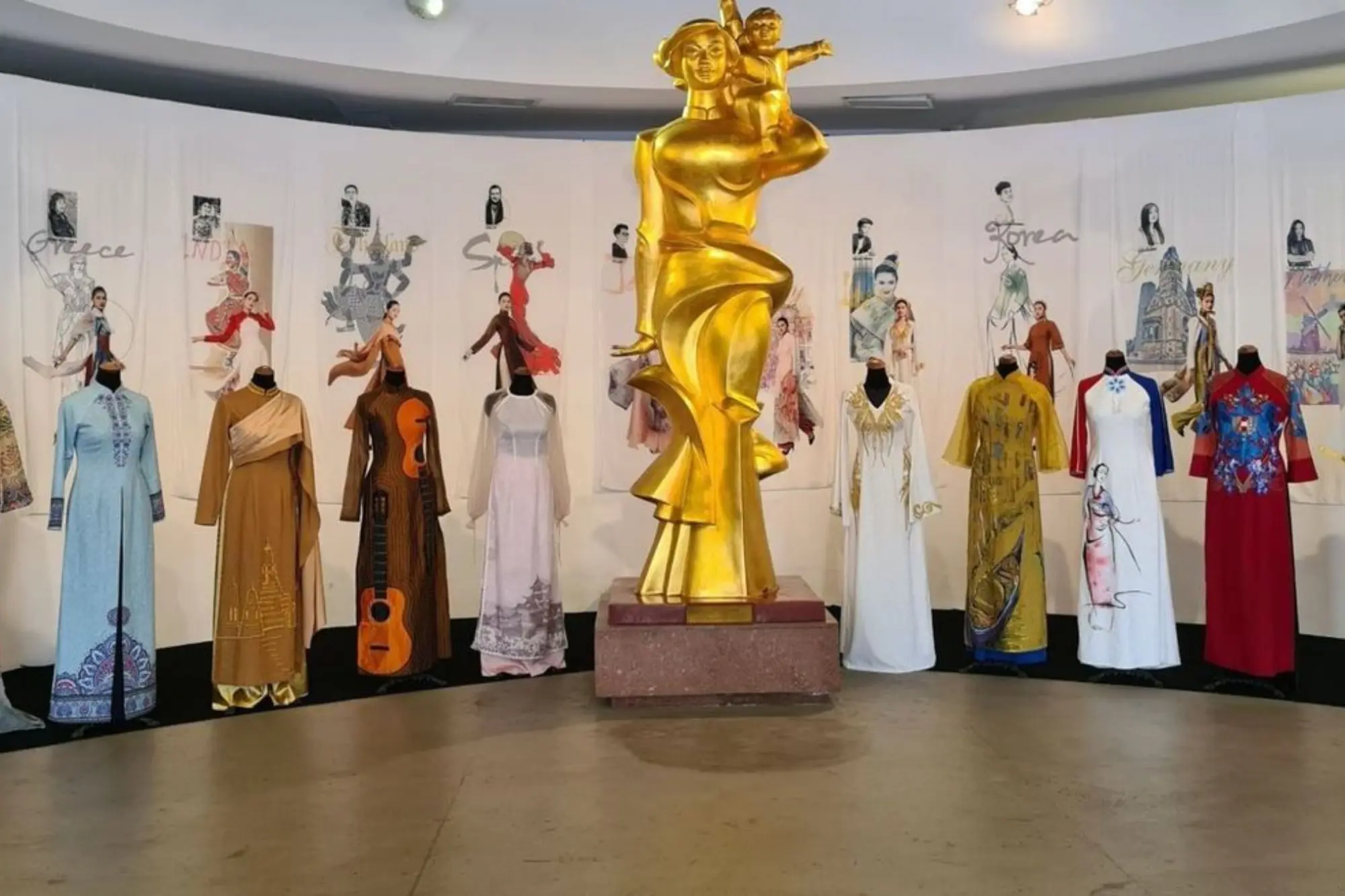
Hanoi has museums covering Vietnamese history, fine arts, ethnic cultures, military history, and other aspects of national heritage.
At the same time, the city has developed a contemporary cultural and creative scene, with galleries, cultural spaces, modern cafés, and events. This combination of traditional heritage and contemporary creativity reflects the wider character of Hanoi itself.
Fun Facts About Hanoi and Local Life
1. Hanoi means “inside the rivers”
The name is commonly understood as referring to the city’s location between major waterways, while Hanoi was previously known as Thang Long, or “Ascending Dragon”.
2. Hanoi is home to narrow “tube houses”
Many traditional houses, especially in the Hanoi Old Quarter, are tall and narrow, creating one of the city’s most distinctive architectural features.
3. The Temple of Literature appears on Vietnam’s VND 100,000 note
The reverse side features Khue Van Pavilion, one of Hanoi’s most recognizable cultural symbols.
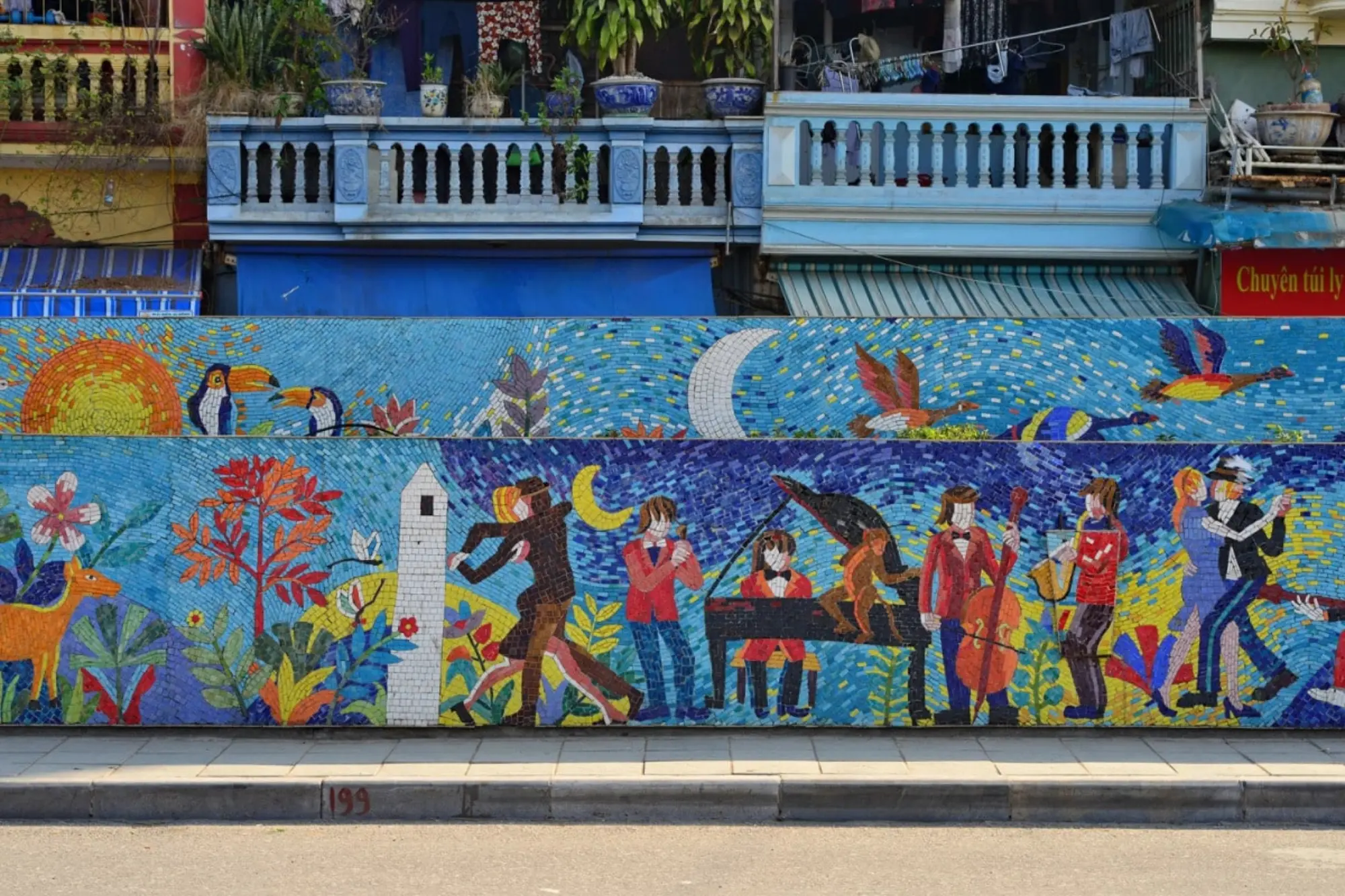
4. Hanoi has a 4-kilometer ceramic mosaic mural
The Hanoi Ceramic Mosaic Mural was created along the Red River dyke and completed in 2010 to mark the city’s 1,000th anniversary.
5. Long Bien Bridge dates back to the early 20th century
Completed in 1902, the bridge remains one of Hanoi’s most recognizable historic landmarks.
6. Beer culture is part of Hanoi nightlife
Locals traditionally gather over inexpensive bia hoi, particularly around lively streets such as Ta Hien.
These facts offer just a glimpse into what makes Hanoi such a fascinating city. From its ancient streets and unique architecture to its cultural landmarks and everyday traditions, the capital is full of stories waiting to be discovered. Beyond Hanoi, Vietnam is also full of fascinating facts and stories waiting to be discovered.
Hanoi Travel Tips for First-Time Visitors
- Use transportation apps for short city rides: Grab/Be/Xanh SM… are convenient for getting around Hanoi, especially when walking is impractical or during hot and rainy weather.
- Keep small cash handy: Many small food stalls, local shops, and traditional markets still prefer cash, particularly for low-value purchases.
- Bring a light rain jacket: Sudden showers are common during the rainy season, so a compact rain jacket or umbrella can be useful when exploring the city.
- Wear comfortable walking shoes: The Old Quarter and central Hanoi are best explored on foot, but narrow streets and uneven sidewalks can make comfortable footwear important.
- Visit major sights early: Starting early helps you avoid the busiest periods and experience places such as Hoan Kiem Lake and the Old Quarter at a more relaxed pace.
- Dress respectfully at religious sites: Cover your shoulders and knees when visiting temples, pagodas, and other religious or historic sites.
- Try local food beyond pho: Make time for Hanoi specialties such as bun cha, cha ca, banh cuon, and egg coffee to experience more of the city’s food culture.
- Plan extra time for traffic: Hanoi’s streets can become busy, particularly during morning and afternoon rush hours. Allow some extra travel time when moving between attractions.
- Combine Hanoi with Northern Vietnam: Consider using Hanoi as the starting point for trips to Ninh Binh, Ha Long Bay, Sapa, or other northern destinations.
Frequently Asked Questions About Hanoi
1. Is Hanoi worth visiting?
Yes. Hanoi is worth visiting for its 1,000-year history, cultural landmarks, Old Quarter, local food, coffee culture, and distinctive street life. The city also serves as a convenient base for exploring other destinations in Northern Vietnam.
2. How many days do you need in Hanoi?
2-3 days is generally enough to experience Hanoi’s main attractions, explore the Old Quarter, try local food, visit cultural sites, and enjoy the city’s café culture. Travelers with more time can explore additional museums, markets, and neighborhoods.
3. What is Hanoi famous for?
Hanoi is famous for its historic Old Quarter, Hoan Kiem Lake, traditional Vietnamese cuisine, coffee culture, French colonial architecture, and more than 1,000 years of history.
4. What are the best places to visit in Hanoi?
Some of the most notable places to visit in Hanoi include the Hanoi Old Quarter, Hoan Kiem Lake, Temple of Literature, Ho Chi Minh Mausoleum Complex, One Pillar Pagoda, Hoa Lo Prison Museum, and Thang Long Imperial Citadel.
5. Can you explore Hanoi on foot?
Yes. Walking is one of the best ways to experience central Hanoi, particularly around Hoan Kiem Lake and the Old Quarter, where many attractions, restaurants, cafés, markets, and historic streets are located close together.
6. How much does a trip to Hanoi cost?
For a 2-3 day trip, travelers can expect to spend around US$30-60 per person per day, depending on accommodation, dining, transportation, and activities. Budget travelers can spend less by staying in affordable hotels or hostels and eating at local restaurants, while private transfers, higher-end hotels, and guided experiences can increase the total cost.
Conclusion
Ha Noi is a city where more than 1,000 years of history remain closely connected with modern urban life. Ancient landmarks, the Hanoi Old Quarter, colonial architecture, traditional markets, local food, coffee shops, and contemporary neighborhoods all contribute to the character of the capital. With its cultural depth, diverse places to visit in Hanoi, distinctive street life, and convenient connections to Northern Vietnam, Hanoi is an ideal introduction to the country and a destination worth exploring at a relaxed pace. For a smoother journey, Nicetrips Vietnam Package Tour helps travelers experience Hanoi through thoughtfully planned routes, comfortable transportation, carefully selected stays, and local experiences that bring the character of the capital closer to everyday life.