Ninh Binh is one of Northern Vietnam’s most distinctive destinations, where dramatic limestone mountains meet winding rivers, rice fields, caves, forests, and historic sites. Located about 93 km south of Hanoi, the province offers a unique combination of natural landscapes and cultural heritage. There are many ways to experience Ninh Binh, from taking a boat through the limestone valleys of Trang An and Tam Coc to exploring the ancient capital of Hoa Lu and cycling through peaceful countryside. Its diverse geography and long history also make it much more than a scenic day trip from Hanoi.
Whether you are planning your first Ninh Binh travel experience or looking for the best places to visit in Ninh Binh, this guide covers the essential things to know before your trip.
About Ninh Binh
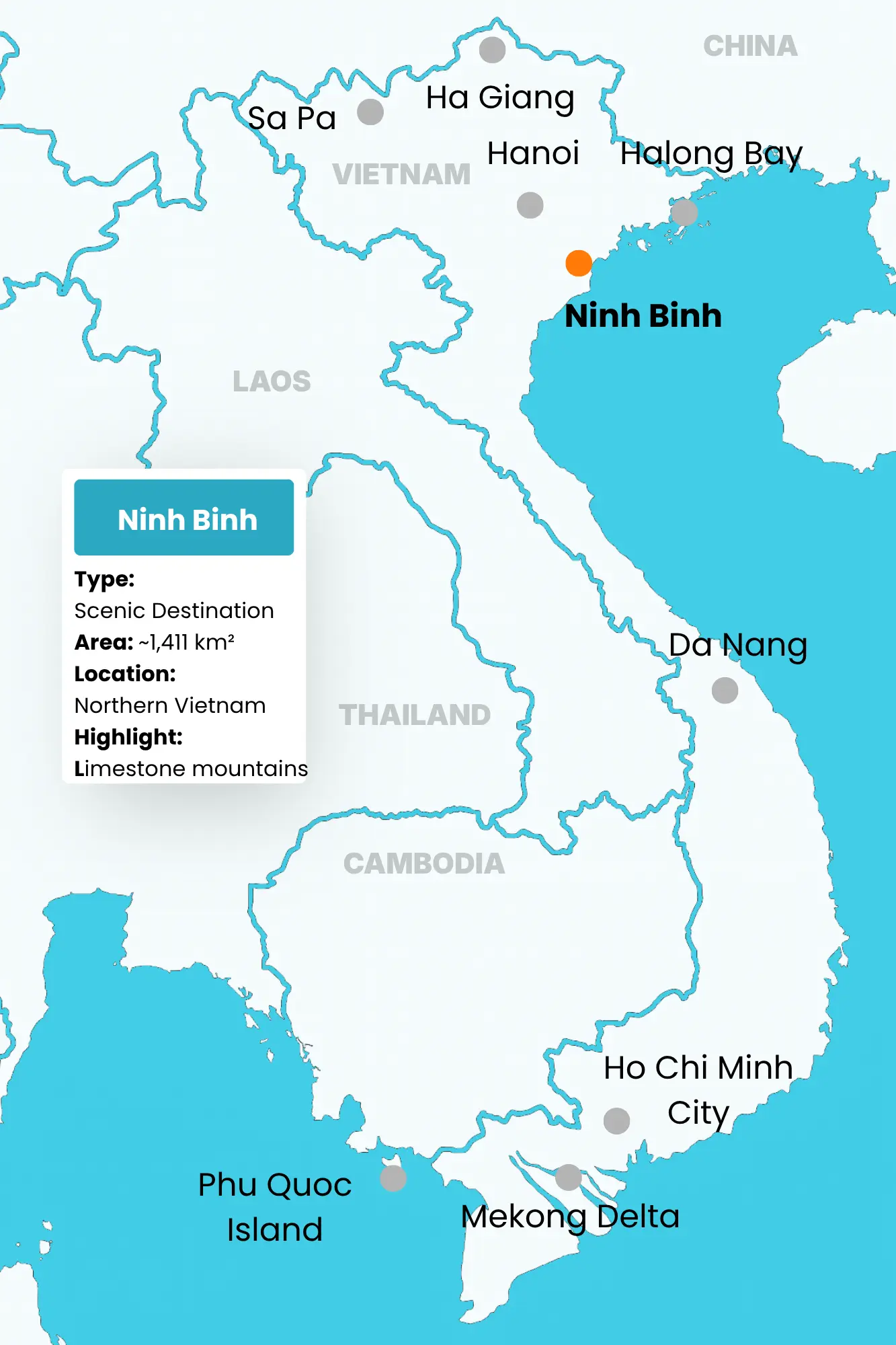
Ninh Binh lies at the southernmost point of the Red River Delta in Northern Vietnam, connecting the delta region with the mountainous areas further west. The province is approximately 93 km south of Hanoi and has long served as an important geographical and cultural connection between different regions of northern Vietnam.
What makes Ninh Binh particularly special is the close relationship between its natural environment and cultural heritage. Limestone mountains, rivers, wetlands, forests, rice fields, temples, and historic sites exist within the same landscape. The most famous example is the Trang An Landscape Complex, which was inscribed on the UNESCO World Heritage List in 2014 as a mixed cultural and natural property.
Ninh Binh at a Glance
- Location: Northern Vietnam (approximately 93 km south of Hanoi)
- Landscape: Limestone mountains, rivers, wetlands, rice fields, forests, and coastal areas
- UNESCO Site: Trang An Landscape Complex, inscribed in 2014
- Historic Significance: Hoa Lu was the capital of Đại Cồ Việt from 968 to 1010
- Known For: Trang An, Tam Coc, Mua Cave, Hoa Lu, Bich Dong Pagoda, Cuc Phuong National Park, and Van Long Nature Reserve
- Main Experiences: Boat trips, hiking, cycling, cultural exploration, nature, and local cuisine
Ninh Binh’s combination of natural and cultural resources is one of the main reasons it has become one of Vietnam’s most popular destinations for travelers looking beyond the major cities.
Geography of Ninh Binh
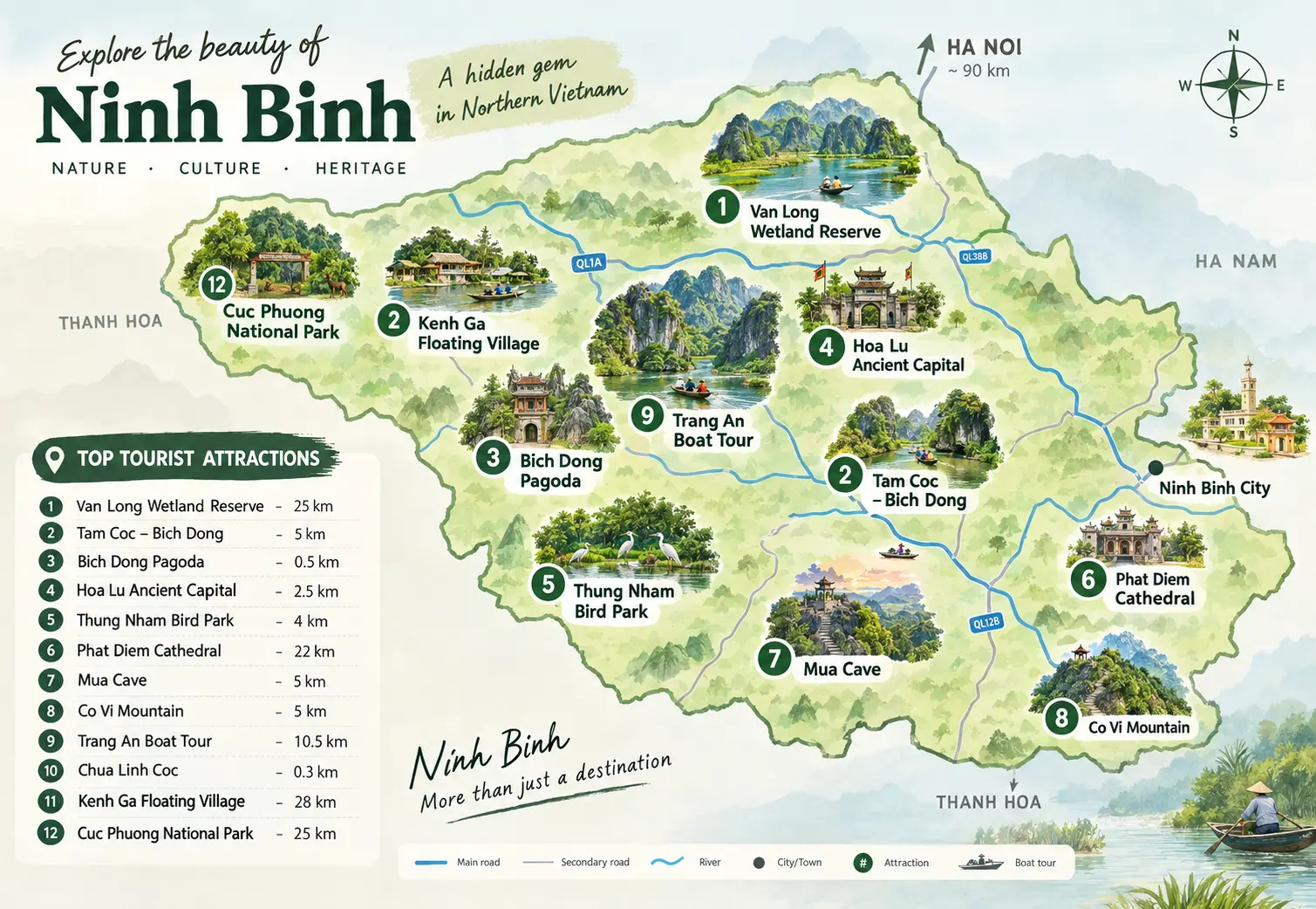
- Location: About 93 km south of Hanoi, covering approximately 1,390 km².
- Landscape: A diverse combination of limestone mountains, valleys, rivers, rice fields, wetlands, forests, and coastal areas.
- Topography: Around three-quarters of the province is hilly or mountainous, creating the dramatic karst scenery Ninh Binh is known for.
- Landscape:
Limestone karst: Geological processes have shaped the region into steep limestone mountains, valleys, caves, and waterways. In Trang An, partly submerged valleys are connected by underground waterways and cave passages.
Rivers & wetlands: Waterways run between the limestone formations, creating the scenic boat routes at Trang An and Tam Coc, while Van Long offers a quieter wetland environment.
Forest ecosystems: Ninh Binh is home to important forest and wetland ecosystems, including Cuc Phuong National Park and Van Long Nature Reserve.
Why it matters for travelers: The combination of mountains, water, forests, wetlands, and agricultural landscapes makes it possible to enjoy a wide range of outdoor experiences within a relatively compact destination.
History of Ninh Binh
Ninh Binh has played an important role in Vietnam’s history for centuries. Its most significant historical site is Hoa Lu Ancient Capital, which became the capital of Đại Cồ Việt in 968 under the Dinh Dynasty.
Hoa Lu remained the political center until 1010, when the capital was moved to Thang Long, present-day Hanoi. Surrounded by limestone mountains, the location provided natural protection and influenced the development of the ancient capital.
Today, Hoa Lu preserves temples and historical remains associated with the Dinh and Early Le dynasties. Visiting the site provides an opportunity to understand an important period in Vietnam’s early political history while also seeing how geography influenced the location of the capital.
Ninh Binh’s history extends much further back than the dynastic period. Archaeological evidence discovered in caves throughout the Trang An landscape demonstrates continuous human activity spanning more than 30,000 years. UNESCO considers Trang An particularly significant because the archaeological record shows how early human communities adapted to major environmental and climatic changes over time.
Best Places to Visit & Things to Do in Ninh Binh for Visitors
The best way to experience Ninh Binh is to combine its natural landscapes with cultural and outdoor activities. Instead of simply visiting individual attractions, travelers can explore the region by boat, on foot, by bicycle, and through its historic and religious sites.
1. Take a Boat Trip Through Trang An

Trang An is the centerpiece of Ninh Binh’s natural landscape and part of the UNESCO-listed Trang An Landscape Complex. Traditional boats travel along winding waterways between towering limestone formations, passing through caves and narrow passages before emerging into peaceful valleys. The scenery changes throughout the journey, creating a continuous combination of mountains, forests, water, caves, and rural landscapes.
A Trang An boat trip is one of the essential things to do in Ninh Binh and offers one of the best ways to understand the relationship between the region’s geology and waterways. UNESCO recognizes Trang An for its outstanding tower-karst landscape, where limestone peaks, valleys, forests, and underground waterways form a distinctive natural environment.
Quick information:
- Ticket price: From 300,000 VND (~US$11.50)/person
- Duration: Approximately 2.5-3 hours
- Boat type: Traditional rowing boat
- Routes: 3 main routes with different combinations of caves, temples, and landscapes
- Best time: Early morning for cooler temperatures and a more peaceful experience
- Highlights: Limestone mountains, caves, valleys, waterways, forests, and rural scenery
2. Explore Tam Coc by Boat
Tam Coc is another iconic destination for Ninh Binh travel, particularly known for its river journey through limestone mountains and rice fields. The landscape changes with the agricultural seasons. Depending on when you visit, the surrounding fields can appear vibrant green or golden, creating some of the most recognizable countryside scenery in Northern Vietnam.
Compared with Trang An, Tam Coc offers a more open agricultural landscape. A boat trip here is particularly appealing for travelers interested in photography, rural scenery, and a slower-paced experience.
- Ticket price: 250,000 VND (~US$9.60)/person
- Duration: Approximately 2–2.5 hours
- Boat type: Traditional rowing boat
- Best time: Late May–early June for the famous golden rice fields
- Highlights: Limestone mountains, rice fields, caves, waterways, and rural landscapes
3. Hike to the Mua Cave Viewpoint
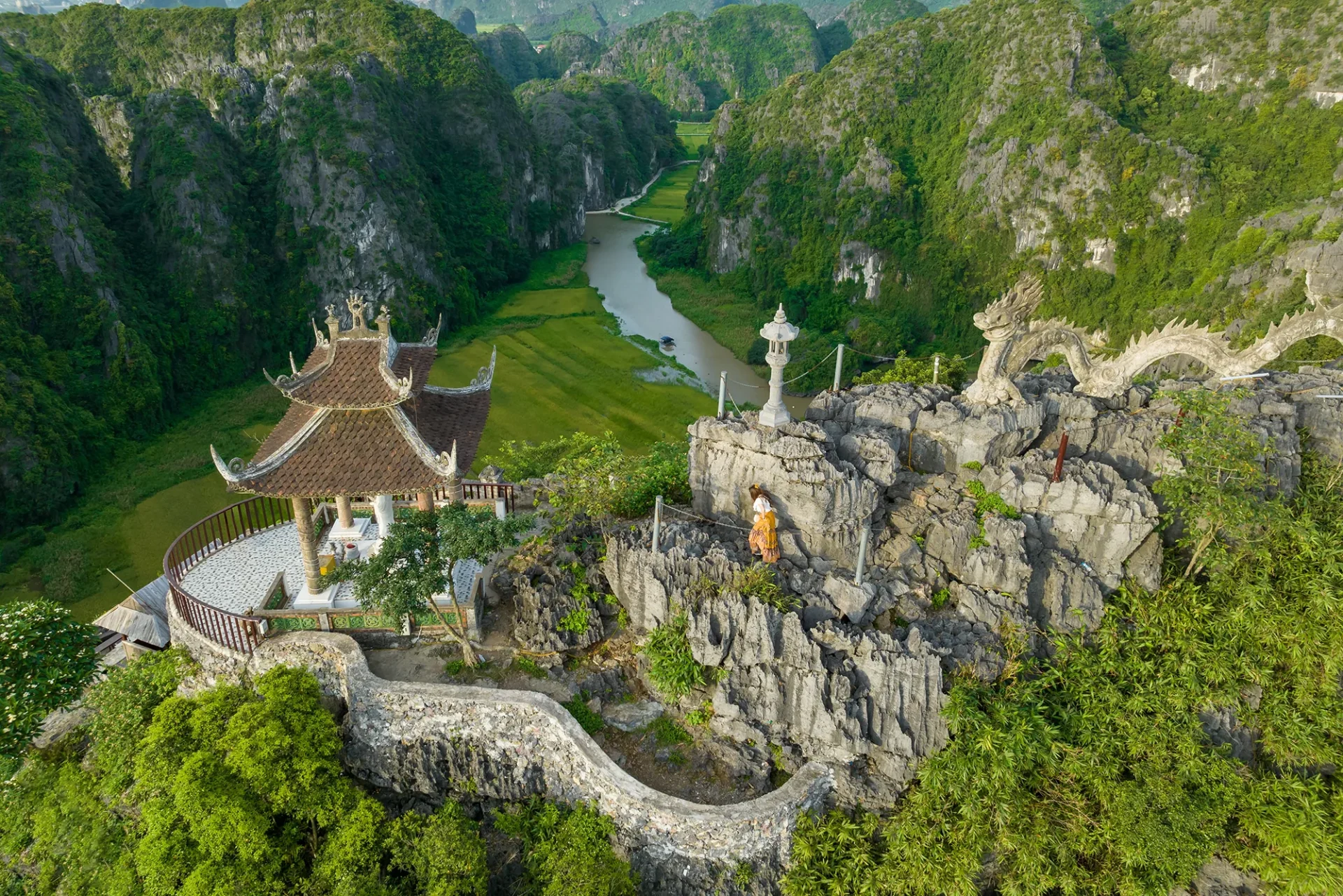
Mua Cave and Ngoa Long Mountain offer one of the most impressive panoramic viewpoints in Ninh Binh. After climbing the stone staircase to the viewpoint, travelers can look across the Tam Coc countryside, with winding waterways, rice fields, and limestone mountains stretching into the distance.
The experience is quite different from a boat trip because it allows you to see the landscape from above. For travelers wondering Ninh Binh what to see, Mua Cave is one of the best places to appreciate the scale and structure of the surrounding karst landscape.
- Ticket price: 100,000 VND (~US$3.80)/person
- Duration: Approximately 1.5-2 hours
- Difficulty: Moderate – around 500 stone steps to the viewpoint
- Best time: Early morning or late afternoon for cooler temperatures and better light
- Highlights: Panoramic views, Tam Coc rice fields, limestone mountains, and photography
4. Discover Hoa Lu Ancient Capital
For travelers interested in history, Hoa Lu is one of the most important places to visit in Ninh Binh. Once the capital of Đại Cồ Việt, Hoa Lu contains temples and historical remains connected with Vietnam’s early dynasties. The surrounding mountains also help visitors understand why this location was strategically important.
A visit to Hoa Lu works particularly well when combined with Trang An or other nearby attractions, creating an itinerary that balances history and nature.
- Ticket price: 20,000 VND (~US$0.80)/person
- Duration: Approximately 1-1.5 hours
- Best time: Early morning or late afternoon for a more comfortable visit
- Highlights: Ancient temples, historical architecture, mountain scenery, and Vietnam’s early dynastic history
- Best combined with: Trang An, located approximately 3-5 km away
5. Visit Bich Dong Pagoda
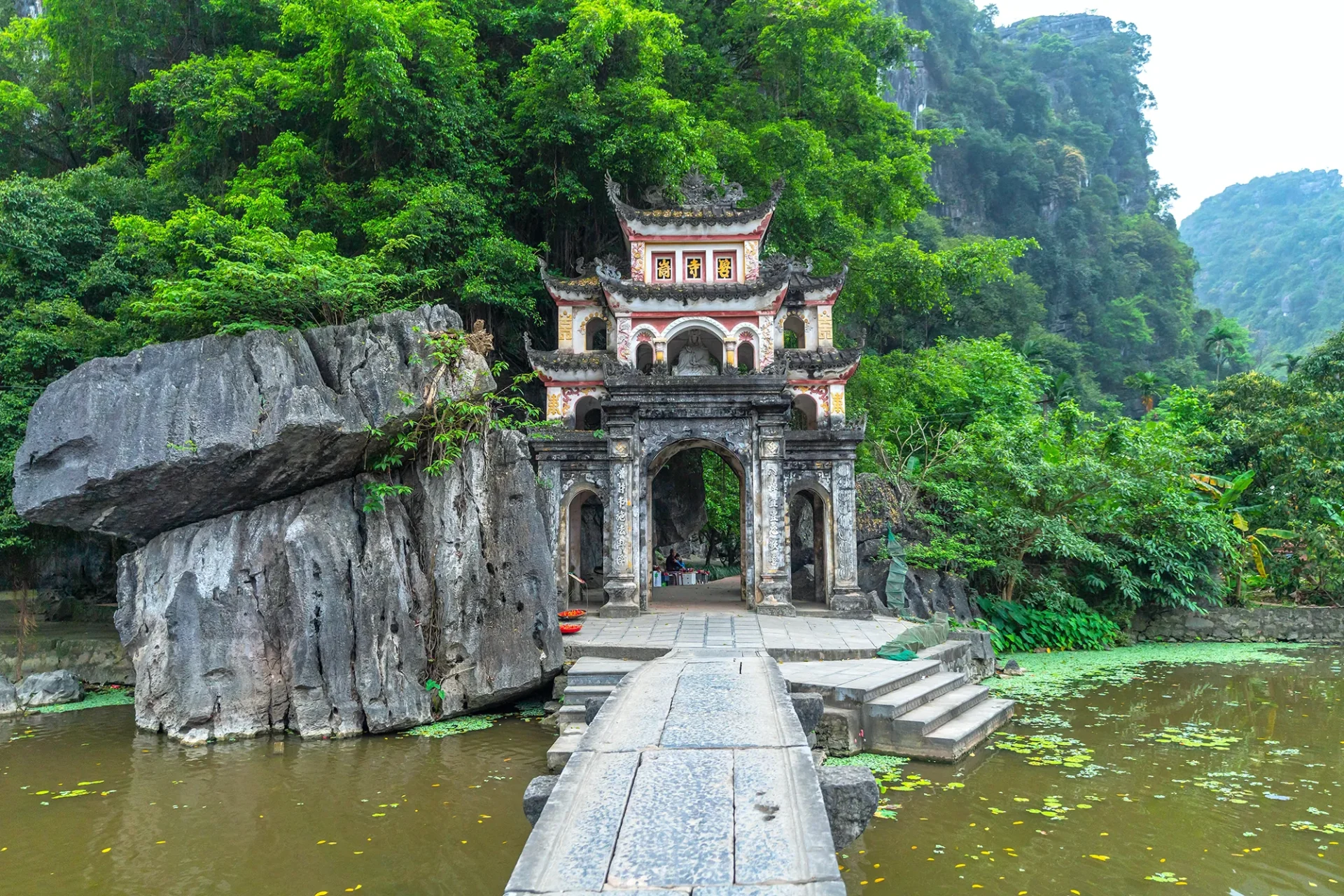
Located near Tam Coc, Bich Dong Pagoda is a historic Buddhist complex integrated into the limestone landscape. The pagoda is built across different levels of the mountain, creating a distinctive combination of traditional architecture, vegetation, caves, and karst formations. Because of its location, Bich Dong can easily be combined with Tam Coc and other attractions around the countryside.
- Entrance fee: Free
- Duration: Approximately 45-60 minutes
- Distance: About 2-3 km from Tam Coc
- Best time: Early morning or late afternoon for a quieter visit
- Highlights: Three-level pagoda complex, mountain caves, traditional Buddhist architecture, and limestone scenery
- Best combined with: Tam Coc and Mua Cave
6. Explore Van Long Nature Reserve
Van Long Nature Reserve offers a quieter side of Ninh Binh. The area combines wetlands and limestone mountains, creating a peaceful environment for nature and wildlife experiences.
The reserve is also an important habitat for the endangered Delacour’s langur. Its calm waterways and relatively peaceful atmosphere make it a good choice for travelers who want to spend more time observing nature rather than moving between major tourist attractions.
- Boat ticket: Approximately 100,000 VND (~US$3.80)/person
- Duration: Approximately 1.5-2 hours
- Distance: About 20-25 km from Ninh Binh city center
- Boat type: Traditional rowing boat
- Best time: Early morning or late afternoon for cooler weather and wildlife observation
- Highlights: Wetlands, limestone mountains, caves, birdlife, and Delacour’s langur
- Best for: Nature, wildlife, photography, and a quieter experience
7. Discover Cuc Phuong National Park
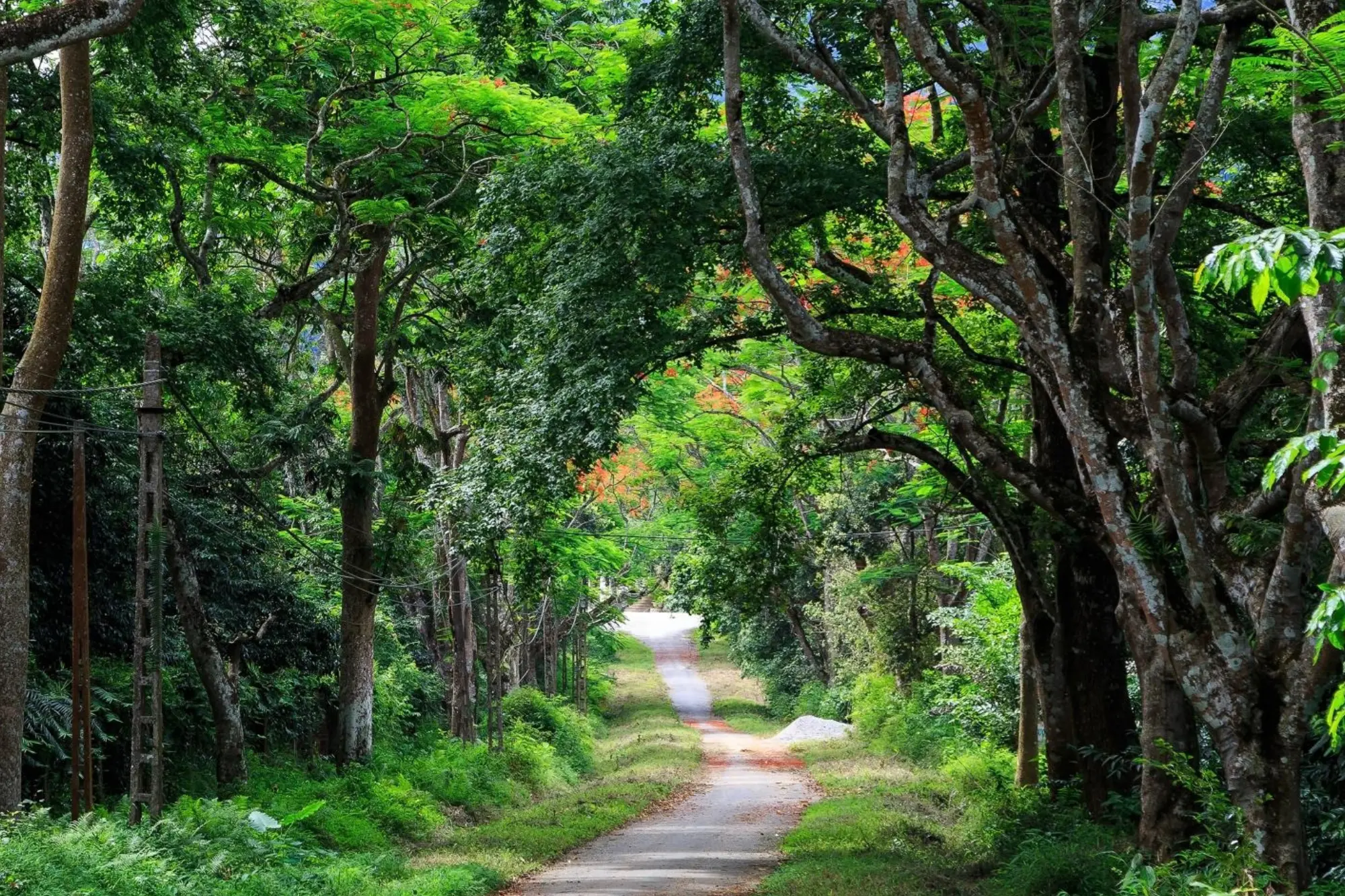
Cuc Phuong National Park offers a different experience from Ninh Binh’s famous karst waterways. As a major tropical forest ecosystem, Cuc Phuong is known for its rich biodiversity. The Ninh Binh Department of Tourism notes that the park covers more than 22,000 hectares and supports nearly 2,000 species of higher plants and around 2,600 animal species. For travelers interested in forests, wildlife, and nature, Cuc Phuong is an excellent addition to a longer Ninh Binh itinerary.
- Entrance fee: From 60,000 VND (~US$2.30)/person
- Duration: Half day to full day
- Distance: About 40-45 km from Ninh Binh city center
- Best time: Dry season (November-April) for hiking and outdoor activities
- Highlights: Tropical forest, biodiversity, hiking trails, caves, and wildlife conservation centers
- Best for: Nature, hiking, wildlife, and birdwatching
8. Explore Ninh Binh’s Cultural Heritage
Ninh Binh is not only about mountains and rivers. Its cultural and religious heritage is another major part of the destination. Travelers can visit sites such as Phat Diem Stone Cathedral, Bai Dinh Pagoda, Thai Vi Temple, Tran Temple, and other historic religious buildings throughout the province. The region’s heritage reflects the influence of different historical periods and religious traditions.
Ninh Binh also preserves numerous traditional festivals, including the Hoa Lu Festival, Thai Vi Temple Festival, and Trang An Festival. These events provide another way to experience the province’s local culture and traditions.
- Best for: History, architecture, religion, culture, and local traditions
- Recommended time: Allow 2-4 hours to explore one or two major cultural sites
- Best combined with: Hoa Lu Ancient Capital, Trang An, or Tam Coc
9. Cycle Through the Countryside

Cycling is one of the best ways to experience the quieter side of Ninh Binh. Small roads around Tam Coc, Trang An, and Hoa Lu pass through rice fields, villages, temples, and limestone formations. Instead of simply traveling between attractions, cycling allows visitors to slow down and observe everyday rural life. It is also a good way to combine several nearby attractions without spending the entire day in a vehicle.
- Bike rental: Approximately 100,000-150,000 VND (~US$3.80-5.80)/day
- Duration: 2-4 hours for a countryside ride; longer for full-day routes
- Difficulty: Easy to moderate, depending on the route and weather
- Best areas: Tam Coc, Trang An, Hoa Lu, and nearby villages
- Best time: Early morning or late afternoon for cooler temperatures
- Highlights: Rice fields, rural villages, temples, limestone mountains, and local life
- Best for: Slow travel, photography, nature, and exploring at your own pace
10. Try Local Ninh Binh Specialties
Food is another part of experiencing Ninh Binh beyond its landscapes.
Some of the region’s best-known specialties include:
- Ninh Binh goat meat – a local specialty often served with herbs and traditional dipping sauces.
- Cơm cháy – crispy rice, one of the province’s most recognizable foods.
- Mountain snails – a seasonal local specialty prepared with herbs and aromatic ingredients.
- Eel vermicelli – a northern-style noodle dish with eel and flavorful broth.
Trying local food at a family-run restaurant or countryside homestay can add a more authentic dimension to your Ninh Binh travel experience.
Best Time to Visit Ninh Binh
Ninh Binh has a humid subtropical climate with four distinct seasons.
|
Season |
Months | Avg. Temperature | Weather |
Best For |
| Spring | Mar-Apr | 18–27°C | Mild, comfortable, occasional drizzle | Boat trips, sightseeing, cycling |
| Summer | May-Aug | 24–33°C | Hot, humid, frequent rain | Lush green landscapes, nature |
| Autumn | Sep-Nov | 19–31°C | Cooler, less humid, generally pleasant | Outdoor activities, photography |
| Winter | Dec-Feb | 14–22°C | Cool, cloudy or misty | Quiet sightseeing, cultural sites |
When Is the Best Time to Visit?
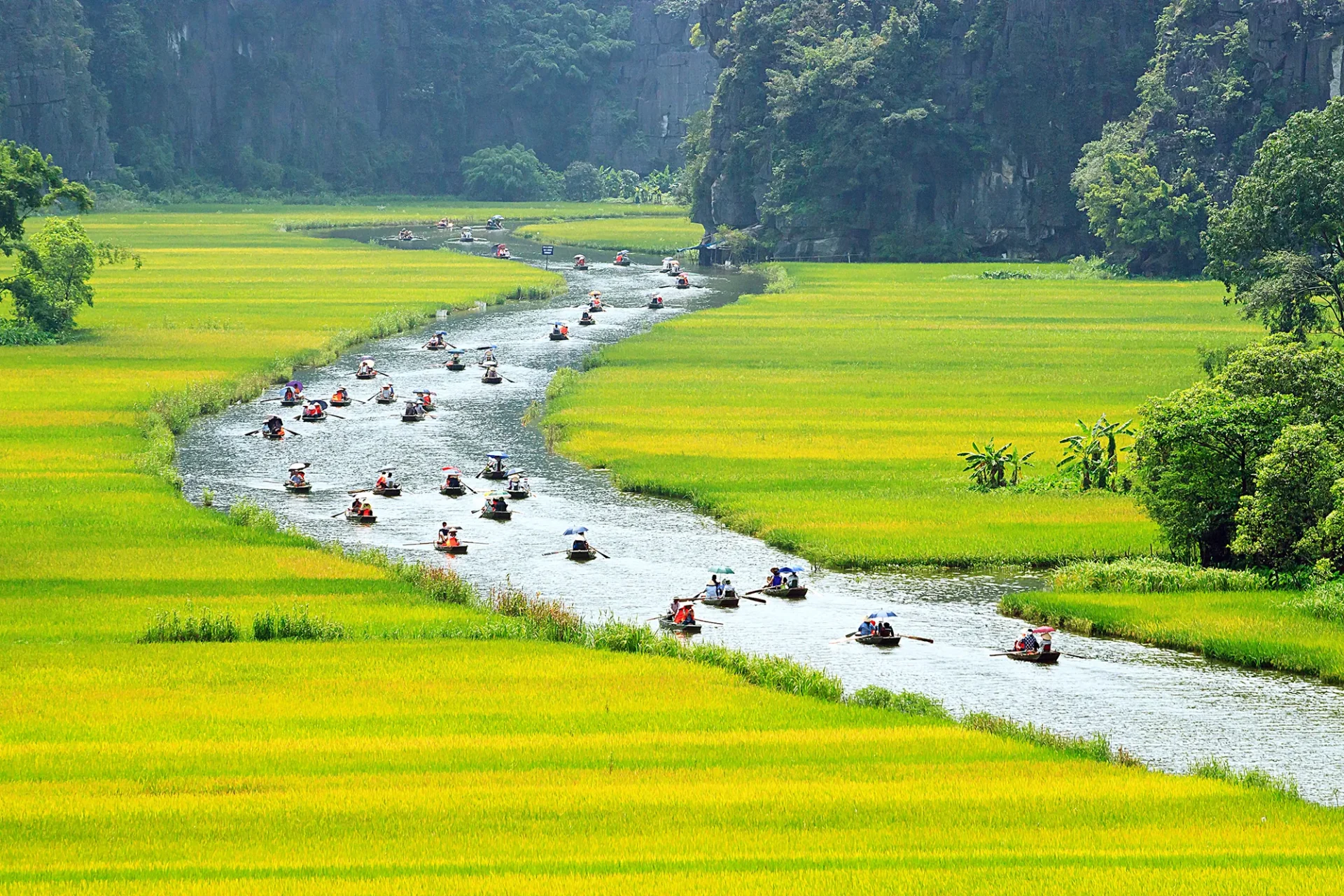
March-April and September-November are generally the most comfortable periods for exploring Ninh Binh, with milder temperatures and better conditions for outdoor activities.
For travelers interested in rice fields, late May to early June can be particularly scenic around Tam Coc, when the rice fields turn golden during the harvest season. Meanwhile, the cooler months from December to February can bring misty views around the limestone mountains.
Ninh Binh Travel Tips for First-Time Visitors
A little planning can make it easier to experience Ninh Binh without rushing between attractions.
- Choose your boat experience: Trang An and Tam Coc offer different landscapes, so choose based on the type of scenery you prefer.
- Combine nearby attractions: Tam Coc, Bich Dong, and Mua Cave can be grouped together, while Hoa Lu and Trang An also work well in the same itinerary.
- Allow enough time: A day trip can cover major highlights, but staying overnight gives you more time for cycling and countryside exploration.
- Wear comfortable footwear: Useful for hiking, temples, viewpoints, and uneven paths.
- Check the weather: Outdoor experiences such as boat trips and hiking are strongly influenced by weather conditions.
- Respect cultural sites: Dress appropriately and follow local customs when visiting temples, pagodas, and churches.
- Protect the environment: Avoid littering and follow visitor regulations around caves, waterways, forests, and heritage sites.
Frequently Asked Questions About Ninh Binh
1. How many days do you need in Ninh Binh?
2 days and 1 night is enough to visit the main attractions, including Trang An, Tam Coc, Mua Cave, and Hoa Lu Ancient Capital. A 3-day itinerary is better for travelers who want to explore further, including Van Long Nature Reserve or Cuc Phuong National Park.
2. What is the best time to visit Ninh Binh?
The best time to visit Ninh Binh generally falls between March and April and October and November, when temperatures are more comfortable for outdoor activities. Late May to early June is particularly popular for seeing the golden rice fields in Tam Coc.
3. Is Ninh Binh worth visiting?
Yes. Ninh Binh offers a combination of nature, history, culture, and outdoor activities within a relatively compact area. Travelers can take boat trips, cycle through the countryside, visit ancient temples, hike to viewpoints, and explore forests and wetlands.
4. Is Ninh Binh a day trip from Hanoi?
Yes. Ninh Binh can be visited as a day trip from Hanoi, especially for travelers focusing on the main attractions around Trang An, Tam Coc, and Mua Cave. However, staying overnight allows more time to explore the countryside at a slower pace.
5. How much does a trip to Ninh Binh cost?
For a 2-day, 1-night trip, budget around US$50–80 per person for a mid-range independent trip, excluding transportation from Hanoi. A typical budget may include:
- Accommodation: US$15-30/night
- Food: US$10–20/day
- Entrance fees & boat trips: US$10-20
- Bike rental: US$4-6/day
- Local transportation: US$5-15
Travelers choosing budget accommodation and local restaurants can spend around US$30–50 per person, while private transfers, higher-end hotels, and guided tours can increase the total significantly.
Conclusion
Ninh Binh is a destination where nature, history, and culture come together in one remarkable landscape. Its limestone mountains, winding rivers, caves, rice fields, forests, and wetlands create a distinctive natural setting, while ancient capitals, temples, pagodas, and churches reflect the region’s rich cultural heritage. Ninh Binh offers a fascinating glimpse into Vietnam’s natural and cultural heritage from the UNESCO-recognized Trang An Scenic Landscape Complex to the historic Hoa Lu Ancient Capital and diverse ecosystems of Cuc Phuong National Park and Van Long Nature Reserve.
Explore our Vietnam Package Tours with Nicetrips and experience the beauty, history, and culture of this remarkable destination. Follow the Nicetrips Blog for more travel guides, tips, and inspiration for your next journey.