Shirakawa-go is a historic mountain village in Gifu Prefecture, famous for its traditional gassho-zukuri farmhouses and beautiful seasonal landscapes. Recognized as a UNESCO World Heritage Site in 1995, the village offers a glimpse into traditional rural Japan through its thatched-roof houses, surrounding mountains, rice fields, and preserved local culture. Whether you are planning a visit in summer, autumn, or Shirakawa-go in winter, this guide provides essential information about the Shirakawa-go location, weather, top attractions, transportation, and things to do. You will also find practical tips for planning a Shirakawa-go day trip and making the most of your visit to this unique Japanese village.
About Shirakawa-go
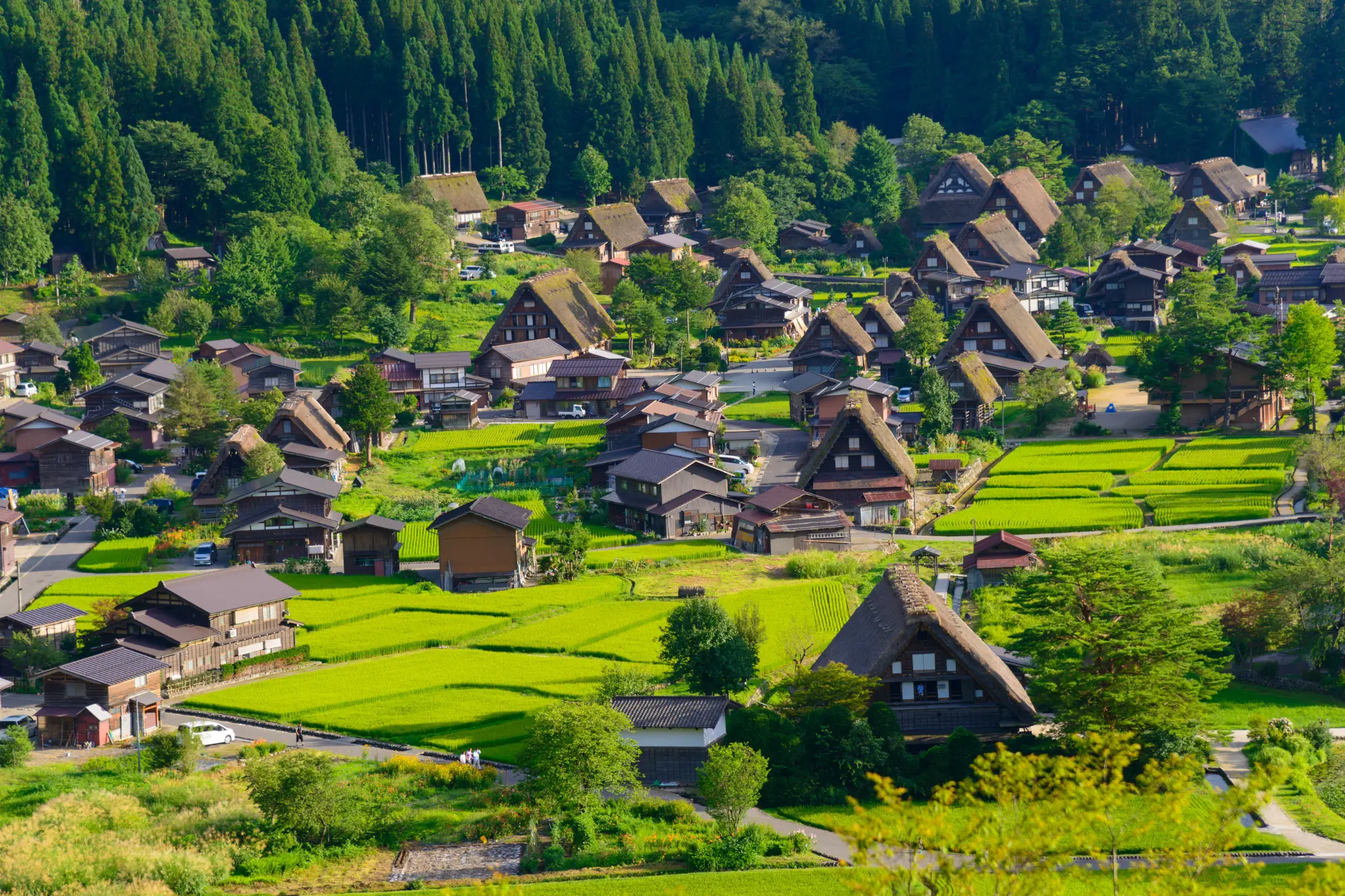
Shirakawa-go is located in a mountainous valley in Gifu Prefecture, central Japan. The best-known area is Ogimachi (荻町, おぎまち), the largest settlement of traditional gassho-zukuri houses in Shirakawa-go.
Shirakawa-go at a Glance
- Location: Shirakawa Village, Ono District, Gifu Prefecture, Japan
- Region: Central Japan
- Landscape: Mountain valley, forests, rice fields, and traditional villages
- Famous Village: Ogimachi
- Main Highlight: Gassho-zukuri traditional houses
- UNESCO Status: World Heritage Site since 1995
- Best For: Traditional architecture, photography, culture, nature, and seasonal scenery
- Recommended Stay: Half day to 1 day
- Popular Season: Winter for snow-covered scenery; spring, summer, and autumn offer different landscapes
Shirakawa-go Location & Geography
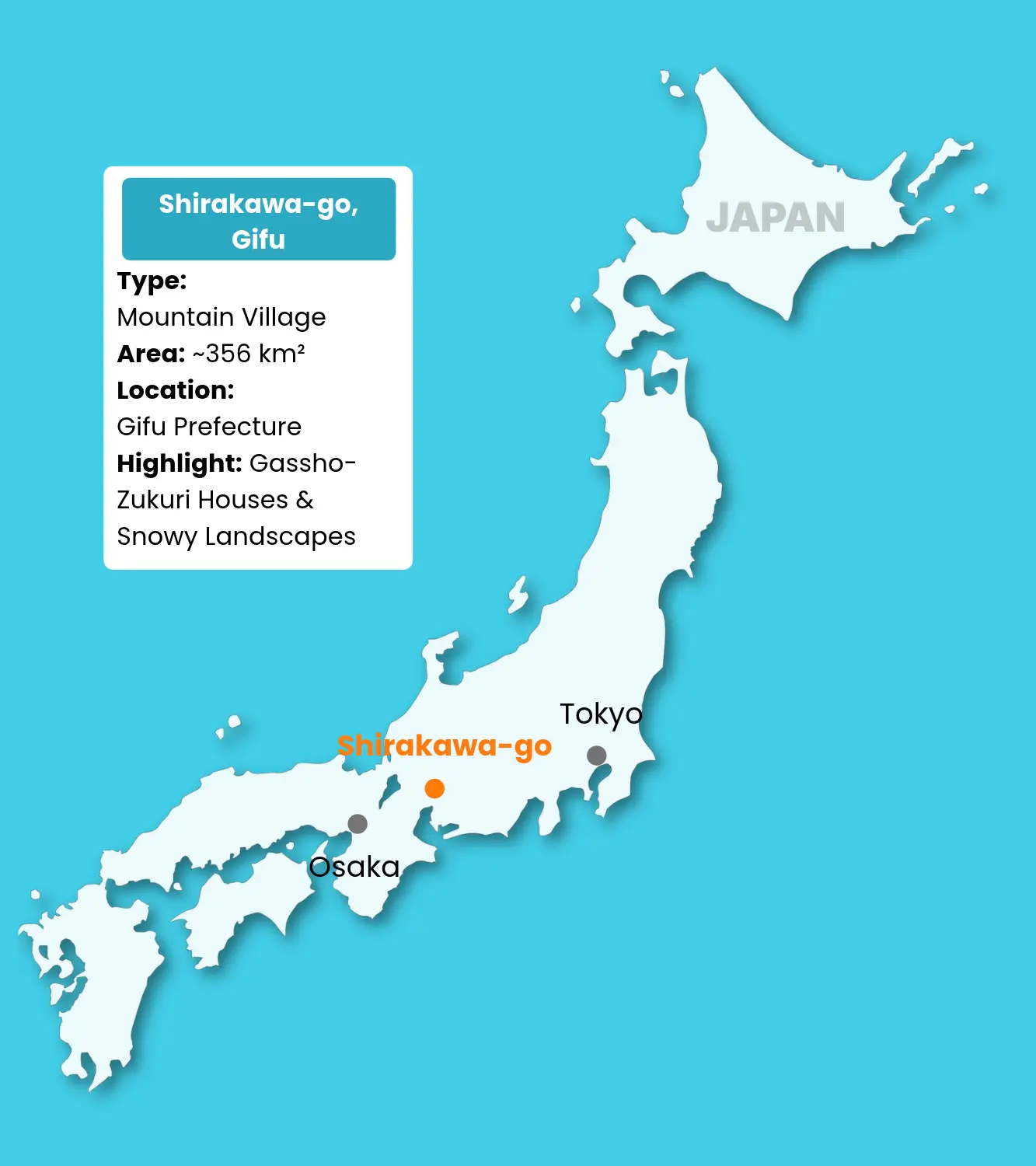
Shirakawa-go is located in northwestern Gifu Prefecture, central Japan, in the historic Hida region. The village lies in a narrow mountain valley along the Sho River, surrounded by steep mountains and forests. Its remote location, high elevation, and heavy snowfall have strongly influenced the village’s traditional architecture, landscape, and way of life.
Shirakawa-go at a Glance
- Location: Northwestern Gifu Prefecture, Central Japan
- Region: Hida region
- Area: Approximately 356.6 km²
- Landscape: About 96% of the area is forested, with mountains, rivers, rice fields, and small settlements.
- Main Village: Ogimachi (荻町, おぎまち), the largest and most visited settlement
- Climate: Mountainous, cold, and snowy, with particularly heavy snowfall in winter
- Winter Snowfall: Snow generally falls from December to March, with around 2-3 m of snowfall common in the area; the official village website records a maximum snowfall of 4.5 m.
- Average Annual Temperature: Approximately 11.9°C based on Shirakawa Village’s official climate data.
- Railway Access: No railway station in Shirakawa-go; visitors mainly arrive by bus.
How Geography Shapes Shirakawa-go
Shirakawa-go’s mountainous environment has played an important role in shaping local life. The steep terrain limited agricultural land, while heavy winter snowfall required houses to be designed to withstand large amounts of snow. This environment contributed to the development of the distinctive gassho-zukuri (合掌造り, がっしょうづくり) houses, whose steep roofs help prevent heavy snow from accumulating.
History & Culture of Shirakawa-go
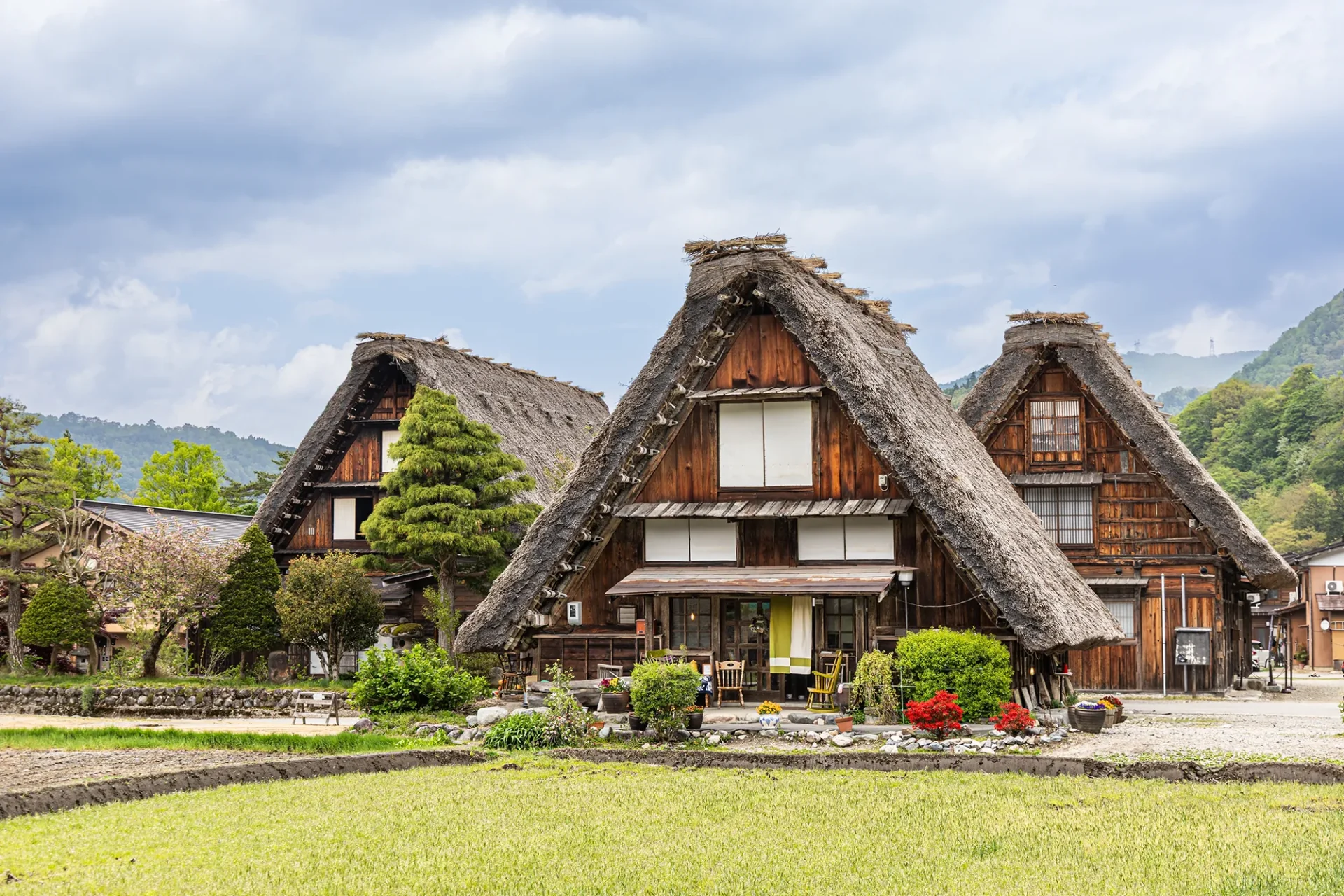
Shirakawa-go developed as a remote mountain community, with settlements gradually forming along the valleys and river systems of the region. Surrounded by steep mountains, forests, and heavy-snow areas, local residents had to adapt their homes and livelihoods to the natural environment. Historical records document settlements in the area for many centuries, while Ogimachi (荻町, おぎまち), the largest village in Shirakawa-go, appears in records dating back to the late 15th century.
Because the mountainous terrain provided limited flat land for large-scale rice cultivation, residents developed a diverse mountain-based economy. Small-scale farming was combined with sericulture (養蚕, ようさん), paper production, forestry, and other local industries. This way of life influenced the design of traditional homes, which needed to provide space not only for family life but also for work and storage.
The most recognizable symbol of Shirakawa-go is the gassho-zukuri (合掌造り, がっしょうづくり) farmhouse. The term gassho (合掌, がっしょう) means “praying hands” referring to the steep triangular roofs that resemble two hands joined in prayer. The distinctive design was developed as a practical response to the region’s harsh winters. The steep roofs, often built at an angle of around 60 degrees, allow heavy snow to slide off more easily and reduce pressure on the structure.
The large multi-level attic spaces were also important to traditional life. They provided room for silkworm cultivation and storage, while the central hearth helped warm the house during winter. Over generations, the gassho-zukuri style became closely connected with the local environment, livelihoods, and community life, making it a defining symbol of Shirakawa-go today.
Key Cultural Features
- Gassho-zukuri: Traditional farmhouses with steep, thatched roofs resembling hands joined in prayer.
- Snow Adaptation: The steep roofs were developed to cope with the region’s heavy winter snowfall.
- Sericulture: Large attic spaces were historically used for raising silkworms and supporting silk production.
- Traditional Farming: Residents cultivated crops suited to the mountainous environment, including mulberry and other local crops.
- Community Cooperation: Villagers worked collectively to maintain the large thatched roofs and preserve traditional houses.
- Rural Landscape: Houses, farmland, forests, waterways, and roads form an interconnected traditional village environment.
- Living Heritage: Some historic houses continue to function as museums, guesthouses, or homes, allowing visitors to experience aspects of traditional rural life.
- UNESCO World Heritage: Shirakawa-go and the neighboring Gokayama villages were inscribed as a UNESCO World Heritage Site in 1995 for their outstanding examples of traditional settlements adapted to their environment and social and economic conditions.
Rather than being simply a collection of old houses, Shirakawa-go is a living cultural landscape where architecture, nature, agriculture, and community traditions developed together. This close relationship between people and the mountain environment is one of the main reasons the village remains one of Japan’s most distinctive heritage destinations.
Best Shirakawa-go Attractions & Things to Do
Shirakawa-go is best explored on foot, with most major attractions concentrated around Ogimachi Village. From traditional gassho-zukuri houses and panoramic viewpoints to local food and cultural experiences, these are the highlights to include in your visit.
1. Explore Ogimachi Village
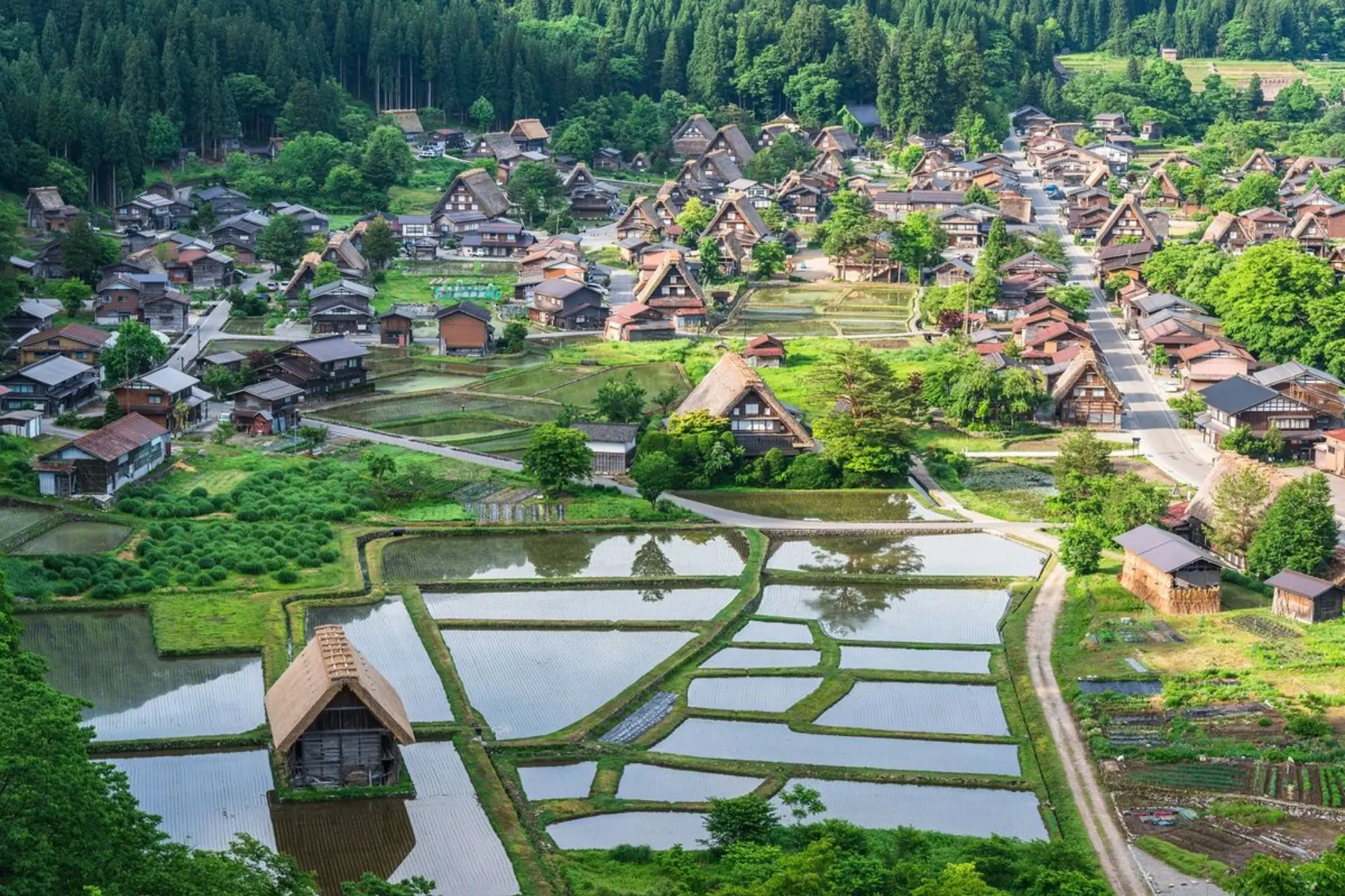
Ogimachi (荻町, おぎまち) is the largest and most famous settlement in Shirakawa-go, home to numerous traditional gassho-zukuri (合掌造り, がっしょうづくり) houses surrounded by mountains, rice fields, and waterways. Walking through the village is a highlight for first-time visitors, offering a chance to appreciate its traditional architecture and peaceful rural scenery.
Quick Information
- Location: Central Shirakawa-go
- Best for: Traditional architecture, photography, local culture
- Suggested time: 2-3 hours
- Activities: Walking, sightseeing, photography, visiting traditional houses
- Tip: Allow extra time in winter, as snow and icy paths can make walking slower.
2. Visit Shiroyama Observatory
Shiroyama Observatory offers one of the best panoramic views of Ogimachi. From this elevated viewpoint, visitors can see traditional houses spread across the valley, framed by surrounding mountains and changing seasonal landscapes.
Quick Information
- Location: Above Ogimachi Village
- Best for: Panoramic views, photography
- Suggested time: 30-60 minutes
- Activities: Scenic views, photography
- Tip: Winter snow and weather conditions can affect visibility, so check local conditions before visiting.
3. Visit a Gassho-zukuri House
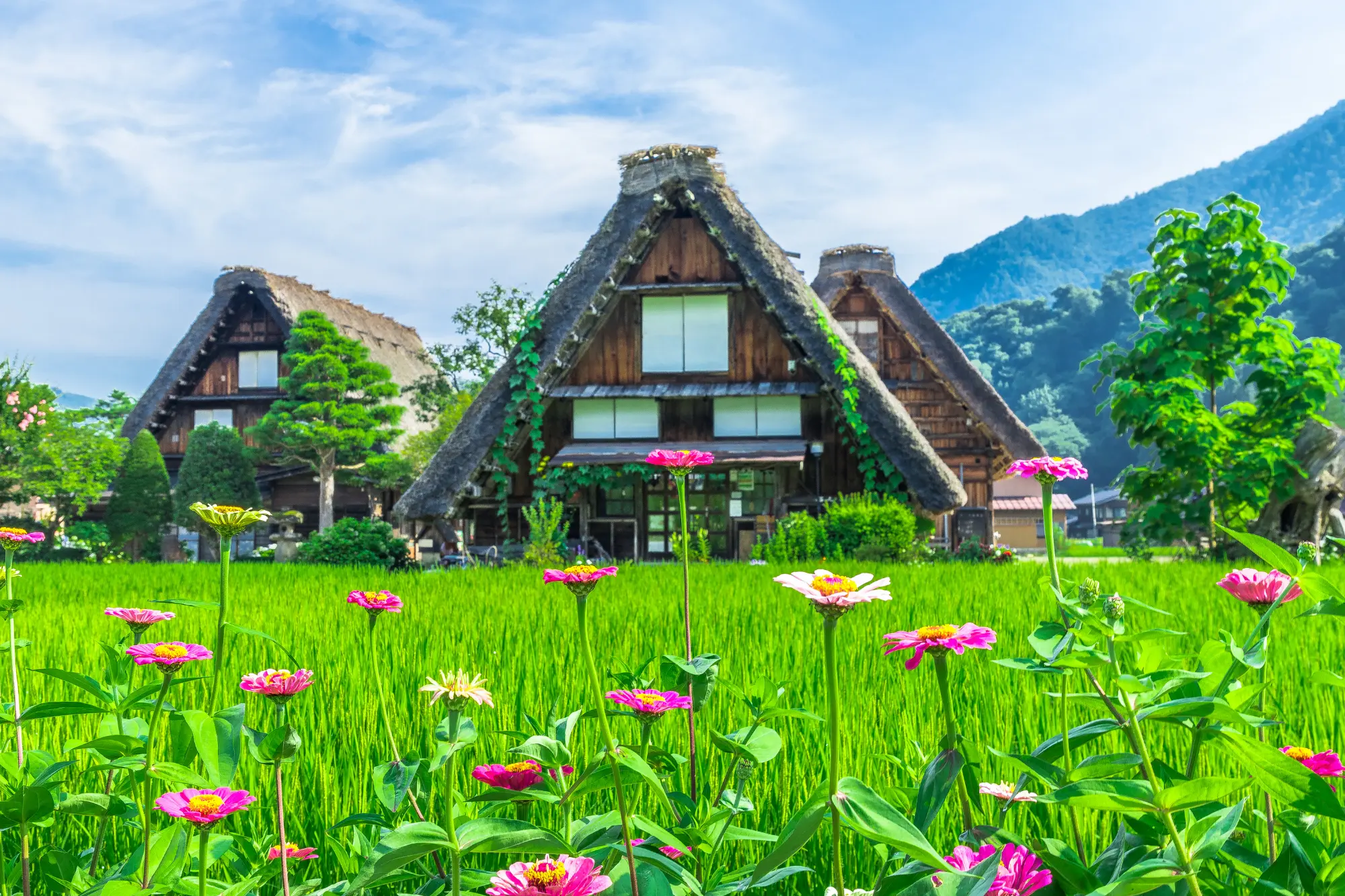
Several traditional gassho-zukuri (合掌造り, がっしょうづくり) farmhouses in Ogimachi are open to visitors as museums or cultural attractions. Exploring their interiors provides a closer look at the distinctive wooden structure, steep thatched roofs, large attic spaces, and traditional lifestyle of Shirakawa-go.
Quick Information
- Location: Ogimachi Village
- Best for: Architecture, history, culture
- Suggested time: 30-60 minutes
- Activities: House visits, cultural learning, photography
- Tip: Combine a house visit with a walking tour of Ogimachi.
4. Explore Gassho-zukuri Minkaen
Gassho-zukuri Minkaen (合掌造り民家園, がっしょうづくりみんかえん) is an open-air museum featuring relocated traditional houses and other historic buildings. It offers a deeper look at how people lived and worked in Shirakawa-go, making it a worthwhile stop for travelers interested in the village’s history and architecture.
Quick Information
- Location: Ogimachi
- Best for: History, architecture, culture
- Suggested time: 1-2 hours
- Activities: Museum visits, exploring traditional buildings, photography
- Tip: Allow enough time to explore the different buildings and exhibits.
5. Stay in a Traditional Farmhouse
For a deeper cultural experience, consider staying overnight in a traditional gassho-zukuri farmhouse (合掌造り民家, がっしょうづくりみんか). Some historic houses have been converted into guesthouses, allowing travelers to experience traditional rural accommodation and enjoy the peaceful atmosphere of Shirakawa-go after many day-trippers have left.
Quick Information
- Best for: Cultural experiences, traditional accommodation
- Suggested time: 1 night or more
- Activities: Staying in a traditional house, experiencing rural life, enjoying the village atmosphere
- Tip: Traditional accommodation is limited, so advance booking is recommended.
6. Enjoy Shirakawa-go’s Seasonal Scenery
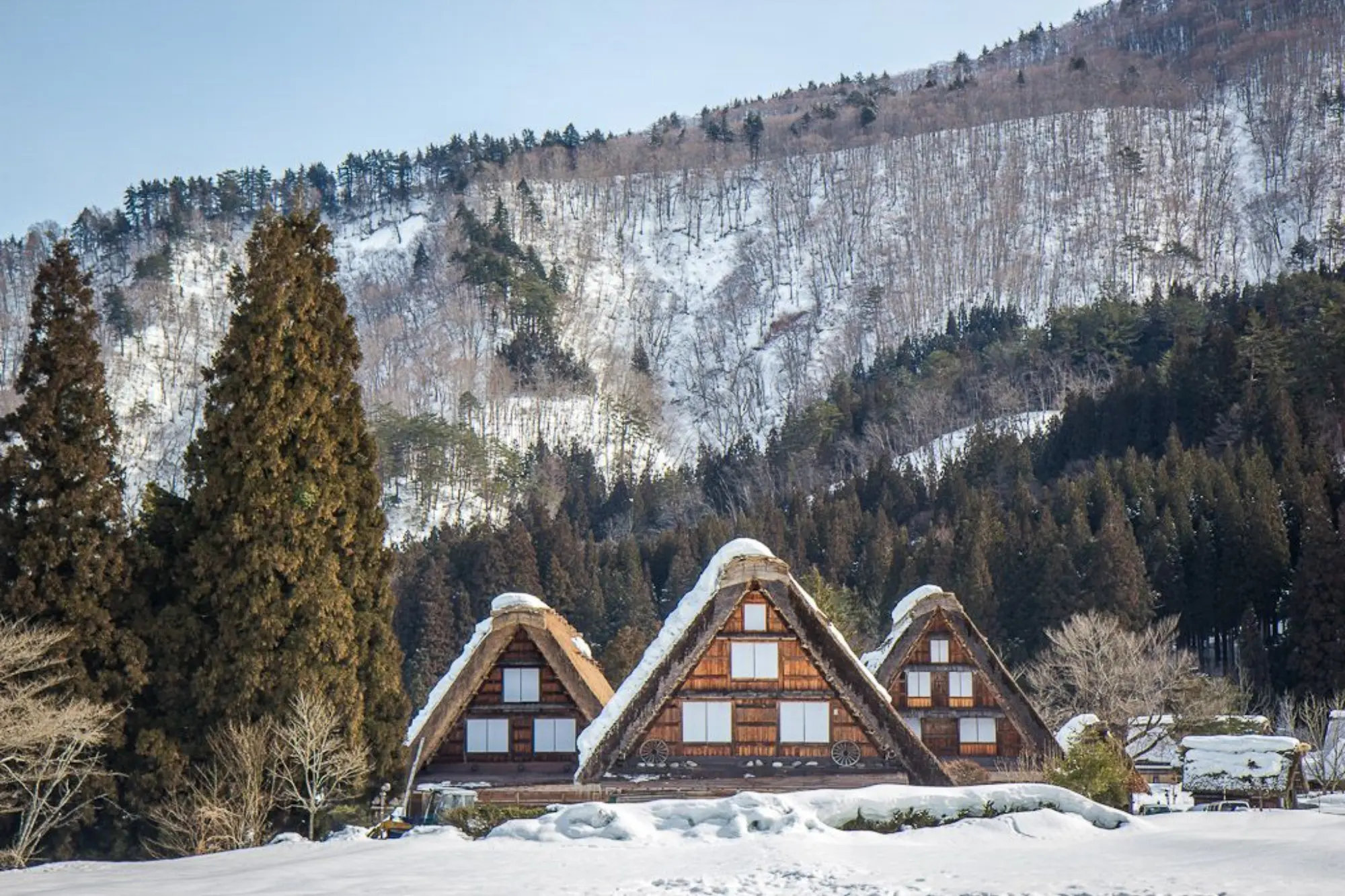
One of the highlights of visiting Shirakawa-go travel destinations is seeing how the village changes throughout the year.
- Spring: Fresh greenery and a peaceful mountain landscape.
- Summer: Lush rice fields, forests, and surrounding mountains.
- Autumn: Colorful foliage creates a striking contrast with the traditional houses.
- Winter: Heavy snow covers the gassho-zukuri roofs, creating Shirakawa-go’s iconic winter scenery.
Winter is particularly popular for photography, while spring, summer, and autumn generally offer easier walking conditions and different views of the village.
Shirakawa-go Food
Shirakawa-go food reflects its mountain environment, local agriculture, and seasonal ingredients. While the village is not a major food destination, visitors can find several regional specialties in local restaurants, cafés, and shops around Ogimachi.
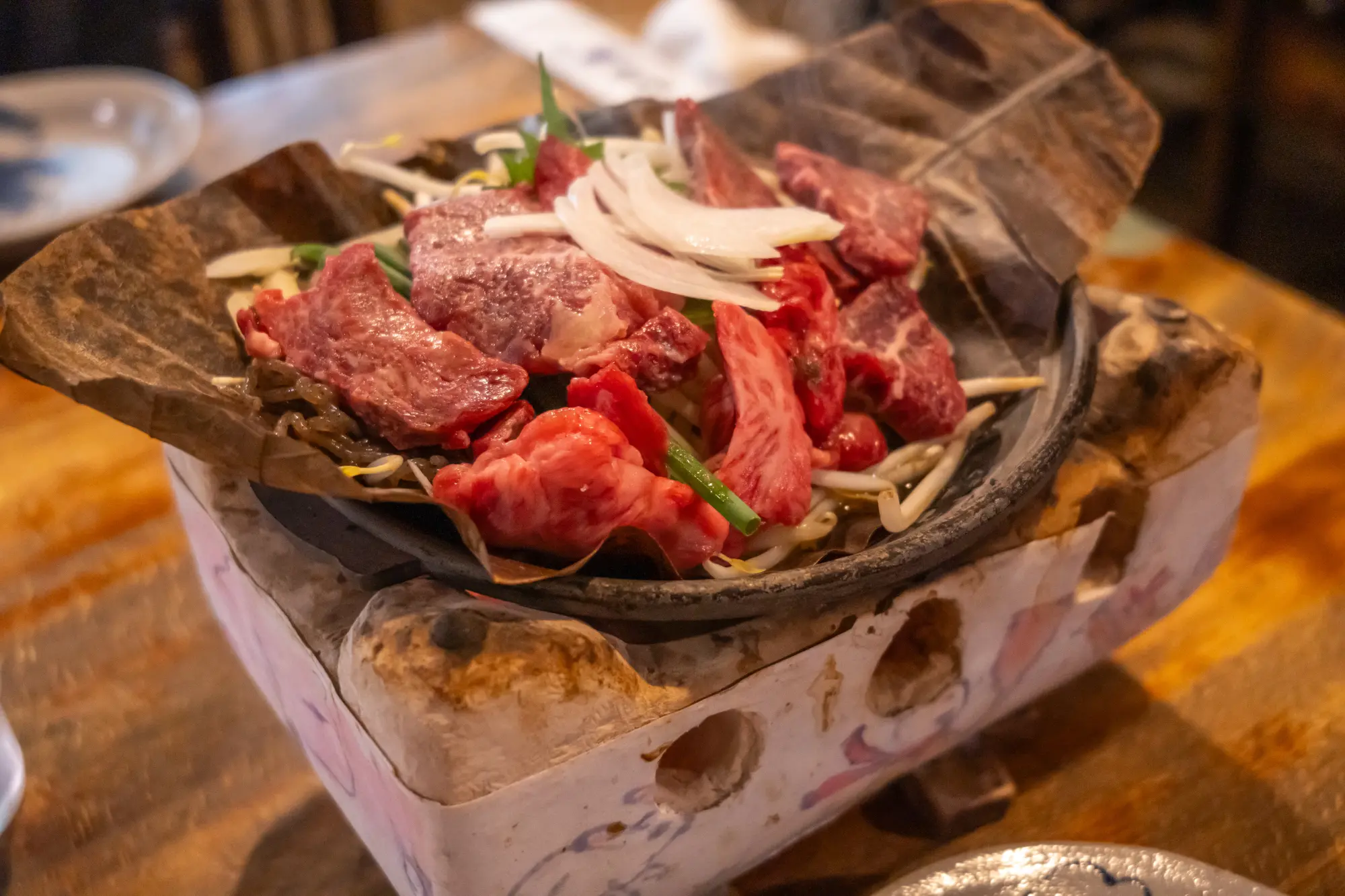
- Hida Beef: Hida beef is one of the most popular regional specialties to try in Gifu Prefecture. Known for its rich flavor and tender texture, it can be served as grilled beef, steak, rice bowls, or other local dishes.
- River Fish: Freshwater fish are closely associated with the rivers and mountain environment around Shirakawa-go. Ayu (sweetfish) and iwana (Japanese char) are commonly prepared grilled and offer a simple taste of the local mountain cuisine.
- Tofu: Tofu is another traditional ingredient found in the region. Local tofu dishes are often served with seasonal vegetables or incorporated into traditional Japanese meals, making them a good choice for travelers looking for lighter local food.
- Local Vegetables: The surrounding mountain communities produce a variety of seasonal vegetables, which are used in local restaurants and traditional meals. Depending on the season, visitors may find vegetables served grilled, simmered, pickled, or as part of set meals.
- Gohei-mochi: Gohei-mochi is a regional snack made from pounded rice shaped around a wooden stick and grilled with a sweet-savory sauce. It is a convenient option to try while walking around Shirakawa-go

- Local Sweets & Snacks: Small shops around Ogimachi offer Japanese sweets, rice-based snacks, and seasonal treats that are easy to enjoy between sightseeing stops. These are especially convenient for visitors on a Shirakawa-go day trip.
Where to Eat in Shirakawa-go
Most food options are concentrated around Ogimachi Village, making it easy to combine lunch or snacks with sightseeing.
- Local Restaurants: Try regional dishes and Japanese set meals.
- Cafés: A good option for coffee, tea, and light snacks.
- Food Stalls & Shops: Convenient for quick bites while exploring the village.
- Traditional Guesthouses: Some accommodations include meals featuring local and seasonal ingredients.
Tip: Shirakawa-go can become busy during peak seasons, so consider planning your meal time around your sightseeing route. For a day trip, having lunch in Ogimachi is a convenient way to experience local food without adding extra travel time.
Shirakawa-go Weather
Shirakawa-go has a mountainous climate with significant seasonal changes. Winters are cold and snowy, while spring and autumn offer cooler temperatures and colorful landscapes. Summer is greener and generally more comfortable than the hottest lowland areas of Japan.
|
Season |
Weather |
What to Expect |
| Spring | Cool and gradually warmer | Fresh greenery and spring scenery |
| Summer | Mild to warm | Green mountains, rice fields, and outdoor sightseeing |
| Autumn | Cool | Colorful foliage and mountain scenery |
| Winter | Very cold and snowy | Snow-covered gassho-zukuri houses |
Shirakawa-go in Winter
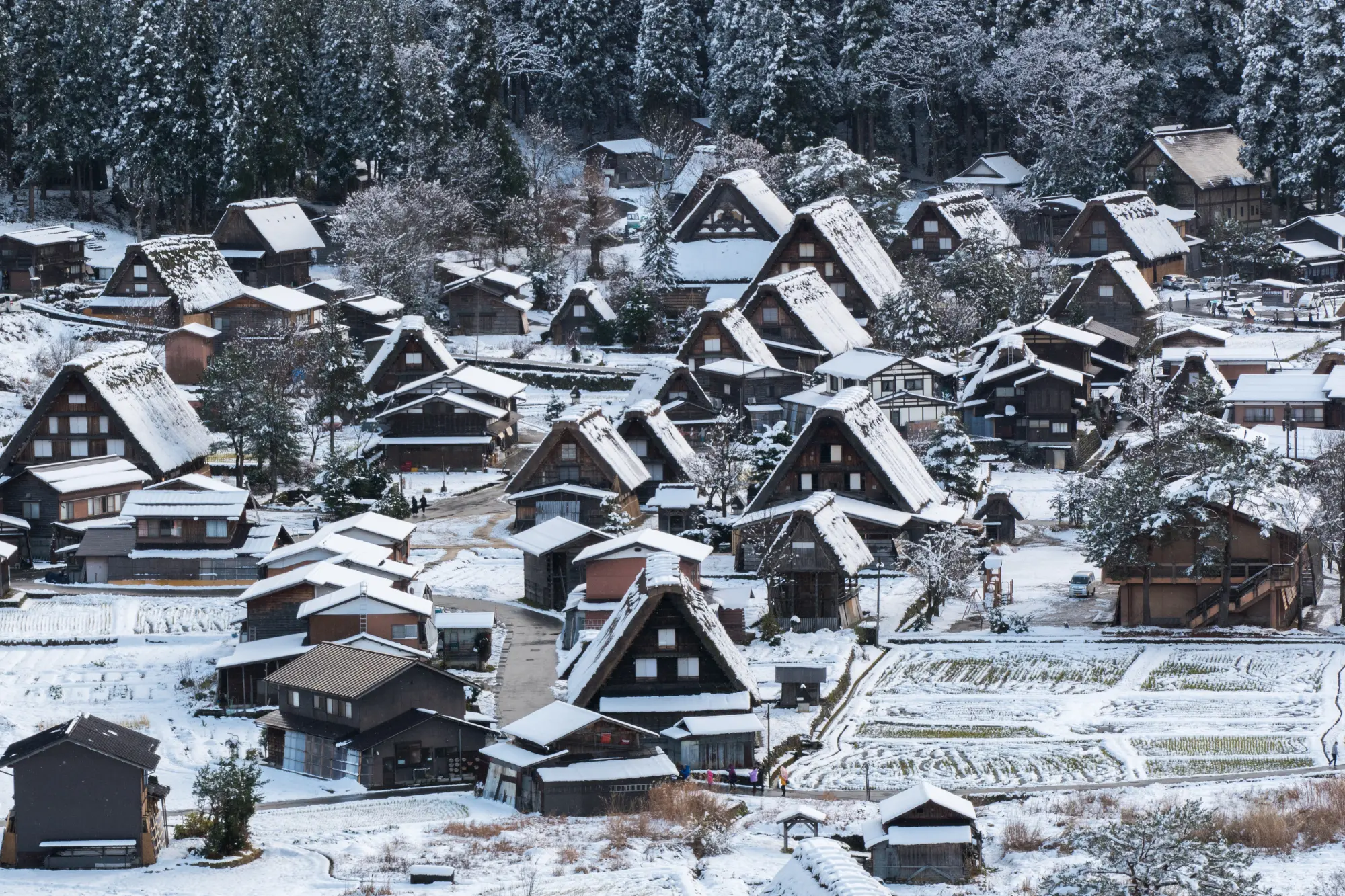
Shirakawa-go in winter is famous for its snow-covered gassho-zukuri houses and mountain scenery. Heavy snowfall transforms Ogimachi into a distinctive winter landscape, while the steep thatched roofs help protect the traditional houses from accumulating snow.
Winter is generally one of the most atmospheric times to visit, especially from December to February. January and February can also feature special evening illumination events, although these events have limited capacity and require advance arrangements.
What to Expect in Winter
- Snow-covered traditional houses and rice fields
- Cold temperatures and potentially icy roads
- Shorter daylight hours
- Beautiful views from the village and observatory when visibility is good
- Winter illumination events on selected dates
- More difficult walking conditions after snowfall
Winter tip: Wear warm, waterproof clothing and shoes with good grip. Winter conditions can change quickly, and travel times may be longer because of snow and road conditions.
How to Get to Shirakawa-go
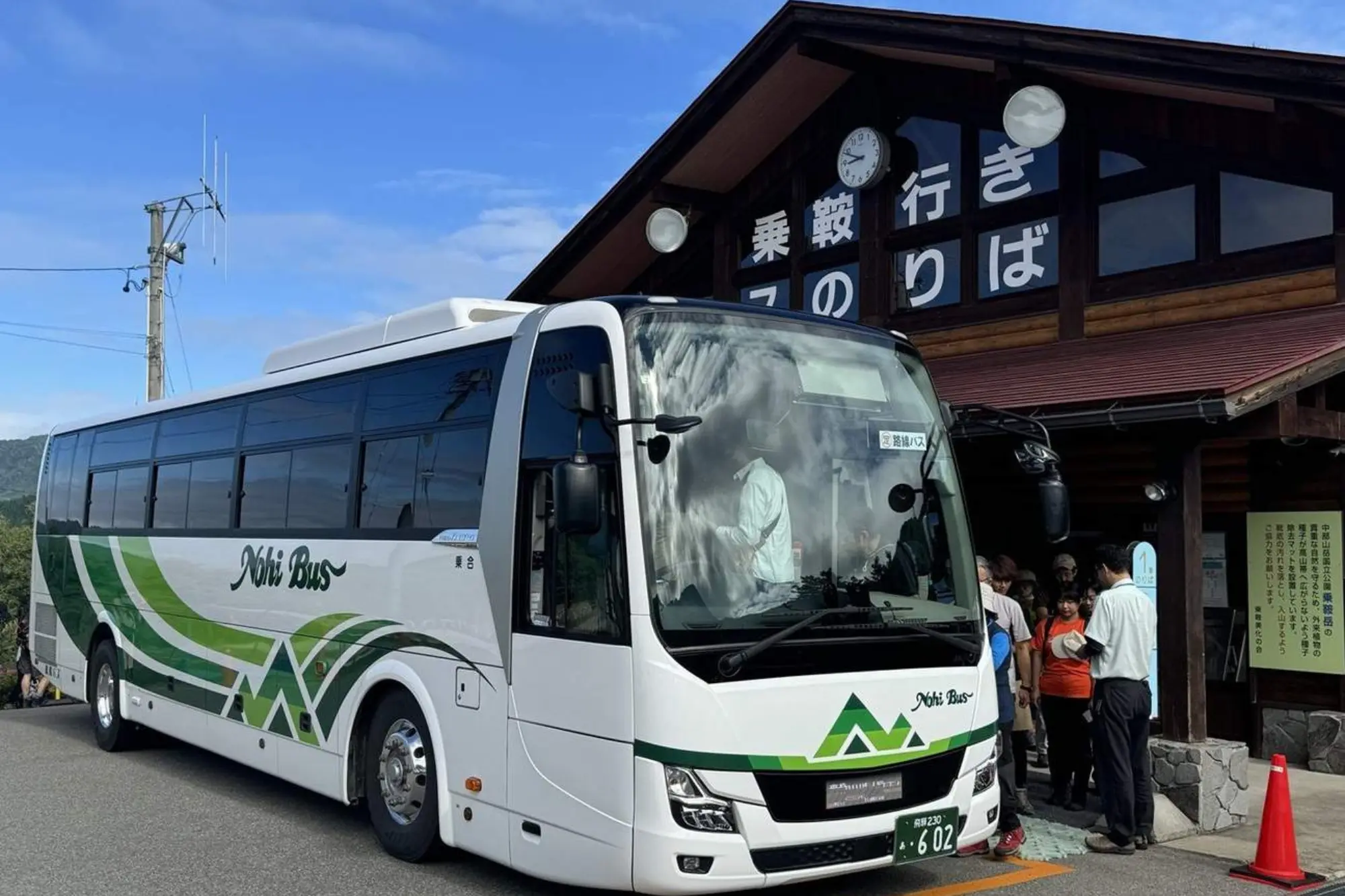
Shirakawa-go does not have a railway station, so bus travel is the most common way to reach the village. Direct or connecting services are available from several popular destinations in central Japan.
- From Takayama: Approximately 50 minutes by bus from Takayama Bus Center. This is one of the easiest options for a Shirakawa-go day trip.
- From Kanazawa: Direct buses take around 1 hour 15-30 minutes, making it convenient to combine Shirakawa-go travel with a Kanazawa itinerary.
- From Nagoya: Direct buses take approximately 3 hours, suitable for travelers starting their trip in Nagoya.
- From Takaoka: Bus services connect Takaoka with Shirakawa-go in around 130 minutes, offering an option when traveling through the Hokuriku region.
- By Car: Driving is possible and offers more flexibility, but snow and icy roads can make winter travel more challenging.
Transportation Tips
- Book buses in advance, especially during winter, autumn foliage, weekends, and holidays.
- Check the return schedule carefully if planning a day trip.
- Allow extra travel time in winter due to possible snow and road conditions.
- Once in Shirakawa-go, walking is the easiest way to explore Ogimachi Village.
Frequently Asked Questions
1. Where is Shirakawa-go located?
Shirakawa-go is located in Gifu Prefecture in central Japan, in a mountainous area surrounded by the Hida region. Its main tourist village, Ogimachi, is known for its traditional gassho-zukuri houses.
2. When is the best time to visit Shirakawa-go?
The best time depends on what you want to see. Winter is ideal for snow-covered scenery, while spring, summer, and autumn offer easier walking conditions and different seasonal landscapes.
3. What is Shirakawa-go like in winter?
Shirakawa-go in winter is characterized by heavy snow, white-covered traditional houses, and mountain scenery. January and February can also feature special illumination events on selected dates.
4. How long do you need in Shirakawa-go?
A few hours is enough to see the main highlights, making a day trip practical. However, an overnight stay allows more time to explore the village and experience a traditional farmhouse.
5. Can you visit Shirakawa-go as a day trip?
Yes. Shirakawa-go is commonly visited as a day trip from Takayama or other nearby cities. The bus journey from Takayama takes around 50 minutes, making it particularly convenient to combine the two destinations.
Conclusion
Shirakawa-go is one of Japan’s most distinctive rural destinations, combining traditional gassho-zukuri architecture, mountain scenery, and a preserved way of life. From walking through historic Ogimachi and viewing the village from above to experiencing Shirakawa-go in winter, the destination offers a different perspective on Japan beyond its major cities.
Whether you plan a short Shirakawa-go day trip or an overnight stay, check the Shirakawa-go weather, transportation schedules, and seasonal conditions before traveling. Discover Nicetrips’ Japan tour packages and follow the Nicetrips Blog for more Japan travel guides, practical tips, and inspiration for your next journey.