Yokohama is one of the easiest major Japanese cities to add to a Tokyo itinerary, but it offers a noticeably different experience from central Tokyo. The city combines a spacious waterfront, historic port districts, Japanese and Chinese food culture, modern architecture, and attractions that can be explored in half a day or over several days. This Yokohama travel guide covers the best things to do in Yokohama, how to plan a Yokohama day trip from Tokyo, where to eat and stay, when to visit, and how to build a comfortable Yokohama itinerary as part of a larger Japan trip.
Yokohama at a Glance
Where Is Yokohama?
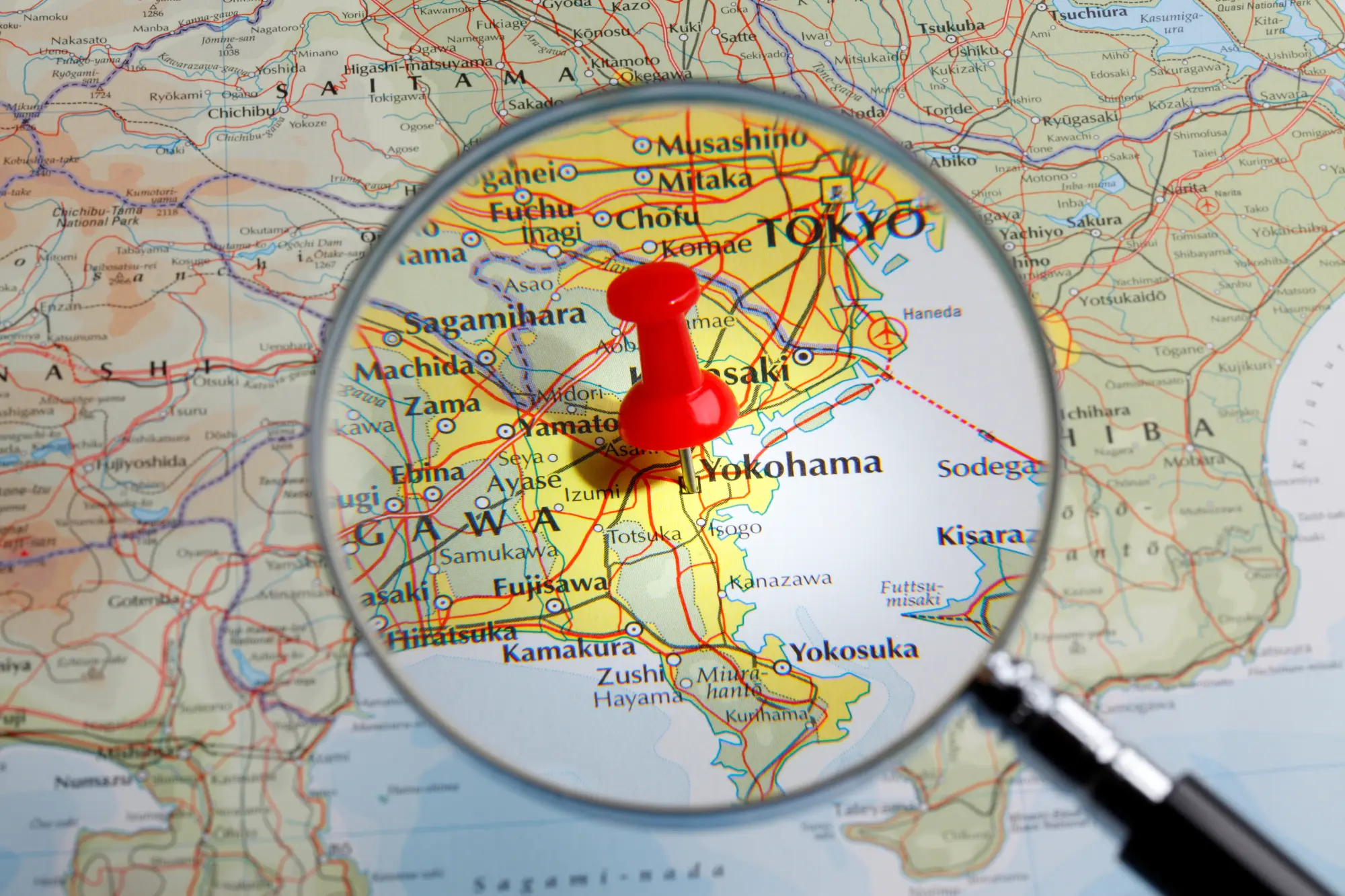
Yokohama is the capital of Kanagawa Prefecture, directly south of Tokyo on Tokyo Bay. It is Japan’s second-largest city by population and one of the country’s most important international port cities.
For travelers planning a Yokohama day trip from Tokyo, the city’s location makes it easy to combine major attractions in one visit. The most useful areas are concentrated around Yokohama Station, Minato Mirai, Chinatown, Yamashita Park, Motomachi, and the waterfront. This makes the central sightseeing area relatively easy to combine into a single route. This concentration of major Yokohama attractions makes the city relatively simple to plan for a first visit. For travelers building a Japan itinerary, Yokohama from Tokyo is one of the easiest city excursions to add without changing hotels.
The compact central area also makes Yokohama sightseeing easier to organize than the city’s overall size might suggest. Many of the most popular Yokohama attractions can be connected in one waterfront route, while areas farther south or inland can be saved for a longer visit. This makes Yokohama, Japan particularly practical for travelers who want variety without spending the entire day in transit.
How Far Is Yokohama from Tokyo?
Yokohama is close enough to Tokyo to make a straightforward day trip. Depending on where you start in Tokyo, the train journey generally takes around 30–40 minutes.
The exact travel time depends on your departure station and train service, but Yokohama from Tokyo is one of the more convenient city-to-city trips in the Tokyo region. The short travel time makes a Yokohama day trip from Tokyo practical even when your Japan itinerary is already fairly full.
For travelers with limited time in Japan, this short journey is one reason Yokohama from Tokyo works well as a day excursion rather than requiring a separate hotel stay.
Can You Visit Yokohama as a Day Trip from Tokyo?
Yes. A Yokohama day trip from Tokyo works especially well if you focus on one geographic area rather than trying to cover the entire city.
A practical route is:
Yokohama Chinatown → Yamashita Park → Osanbashi Pier → Red Brick Warehouse → Minato Mirai → evening waterfront views
This route keeps many of Yokohama’s best-known sights connected by the waterfront while allowing time for food and breaks. It is a practical way to experience the main highlights on a Yokohama day trip from Tokyo without rushing between distant neighborhoods.
If you are planning things to do in Yokohama for only one day, grouping attractions by location is more useful than trying to follow a long list of individual sights. This approach also makes a Yokohama itinerary easier to adjust around meals, weather, and your preferred pace.
Things to Do in Yokohama
The best things to do in Yokohama range from waterfront attractions and historic neighborhoods to Chinatown, gardens, museums, and local food. If you’re deciding what to see first, these things to do in Yokohama fit most naturally into a first visit and can be combined into several practical sightseeing routes.
For first-time visitors, the most useful Yokohama attractions are concentrated around the waterfront and nearby historic neighborhoods. This makes it possible to experience several different sides of the city without spending the entire day on public transportation.
Explore Minato Mirai
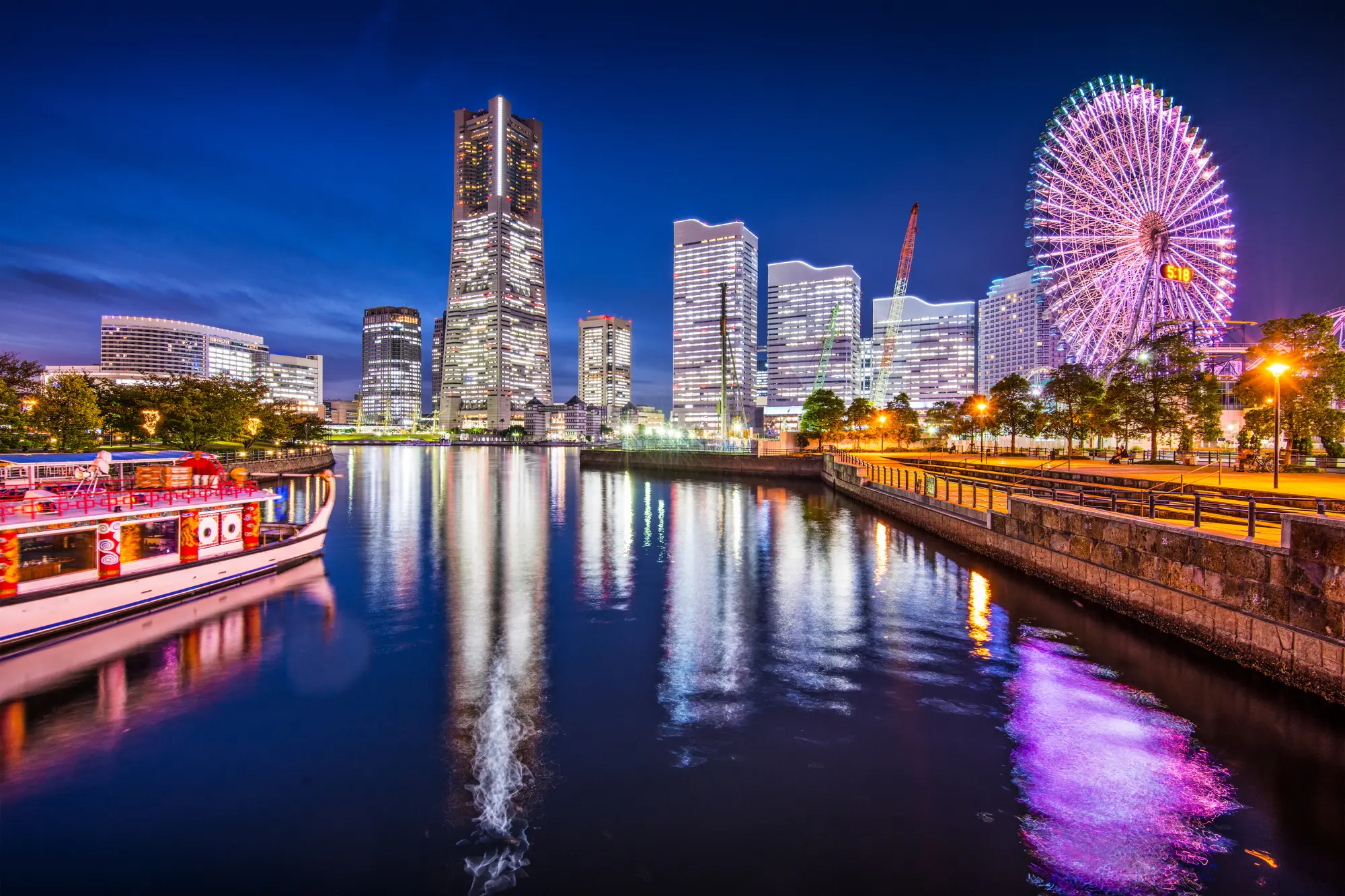
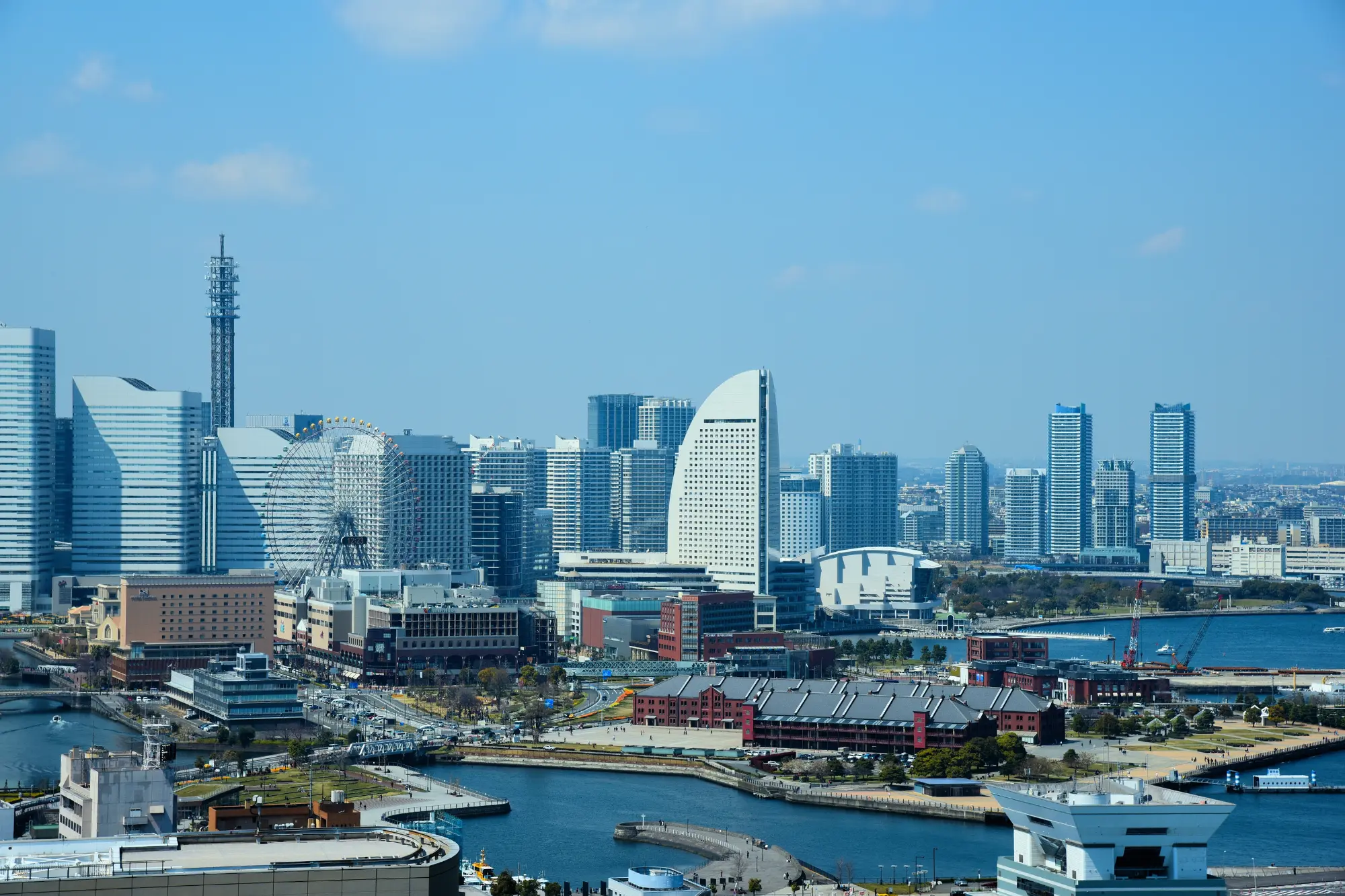
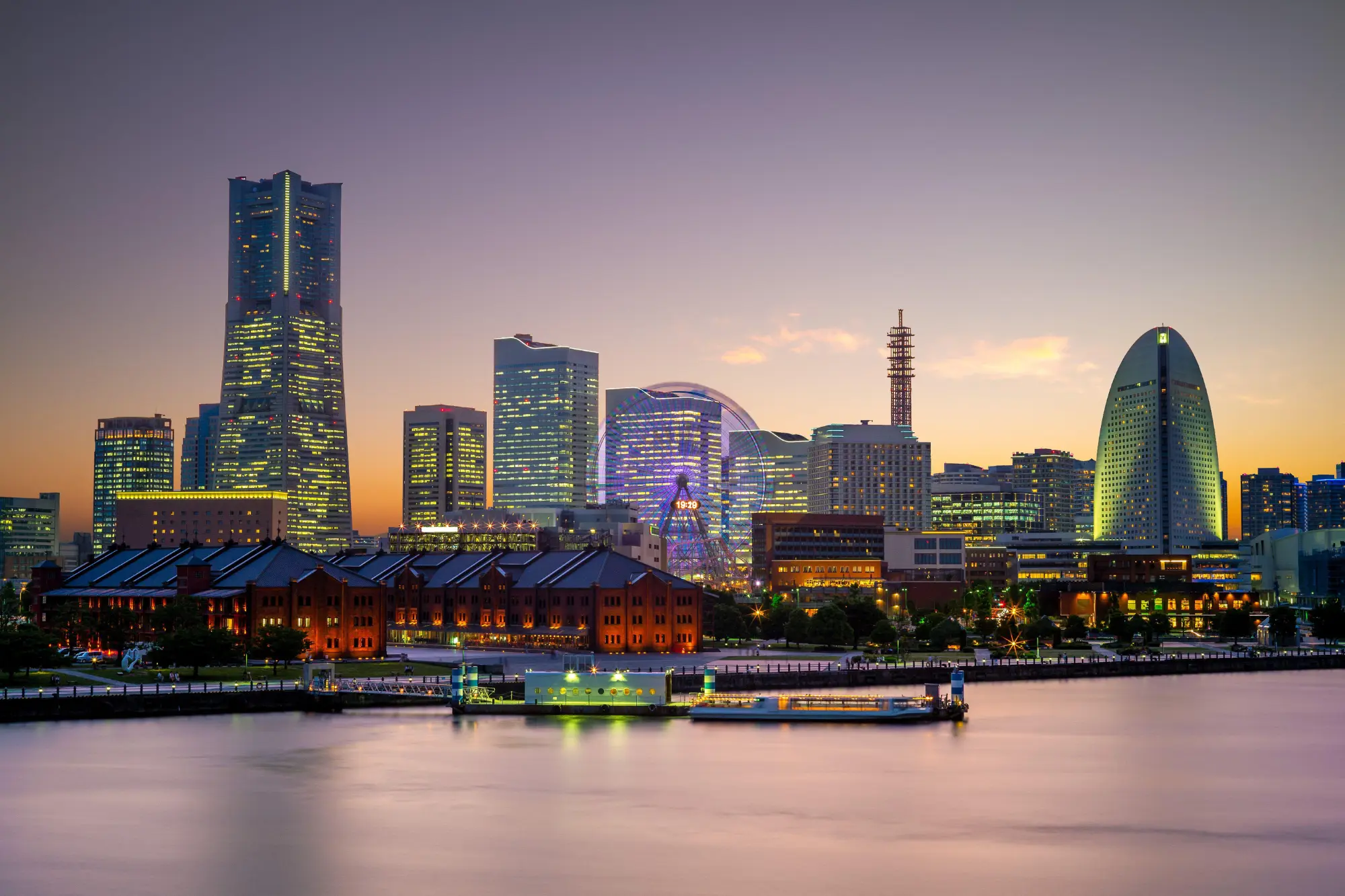
Minato Mirai 21 is Yokohama’s modern waterfront district and one of the best places to begin exploring the city.
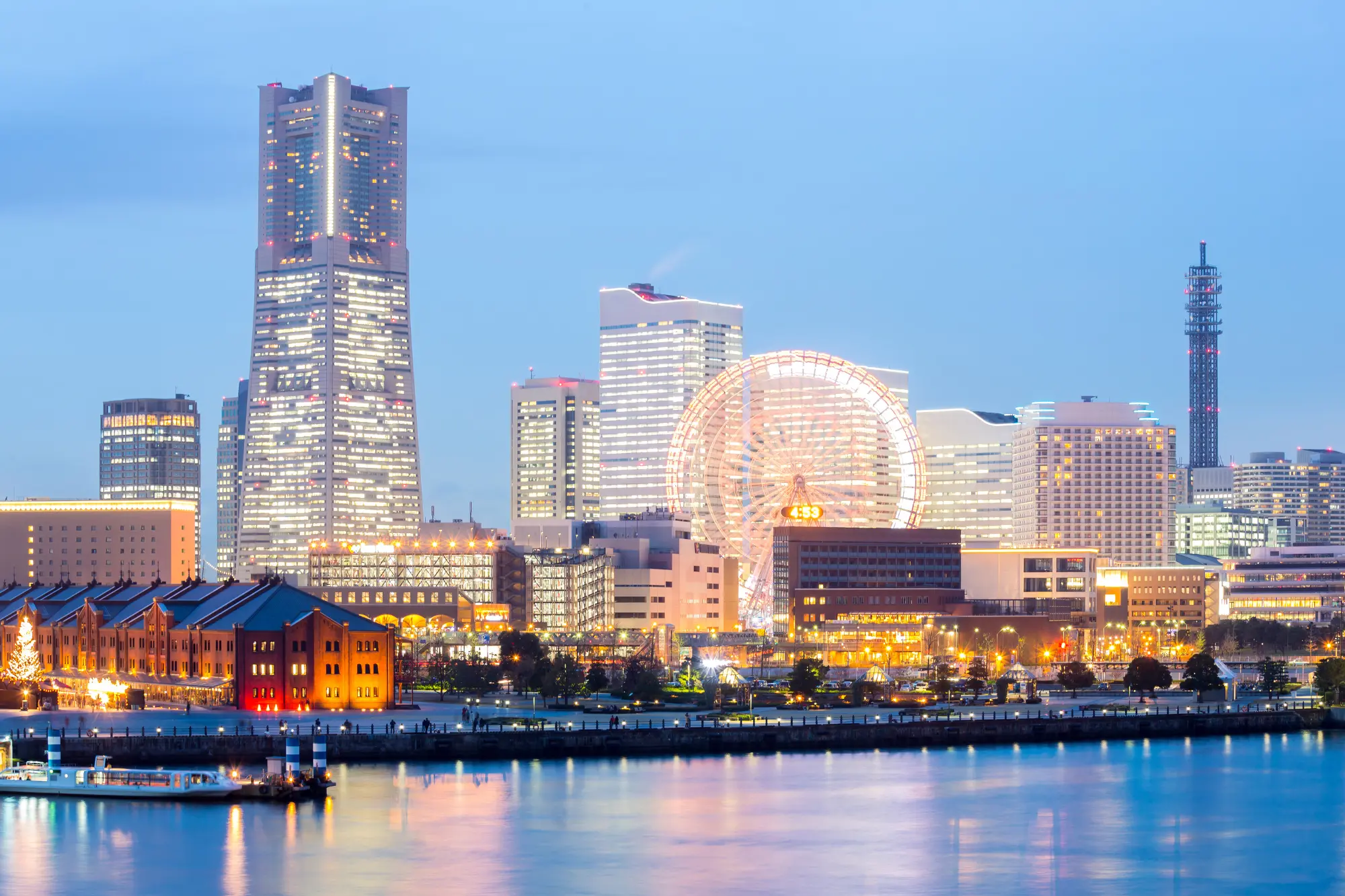
The area combines shopping, restaurants, museums, hotels, public spaces, and major landmarks. The 296-meter Yokohama Landmark Tower is its most recognizable feature. For first-time visitors, Minato Mirai is one of the easiest Yokohama attractions to combine with other waterfront sights.
Minato Mirai is also a natural starting point for many things to do in Yokohama, especially if you want to stay close to the waterfront and combine sightseeing with shopping or dining.
Visit Yokohama Chinatown
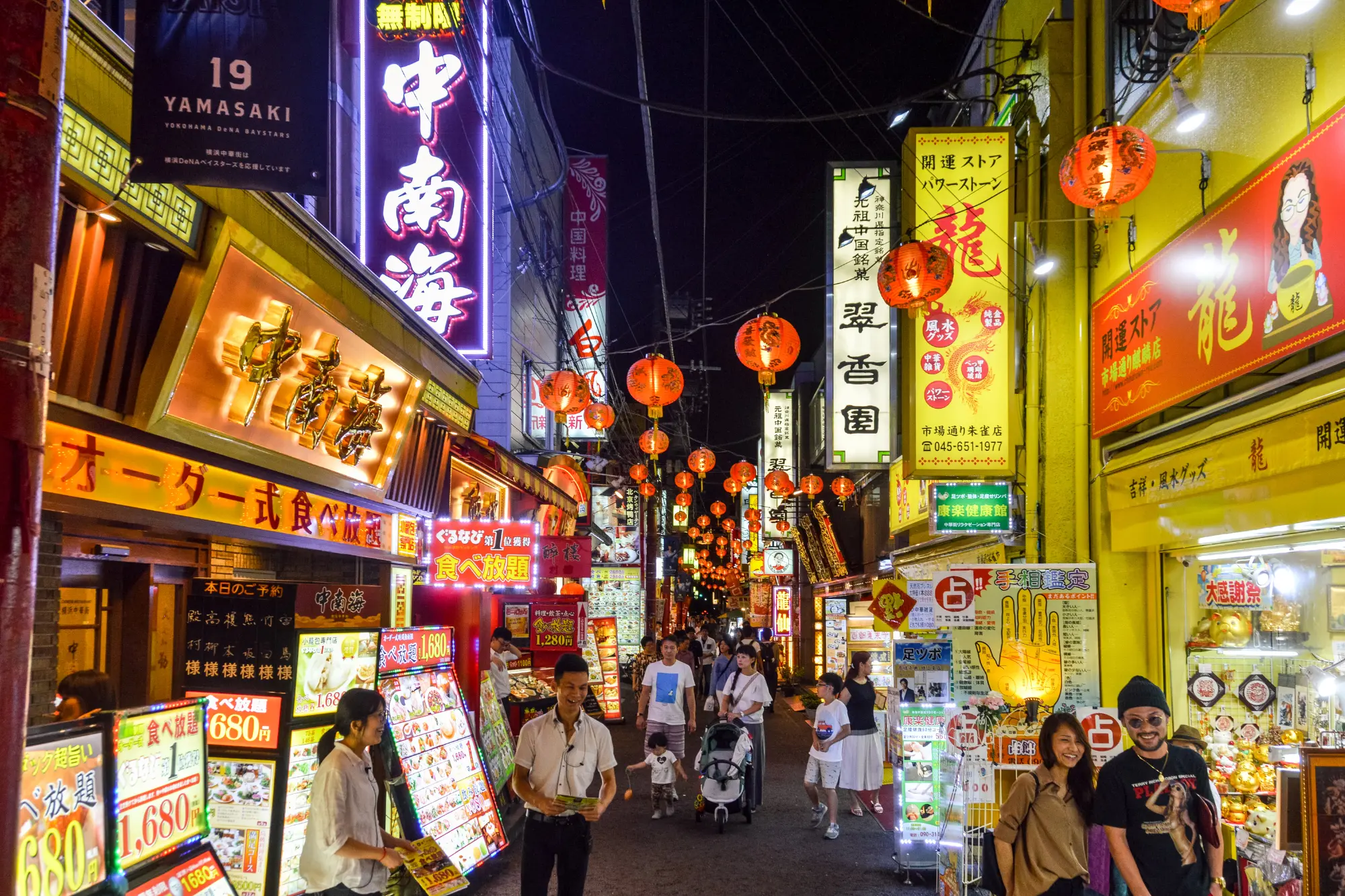
Yokohama Chinatown is one of the city’s defining attractions and is widely recognized as Japan’s largest Chinatown. The official Yokohama guide describes more than 600 shops and restaurants spread across the district.
The main streets are busy, but exploring the smaller side streets gives you a different experience from simply walking along the central shopping area. Chinatown is one of the most distinctive Yokohama attractions and fits naturally into a first-time sightseeing itinerary.
For many visitors, Chinatown is one of the first Yokohama attractions to include when planning a one-day visit, particularly if local food is an important part of the trip.
Walk Around Yokohama Red Brick Warehouse
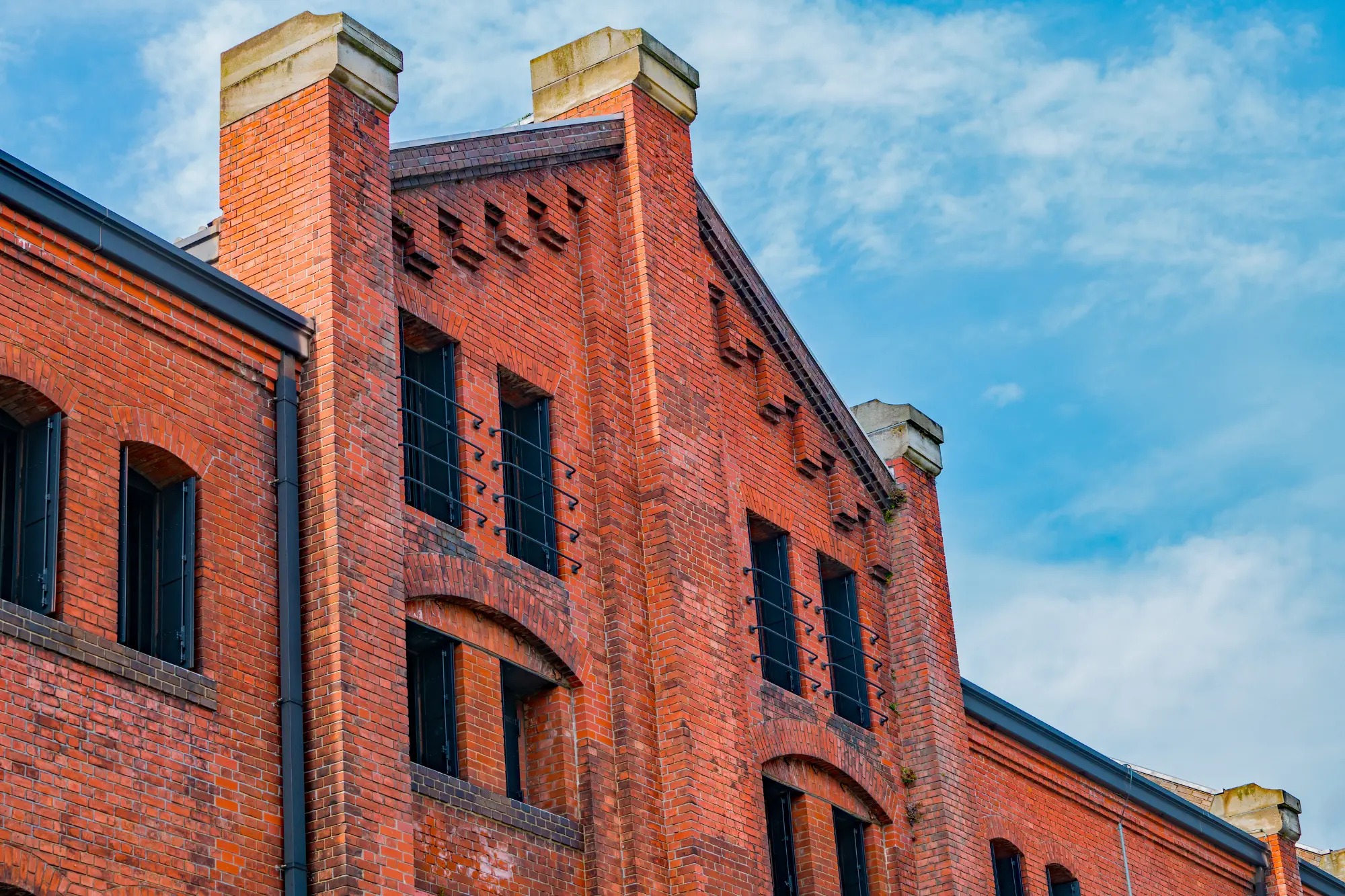
The Red Brick Warehouse is a historic waterfront complex that has been repurposed into a destination for shopping, restaurants, events, and entertainment.
Its location between Chinatown and Minato Mirai makes it an easy stop on a waterfront sightseeing route. Its location also makes the Red Brick Warehouse easy to include in a Yokohama itinerary alongside Minato Mirai and Yamashita Park.
It is one of the most convenient Yokohama attractions to pair with Chinatown because the two areas can be connected naturally as part of a waterfront walking route.
Visit the CUPNOODLES Museum
The CUPNOODLES Museum Yokohama explores the history of instant noodles and the work of Momofuku Ando.
One of its most popular experiences is the My CUPNOODLES Factory, where visitors design their own cup and choose a soup and toppings. The experience currently costs ¥500 per cup and takes about 45 minutes. Numbered tickets or eligible advance tickets are required.
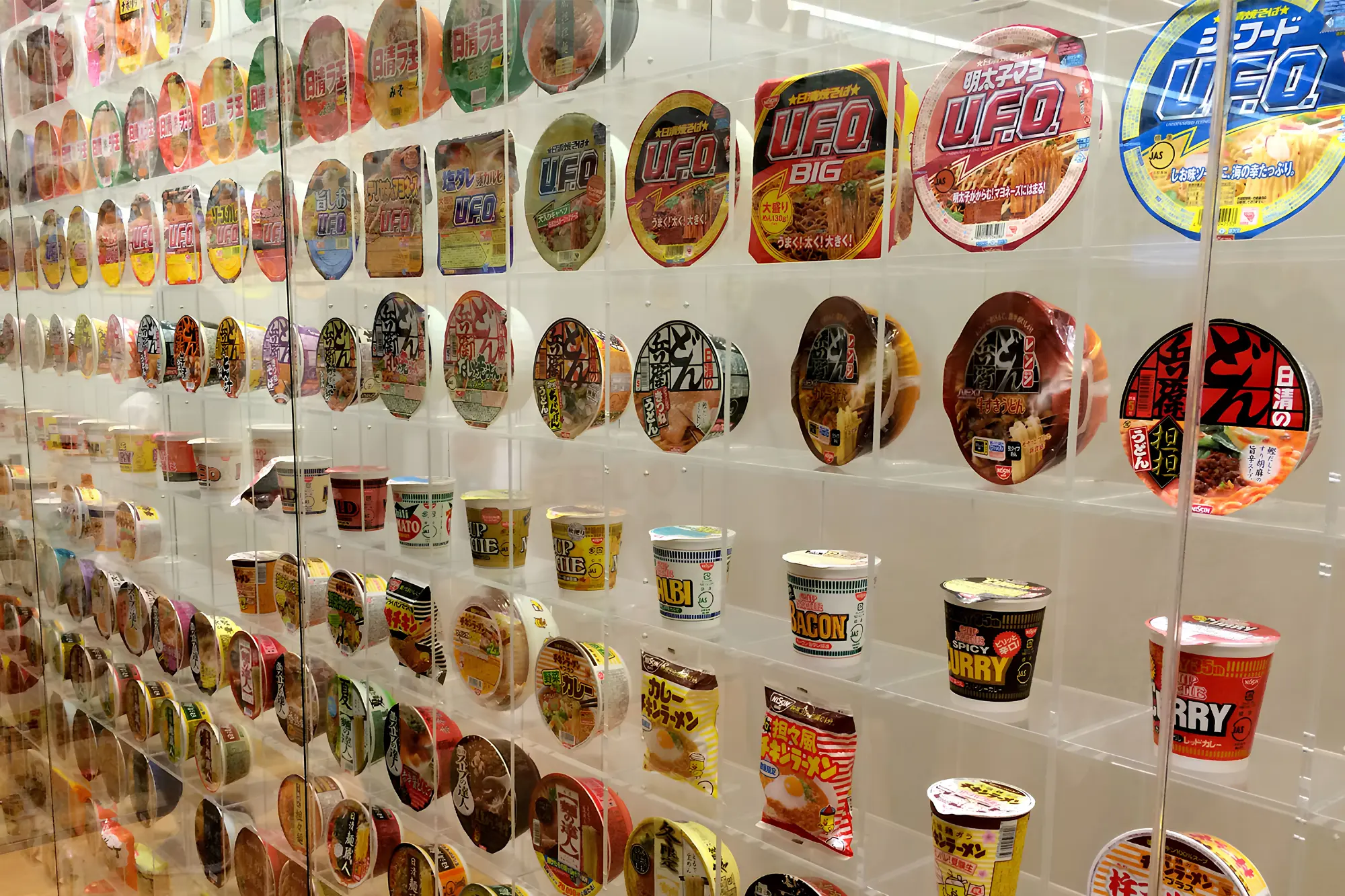
It is one of the more unusual things to do in Yokohama, especially for families and travelers interested in Japanese food culture. For a rainy day, the museum can also be a useful indoor addition to a Yokohama itinerary.
See the City from Yokohama Landmark Tower
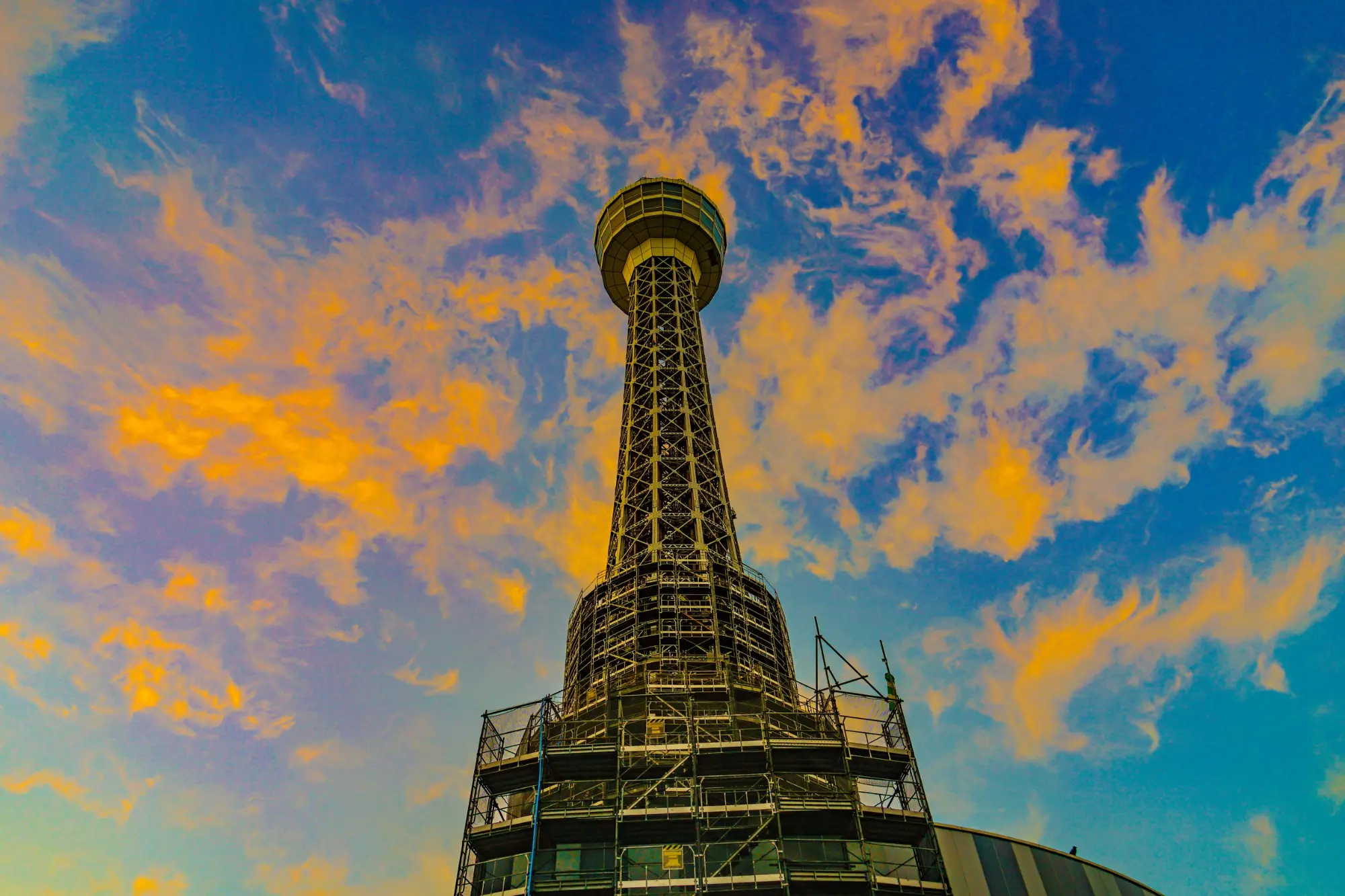
Yokohama Landmark Tower rises 296 meters above Minato Mirai and is one of the city’s signature landmarks. Its observation facilities provide broad views over Yokohama and Tokyo Bay.
For the best experience, consider visiting later in the day so you can see the waterfront in daylight and after dark. This makes the tower a useful addition to an evening Yokohama itinerary, especially if you are already exploring Minato Mirai.
Relax at Yamashita Park
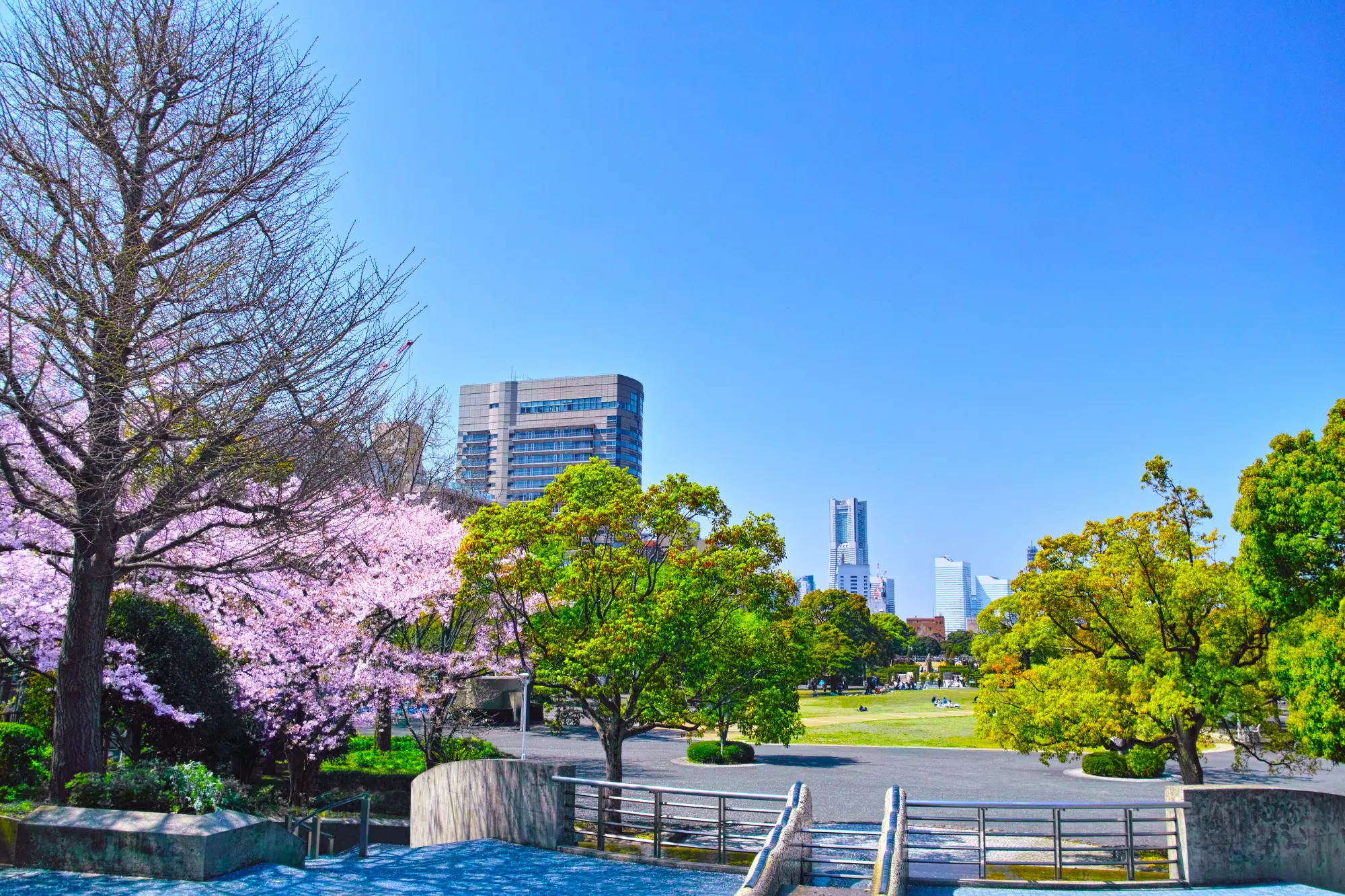
Yamashita Park stretches along Yokohama’s waterfront and provides an easy break between Chinatown and the central waterfront attractions.
It is particularly useful in a sightseeing itinerary because you can slow the pace without leaving the main tourist area.
For travelers building things to do in Yokohama around the waterfront, Yamashita Park is an easy place to add a quieter walking break between major attractions.
Walk Along Osanbashi Pier
Osanbashi Pier is Yokohama’s best-known passenger terminal and also offers an unusual perspective over the waterfront.
The open-air deck provides views toward Minato Mirai, the bay, and the city skyline, making it worthwhile even when you are not taking a cruise.
Its location also makes Osanbashi easy to include in a Yokohama day trip from Tokyo, particularly when combined with Chinatown, Yamashita Park, and Red Brick Warehouse.
Visit Sankeien Garden
Sankeien Garden offers a completely different side of Yokohama. Instead of modern towers and waterfront development, the garden features traditional Japanese landscaping and historic buildings.
It is located farther south from the central sightseeing district, so allow additional travel time rather than trying to squeeze it between several waterfront stops. Sankeien is worth adding to a longer Yokohama itinerary, particularly if you want a break from the city’s central waterfront.
For travelers spending two days in Yokohama, Sankeien Garden is one of the Yokohama attractions that can be added without making the first day overly crowded.
Explore Motomachi and Yamate
Motomachi and Yamate are known for their historic Western influence, residential streets, boutiques, cafés, and hillside views.
This area works particularly well for travelers who want to see a quieter side of Yokohama beyond the major waterfront attractions. Together, Motomachi and Yamate are useful additions to a Yokohama itinerary when you want something beyond the main waterfront sights.
They are also useful stops for travelers who want their Yokohama sightseeing experience to include more than modern architecture and waterfront attractions.
Visit the Shin-Yokohama Ramen Museum
The Shin-Yokohama Ramen Museum combines ramen history with a recreated streetscape inspired by Japan in the mid-20th century.
It is also a useful stop for travelers arriving through Shin-Yokohama Station by Shinkansen.
For food-focused travelers, the museum can add another dimension to what to eat in Yokohama, particularly if you want to explore ramen culture beyond the central waterfront.
Ride the Cosmo Clock 21
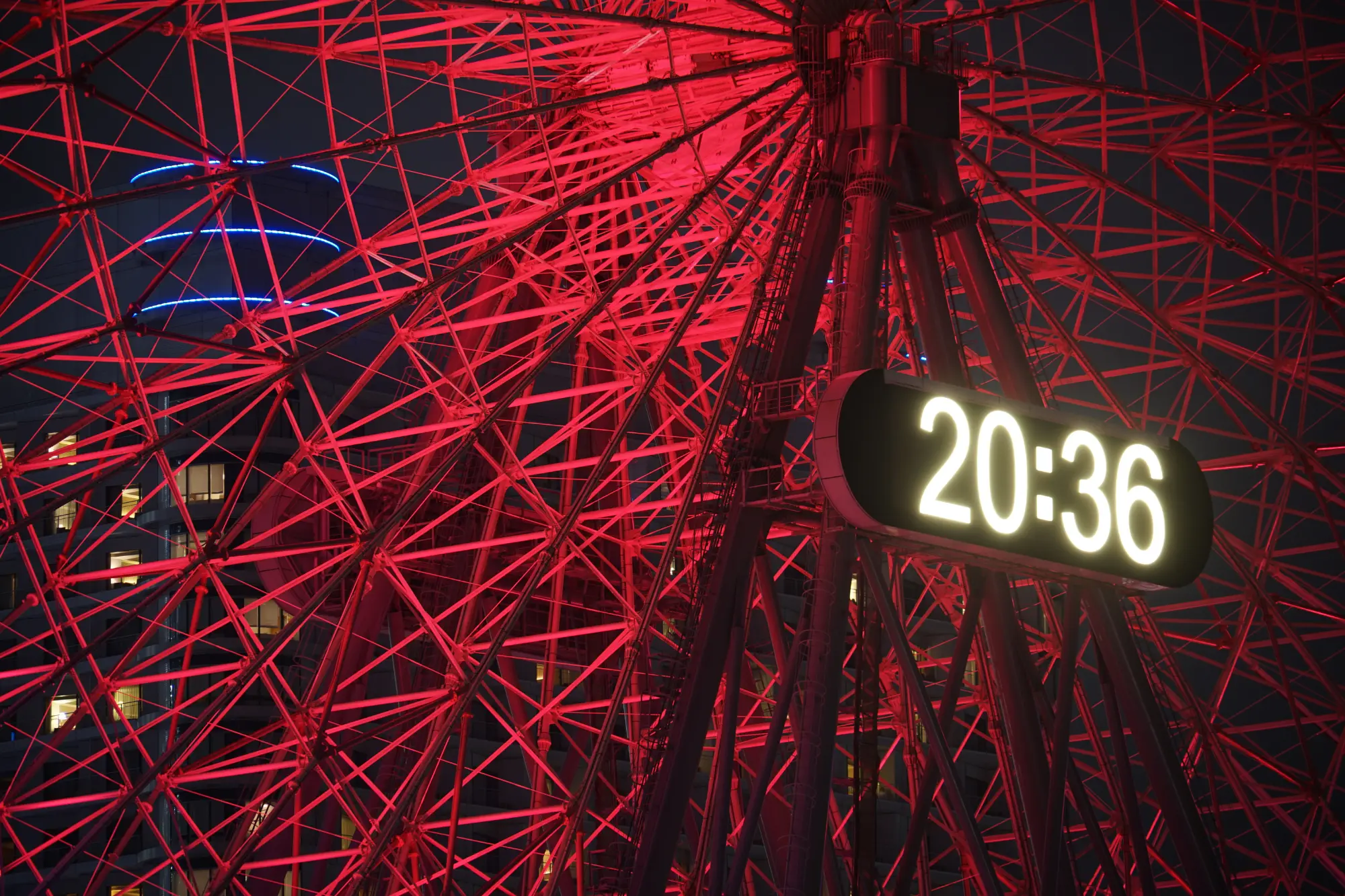
Cosmo Clock 21 is the large Ferris wheel at Yokohama Cosmoworld in Minato Mirai.
The ride is especially appealing around sunset and after dark, when the surrounding waterfront becomes part of the view.
It is also one of the easiest evening things to do in Yokohama if you are already exploring Minato Mirai.
Explore Yokohama’s Port History
One of the best ways to understand Yokohama, Japan is to follow its port history. When Yokohama opened its port to international trade in 1859, the city quickly developed into an important gateway for foreign trade and cultural exchange. Many reminders of that period remain around the central harbor today.
You can experience this history without visiting a separate museum. A simple walking route can connect several landmarks:
- Yokohama Red Brick Warehouse, once used as a customs and shipping facility, now serves as a cultural and shopping destination.
- Osanbashi Pier, one of Yokohama’s historic gateways for international trade, is now both a cruise terminal and a popular place for harbor views.
- Yamate and Motomachi offer another perspective, with historic Western-style residences and streets shaped by Yokohama’s early international community.
This makes the historic port area easy to combine with Yokohama Chinatown, Yamashita Park, and Minato Mirai during a Yokohama day trip from Tokyo.
What to Eat in Yokohama
Food is another major part of a Yokohama travel guide, particularly if you plan to spend time around Chinatown. A good Yokohama itinerary should leave enough time for at least one local specialty rather than treating food as an afterthought.
Eat Your Way Through Yokohama Chinatown
Chinatown is the obvious starting point for exploring what to eat in Yokohama. Expect Chinese restaurants, dim sum, steamed buns, sweets, and street-style snacks.
Because the district is large, do not feel obligated to eat on the busiest main street. Side streets often offer a broader range of restaurants.
For many visitors, exploring Chinatown is one of the most useful things to do in Yokohama because it combines food, history, shopping, and architecture in one neighborhood.
Try Iekei Ramen
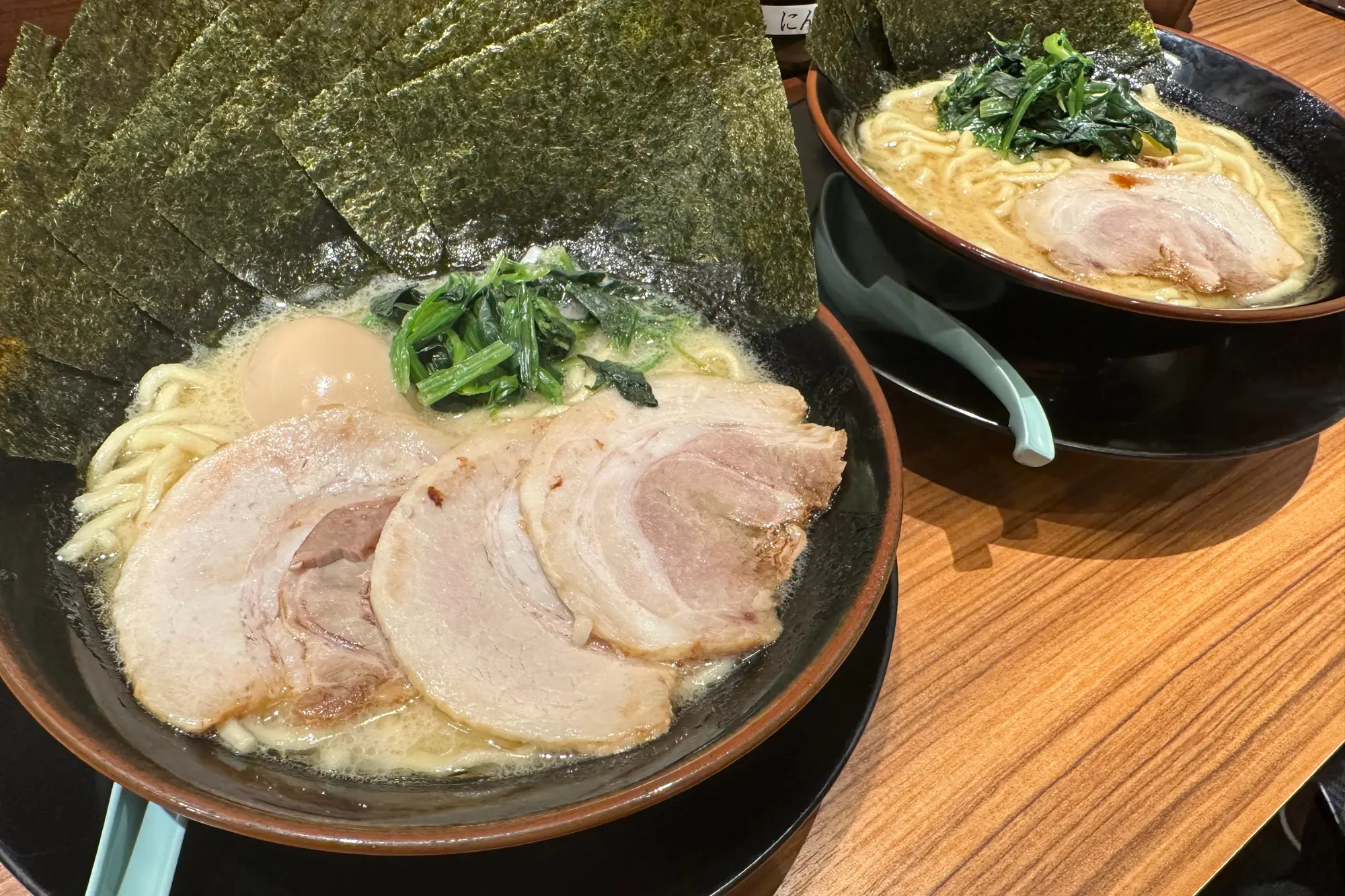
Yokohama is strongly associated with Iekei ramen, a style known for its rich pork-and-soy broth, noodles, and toppings.
For travelers interested in regional Japanese food, trying Iekei ramen is one of the most useful additions to a Yokohama food itinerary.
Adding a local ramen stop can also make a Yokohama itinerary feel more connected to the city’s own food culture rather than focusing entirely on attractions.
Try Local Chinese-Japanese Specialties
Yokohama’s long history as an international port has influenced its food culture. Chinatown is the most obvious example, but the city also offers a broader mix of Japanese, Chinese, Western-influenced, and modern dining.
Where to Eat Around Minato Mirai
Minato Mirai has a wide selection of restaurants inside shopping and entertainment complexes, making it convenient when you want a meal without traveling far from the waterfront.
Related Article: Top 10 Delicious Japanese Foods You Must Try in Japan
Yokohama from Tokyo: How to Get There
Getting from Tokyo to Yokohama is straightforward, which is why a Yokohama day trip from Tokyo works well for travelers with limited time. Planning Yokohama from Tokyo is straightforward, with several train options depending on where you start in Tokyo.
For travelers comparing Yokohama from Tokyo with other day-trip options, the city’s proximity is one of its biggest advantages. You can spend most of the day exploring rather than losing several hours to transportation.
From Shinjuku or Shibuya
From Shinjuku or Shibuya, travelers can use JR services or the Tokyu Toyoko Line. Depending on the exact departure point and service, the journey is generally around 30–40 minutes. These routes are particularly convenient for travelers planning Yokohama from Tokyo as a same-day excursion.
From Tokyo Station
JR Tokaido Line and JR Yokosuka Line services provide direct connections toward Yokohama. The journey is typically around 30 minutes, depending on the service.
From Haneda Airport
Haneda Airport is significantly closer to Yokohama than Narita Airport, making it a convenient arrival point for travelers heading directly to the city or cruise port.
Airport buses and rail connections are available, while private transfers can be useful when traveling with substantial luggage. For travelers heading directly from Tokyo to Yokohama or arriving through Haneda, a private transfer can be particularly useful when carrying luggage.
From Kyoto, Osaka, or Nagoya
Travelers coming from Kyoto, Osaka, or Nagoya can take the Tokaido Shinkansen to Shin-Yokohama.
From Shin-Yokohama, continue to central Yokohama by local train or subway. Allow additional time for the transfer between Shin-Yokohama and the central sightseeing districts.
Tokyo to Yokohama by Private Car
A private car can be particularly convenient for travelers combining Yokohama with other stops, carrying large suitcases, or traveling as a group.
The main advantage is not simply speed. It is the ability to travel directly between hotels, attractions, airports, and cruise terminals without managing multiple station transfers. Private transportation can make a Yokohama day trip from Tokyo easier when you’re traveling with luggage, family members, or a customized itinerary.
How Long Does It Take to Get from Tokyo to Yokohama?
For most travelers, allow approximately 30–40 minutes by direct train from central Tokyo, depending on the departure station and service.
The total door-to-door journey can be longer once you include getting to your Tokyo station, waiting time, and the walk from Yokohama Station to your first attraction.
Related Article: Tokyo Travel Guide: What Should You Know Before Planning Your Trip?
Getting Around Yokohama
Understanding local transportation is an important part of planning the best Yokohama itinerary, especially if you want to combine attractions in different neighborhoods.
Trains and the Minatomirai Line
The Minatomirai Line is particularly useful for connecting major sightseeing areas including Minato Mirai, Chinatown, and nearby waterfront districts.
Buses and the Akai Kutsu Sightseeing Bus
Yokohama also operates sightseeing bus services that can be useful when you want to reduce the amount of walking between attractions.
Walking Around the Waterfront
Walking is one of the best ways to experience central Yokohama, but distances between attractions can add up.
A route that looks short on a map can become a substantial walking day once you include museums, shopping areas, meals, and waterfront detours.
This is why the best things to do in Yokohama are often easier to enjoy when you group nearby attractions together.
Taxis and Private Transportation
Taxis are useful for short transfers, while private transportation becomes more valuable when combining distant areas, airport transfers, cruise terminals, and multiple pieces of luggage.
Yokohama Day Trip from Tokyo: How to Plan Your Visit
A Yokohama day trip from Tokyo is enough to cover several major sights, but your itinerary should prioritize areas that are close together rather than trying to see the entire city.
For travelers planning things to do in Yokohama in a single day, the most efficient approach is to group Chinatown, the waterfront, and Minato Mirai rather than moving repeatedly between distant districts.
Is One Day Enough for Yokohama?
Yes. One day is enough for the main waterfront experience.
A well-planned Yokohama day trip from Tokyo can cover Chinatown, Yamashita Park, Osanbashi, Red Brick Warehouse, Minato Mirai, and an evening view without requiring an overly complicated schedule.
Half-Day Yokohama Itinerary
For a half-day visit, focus on one compact route:
Yokohama Chinatown → Yamashita Park → Osanbashi Pier → Red Brick Warehouse
This gives you food, waterfront scenery, historic port atmosphere, and some of Yokohama’s most recognizable sights.
This compact route works particularly well for a short Yokohama day trip from Tokyo.
One-Day Yokohama Itinerary
For a full Yokohama itinerary, start in Chinatown in the morning, continue through Yamashita Park and Osanbashi, then move toward the Red Brick Warehouse and Minato Mirai.
End with dinner and an evening city view. This approach gives you a balanced Yokohama itinerary without spending most of the day moving between distant neighborhoods.
A full-day plan also gives you enough time to experience several of the city’s major Yokohama attractions without turning the visit into a checklist.
Two Days in Yokohama
Two days allow you to slow down and add attractions farther from the central waterfront, such as Sankeien Garden, Motomachi and Yamate, or Shin-Yokohama.
Two days make more sense if Yokohama is part of a longer Japan itinerary rather than simply a Yokohama day trip from Tokyo.
A two-day Yokohama itinerary also gives you more flexibility to spread out meals, museums, gardens, and waterfront walks.
Should You Stay Overnight in Yokohama?
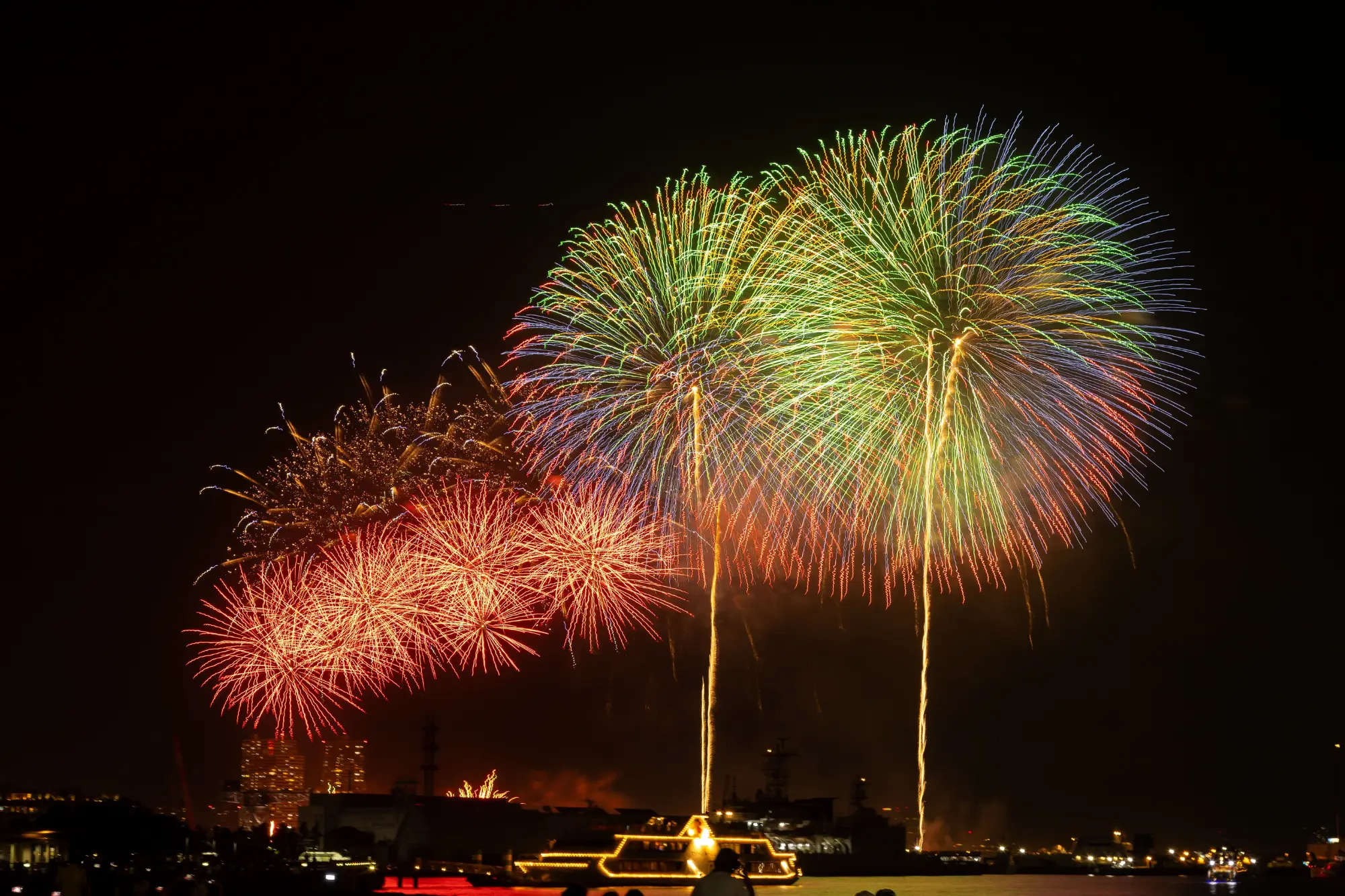
Staying overnight is worthwhile if you want a slower pace, have a cruise departure, or prefer not to return to Tokyo after an evening around the waterfront. Staying overnight also gives you more time to experience things to do in Yokohama after the busiest daytime period.
It can also make a longer Yokohama itinerary feel considerably less rushed.
Should You Stay in Yokohama or Tokyo?
Many travelers debate whether to make Yokohama their primary base rather than staying in central Tokyo. The decision largely depends on your pacing preferences and itinerary focus.
| Decision Factor | Staying in Tokyo | Staying in Yokohama |
| Atmosphere & Pacing | High energy, dense, fast-paced | Relaxed, wide sidewalks, coastal breeze |
| Hotel Room Size | Generally smaller, higher price per square foot | Often more spacious, better value for luxury waterfront properties |
| Logistical Access | Immediate access to deep-city sights such as Asakusa, Shinjuku, and Ueno | Requires a commute to core Tokyo neighborhoods |
| Best Suited For | First-time visitors maximizing daily sightseeing in the capital | Repeat visitors, cruise passengers, or travelers prioritizing evening tranquility |
Yokohama Weather and the Best Time to Visit
Understanding Yokohama weather by season can help you decide when to visit and how much outdoor sightseeing to plan.
Yokohama Weather by Season
Yokohama has four distinct seasons, with hot and humid summers, cooler winters, and comfortable spring and autumn periods.
The best travel period depends on whether your priority is mild weather, seasonal scenery, or specific events. Yokohama weather can also affect how much time you want to spend walking along the waterfront.
Yokohama in Spring
Spring generally offers comfortable sightseeing conditions, although temperatures and rainfall can vary. Cherry blossoms also make waterfront parks and gardens more appealing during the appropriate seasonal window.
Yokohama in Summer
Summer can be hot and humid. Plan outdoor sightseeing earlier or later in the day and use museums, shopping complexes, and indoor attractions as breaks.
Yokohama in Autumn
Autumn is one of the most comfortable seasons for walking around Yokohama, particularly when combining waterfront districts with gardens and historic neighborhoods.
Yokohama in Winter
Winter is cooler but can be a good period for city sightseeing because outdoor areas are less affected by summer heat and humidity.
What Is the Best Month to Visit Yokohama?
For a balance of sightseeing conditions and seasonal appeal, spring and autumn are generally strong choices. Your preferred month should ultimately depend on the experiences you want rather than a single universally “best” month.
What Should You Wear in Yokohama?
Dress according to the season, but plan for more outdoor walking than a typical indoor Tokyo itinerary.
Comfortable walking shoes are useful for waterfront routes, while summer travelers should prepare for heat and humidity. Good Yokohama weather matters most when your plans include long waterfront walks, gardens, and outdoor sightseeing.
For a Yokohama day trip from Tokyo, checking the forecast is particularly useful because a large part of a typical sightseeing route takes place outdoors.
Common Mistakes to Avoid in Yokohama
One of the biggest mistakes when planning things to do in Yokohama is treating every attraction as equally convenient to reach.
Treating Yokohama as Only a Half-Day Stop
A half-day can cover the highlights, but staying into the evening gives you a better sense of the waterfront.
Trying to See Every Attraction in One Day
Yokohama is geographically larger than its central sightseeing map suggests. Choose a route rather than collecting attractions from opposite sides of the city.
Leaving Before Sunset
The waterfront changes character after dark. If your schedule allows, stay through sunset.
Spending the Entire Day Indoors
Museums are useful, especially in bad weather, but Yokohama’s identity is closely connected to its waterfront. Balance indoor attractions with outdoor stops.
Underestimating Walking Distances Along the Waterfront
The individual attractions may be easy to reach, but several consecutive waterfront stops can create a long walking day.
Visiting Chinatown Only During Peak Lunch Hours
If food is a major priority, consider visiting outside the busiest lunch period or exploring beyond the main street.
How Nicetrips Can Enhance Your Japan Itinerary
Managing the logistics of a multi-destination Japan trip requires precision, particularly when coordinating Shinkansen travel, hotel transitions, and cruise port embarkations. Yokohama, Japan, while deeply rewarding, presents specific routing challenges if you are managing heavy luggage or traveling with a multi-generational group.
Nicetrips specializes in designing custom itineraries and private guided experiences that remove the friction from international travel. Whether you need a seamlessly coordinated private transfer from Haneda Airport to the Yokohama cruise port, a curated walking tour of Yokohama Chinatown with a bilingual local guide, or a comprehensive multi-day itinerary that perfectly balances the electric energy of Tokyo with the bayside calm of Yokohama, our team ensures your journey is executed flawlessly.
Japan Package Tour Combining Tokyo and Yokohama
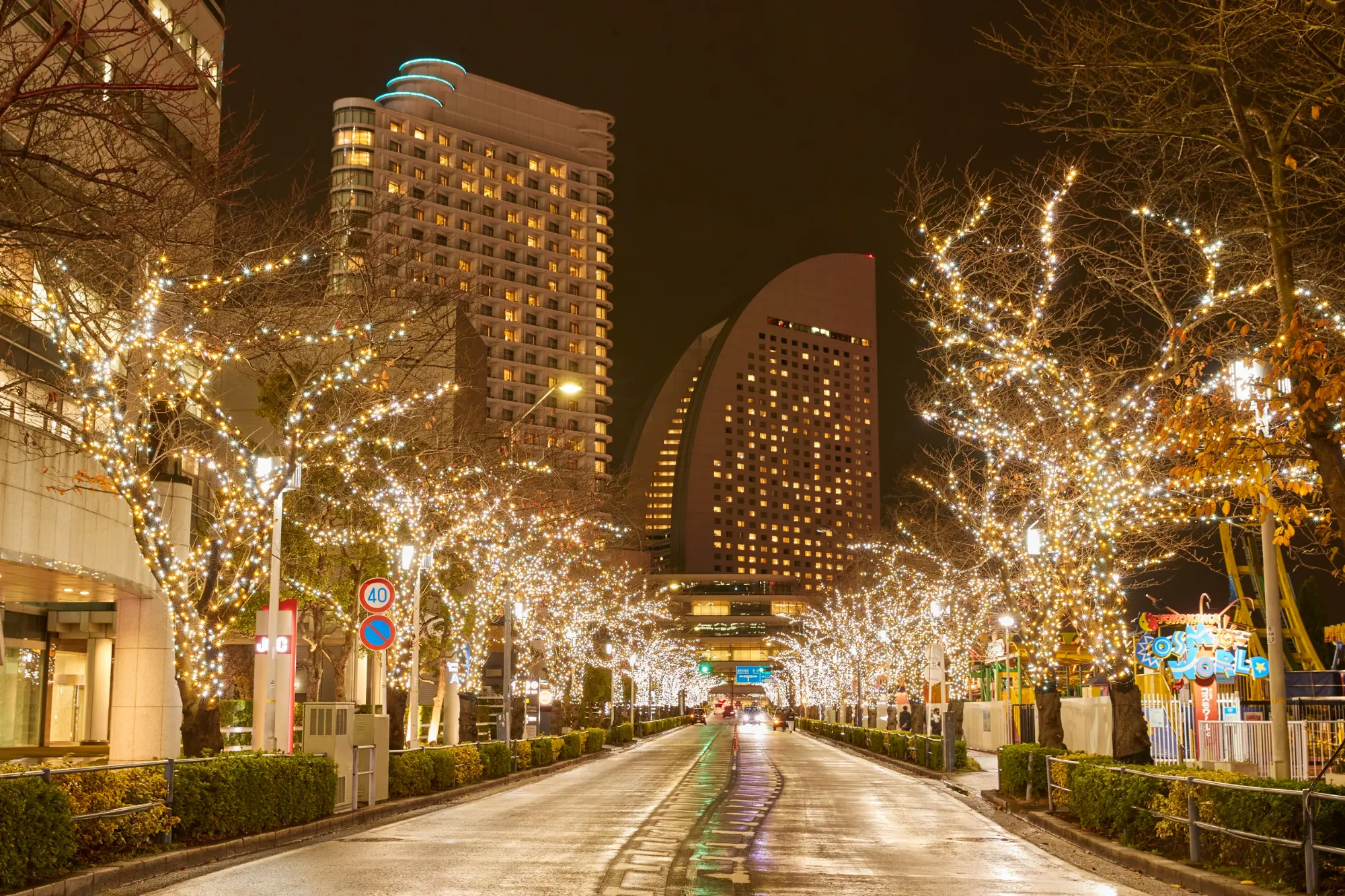
For a longer Japan trip, Yokohama can be integrated with Tokyo rather than treated as a separate excursion. This approach in our Japan package tours can reduce unnecessary hotel changes while still giving you time to experience the city properly.
For travelers building a Yokohama itinerary as part of a longer private Japan tour, combining Tokyo and Yokohama can also create a more logical sequence between hotels, sightseeing areas, and cruise departures.
Frequently Asked Questions About Yokohama
What Is Yokohama Famous For?
Yokohama is famous for its international port, Chinatown, Minato Mirai waterfront, historic Red Brick Warehouse, Landmark Tower, and diverse food culture.
These are also among the most important highlights to include in a first-time Yokohama travel guide.
What Are the Top 10 Places to Visit in Yokohama?
A practical top 10 includes Minato Mirai, Yokohama Chinatown, Red Brick Warehouse, CUPNOODLES Museum, Yokohama Landmark Tower, Yamashita Park, Osanbashi Pier, Sankeien Garden, Motomachi and Yamate, and the Shin-Yokohama Ramen Museum.
These Yokohama attractions can be divided across one or two days depending on your interests and preferred pace.
What Is the Best Thing to Do in Yokohama?
For a first visit, exploring the waterfront from Chinatown through Yamashita Park, Osanbashi, Red Brick Warehouse, and Minato Mirai gives you the strongest overview of the city.
For many travelers, this route represents the best combination of things to do in Yokohama in a single visit.
How Many Days Do You Need in Yokohama?
One day is enough for the main highlights. Two days allow a slower pace and more time for Sankeien Garden, Motomachi and Yamate, or Shin-Yokohama.
Can You Visit Yokohama from Tokyo in One Day?
Yes. A Yokohama day trip from Tokyo is practical because direct train services can connect central Tokyo with Yokohama in roughly 30–40 minutes, depending on the departure point and service.
Is Yokohama Cheaper Than Tokyo?
Yokohama is not automatically cheaper than Tokyo. Costs vary considerably by hotel location, property category, dining choices, and season.
Is Yokohama Better Than Tokyo?
They offer different experiences. Tokyo is better for dense urban sightseeing and major central districts, while Yokohama is better suited to travelers interested in waterfront scenery, port history, Chinatown, and a more relaxed city experience.
What Is Yokohama Weather Like?
Yokohama has hot, humid summers, cool winters, and generally comfortable spring and autumn periods. Weather can vary considerably by month, so check the forecast close to your trip.
What Is the Best Time to Visit Yokohama?
Spring and autumn are generally strong choices for comfortable sightseeing, while summer is best approached with a plan for heat and humidity.
Is Yokohama Worth Visiting at Night?
Yes. Minato Mirai, the waterfront, Landmark Tower, Cosmo Clock 21, and Osanbashi are particularly appealing after sunset.
Even if you are visiting on a Yokohama day trip from Tokyo, staying until after sunset can make the visit feel more complete.
Is Yokohama Easy to Walk Around?
Central Yokohama is walkable, especially around the waterfront, but a full sightseeing route can involve substantial walking. Use trains, buses, or taxis strategically when attractions are farther apart.
Final Thoughts: How to Experience Yokohama Properly
The best way to experience Yokohama is not to treat it as a checklist of isolated attractions. Build your visit around the waterfront, combine Chinatown and historic districts with Minato Mirai, and stay into the evening if your schedule allows.
For most travelers, one day in Yokohama is enough for the main things to do in Yokohama. A longer stay makes more sense when Yokohama is part of a cruise itinerary, a slower Japan trip, or a broader route combining Tokyo and the surrounding region.
Whether you are planning a Yokohama day trip from Tokyo, a two-day stay, or a longer Yokohama itinerary, the key is to group nearby attractions and leave enough time for food, walking, and the waterfront.